

The shift happening in poultry processing right now feels different from previous waves of modernization. Facilities that once relied heavily on manual labor and reactive maintenance are moving toward systems where automation, real-time data, and integrated design work together from the start. Intelligent processing engineering sits at the center of this change, reshaping how slaughterhouses operate, how they manage food safety, and how they balance efficiency against animal welfare and environmental responsibility.
Why Processing Facilities Are Adopting Integrated Automation
Intelligent processing systems represent a fundamental departure from how poultry and livestock operations have traditionally functioned. Rather than treating automation as an add-on to existing workflows, these systems embed technology throughout the entire operation. The global meat processing automation market reflects this momentum, with facilities investing heavily in solutions that address labor shortages, consistency demands, and safety requirements simultaneously.
Agrifam Co., Ltd. works within this space by delivering solutions that modernize facilities at a structural level. The goal extends beyond installing new equipment. Creating smart factory environments where operational efficiency and product quality improve together requires rethinking how each stage of processing connects to the next.
Robotics and AI Reshape Livestock Handling
The engineering foundation of intelligent processing engineering becomes most visible in the robotics and automation now operating inside modern facilities. Robotic systems handle tasks that previously required significant manual labor, from livestock handling to deboning operations. The consistency these systems achieve matters as much as the labor savings. A robotic arm performs the same motion thousands of times without the fatigue-related variation that affects human workers.
Artificial intelligence adds another layer by enabling real-time monitoring and predictive maintenance. Rather than waiting for equipment to fail, AI systems analyze performance data continuously and flag potential issues before they cause downtime. The Internet of Things connects these systems, allowing facility managers to track carcass processing automation metrics from any location. Agrifam integrates these technologies as part of comprehensive facility designs, ensuring that robotics, AI, and IoT components work together rather than operating as isolated upgrades.
How can intelligent processing engineering reduce operational costs in poultry slaughter?
Cost reduction comes from multiple directions when intelligent processing engineering is implemented properly. Automation directly lowers labor expenses while increasing throughput, since automated systems can operate continuously without breaks. Energy-efficient processing equipment reduces utility consumption, which represents a significant ongoing expense for any slaughter facility. Waste minimization further improves the cost picture by extracting more value from each animal processed.
Agrifam provides financial support and consulting services specifically to help clients navigate these investments. The upfront capital required for intelligent systems can be substantial, but the operational savings typically produce a rapid return on investment when implementation follows sound engineering principles.
Food Safety Systems That Go Beyond Compliance
Food safety cannot be treated as an afterthought in intelligent processing. Integrated systems ensure adherence to international standards like HACCP and ISO 22000, but the real value lies in how these systems create visibility throughout the entire operation. Traceability systems track products from farm to table, enabling rapid identification when issues arise. If contamination occurs somewhere in the supply chain, operators can pinpoint the source within hours rather than days.
Agrifam approaches food safety as a foundational element of facility design rather than a compliance checkbox. Quality control in meat production depends on consistent processes, and intelligent processing engineering provides the monitoring and control systems that make consistency achievable. The protocols integrated into these systems safeguard product integrity while also protecting the facility’s reputation and regulatory standing.
Agrifam’s commitment to food safety extends to developing systems that exceed current regulatory requirements. For a deeper understanding of how technological innovation drives food conservation, consider reading 《Driving Global Food Conservation Through Technological Innovation》.
Balancing Efficiency With Ethical Responsibility
Consumer expectations around ethically sourced and sustainably processed meat continue to intensify. Modern slaughter facilities face pressure to demonstrate genuine commitment to animal welfare and environmental stewardship, not just marketing claims. Intelligent processing engineering addresses these demands through design choices that prioritize both efficiency and responsibility.
Animal welfare improvements come from technologies that reduce stress throughout the handling process. Humane stunning methods ensure quick, painless processing. Environmental controls maintain conditions that keep animals calm before slaughter. These systems require investment, but they also produce measurable benefits in meat quality, since stressed animals yield lower-quality products.

Waste management in abattoirs has evolved significantly with intelligent processing approaches. By-products that once represented disposal costs now contribute to circular economy models. Energy conservation measures reduce the environmental footprint of operations while also lowering utility expenses. Agrifam incorporates these sustainability elements into facility designs, recognizing that environmental protection and operational efficiency often align rather than conflict.
What are the most effective technologies for improving animal welfare in livestock processing?
Stress reduction drives the most effective welfare improvements. Advanced animal handling systems minimize agitation through design features like curved chutes and non-slip flooring. Humane stunning methods have become increasingly precise, ensuring that animals experience no pain during processing.
Automated monitoring systems track environmental conditions continuously, adjusting temperature, lighting, and airflow to maintain optimal conditions. These technologies require integration into the overall facility design to function effectively. Agrifam builds ethical considerations into processing solutions from the initial planning stages, ensuring that welfare improvements are structural rather than superficial.
Building Supply Chains That Adapt to Change
Future-proof agri-food supply chains require thinking beyond individual facilities. Agrifam provides integrated farm-to-table solutions that encompass the entire agriculture and animal husbandry industry chain. This holistic approach includes advanced cold chain logistics and comprehensive supply chain optimization, ensuring that products maintain quality from processing through final delivery.
The future of agriculture technology demands flexibility. Market conditions shift, regulations evolve, and consumer preferences change. Customized processing solutions must adapt to these changes without requiring complete facility overhauls. Agrifam’s one-stop service model addresses this need by covering financial support, consulting, design, civil engineering, manufacturing, installation, and upgrades under a unified approach.
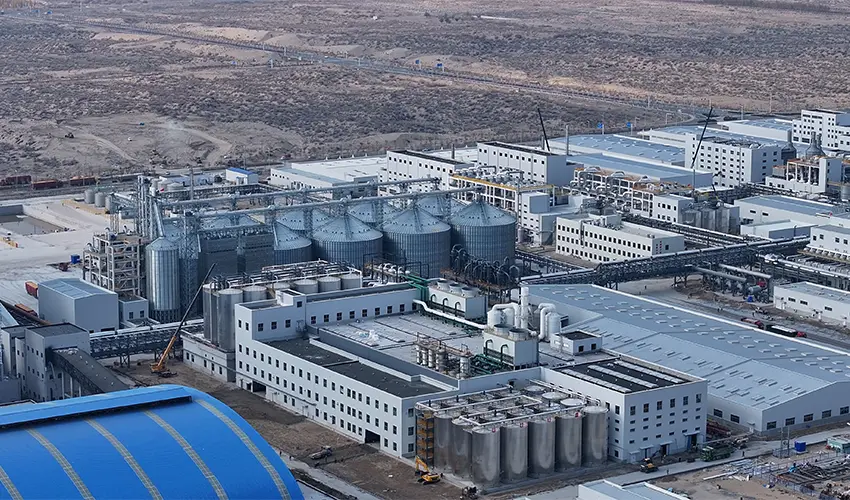
This integrated capability extends across multiple product categories. Agrifam’s corn starch processing soultion utilizes advanced wet-process methods for efficient production. The fuel ethanol alcohol production soultion emphasizes energy cascade utilization and biogas comprehensive utilization. For food manufacturers requiring specialty ingredients, the modified starch manufacturing soultion enables flexible production across diverse industries.
Working With Agrifam on Processing Transformation
Agrifam Co., Ltd. focuses on elevating the agriculture and animal husbandry industry through intelligent processing engineering. The integrated approach, covering everything from financial support and consulting to civil engineering, manufacturing, installation, and upgrades, addresses the full scope of facility modernization. Building safer, healthier, and more efficient operations requires partnership with teams that understand both the technology and the operational realities of processing facilities.
Contact Agrifam for a personalized consultation to explore how intelligent processing engineering can transform your processing capabilities.
Email: [email protected]
Phone: 010-8591 2286
Frequently Asked Questions About Intelligent Processing Engineering
Which regulatory standards are paramount for implementing advanced slaughterhouse systems?
HACCP, ISO 22000, and applicable local food safety regulations form the compliance foundation for any advanced slaughterhouse system. These standards govern product integrity, facility hygiene, and consumer safety throughout the intelligent processing engineering lifecycle. Meeting these requirements is non-negotiable, but well-designed systems can exceed minimum standards while maintaining operational efficiency. Agrifam specializes in designing systems that satisfy regulatory requirements without creating unnecessary operational burden.
How does intelligent processing contribute to the overall sustainability of poultry and livestock operations?
Sustainability improvements emerge from multiple system elements working together. Resource optimization reduces raw material waste. Energy-efficient equipment lowers utility consumption and associated emissions. Advanced waste management systems convert by-products into valuable outputs rather than disposal problems. By-product valorization supports circular economy principles while generating additional revenue streams. Intelligent processing engineering integrates these elements into a coherent approach that makes sustainability economically viable rather than purely aspirational.
What kind of return on investment can be expected from upgrading to intelligent processing engineering?
ROI varies based on facility size, current operational efficiency, and the scope of upgrades implemented. Typical benefits include increased throughput, reduced labor costs, improved product quality, and enhanced food safety compliance. Energy consumption decreases with modern equipment, and product loss diminishes when processing systems operate consistently. Most facilities see payback periods measured in years rather than decades, with sustained profitability improvements continuing long after the initial investment is recovered. Agrifam’s financial support services help clients structure investments to maximize returns while managing cash flow requirements.
