Recombinant Human IFN-gamma sits at the center of how the immune system coordinates its response to threats. Working with this cytokine over years of production and purification has reinforced something that textbooks often understate: the gap between a theoretically active protein and one that actually performs in demanding assays is enormous. At Jiangsu East-Mab Biomedical Technology Co., Ltd., we produce Recombinant Human IFN-gamma with the kind of consistency that research teams and therapeutic developers need when their results depend on reliable bioactivity.
How Recombinant Human IFN-gamma Drives Immune Function
Recombinant Human IFN-gamma belongs to the Type II interferon family and exists as a homodimeric glycoprotein. T lymphocytes and natural killer cells produce it naturally, and its influence on immune coordination is substantial. The interferon gamma mechanism begins when the protein binds to specific cell surface receptors, triggering the JAK-STAT signaling pathway. This cascade activates a range of IFN-gamma-inducible genes that encode proteins responsible for enhanced antigen presentation, increased phagocytic activity, and direct antiviral and antiproliferative effects.
The protein’s role in immune response modulation extends to directing naive T cells toward Th1 differentiation. It also activates macrophages in ways that substantially boost their ability to destroy pathogens and tumor cells. By upregulating MHC class I and class II molecule expression, Recombinant Human IFN-gamma improves how T lymphocytes recognize infected or cancerous cells. This broad influence on immune cell function explains why the cytokine therapy potential of this protein continues to attract attention in immunotherapy applications. Understanding what Recombinant Human IFN-gamma is used for matters because its effects touch nearly every aspect of cellular immunity.
Production Methods That Determine Protein Quality
Producing Recombinant Human IFN-gamma at scale requires careful decisions about expression systems and process control. The choice of host cells shapes everything that follows. Mammalian cells, particularly Chinese Hamster Ovary (CHO) cells, remain the preferred option when proper post-translational modifications are essential for protein function. Our production of Recombinant Human IL-2 and Recombinant Human IL-4 in CHO cells reflects the same approach we apply to IFN-gamma.
Bioreactor systems allow precise control over pH, temperature, dissolved oxygen, and nutrient delivery. These parameters directly affect cell growth rates and protein expression levels. Bioprocess optimization at this stage determines whether final yields meet commercial requirements. After expression, protein purification involves multiple chromatographic steps. Affinity chromatography captures the target protein, while ion-exchange and size-exclusion chromatography remove host cell contaminants and aggregates. The question of how Recombinant Human IFN-gamma is produced has a straightforward answer in principle, but execution determines whether the final product actually works in demanding applications. Our integrated platform for recombinant protein expression addresses these challenges systematically.
| Expression System | Advantages | Disadvantages | Typical Purity |
|---|---|---|---|
| E. coli | High yield, low cost | Lack of post-translational modifications, endotoxin risk | >95% |
| CHO Cells | Proper folding and glycosylation, low endotoxin | Higher cost, lower yield | ≥95% |
| Yeast | Moderate cost, some post-translational modifications | Glycosylation differences from human | >90% |
Quality Control That Separates Reliable Protein from Problematic Batches
Purity numbers on a certificate of analysis tell only part of the story. The real question is whether Recombinant Human IFN-gamma maintains its biological activity when it reaches the researcher’s bench. Protein stability during storage and shipping affects outcomes as much as initial production quality. Every batch we release undergoes testing designed to catch problems before they affect downstream work.
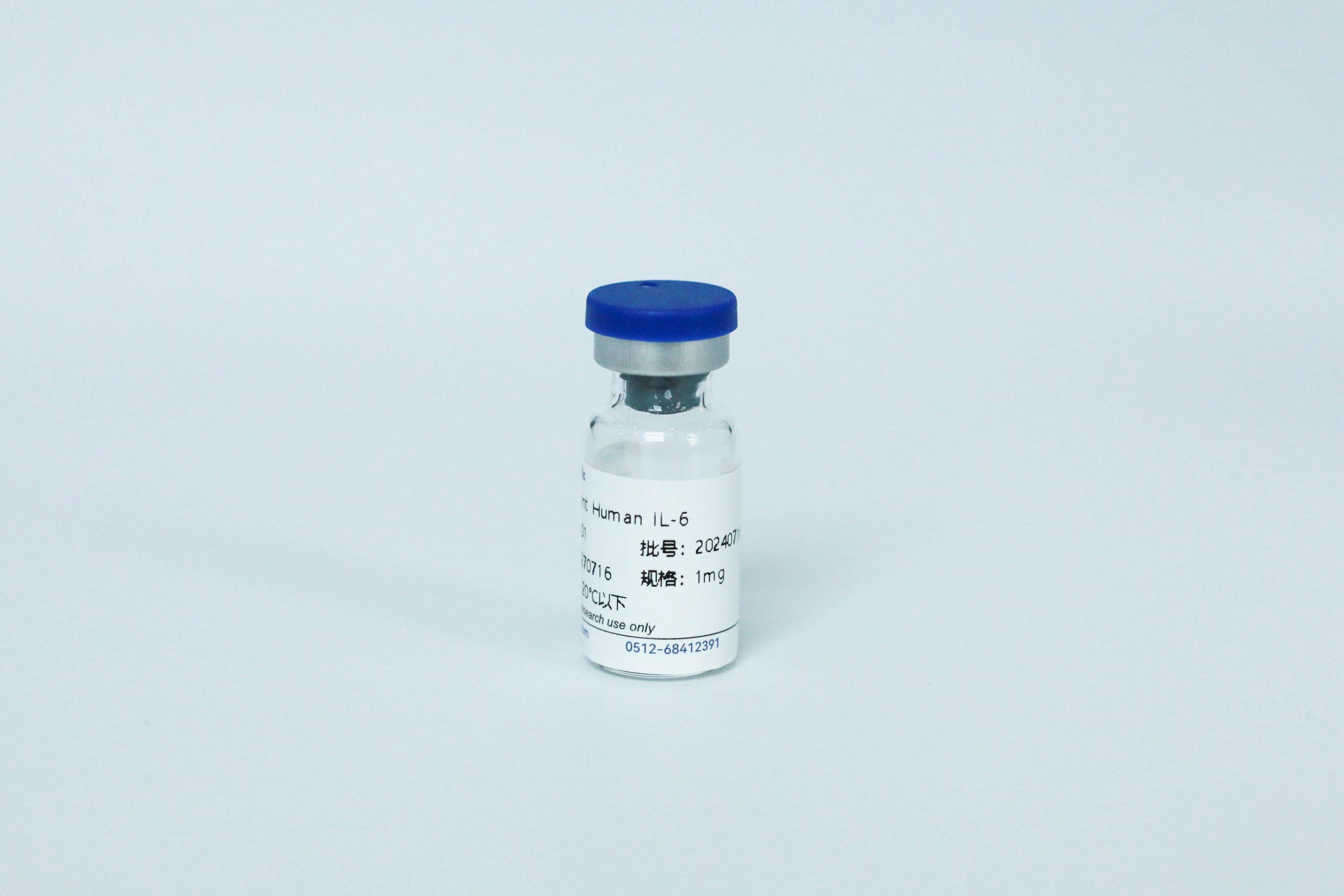
Purity assessment relies on SDS-PAGE, HPLC, and mass spectrometry. These analytical techniques verify that host cell proteins, residual DNA, and process-related impurities fall below acceptable thresholds. Our Recombinant Human IL-6 consistently achieves ≥95% purity using these same methods. Bioactivity testing for IFN-gamma typically involves cell-based assays measuring specific responses like MHC class II upregulation or viral replication inhibition. High-quality Recombinant Human IFN-gamma matters for research because impurities introduce variability that obscures real biological effects. The impact of purity on experimental results becomes obvious when researchers compare data generated with different protein sources. GMP compliance provides the framework for consistent quality, but the testing itself reveals whether that framework actually works.
Where Recombinant Human IFN-gamma Makes a Practical Difference
The therapeutic applications of Recombinant Human IFN-gamma reflect its fundamental role in cellular immunity. Approved uses include treatment of chronic granulomatous disease and severe malignant osteopetrosis, conditions where enhanced immune function addresses the underlying pathology. The protein’s ability to activate macrophages and promote Th1 responses also supports ongoing immunotherapy research, particularly in oncology settings where stimulating anti-tumor immunity remains a central goal. IFN-gamma serves as a critical cell culture media component when expanding immune cells for adoptive cell therapies.
Diagnostic applications depend equally on reliable protein quality. IVD assay development for tuberculosis detection relies on Interferon-Gamma Release Assays that measure T cell responses to mycobacterial antigens. The diagnostic reagent production process requires protein that performs consistently across thousands of patient samples. Cell-based assays evaluating immune responses in autoimmune and infectious disease research also depend on Recombinant Human IFN-gamma with predictable bioactivity. The primary therapeutic applications of this protein span direct patient treatment and the research infrastructure supporting advanced cell therapy development.
Regulatory Requirements That Shape Production Decisions
Therapeutic protein manufacturing operates within regulatory frameworks that influence every production decision. GMP compliance establishes requirements for facilities, equipment, personnel training, process controls, and quality systems. These requirements exist because variability in recombinant protein raw materials can compromise patient safety and clinical trial integrity.
Drug discovery research and scale-up production both require comprehensive documentation. Traceability from raw material sourcing through final release testing provides the evidence regulators need when evaluating applications. The FDA, EMA, and NMPA each maintain specific guidelines that manufacturers must address. Regulatory considerations for using Recombinant Human IFN-gamma in clinical research center on demonstrating that product quality remains consistent across batches and over time. East-Mab Bio’s approach to these standards helps partners advance biopharmaceutical projects with confidence that regulatory submissions will reflect solid manufacturing practices.
For researchers exploring other critical growth factors, our article on 《Recombinant Human 4-1BBL: Unlocking Immune Co-stimulation for Advanced Therapies》 covers related territory.
Working Together on Complex Projects
Jiangsu East-Mab Biomedical Technology Co., Ltd. supplies recombinant protein raw materials to research teams and therapeutic developers who need consistent quality. Our platform addresses the purity, bioactivity, and supply chain requirements that determine whether projects succeed. Contact us at [email protected] or +86-400-998-0106 to discuss how Recombinant Human IFN-gamma from East-Mab Bio can support your specific applications.
Frequently Asked Questions About Recombinant Human IFN-gamma
What are the primary therapeutic applications of Recombinant Human IFN-gamma?
Recombinant Human IFN-gamma treats chronic granulomatous disease and severe malignant osteopetrosis by enhancing immune function in patients whose natural defenses are compromised. Beyond approved indications, the protein supports immunotherapy research focused on anti-cancer and antiviral strategies. East-Mab Bio supplies high-purity IFN-gamma that meets the quality requirements for these therapeutic applications.
How does the purity of Recombinant Human IFN-gamma impact experimental results?
Impurities in Recombinant Human IFN-gamma introduce variability that can mask real biological effects or generate misleading signals. Host cell proteins, aggregates, and process-related contaminants may trigger off-target responses that complicate interpretation of cell culture studies, IVD assay development, and drug discovery research. Jiangsu East-Mab Biomedical Technology Co., Ltd. applies stringent purification and quality control processes to deliver IFN-gamma with the purity and bioactivity that reproducible results require.
What regulatory considerations are important for using Recombinant Human IFN-gamma in clinical research?
Clinical research applications require Recombinant Human IFN-gamma produced under GMP compliance with complete documentation of manufacturing processes, quality testing, and stability data. International standards for protein manufacturing establish the baseline that regulatory agencies evaluate during clinical trial and market authorization reviews. East-Mab Bio’s quality systems and regulatory understanding support researchers navigating these requirements for therapeutic protein projects.