Recombinant human granulocyte colony-stimulating factor sits at the intersection of molecular biology and clinical necessity. When neutrophil counts drop—whether from chemotherapy, genetic conditions, or transplant preparation—this protein becomes the intervention that keeps patients out of the infection spiral. The science behind it is elegant: a 175-amino-acid chain that triggers a cascade of cellular signals, ultimately pushing the bone marrow to produce more of the white blood cells that fight bacterial and fungal invaders. But getting from gene sequence to injectable product involves decisions about expression systems, purification strategies, and quality controls that determine whether the final material performs as intended.
How rhG-CSF Works at the Molecular Level
Recombinant human granulocyte colony-stimulating factor belongs to the hematopoietic growth factor family. It targets granulocytic progenitor cells and mature neutrophils, pushing them to proliferate and differentiate. The native protein weighs in at 19.6 kDa and comes from monocytes, macrophages, fibroblasts, and endothelial cells scattered throughout the body. The recombinant version typically runs 175 amino acids, though some production methods add an N-terminal methionine. Structurally, it folds into a four-helix bundle—a common architecture among cytokines.
The protein does its work through G-CSFR, a receptor found on myeloid progenitor cells, neutrophils, and certain non-hematopoietic tissues. When recombinant human G-CSF binds, the receptor pairs up and kicks off intracellular signaling. The JAK/STAT pathway handles most of the heavy lifting here, with JAK2 and STAT3 driving transcription of genes that govern neutrophil survival and multiplication. The MAPK and PI3K pathways contribute additional cellular responses. The net effect is a reliable supply of neutrophils ready to handle infections. This receptor-mediated mechanism explains why the protein works so consistently across different patient populations—the signaling machinery is conserved and predictable.
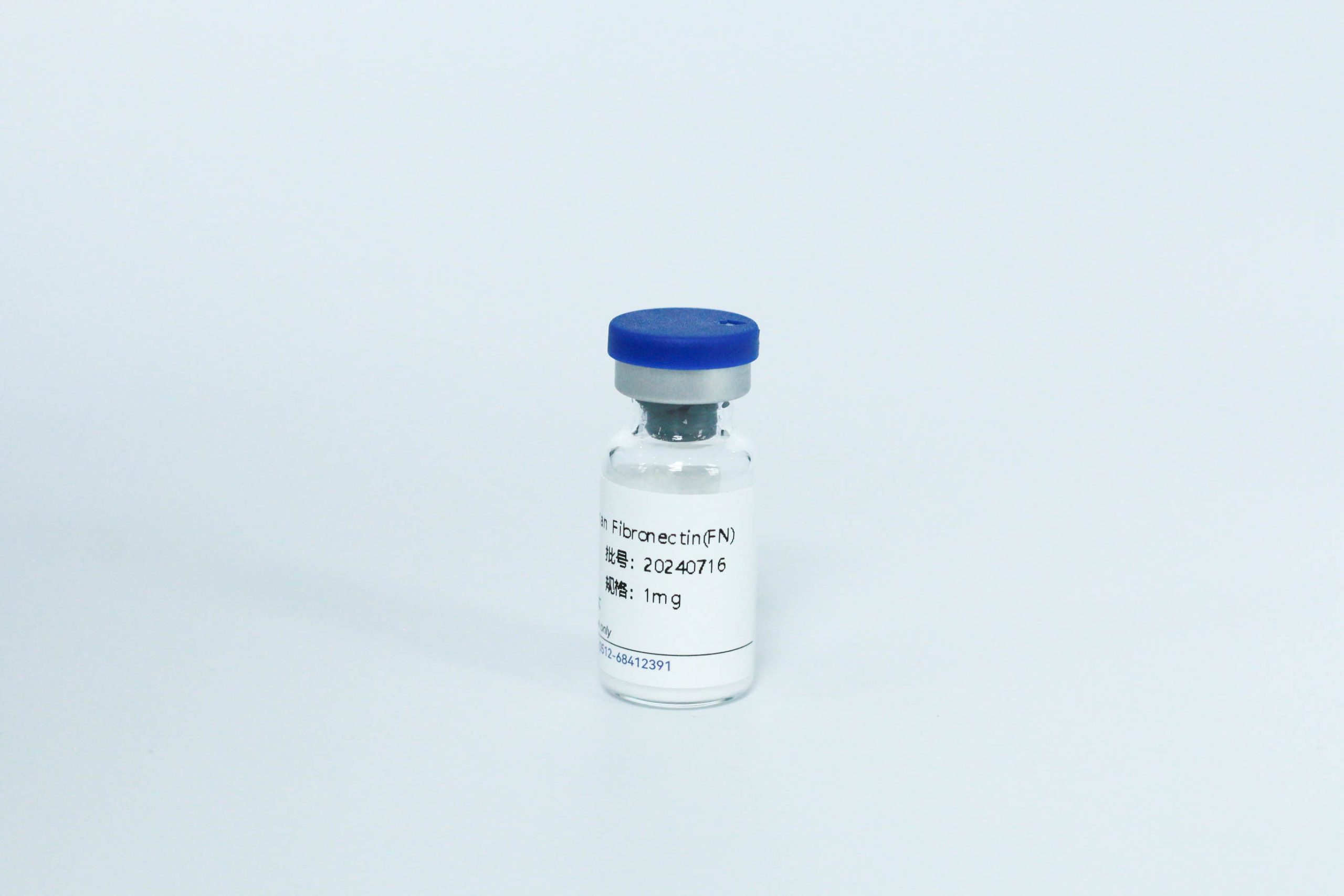
!Y01311 Recombinant Human Fibronectin
 ## Clinical Uses That Drive Demand for rhG-CSF
Chemotherapy-induced neutropenia remains the primary indication. Cancer treatments hammer the bone marrow, and neutrophil counts can crater within days. Administering recombinant human G-CSF shortens the duration of neutropenia, reduces febrile episodes, and cuts infection rates. This allows oncologists to maintain chemotherapy schedules rather than delaying doses while waiting for counts to recover.
Severe chronic neutropenia—whether congenital, cyclic, or idiopathic—presents a different challenge. These patients live with persistently low neutrophil counts and face recurring infections throughout their lives. Regular recombinant human granulocyte colony-stimulating factor administration keeps counts in a safer range. Stem cell mobilization represents another major application. Before autologous or allogeneic transplants, rhG-CSF pushes hematopoietic stem cells out of the bone marrow and into peripheral blood, where they can be collected efficiently. Researchers continue exploring applications in infectious disease management and neurological conditions, though these remain investigational.
| Indication | Primary Goal | Patient Population |
|---|---|---|
| Chemotherapy-induced Neutropenia | Reduce infection risk, maintain treatment dose | Cancer patients undergoing myelosuppressive therapy |
| Severe Chronic Neutropenia | Increase neutrophil count, prevent infection | Patients with congenital, cyclic, or idiopathic forms |
| Stem Cell Mobilization | Enhance peripheral blood stem cell collection | Patients preparing for autologous/allogeneic HCT |
| Bone Marrow Transplantation | Accelerate neutrophil engraftment | Recipients of hematopoietic cell transplants |
Production Approaches Shape the Final Product
The expression system choice ripples through everything downstream. E. coli offers speed, yield, and cost advantages that make it attractive for large-scale production. The bacteria grow fast and produce substantial quantities of recombinant human G-CSF. The catch is that E. coli cannot glycosylate proteins. Native G-CSF carries sugar modifications, so the bacterial product differs structurally from what the body makes naturally. This affects pharmacokinetics and potentially immunogenicity, though many E. coli-derived products perform well clinically. The protein typically accumulates in inclusion bodies, requiring refolding steps to achieve the correct three-dimensional structure.
Mammalian cell systems like CHO cells handle post-translational modifications properly. The resulting recombinant human granulocyte colony-stimulating factor carries glycosylation patterns closer to the endogenous protein. This generally improves stability and may reduce immune reactions. The tradeoff comes in complexity, time, and expense. CHO cultures grow more slowly and produce lower concentrations. Purification for either system involves multiple chromatography steps—ion exchange, hydrophobic interaction, size exclusion—each removing different impurity classes. Bioactivity testing using G-CSF-dependent cell lines confirms that the purified protein actually works. Jiangsu East-Mab Biomedical Technology Co., Ltd. maintains production capabilities across these platforms, matching the expression system to specific product requirements.
Quality Attributes That Define Acceptable Material
Purity assessment starts with HPLC, SEC, and SDS-PAGE. These techniques reveal aggregates, degradation products, and process-related impurities that could compromise safety or efficacy. A preparation might contain 95% target protein, but that remaining 5% matters enormously when the product goes into patients.
Potency testing measures what the protein actually does. Cell-based proliferation assays using G-CSF-responsive lines like NFS-60 cells generate ED₅₀ values—the concentration producing half-maximal stimulation. This number directly reflects functional integrity. A batch might pass purity specifications but fail potency testing if the protein folded incorrectly or degraded during processing.
Stability studies track how recombinant human G-CSF holds up over time under various temperature and humidity conditions. These data establish shelf life and storage requirements. Mass spectrometry provides structural confirmation, verifying amino acid sequence and modification patterns. Endotoxin testing via LAL assay catches bacterial contamination that could trigger dangerous immune responses even at trace levels. GMP manufacturing frameworks ensure these quality controls happen consistently across production batches.
| CQA | Analytical Technique(s) | Purpose |
|---|---|---|
| Purity | HPLC, SEC, SDS-PAGE | Detect impurities, aggregates, degradation products |
| Potency | Cell-based proliferation assays (e.g., NFS-60) | Measure biological activity (ED₅₀) |
| Stability | Accelerated and real-time stability studies | Determine shelf-life and storage conditions |
| Identity | Mass Spectrometry, Peptide Mapping | Confirm amino acid sequence and modifications |
| Endotoxin | LAL assay | Quantify bacterial endotoxins |
| Sterility | Microbial growth tests | Ensure absence of microbial contamination |
Regulatory Requirements and Supplier Selection
FDA and EMA expectations for biopharmaceutical raw materials extend well beyond the finished drug product. Agencies want to see traceability from raw material through final formulation. They expect GMP compliance at every production step and documentation that proves it. ICH guidelines add another layer of harmonized requirements covering stability testing, impurity characterization, and analytical method validation.
Supplier qualification involves auditing manufacturing facilities, reviewing quality management systems, and assessing analytical capabilities. A supplier might produce high-purity recombinant human granulocyte colony-stimulating factor, but if their documentation practices fall short, regulatory submissions become problematic. Supply chain reliability matters too—production delays can derail clinical programs.
Jiangsu East-Mab Biomedical Technology Co., Ltd. addresses these concerns through established quality systems and comprehensive documentation packages. Certificates of Analysis, batch records, and regulatory support files accompany material shipments. The goal is providing recombinant human G-CSF raw materials that meet global standards while simplifying the regulatory pathway for downstream developers.
Frequently Asked Questions About Recombinant Human G-CSF
What quality attributes matter most for therapeutic-grade rhG-CSF?
Purity, bioactivity, potency, stability, and sterility form the core quality profile. Immunogenicity potential and glycosylation status require evaluation depending on the intended application. GMP manufacturing ensures these attributes remain consistent across production batches. Endotoxin levels deserve particular attention since even low contamination can cause serious adverse reactions.
How do expression systems affect the final recombinant human G-CSF product?
E. coli produces unglycosylated protein that may differ in circulation time and immune recognition compared to native G-CSF. Mammalian cells like CHO generate glycosylated recombinant human granulocyte colony-stimulating factor with post-translational modifications closer to the endogenous form. This typically improves folding accuracy and may reduce immunogenicity. The choice depends on cost constraints, production scale, and specific product requirements.
Where can manufacturers source GMP-compliant rhG-CSF raw materials?
Jiangsu East-Mab Biomedical Technology Co., Ltd. produces high-purity recombinant human G-CSF under GMP conditions with comprehensive quality documentation. Supply chain stability and regulatory compliance support make East Mab Bio a practical choice for developers needing reliable raw material sources for IVD, cell culture, or therapeutic applications.
Which clinical conditions respond to recombinant human G-CSF treatment?
Chemotherapy-induced neutropenia represents the largest indication, followed by severe chronic neutropenia in its congenital, cyclic, and idiopathic forms. Stem cell mobilization before bone marrow transplantation relies heavily on rhG-CSF to push progenitor cells into peripheral circulation for collection. Each application leverages the protein’s ability to stimulate neutrophil production through the G-CSFR signaling pathway.
What regulatory documentation should accompany rhG-CSF raw material purchases?
Expect Certificates of Analysis covering purity, potency, endotoxin levels, and sterility. Manufacturing records demonstrating GMP compliance, stability data, and traceability documentation support regulatory submissions. FDA, EMA, and ICH guideline adherence should be verifiable through supplier audit results and quality system certifications.
Partner with East Mab Bio for Your Recombinant Protein Needs
Jiangsu East-Mab Biomedical Technology Co., Ltd. supplies recombinant human granulocyte colony-stimulating factor and other recombinant proteins for biopharmaceutical development. Our production platform delivers consistent purity and bioactivity for IVD, cell culture, and therapeutic raw material applications. Contact us at [email protected] or call +86-400-998-0106 to discuss your project requirements.