Recombinant Human APO-Transferrin
Iron delivery in cell culture sounds straightforward until you watch a batch fail because the transferrin carried more than just iron. That experience shaped how I think about this protein. Recombinant human APO-transferrin has become the backbone of modern serum-free systems, not because it’s trendy, but because it solves real problems that plasma-derived alternatives cannot. The biopharmaceutical and cell therapy sectors have driven demand sharply upward, and the reasons go beyond simple preference for animal-origin free materials. When you need reproducible results at scale, the source of your iron transport protein matters more than most researchers initially expect.
How Recombinant Human APO-Transferrin Actually Works in Cell Culture
Transferrin is a glycoprotein that binds and transports iron through biological systems. The APO form carries no iron, which makes it the active delivery vehicle in culture media. Cells need iron for DNA synthesis, mitochondrial function, and dozens of enzymatic reactions. Without efficient iron uptake, proliferation stalls and viability drops.
Recombinant human APO-transferrin binds iron in the media and delivers it directly to cell surface receptors. This mechanism is far more controlled than simply adding iron salts, which can precipitate or cause oxidative stress. The protein acts as both carrier and buffer, maintaining iron in a bioavailable state without toxicity.
In serum-free formulations, this targeted delivery becomes critical. Traditional fetal bovine serum provided transferrin along with hundreds of other undefined components. Removing serum means you need to replace that iron transport function precisely. Recombinant human APO-transferrin fills this gap with a defined composition that eliminates the variability inherent in animal-derived materials.
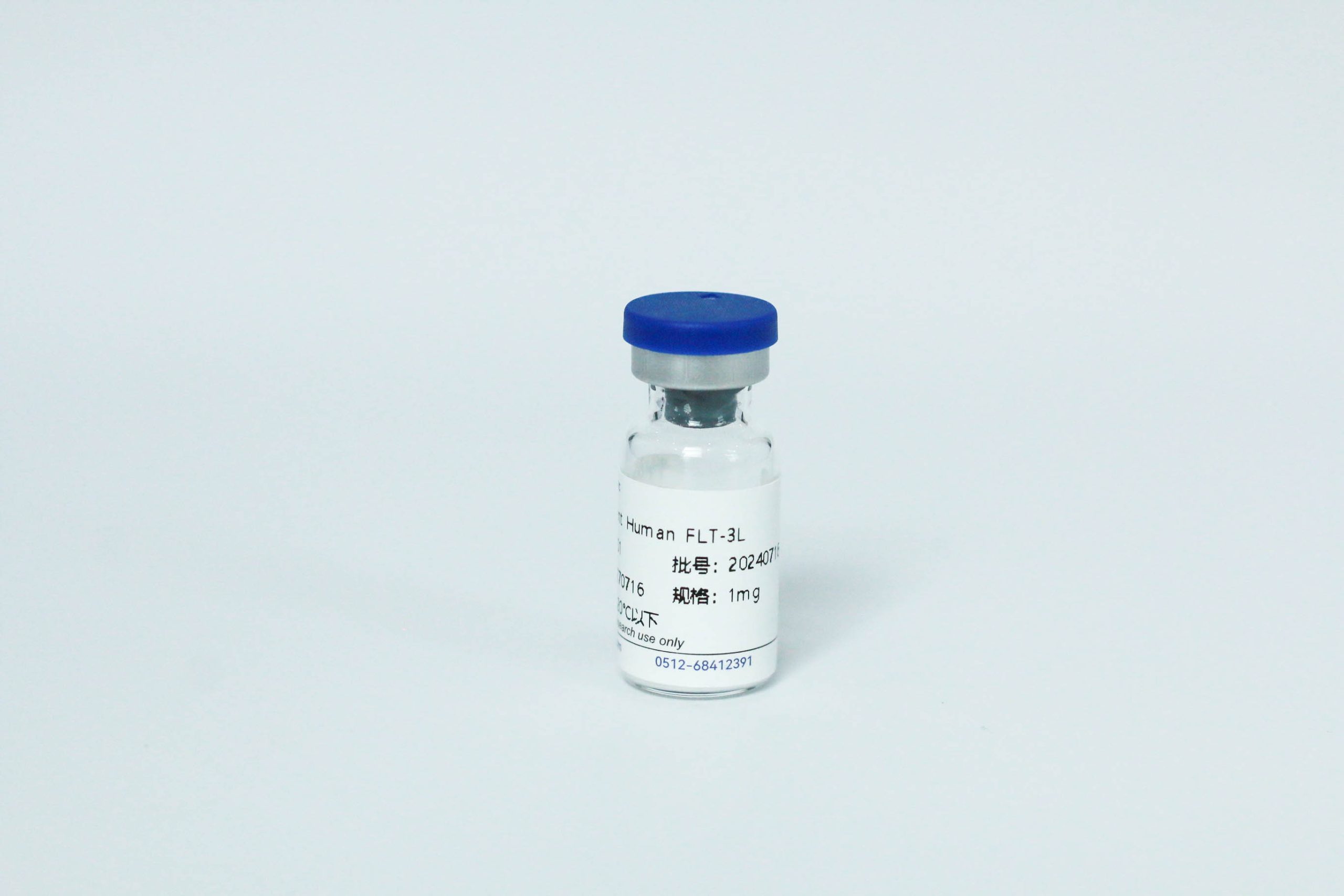
What is recombinant human transferrin used for?
The applications span most of modern biotechnology. Cell therapy manufacturing relies on recombinant human APO-transferrin to expand therapeutic cells safely. Vaccine production uses it to maintain optimal conditions for viral propagation. IVD diagnostics incorporate it for assay stability. Bioreactor optimization depends on consistent iron delivery to achieve reliable yields across production scales.
Why Serum-Free Systems Need Recombinant Human APO-Transferrin
The shift toward serum-free culture isn’t arbitrary. Regulatory agencies have pushed hard against animal-derived components because the risks are real. Bovine serum can carry prions, viruses, and mycoplasma. Even when screened, the possibility of contamination never fully disappears.
Recombinant human APO-transferrin eliminates this category of risk entirely. Produced in controlled expression systems, it contains no animal-derived material. This animal-origin free status simplifies regulatory submissions and removes a significant safety concern from the manufacturing process.
Beyond safety, consistency matters enormously at production scale. Plasma-derived transferrin varies between lots because plasma itself varies. Different donors, different collection times, different processing conditions all introduce variability. When you’re trying to manufacture a therapeutic product with tight specifications, that variability becomes a serious problem.
Recombinant production offers batch-to-batch consistency that plasma sources cannot match. Each lot comes from the same expression system, same purification process, same quality controls. This reproducibility translates directly into more predictable cell culture outcomes.
How does APO-transferrin enhance cell culture performance?
The enhancement comes from precision. Recombinant human APO-transferrin delivers iron efficiently without introducing unknown variables. For sensitive applications like stem cell culture or organoid development, this control is essential. These systems respond to small changes in their environment, and undefined components create noise that obscures results.
The protein supports robust proliferation while maintaining cellular function. Stem cells keep their differentiation potential. Organoids develop proper architecture. The iron delivery happens without the side effects that come from less controlled supplementation approaches.
Production Standards That Determine Quality
Making recombinant human APO-transferrin that actually performs requires more than just expressing the protein. The expression system matters. The purification strategy matters. The quality testing at the end matters most of all.
East-Mab Bio has invested over $30 million in building a platform specifically for recombinant protein production. The expression systems are selected for their ability to produce properly folded, functional protein. Transferrin has a complex structure with two iron-binding lobes, and getting that structure right determines whether the protein works.
Purification uses multiple chromatography steps to remove host cell proteins, DNA, and endotoxins. Each step adds cost but also adds purity. For biopharmaceutical applications, those purity levels aren’t optional. Endotoxin contamination alone can invalidate an entire production run.
Quality control testing verifies that each batch meets specifications for biological activity, structural integrity, and purity. This testing catches problems before they reach customers. The goal is recombinant human APO-transferrin that performs consistently across applications, from basic research to GMP manufacturing.
Regulatory Requirements and Market Direction
The regulatory landscape has grown more demanding over the past decade. FDA and EMA guidelines emphasize safety, purity, and traceability for biopharmaceutical raw materials. Recombinant human APO-transferrin must meet these standards to be useful in regulated manufacturing.
Documentation requirements have expanded significantly. Manufacturers need to demonstrate animal-origin free status with supporting evidence. Purity specifications must be validated with appropriate analytical methods. Traceability systems must track materials from production through delivery.
These requirements favor recombinant over plasma-derived sources. The controlled production environment of recombinant systems generates the documentation that regulators want to see. Plasma-derived products face inherent challenges in demonstrating the same level of control.
Market trends point toward continued growth in demand for recombinant human APO-transferrin. Cell therapy manufacturing is expanding rapidly. Cultivated meat development requires defined, scalable nutrient sources. Both applications need the safety and consistency that recombinant production provides.
Why choose recombinant over plasma-derived transferrin for critical applications?
The choice comes down to risk management. Plasma-derived transferrin carries inherent risks from its source material. Viruses, prions, and other adventitious agents can survive processing steps. Even with extensive testing, some risk remains.
Recombinant production eliminates these risks at the source. No animal material means no animal-derived contaminants. This safety advantage becomes decisive for therapeutic applications where patient safety is paramount.
Consistency provides the second major advantage. Recombinant human APO-transferrin shows minimal lot-to-lot variation because the production process is controlled. This consistency supports regulatory approval by demonstrating that the manufacturing process is robust and predictable.
East-Mab Bio Capabilities in Recombinant Protein Production
Jiangsu East-Mab Biomedical Technology Co., Ltd has focused on recombinant protein raw materials since 2016. The company serves global markets in IVD diagnostics, cell culture media, cell therapy, organoids, cosmetics, and cultivated meat.
The production platform handles the full range of recombinant proteins needed for these applications. Beyond recombinant human APO-transferrin, the portfolio includes FGFs and GFs that support diverse research and manufacturing needs. Each product benefits from the same rigorous production and quality control systems.
The investment in infrastructure reflects a commitment to meeting the growing demand for high-quality recombinant proteins. As applications expand and regulatory requirements tighten, the ability to deliver consistent, well-characterized proteins becomes increasingly valuable.
Working With East-Mab Bio
High-purity recombinant human APO-transferrin supports both research and production applications. East-Mab Bio’s technical team can discuss specific requirements and recommend appropriate products for particular applications.
Contact information: +86-400-998-0106 or [email protected]
Frequently Asked Questions About Recombinant Human APO-Transferrin
What are the advantages of using recombinant human APO-transferrin in cell culture?
Recombinant human APO-transferrin provides animal-origin free iron delivery, which eliminates viral safety concerns and simplifies regulatory submissions. The protein delivers iron consistently, supporting cell proliferation and viability in serum-free media. This defined composition reduces batch-to-batch variability, making cell culture processes more reproducible and easier to scale. For biopharmaceutical manufacturing, these advantages translate into more reliable production outcomes.
How does East-Mab ensure the quality and purity of its recombinant transferrin?
East-Mab Bio uses advanced expression systems optimized for producing properly folded, functional protein. Purification involves multiple chromatography steps to achieve high purity levels. Each batch undergoes quality control testing for biological activity, structural integrity, and endotoxin content. This systematic approach ensures that recombinant human APO-transferrin meets the specifications required for biopharmaceutical and diagnostic applications.
What regulatory considerations are important for recombinant human transferrin in biopharmaceutical applications?
Regulatory guidelines from FDA and EMA require demonstration of animal-origin free status, high purity, and batch-to-batch consistency. Documentation must support traceability throughout the supply chain. Safety testing must address potential contaminants including endotoxins and host cell proteins. East-Mab Bio designs its production and quality systems to generate the documentation needed for regulatory submissions.