Working with recombinant human anti-CD3 monoclonal antibodies feels a bit like holding a precision instrument that can either amplify or quiet the immune system depending on how you wield it. These antibodies target the CD3 complex directly, the signaling hub that tells T-cells when to activate. The applications stretch from oncology to autoimmune conditions, and the technology behind their production has matured enough that consistent, high-quality reagents are now within reach for most research programs.
How the CD3 Complex Drives T-Cell Signaling
The CD3 complex sits at the heart of T-cell receptor function. Five polypeptide chains make up this structure: CD3γ, CD3δ, CD3ε, and two copies of CD3ζ. Together, they associate with the TCRαβ heterodimer to form the complete receptor assembly on the T-cell surface. The epsilon chain carries particular weight here because it initiates the intracellular signaling cascade once an antigen binds.
When a recombinant human anti-CD3 monoclonal antibody engages this complex, it mimics what happens during natural antigen presentation. The receptor clusters, and phosphorylation of immunoreceptor tyrosine-based activation motifs (ITAMs) within the CD3 chains begins. ZAP-70 and other signaling molecules get recruited downstream. The result is T-cell proliferation, cytokine production, and effector function. This same mechanism can be tuned in reverse to suppress autoimmune activity rather than stimulate anti-tumor responses. The biology is elegant, but the practical challenge lies in controlling which direction the response takes.
Where Anti-CD3 Monoclonal Antibodies Fit in Current Immunotherapy
The versatility of recombinant human anti-CD3 monoclonal antibodies shows up most clearly in bispecific antibody design. These constructs bind both a tumor-associated antigen and the CD3 complex simultaneously, physically dragging T-cells into contact with cancer cells. The forced proximity triggers activation and tumor lysis without requiring traditional MHC presentation.
CAR T-cell therapy represents another major application. Anti-CD3 fragments get incorporated into chimeric antigen receptors, ensuring that T-cells signal properly when the CAR engages its target. The approach bypasses MHC restriction entirely, which matters for tumors that downregulate antigen presentation.
Autoimmune disease applications take the opposite tack. Here, recombinant human anti-CD3 monoclonal antibodies can induce T-cell anergy or depletion, aiming to reset immune tolerance. The shift toward multi-specific formats has helped address earlier problems with cytokine release syndrome, though managing that risk remains part of the clinical calculus.
| Application Area | Mechanism of Action | Examples |
|---|---|---|
| Cancer Immunotherapy | T-cell redirection, activation | Bispecific antibodies, CAR T-cells |
| Autoimmune Diseases | T-cell depletion, anergy induction | Immune reset, tolerance induction |
| Transplant Rejection | Immunosuppression | Prevention of graft rejection |
| Infectious Diseases | Enhanced T-cell response | Vaccine adjuvants, antiviral therapy |
What is the mechanism of action for anti-CD3 monoclonal antibodies in T-cell activation?
Recombinant human anti-CD3 monoclonal antibodies activate T-cells by binding the CD3 complex and inducing receptor clustering. This mimics natural antigen presentation and triggers intracellular signaling that leads to proliferation and cytokine production. Antibody affinity and isotype both influence the strength of the response, which in turn affects the likelihood of side effects like cytokine release syndrome.
Technical Considerations for Recombinant Anti-CD3 Production
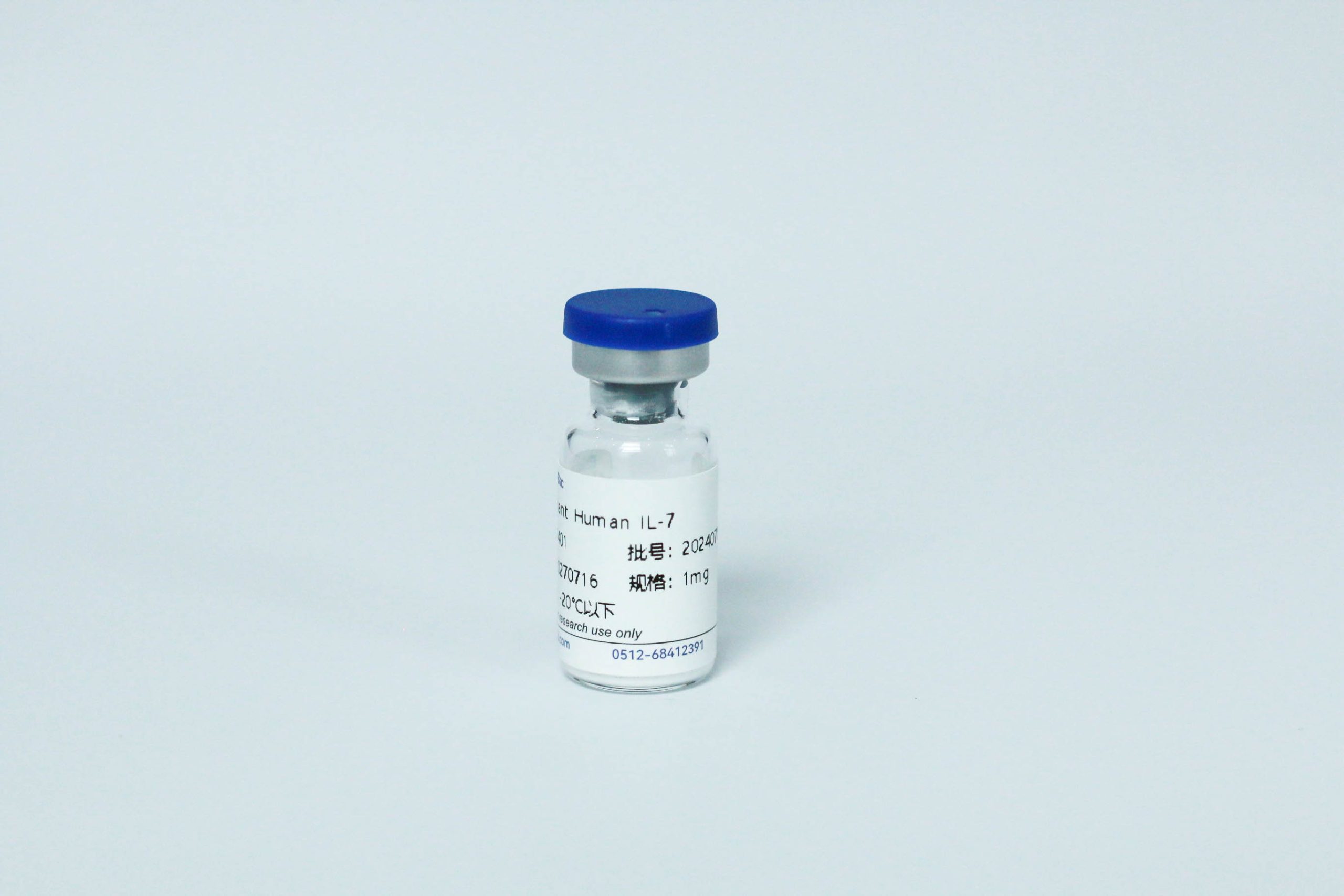
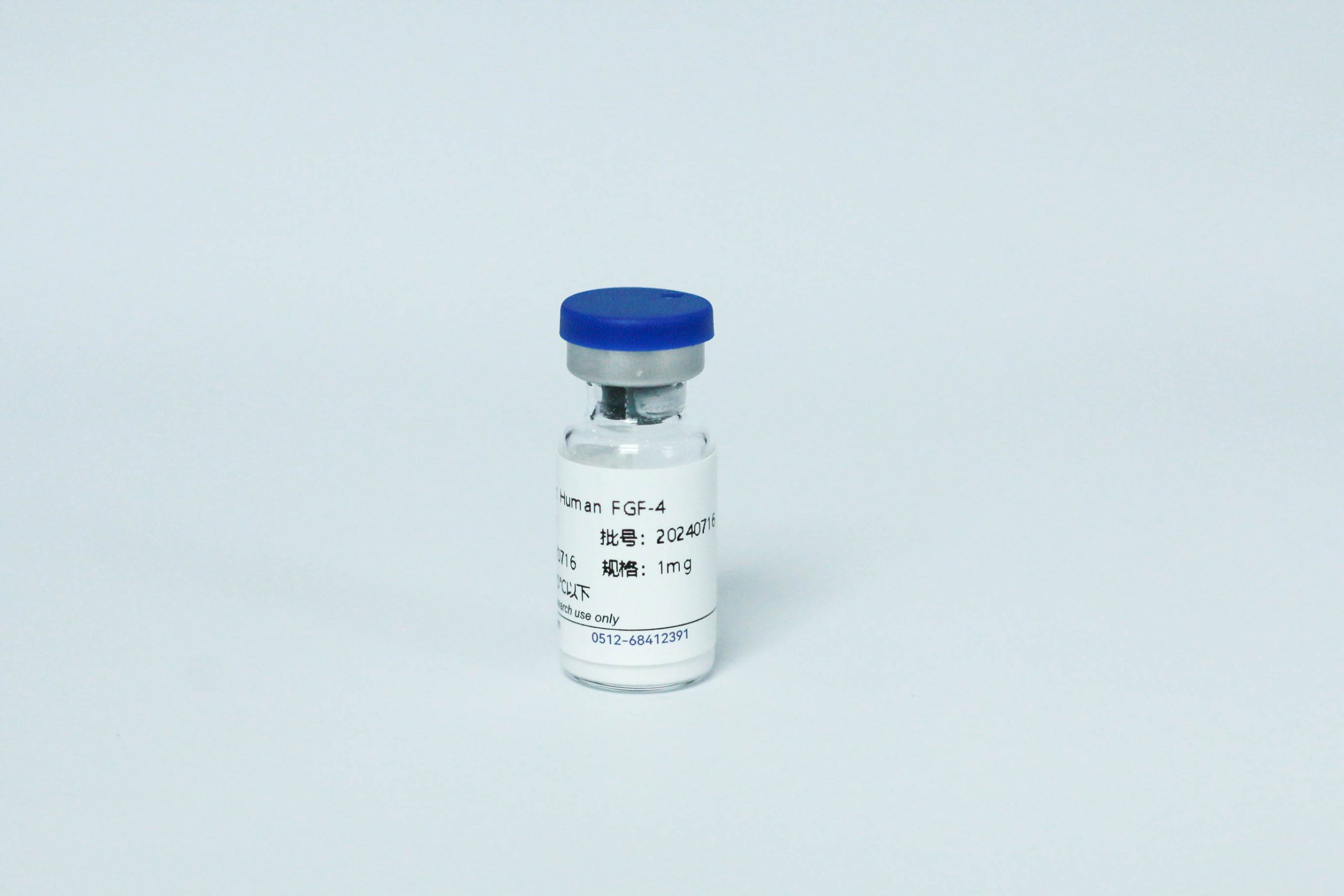
Producing high-quality recombinant human anti-CD3 monoclonal antibodies requires careful attention to expression systems and downstream processing. Mammalian cell platforms, particularly Chinese Hamster Ovary (CHO) cells, remain the standard for therapeutic-grade antibodies. CHO cells handle the complex post-translational modifications that determine proper folding and glycosylation. East-Mab uses CHO expression for products like Recombinant Human IL-2 and Recombinant Human IL-7, achieving the purity and bioactivity that functional assays demand.
Purification typically moves through affinity chromatography using Protein A or G, followed by ion-exchange and size-exclusion steps. Each stage removes host cell proteins, DNA, and aggregates. Critical quality attributes for the final product include purity, potency, aggregation levels, and endotoxin content. GMP manufacturing protocols ensure lot-to-lot consistency. Antibody engineering techniques can further optimize affinity, stability, and effector functions, though these modifications add complexity to the production workflow.
How do recombinant human anti-CD3 mAbs contribute to the development of novel immunotherapies?
These antibodies provide standardized reagents that reduce experimental variability across research programs. Consistent quality allows accurate assessment of therapeutic candidates in preclinical work. As biopharmaceutical raw materials, they support product safety and efficacy through clinical development. The reliability matters most when building bispecific antibodies or cell-based therapies, where any inconsistency in the anti-CD3 component can confound results.
Quality Control Standards That Actually Matter
Purity and potency testing for recombinant human anti-CD3 monoclonal antibodies follows a predictable but essential pattern. SDS-PAGE confirms molecular weight and purity. SEC-HPLC detects aggregates that could reduce activity or trigger immunogenicity. Mass spectrometry verifies primary structure.
Functional assays carry the most weight because they confirm biological activity directly. A bioassay measuring T-cell proliferation or cytokine release tells you whether the antibody will perform as expected in downstream applications. Minor impurities can skew results or compromise cell viability, which is why endotoxin testing remains non-negotiable. East-Mab maintains these standards across IVD diagnostic proteins and cell culture proteins, following international guidelines for both research-grade and pharmaceutical-grade materials.
| QC Assay | Purpose | Key Metric |
|---|---|---|
| SDS-PAGE | Purity, molecular weight | % Purity |
| SEC-HPLC | Aggregation | % Monomer |
| Endotoxin Test | Contaminant level | EU/mg |
| Bioassay | Functional activity, potency | ED₅₀, EC₅₀ |
| ELISA | Specificity, binding affinity | Kd value |
What are the critical quality attributes for a research-grade anti-CD3 antibody?
Purity above 95% ensures that observed effects come from the antibody itself rather than contaminants. Low endotoxin levels prevent non-specific immune activation in cell-based assays. Minimal aggregation preserves activity and reduces immunogenicity risk. Confirmed specificity means the antibody binds only its intended target. Demonstrated functional activity in T-cell activation assays validates biological efficacy.
Building a Reliable Supply Chain for Anti-CD3 Reagents
Sourcing recombinant human anti-CD3 monoclonal antibodies strategically becomes more important as biopharmaceutical demand grows. Production capacity, technical support, and supply chain resilience all factor into supplier selection. A bottleneck in antibody supply can stall research programs for months.
Cost matters, but not at the expense of quality. Transparent pricing and flexible batch sizes help accommodate different project stages, from early discovery through clinical manufacturing. Technical support adds value when troubleshooting application-specific issues. East-Mab has invested significantly in recombinant protein research and production infrastructure, positioning the company to support drug discovery and therapeutic antibody production with consistent, high-quality cell culture proteins and IVD diagnostic proteins.
What the Next Few Years Might Bring
The trajectory for recombinant human anti-CD3 monoclonal antibody research points toward increasingly complex antibody formats. Trispecific and higher-order multispecific constructs are already in development, designed to engage multiple targets for enhanced therapeutic effects. Combination therapies that pair anti-CD3 mAbs with other immunomodulators or conventional treatments aim to overcome resistance mechanisms.
Personalized medicine approaches are gaining ground, with therapies tailored to individual genetic and immunological profiles. Machine learning tools are beginning to accelerate antibody discovery by predicting optimal sequences and binding site configurations. Antibody-drug conjugates using anti-CD3 targeting represent another active research area, offering a path toward more selective drug delivery.
Partner with East-Mab for Your Immunotherapy Needs
East-Mab Biomedical Technology provides high-quality recombinant protein raw materials to support immunotherapy research and development. Our production platform delivers highly pure and potent antibodies for cell therapy, IVD diagnostics, and pharmaceutical applications.
Email: [email protected]
Phone: +86-400-998-0106