
We recognize the critical role of Natural Killer (NK) cells in immunotherapy. Culturing these potent immune cells well is paramount for both research and clinical applications. From our experience with recombinant proteins, we’ve learned how small choices shape NK cell expansion and preserve therapeutic efficacy. Here we share the strategies and components that make NK cell culture succeed, from core biology and cytokines to media, protocols, scale-up, common pitfalls, and where innovation is heading.
Understanding Natural Killer Cells and Their Therapeutic Potential
Natural Killer (NK) cells are vital components of the innate immune system. They provide rapid responses to virally infected cells and tumor cells. Unlike T cells, NK cells do not require prior sensitization or MHC-restricted antigen presentation for activation. This characteristic makes them attractive candidates for adoptive cell therapies. NK cell function involves direct cytotoxicity through granule exocytosis and antibody-dependent cell-mediated cytotoxicity (ADCC). They also secrete various cytokines, modulating other immune cells.
The therapeutic potential of NK cells is significant, particularly in oncology. Adoptive transfer of ex vivo expanded NK cells has shown promise in treating various cancers. These therapies leverage NK cells’ inherent ability to recognize and eliminate malignant cells. Furthermore, genetic engineering approaches are enhancing NK cell specificity and persistence. This includes the development of chimeric antigen receptor (CAR)-NK cells. The goal is to improve targeting of specific tumor antigens.
Key Components for Successful NK Cell Culture and Expansion
Effective NK cell culture and expansion rely on a precise combination of factors. These include specialized media, critical cytokines, and appropriate culture conditions. Optimizing these components ensures robust proliferation and preserves NK cell functionality. We focus on developing high-quality raw materials to support these demanding processes.
1. Critical Cytokines and Growth Factors for NK Cell Proliferation
Cytokines are indispensable for NK cell survival, proliferation, and activation in vitro. Interleukin-2 (IL-2) is a well-established cytokine for NK cell expansion. It promotes the proliferation of both NK and T cells. However, high doses of IL-2 can also activate regulatory T cells. Interleukin-15 (IL-15) is another crucial cytokine. It selectively stimulates NK cell proliferation and enhances their cytotoxic activity. IL-15 does not induce regulatory T cells, making it a preferred choice for many protocols. Interleukin-21 (IL-21) further enhances NK cell proliferation and effector functions. It often acts synergistically with IL-2 or IL-15.
East-Mab provides high-purity recombinant human cytokines essential for NK cell culture. Our Recombinant Human IL-2 is CHO expressed, 15.4 kDa, with ≥95% purity and bioactivity ≥1 x 10⁷ IU/mg. Similarly, our Recombinant Human IL-15, also CHO expressed, is 12.7 kDa, ≥95% pure, with an ED₅₀ ≤0.1 ng/mL. These products ensure consistent and reliable NK cell expansion.
| Product Name | Expression System | Molecular Weight | Purity | Bioactivity/ED₅₀ | Application |
|---|---|---|---|---|---|
| Recombinant Human IL-2 | CHO | 15.4 kDa | ≥95% | ≥1 x 10⁷ IU/mg | T-Cell Growth Factor |
| Recombinant Human IL-15 | CHO | 12.7 kDa | ≥95% | ≤0.1 ng/mL | Cytokine |
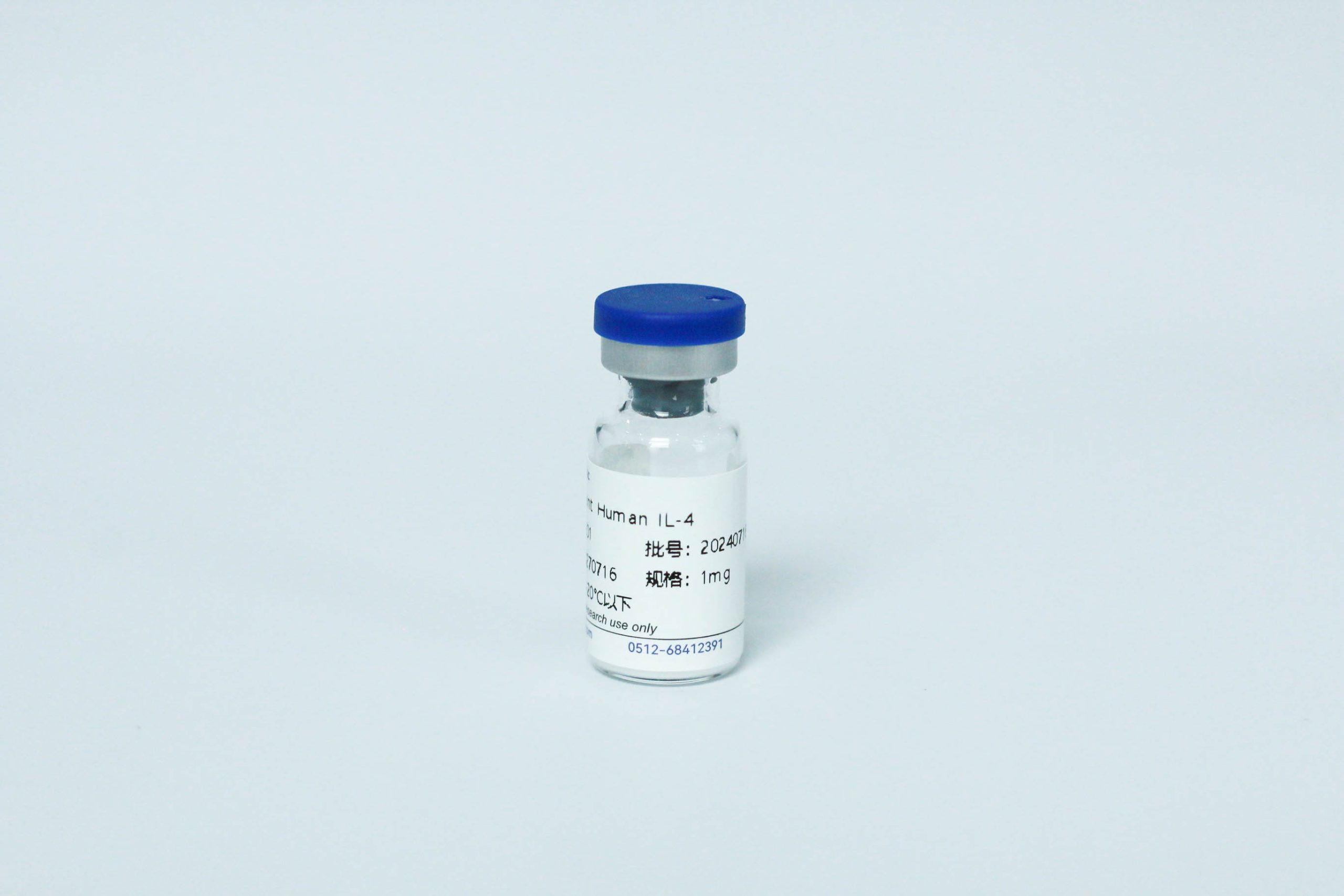
| Recombinant Human IL-4 | CHO | 15 kDa | ≥95% | ≤ 0.2 ng/mL | B-Cell Stimulatory Factor |
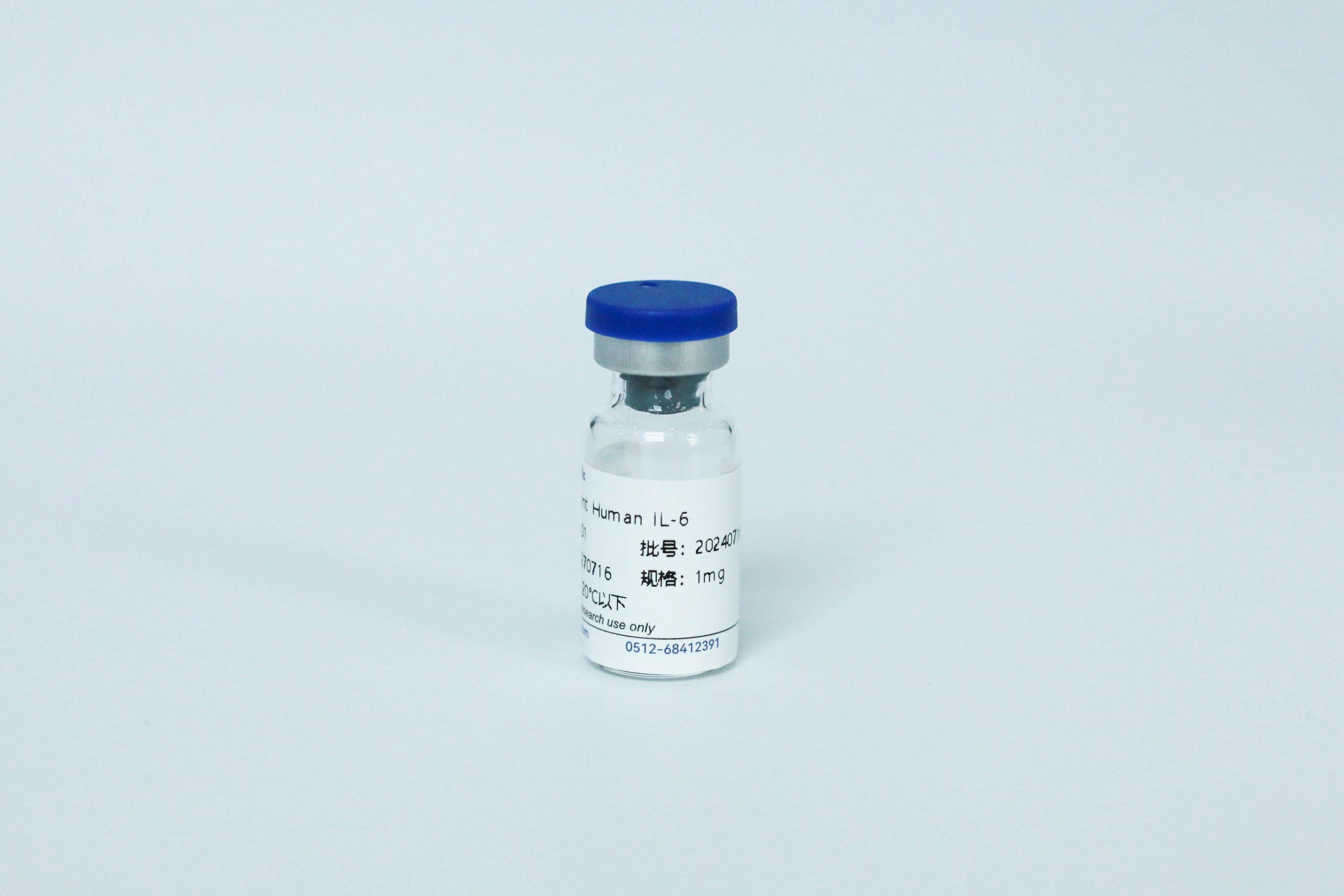
| Recombinant Human IL-6 | CHO | 20.8 kDa | ≥95% | 0.2-1 ng/mL | Cytokine |
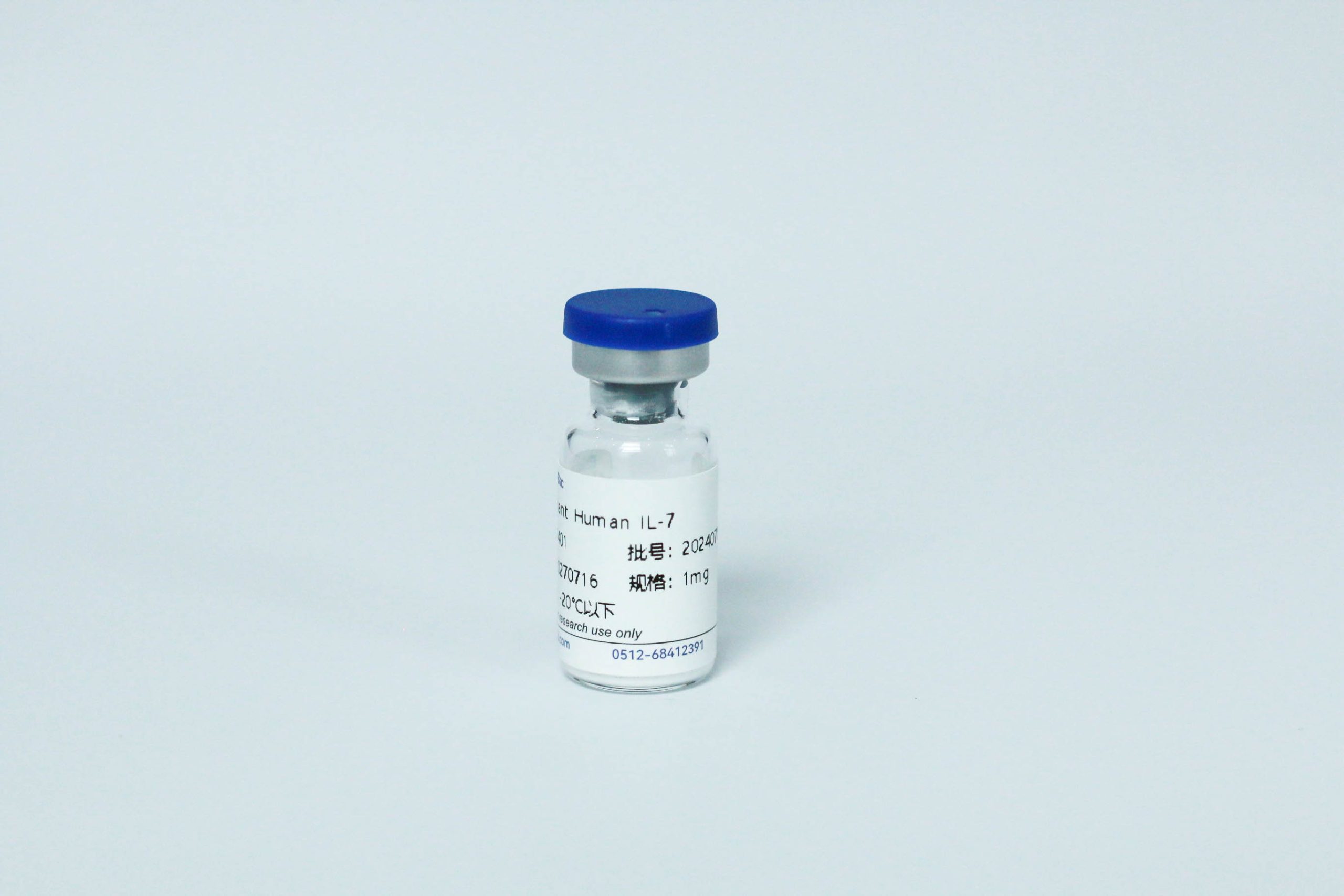
| Recombinant Human IL-7 | CHO | 17.3 kDa | ≥95% | ≤30 ng/mL | Cytokine |
2. Advanced Media Formulations and Supplements
The choice of cell culture media significantly impacts NK cell growth and function. Serum-free media eliminate variability associated with fetal bovine serum. They also reduce the risk of xenogeneic contamination. Xeno-free conditions further remove animal-derived components, enhancing safety for clinical applications. Specialized media formulations often include additional supplements like human serum albumin or chemically defined lipids. These components support optimal cell viability and proliferation. We offer custom protein solutions to meet unique media formulation requirements. This ensures compatibility with diverse research and therapeutic goals.
Protocols and Methodologies for Efficient NK Cell Expansion
Successful NK cell expansion requires meticulous adherence to established protocols. These methodologies encompass cell isolation, activation, and large-scale culture techniques. Our focus on high-quality recombinant protein raw materials supports the reliability and reproducibility of these processes.
1. Isolation and Activation Strategies for Primary NK Cells
Primary NK cells are typically isolated from peripheral blood mononuclear cells (PBMCs). Common isolation methods include density gradient centrifugation followed by immunomagnetic selection. This targets CD56+ NK cells. Once isolated, NK cells require activation to induce proliferation and enhance cytotoxicity. Feeder-dependent systems utilize irradiated cells, such as K562 cells genetically modified to express co-stimulatory molecules (e.g., 4-1BBL). These feeder cells provide essential signals for robust NK cell expansion. Feeder-free systems, conversely, rely on high concentrations of recombinant cytokines and specific media formulations. They bypass the need for feeder cells, simplifying downstream processing.
2. Scaling Up NK Cell Production for Clinical Applications
Scaling up NK cell production for clinical use demands stringent controls and specialized equipment. Bioreactor systems enable large-volume, controlled expansion of NK cells. This ensures consistent cell quality and quantity. Closed system expansion protocols minimize contamination risks. They also facilitate compliance with Good Manufacturing Practice (GMP) guidelines. Aseptic processing is critical throughout the entire manufacturing workflow. Quality control measures, including flow cytometry for purity and viability, and cytotoxicity assays, are essential. These ensure the final product meets therapeutic specifications. East-Mab’s recombinant proteins adhere to rigorous quality standards, supporting GMP-compliant manufacturing.
Addressing Common Challenges in NK Cell Culture
Culturing NK cells presents several challenges that require careful management. Maintaining high purity and viability throughout expansion is crucial. Contamination, particularly mycoplasma, can severely compromise cell cultures. Regular testing and strict aseptic techniques are essential preventive measures. Enhancing NK cell cytotoxicity in vitro is another key objective. This often involves optimizing cytokine cocktails and culture duration. Phenotypic stability must also be monitored. This ensures NK cells retain their desired characteristics and effector functions. Troubleshooting common issues, such as low expansion rates or reduced viability, often involves reviewing media components and culture conditions.
Future Directions and Innovations in NK Cell Culture
The field of NK cell therapy is rapidly evolving, driven by continuous innovation in culture techniques and genetic engineering. Novel NK cell culture technologies aim to further optimize expansion rates and enhance effector functions. This includes developing artificial antigen-presenting cells (aAPCs) and advanced bioreactor designs. Gene-edited NK cells, utilizing technologies like CRISPR, hold promise for improving targeting specificity and persistence. For example, CAR-NK cells are engineered to express chimeric antigen receptors. These receptors enable precise targeting of tumor-associated antigens. Recombinant proteins will remain central to these next-generation cell therapies. They provide the necessary biological cues for guiding NK cell development and function. East-Mab is actively engaged in supporting these advancements through our research and development capabilities.
Explore East-Mab’s Recombinant Protein Solutions
Explore East-Mab’s extensive catalog of high-quality recombinant proteins, essential for optimizing your NK cell culture and advancing your research and therapeutic development. Contact us today to discuss your specific raw material needs and how our expertise can support your projects.
Email: [email protected]
Phone: +86-400-998-0106
FAQs
What are the primary challenges in culturing NK cells for therapeutic applications?
Key challenges include achieving sufficient cell numbers, maintaining high purity and viability, ensuring consistent functionality (cytotoxicity), and scaling up production under GMP conditions. East-Mab provides high-quality recombinant proteins that contribute to overcoming these challenges by ensuring optimal growth conditions.
How do recombinant proteins contribute to successful NK cell expansion?
Recombinant proteins, particularly cytokines like IL-2, IL-15, and IL-21, are crucial for stimulating NK cell proliferation, activation, and survival in vitro. They mimic natural signaling molecules, driving the expansion of functional NK cells. East-Mab specializes in producing high-purity recombinant proteins vital for these processes.
What is the difference between feeder-dependent and feeder-free NK cell culture systems?
Feeder-dependent systems use irradiated cells (e.g., K562 cells) to provide necessary growth factors and costimulatory signals. Feeder-free systems rely solely on defined media components, including recombinant cytokines and growth factors, offering advantages in terms of scalability, consistency, and regulatory compliance for clinical applications. East-Mab’s recombinant proteins are ideal for developing robust feeder-free systems.
Why is GMP-grade raw material important for NK cell culture in clinical settings?
GMP (Good Manufacturing Practice) grade raw materials ensure the highest standards of quality, purity, and consistency, which are critical for cell therapy products intended for human use. Using GMP-grade recombinant proteins minimizes risks of contamination and variability, ensuring patient safety and regulatory approval. East-Mab is committed to providing high-quality raw materials suitable for clinical development.
