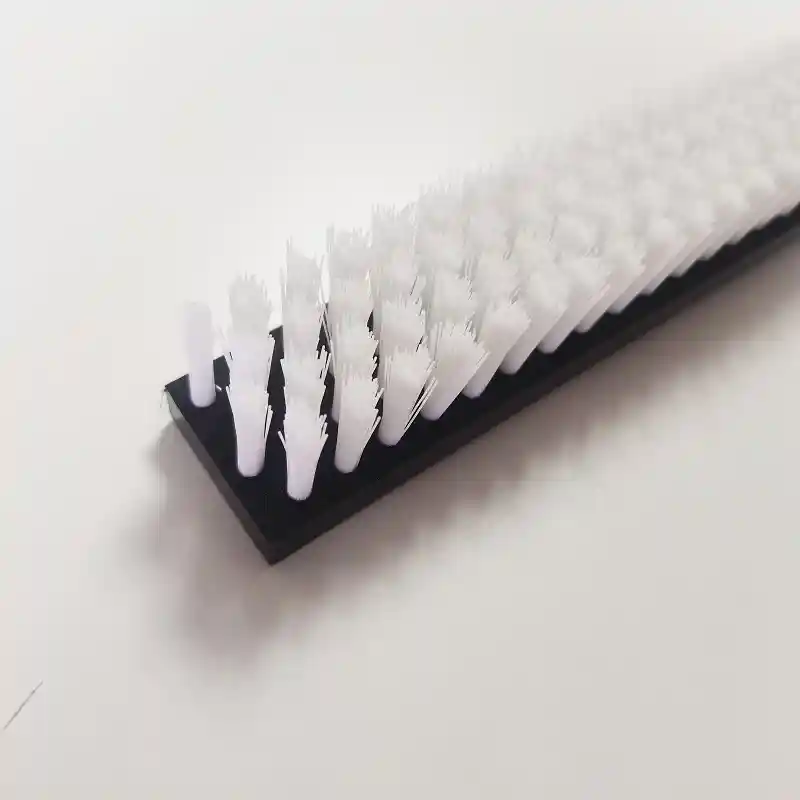

Sheet metal fabrication demands precision at every stage, and laser cutting is no exception. The problem is that even the most accurate cut means nothing if the material arrives at the next station scratched or marred. I’ve seen shops lose entire batches to surface damage that could have been prevented with proper support. Brush tables solve this problem directly—they cradle the workpiece on thousands of flexible bristles, eliminating the hard contact points that cause scratches in the first place.
Surface Damage Costs More Than Most Shops Realize
Unprotected sheet metal during laser cutting faces multiple threats to workpiece quality. Heat and mechanical forces cause material distortion and dross formation, but surface damage often proves the most expensive problem to fix. Scratches and marring on the surface finish typically require rework or outright rejection, both of which hit production costs hard.
Industry data suggests that 10-15% of sheet metal material ends up as waste in unprotected cutting environments due to surface defects alone. That percentage translates directly into lost profit. Maintaining material integrity through proper quality control prevents these manufacturing defects before they happen. High scrap material rates erode margins and frustrate customers who expect consistent quality. Addressing surface protection at the source costs far less than fixing problems after the fact.
## The Mechanics Behind Scratch-Free Cutting
Brush table systems provide optimal material support through a straightforward but effective design. A dense array of individual bristles cradles the workpiece, minimizing contact points and eliminating the conditions that cause scratches and marring. The soft brush material—typically nylon or polypropylene—keeps metal surfaces away from hard, abrasive contact.
The flexible bristle density also functions as a natural vibration dampening system. This stability matters for maintaining laser beam stability and achieving precise cuts. Reduced vibration helps control cutting parameters and limits heat affected zone issues. Even support across the entire sheet prevents warping and keeps the workpiece flat, which precision cutting in automated laser systems absolutely requires. The result is improved cutting quality and smoother material handling throughout the process.
Matching Brush Materials to Specific Metals
Selecting the correct brush material determines how well the system protects different sheet metals. Each metal has its own hardness and surface sensitivity, and the brush bristle types need to match.
| Sheet Metal Type | Recommended Brush Material | Key Properties |
|---|---|---|
| Stainless Steel | Polyamide (Nylon) | High durability, good heat resistance |
| Aluminum | Natural Fiber (e.g., Horsehair) | Soft, non-abrasive, ideal for delicate surfaces |
| Mild Steel | Polypropylene | General purpose, cost-effective |
| Galvanized Steel | Polyamide (Nylon) | Resists chemicals, durable |
| Copper & Brass | Natural Fiber / Soft Nylon | Prevents surface damage on softer alloys |
Polyamide brushes work best for stainless steel and galvanized steel because they offer excellent durability and heat resistance. Delicate materials like aluminum, copper, and brass need natural fiber brushes or softer nylon bristles to prevent marring on their more sensitive surfaces.
Keeping Brush Tables Performing at Their Best
Consistent brush table performance depends on regular maintenance. Brush wear accumulates over time, and a structured maintenance schedule keeps operational efficiency where it should be.
- Clean bristles regularly to remove debris and metal particles that accumulate during cutting.
- Rotate brush segments periodically so brush wear distributes evenly across the surface.
- Replace worn segments promptly to maintain uniform material support.
These practices extend brush table lifespan and improve cost-effectiveness over the long term. Preventative maintenance reduces unexpected downtime and keeps laser-cut parts meeting quality standards.
Selecting a Brush Table That Fits Your Operation
Choosing the right brush table requires evaluating several factors specific to your facility. Procurement and engineering teams should start with laser machine compatibility—the brush table dimensions and mounting must match your equipment. The typical material thickness and sheet size you process will dictate the required bristle height and load capacity.
Various brush table design options exist, including modular systems that adapt to different configurations. Customization options address unique setups that standard products don’t cover. Running an ROI calculation on a brush table investment typically reveals significant long-term savings from reduced rework and material waste. As an experienced industrial brush supplier and China brush manufacturer, we provide technical support throughout the selection process. Our ODM/OEM service ensures the final product fits your specific requirements exactly.
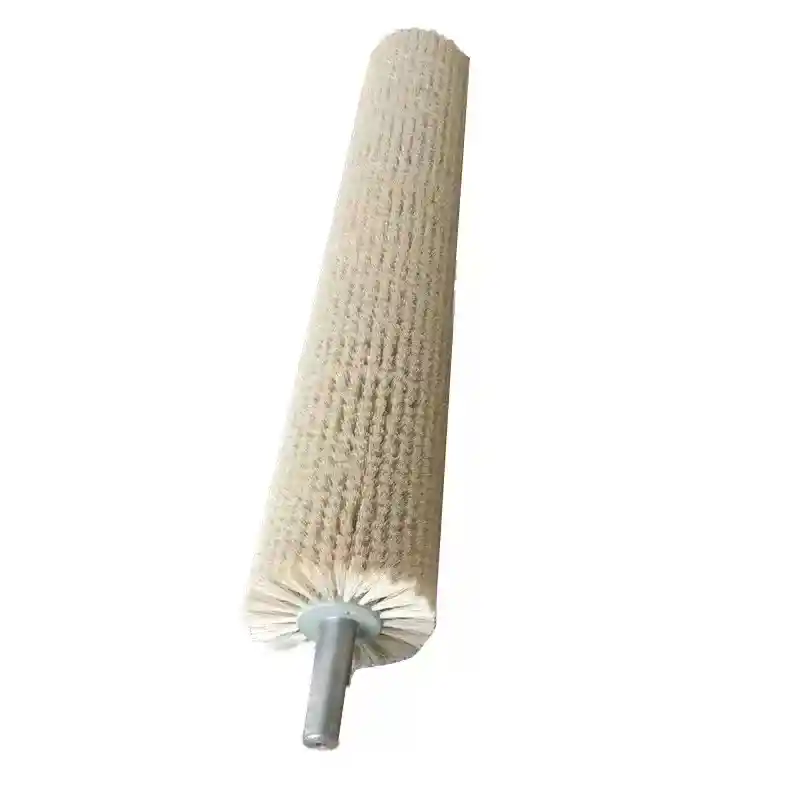
!Cylindrical Brush
 ## Brush Tables Deliver More Than Scratch Prevention
Scratch prevention drives most brush table purchases, but the systems deliver broader advantages across manufacturing environments. They improve operator safety by providing a stable, non-slip surface for material placement and removal. The brushes absorb impact, reducing injury risk during material handling operations.
Brush tables also contribute to noise reduction in the workshop. Soft bristles dampen vibrations, creating a quieter workplace environment. Effective dust collection and debris management improve as well—bristles help contain small particles, leading to improved air quality and less cleanup time.
These combined benefits translate into higher production line efficiency and reduced downtime. One fabrication shop that implemented brush tables reported a 15% increase in overall efficiency along with noticeable improvements in workplace environment cleanliness. Those gains compound into long-term savings and enhanced manufacturing efficiency.
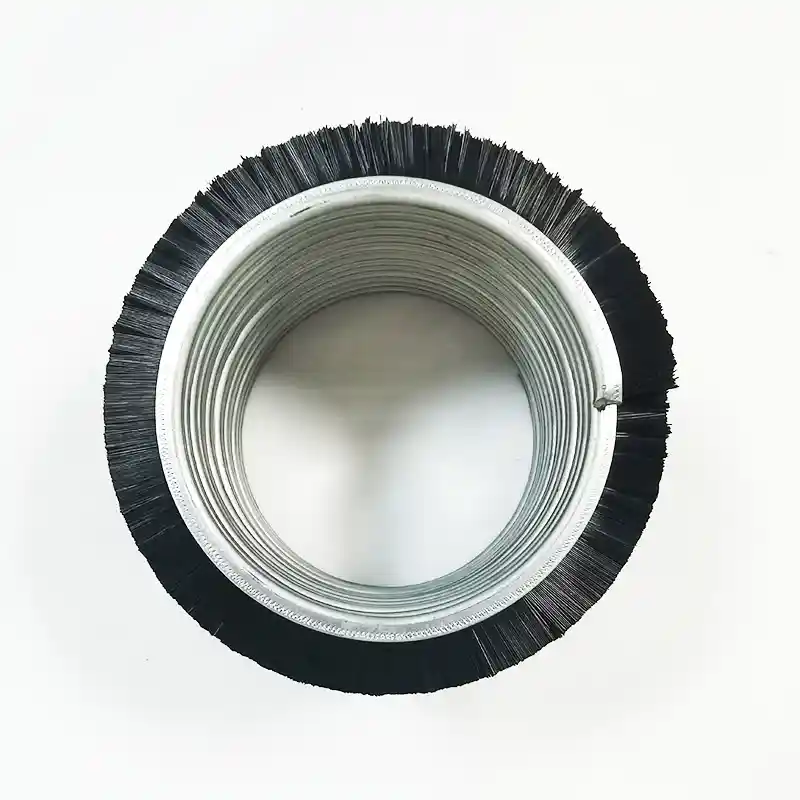
!Spiral Brush
 ## When Standard Solutions Fall Short
Every industrial laser cutting operation has unique requirements. Standard brush table solutions sometimes don’t work for specific machine models, specialized material types, or high-volume production demands. Customized brushes and industrial brush solutions fill these gaps.
Large format laser cutting and heavy-duty applications often need specialized bristle configurations and more robust designs than off-the-shelf products provide. Shanghai Huixi Trading Co., Ltd. excels at providing bespoke solutions. With 16 years of production experience, our ODM/OEM service allows us to design and manufacture brush tables precisely to customer specifications. Professional technical consultation ensures the optimal brush system for each application. Working with a reliable brush supplier guarantees the quality and performance your operation needs.
 ## Optimize Your Laser Cutting Process with Huixi Brush
Elevate your laser cutting precision and protect your valuable sheet metal with Huixi Brush’s expertly engineered brush table solutions. With 16 years of manufacturing excellence and a global reputation for quality, we provide customized, durable, and cost-effective brush systems tailored to your exact industrial needs. Contact Shanghai Huixi Trading Co., Ltd. today for professional technical support, ODM/OEM services, and a competitive quote to optimize your fabrication process. Reach us at +86 1580 0932 713 or [email protected].
Frequently Asked Questions About Laser Cutting Brush Tables
What types of sheet metal can brush tables protect during laser cutting?
Brush table systems protect a wide range of sheet metals effectively. Stainless steel, aluminum, mild steel, galvanized steel, copper, and brass all benefit from proper brush support. The key is selecting the appropriate brush material and bristle density for each metal’s hardness and surface sensitivity. Getting this match right ensures optimal scratch prevention without compromising cutting quality.
How often should brush table bristles be replaced for optimal performance?
Bristle replacement frequency varies based on the type and thickness of sheet metal, cutting volume, laser power, and the specific brush material in use. Regular inspection for brush wear provides the best guidance. Many industrial users find that rotating or replacing segments every 3-6 months under heavy use—or annually for lighter operations—maintains consistent material support and scratch-free results while keeping cost-effectiveness in check.
Can Huixi Brush customize brush tables for unique laser cutting machines?
Yes. Shanghai Huixi Trading Co., Ltd. specializes in customized brushes and industrial brush solutions. Our ODM/OEM service covers the design and manufacture of brush table systems tailored precisely to specific laser cutting machine models, bed dimensions, material handling requirements, and production environments. Professional technical support ensures a perfect fit and optimal performance for each unique operation.
If you’re interested, check out these related articles:
brass brushes work perfectly for pipe cleaning
advantage of hx boiler tube brush
descaling spiral brush an innovative tool and generalist in the field of industrial cleaning