Jewelry store scent marketing works best when the fragrance is treated as part of the selling environment rather than an added layer. A jewelry showroom is small, quiet, and full of surfaces that hold scent: velvet, wood, display glass, and packaging. That changes how the fragrance should be chosen, placed, and scheduled. I have designed fragrance programs for compact retail spaces where a diffuser setup that fits a hotel lobby becomes wrong within the first week. The target is not a stronger scent. It is a scent that stays close to the jewelry case and gives the customer a quiet sense of quality while they lean in to inspect a piece.
Jewelry Store Scent Marketing Starts With the Room
Most jewelry showrooms are smaller than the average hotel lobby and move less air. That matters because fragrance does not disappear when the diffuser stops. It settles into carpet, velvet trays, curtains, and even the paper in branded packaging. In a room with no open windows and only intermittent door movement, the same oil concentration can build for days. I have entered jewelry stores that smelled like a single note had been poured into the carpet, not diffused. The store owner often had selected a machine based on square footage only and never considered air volume and saturation.
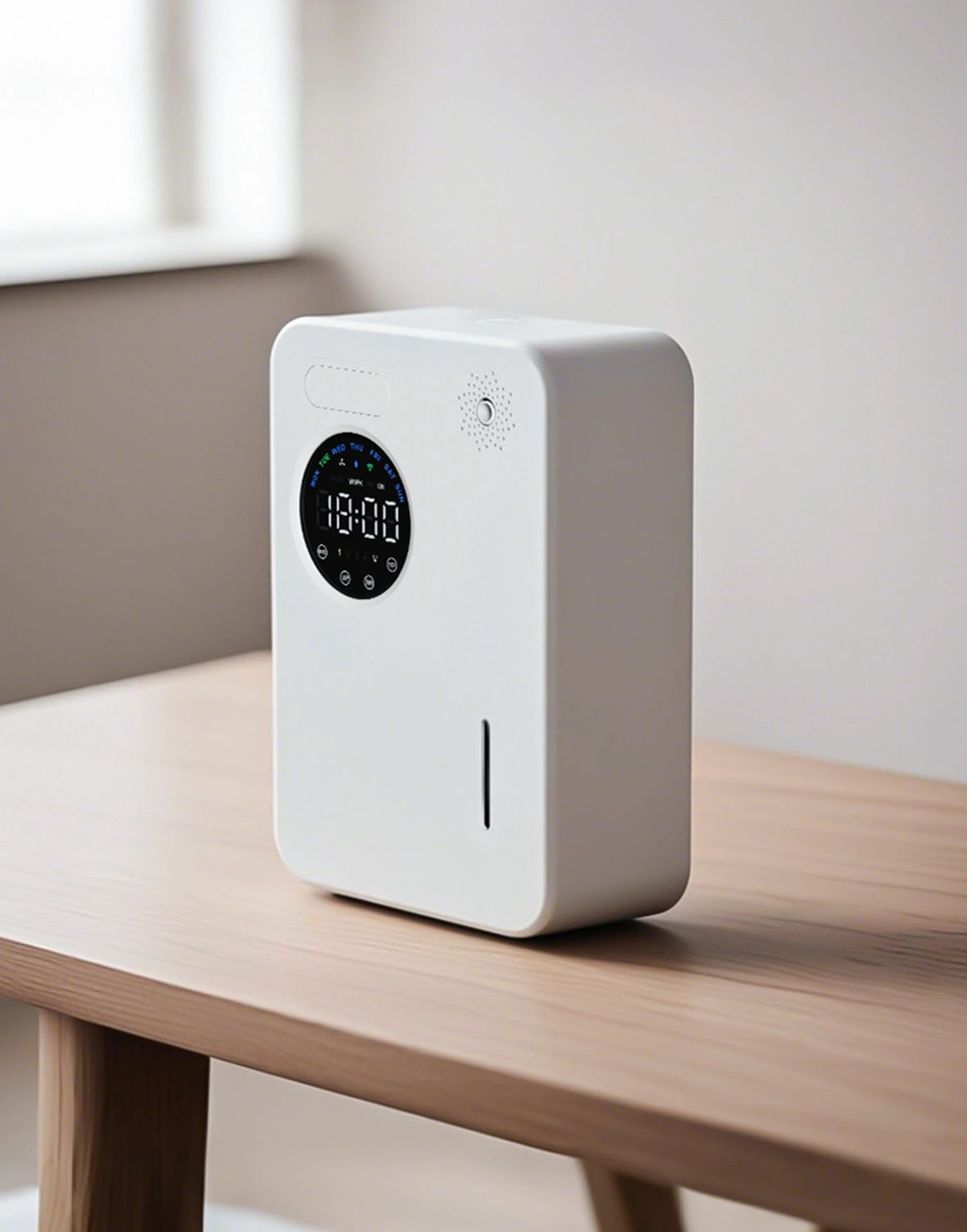 Start with three measurements: floor area, ceiling height, and the location of return air or air conditioning. A 60 square meter showroom with 2.9 meter ceilings has about 174 cubic meters of air. A commercial diffuser rated for 300 cubic meters will still work, but it needs a low output setting and may still oversaturate a closed space by the third hour. We often specify a smaller wall mount diffuser for the entry zone and let the HVAC system carry the scent toward the back wall.
Fragrance Choice Changes How Customers Read the Jewelry
A jewelry store is not a spa. The fragrance should carry a sense of order, not send a customer on a daydream. Lighter notes work well on the open sales floor, while heavier wood and amber notes belong in the private viewing area. The table below is how I separate scent directions for metal, stone, and watch displays.
| Scent direction | Effect in a jewelry showroom | Best position |
|---|---|---|
| Light floral, white tea | Feels clean, lets platinum and silver stay sharp | Main display floor |
| Dry wood, iris | Adds weight for longer consultations | Private viewing room |
| Citrus, green | Brightens entry but can turn bitter near warm display lighting | Entry zone only |
| Musk, amber | Softens the room but needs low output around enclosed cases | Bridal suite |
Waterless diffusion matters more in a jewelry store than in most retail categories. Ultrasonic mist can add moisture to the air, and over weeks that moisture moves toward watch gaskets, silk satin, and enamel details. Cold air diffusion keeps the oil in the vapor stream without adding water, which is why we lean on dry diffusion for high-value retail environments. The 300 plus fragrance types in our library become a search problem if the brief is only a mood word. We narrow by two questions: how enclosed is the case area, and what is the first material the customer will touch after smelling the scent.
Diffuser Placement Decides Whether the Scent Feels Natural
Most placement errors come from treating the diffuser as a visual accessory. A unit above the display case drops fragrance onto the glass, where it builds into a flat note every time the customer leans in. Better placement moves the scent into the walkway before the buyer reaches the case. We usually put one wall mount unit near the entrance and another near the rear consultation desk, aimed along the circulation path rather than at the merchandise.
| Model | Coverage | Power source | Best use in a jewelry store |
|---|---|---|---|
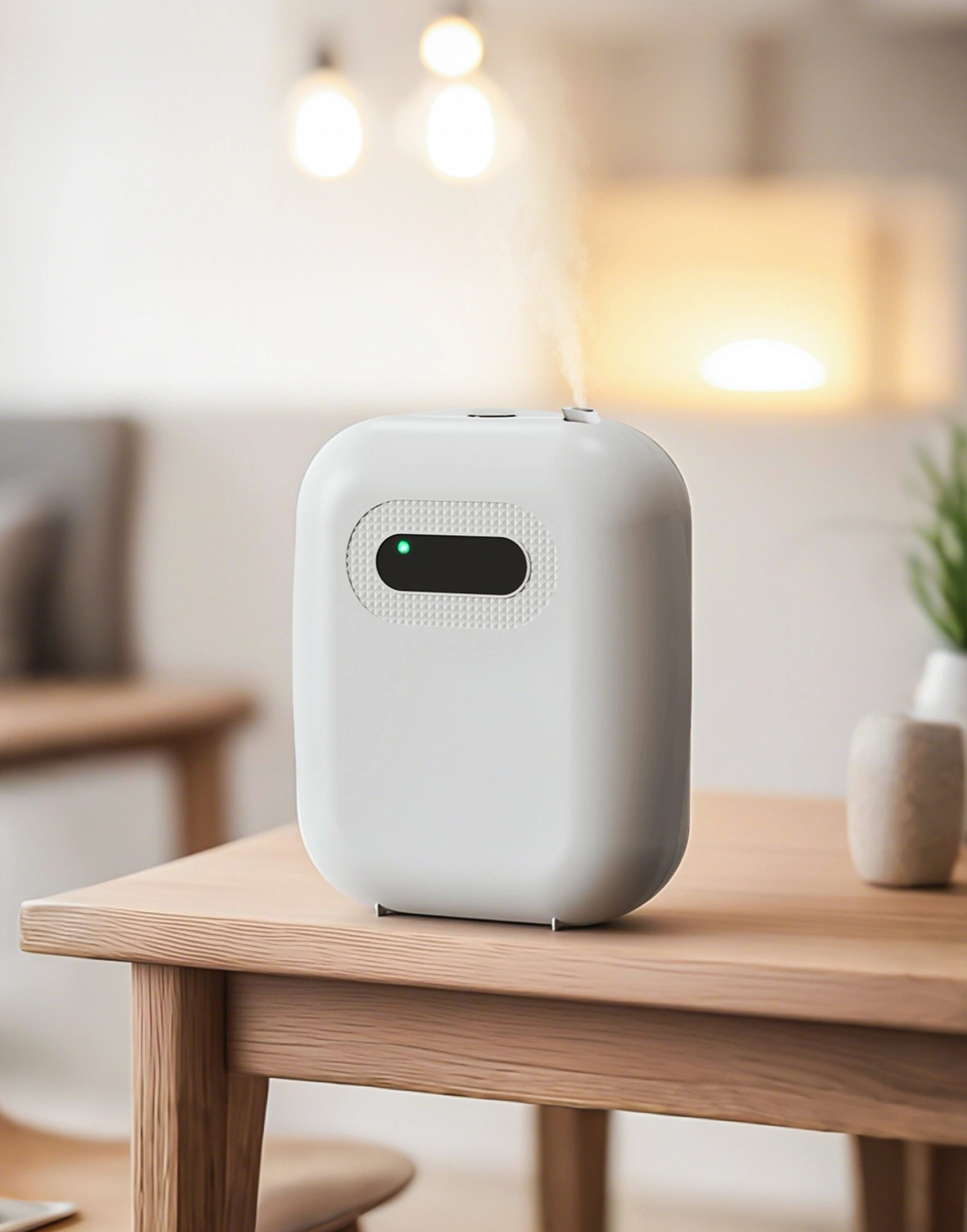
| Battery Aroma Oil Dispenser Wall Mount Diffuser | 200m³ (750 sq ft) | 3 x D batteries or 5V Type-C | Entry zone or long wall with limited outlets |
| Commercial Scent Oil Diffuser (Bluetooth APP) | 300m³ (1,000 sq ft) | DC12V 1A | Main sales floor with app scheduling |
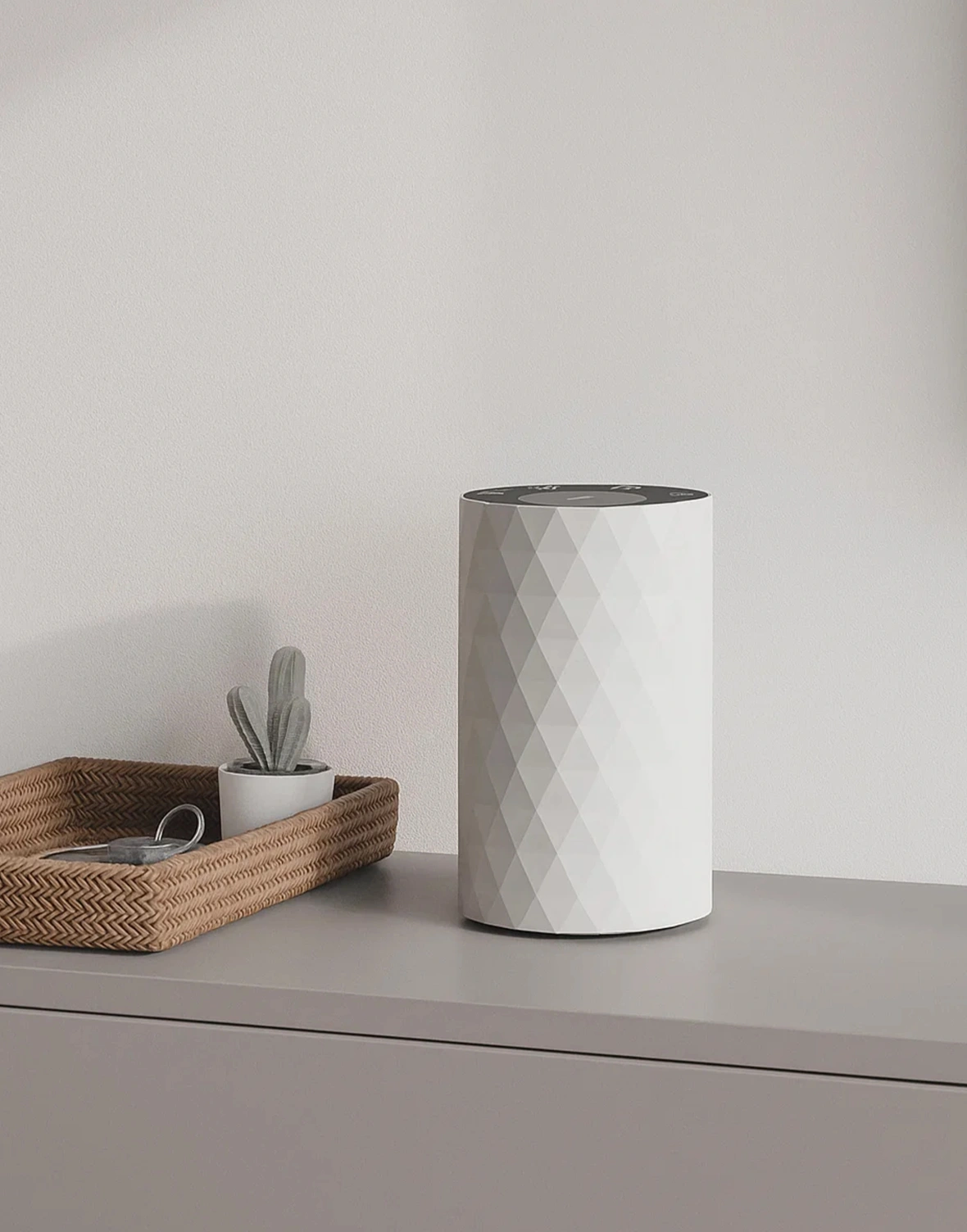
| Home Aroma Air Diffuser Scent Machine (Mini) | 80m³ (300 sq ft) | 5V Type-C or 2000mAh battery | Consultation desk pilot before full buildout |
For long narrow showrooms, a single unit near the front leaves the back room scent free by late afternoon. The wall mount model above works well for a 50 to 70 square meter boutique because it runs on batteries when wiring is limited and holds a 150ml bottle. The battery life reaches up to 99 days maximum on low intervals, which removes the need to run a cable through the display wall.
If your store is split between a walk-up counter and a seated consultation area, the airflow behaves differently in each zone. It is worth confirming diffuser positions and output levels from a floor plan before finalizing the oil set. Send the store dimensions and a rough sketch to [email protected] and we will return a placement note.
Intensity and Scheduling Are the Quiet Levers
New operators almost always set the diffuser too high because a scent that is faint during the first ten minutes feels broken. In a jewelry store, the correct strength should be noticeable only when the customer steps from the street or into a private room. At the counter, the fragrance should recede behind the sales conversation. If a customer can name a note without prompting, reduce the interval.
I use a first week schedule as a listening period. For a 60 square meter showroom running a 200 cubic meter wall mount unit, I start with 15 minutes on and 45 minutes off during opening hours, then check staff feedback on days three and five. Staff members who work a full shift are the early warning. Their noses adapt slower than the owner’s enthusiasm suggests. If the team reports the scent only when they return from lunch, the setting is close. If they smell it all day, the space is already oversaturated.
For a low-risk pilot at the consultation desk, a small 80 cubic meter diffuser such as the Home Aroma Air Diffuser Scent Machine (Mini) shows whether a wood or white tea direction holds up during real consultations. It is not the permanent answer for a large showroom, but it separates the scent question from the equipment question.
We Build a Jewelry Store Scent Marketing Plan Around Your Layout
Most stores get stuck at the same point: they can choose a scent, but they cannot tell which diffuser size, placement, and interval will survive four weeks without exhausting staff or burying the space in a single note. That is the gap between buying a fragrance oil and running a consistent jewelry store scent marketing program.
Scent-Share sells more than hardware. We match the diffuser to room volume, airflow, and case layout, then schedule the output so the scent stays low and repeatable. Send your store area, ceiling height, and opening hours to [email protected] or call +86 185 6557 5758. We will return a starter plan with diffuser type, placement points, scent direction, and a two week interval schedule.
Jewelry Store Scent Marketing Questions Are Usually the Same
Does scent marketing work in a small jewelry store?
Yes, but small size raises the risk of overdiffusion. A fragrance program becomes noticeable when the scent stays in the walking path and stops short of the display cases. We have run low output settings in showrooms under 50 square meters without crowding the sales conversation. The main requirement is a diffuser with enough interval control to run only a fraction of the operating day. A full strength machine will smell intentional on day one and accidental by day five.
How strong should a jewelry store scent be?
Many owners assume the scent is weak if they become used to it. That is backwards. A correct strength is one that a first time visitor senses at the door but cannot name a minute later. The fragrance should rise at entry, soften near display lighting, and almost disappear at the consultation table. If the scent remains obvious for more than a few minutes, lower the interval before changing the oil.
Will the fragrance damage jewelry or settle into the pieces?
It depends on the diffusion type and oil volume. Waterless cold air diffusion keeps added moisture out of showcases, so metal and stone surfaces stay dry. Heavy oil buildup occurs when output is set too high and airflow points directly at glass or velvet. In practice, you clean fogged glass before you clean an actual piece. A lower interval keeps the oil in the air, not on the merchandise. For museums and high value pieces, we specify passive materials that release less oil and stay farther from the case.
How long before customers notice the scent?
The better question is whether the scent changes the room memory. In small shops, customers register a shift within the first visit if the note is consistent, but genuine brand recall builds after repeated exposure. Expect a two to three week tuning period rather than a single launch day. We start with a narrow fragrance range, lock the interval, then adjust only one variable at a time. Share your store dimensions and we will confirm the right coverage model and scent load for a two week pilot.
If you’re interested, check out these related articles: