
For manufacturers looking to move beyond trading companies and connect directly with international buyers, exhibiting at a major auto parts exhibition in China remains one of the most effective market entry strategies. Shanghai, as the country’s premier trade hub, concentrates the nation’s powerful industrial clusters—from Yuhuan chassis parts to Ruian braking systems—under a single roof, creating a sourcing environment that attracts purchasing teams from over 100 countries. Based on a decade of organizing B2B automotive events, I’ve seen that exhibitors who approach the process strategically, rather than simply booking a booth, see markedly different results in terms of lead quality and long-term partnerships.
Why Shanghai Remains the Landing Point for International Auto Parts Sourcing
Shanghai’s exhibition infrastructure and its proximity to the Yangtze River Delta manufacturing base make it the natural gateway for global buyers. The city hosts several influential automotive trade fairs each year, including the APES Auto Parts Expo, which brings together exhibitors from Zhejiang, Jiangsu, and beyond—all within a single venue. The practical benefit for an exhibitor is location density: a buyer flying in from Dubai or Jakarta can visit one hall and evaluate suppliers from Wenzhou’s electronics sector, Changzhou’s lighting cluster, and Shiyan’s commercial vehicle parts base without taking a domestic flight. This concentration drives serious procurement traffic that regional shows struggle to match.
The industrial cluster effect directly shapes booth strategy. If your product line overlaps with a well-known cluster—say, brake calipers from Ruian or oil seals from Qinghe—exhibiting in Shanghai puts you in the buyer’s field of view while he is already comparing cluster peers. It turns your booth into a discovery point within a known ecosystem rather than an isolated company introduction.
How to Choose the Right Booth for Your Product Category and Target Market
Booth selection involves three decisions that directly affect your show ROI: stand type, hall position, and size. Most organizers offer two stand formats: shell scheme and raw space.
A shell scheme booth comes with standard walls, fascia board, basic lighting, and sometimes a small table—ideal for first-time exhibitors who want a turnkey setup. Raw space, on the other hand, gives you an empty floor area where you build a custom stand. If you intend to display larger components—engine blocks, body panels, EV battery structural parts—raw space is almost always necessary, not just for physical clearance but also for buyer perception. A custom stand signals manufacturing scale and commitment.
Location within the hall matters as much as the stand itself. Booths near main aisles, entrances to specific product zones, or adjacent to anchor exhibitors consistently attract higher walk-in traffic. When booking, ask the organizer for the hall layout and confirm which product clusters will surround your booth. A water pump supplier positioned in the engine parts zone, for instance, benefits from the adjacency of timing chain and crankshaft exhibitors because the buyer’s path runs naturally through that area.
| Decision Factor | Shell Scheme | Raw Space |
|---|---|---|
| Setup time | 1-2 days | 3-5 days (custom build) |
| Cost (indicative) | Lower, includes basic utilities | Higher; build cost separate |
| Product display | Small parts, catalogs | Large components, live demos |
| Flexibility | Minimal | Full design control |
| Buyer perception | Distributor-level | Manufacturer-level |
If your program involves heavy-duty truck parts and your target buyers are from Southeast Asian fleet operators, it is worth confirming the hall’s freight access and crane availability before finalizing your stand design—reach out to the organizer early to avoid surprises.
Who Actually Walks the Floor and What They Expect to Find
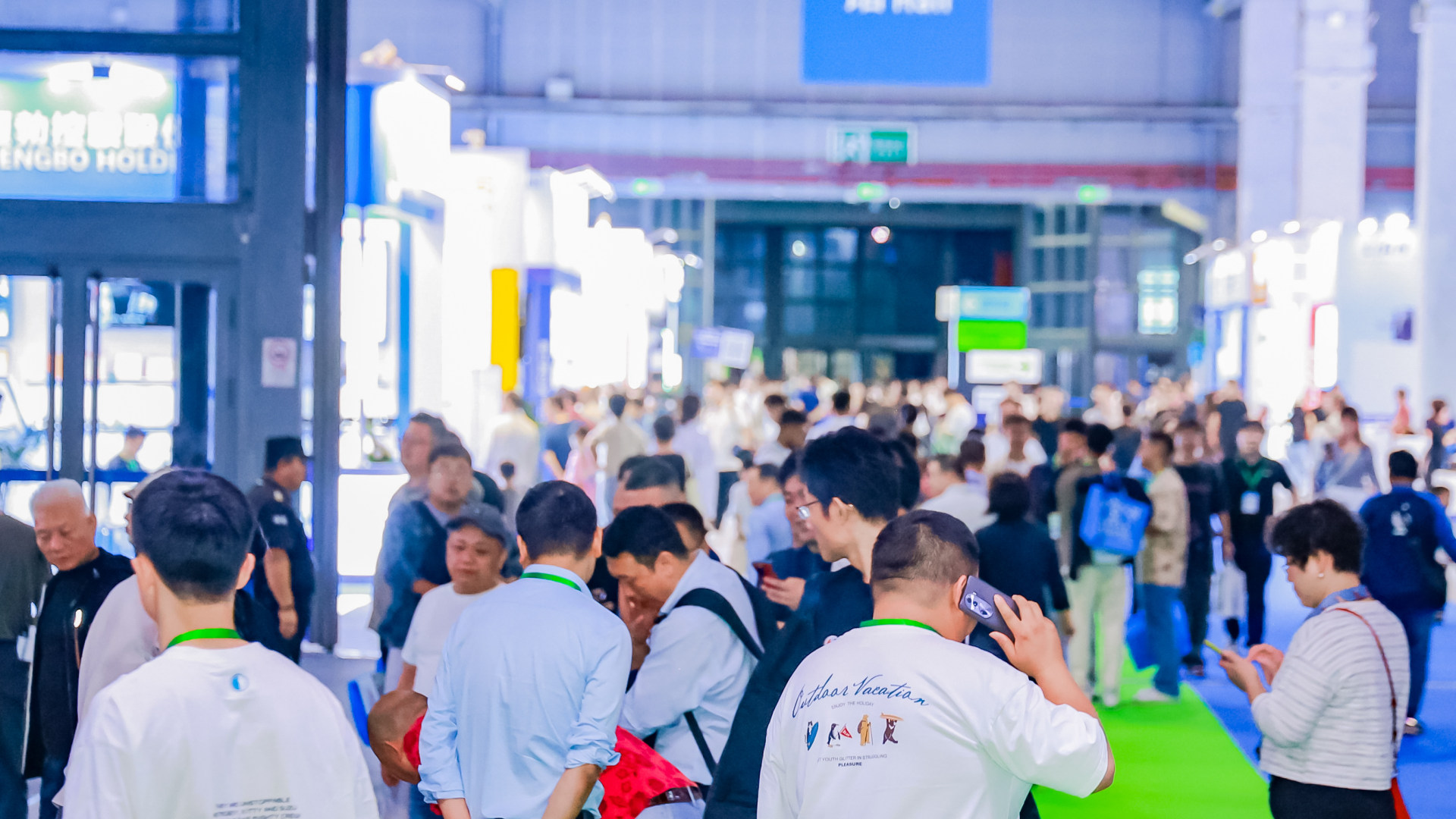
A common concern I hear from first-time exhibitors is whether the buyers at these shows are genuine procurement professionals or just information gatherers. The buyer profile at Shanghai’s major auto parts shows has tightened considerably over the past five years. The majority now consists of sourcing managers, regional distributors, and technical engineers from over 100 countries, with particularly strong attendance from the Middle East, Southeast Asia, Africa, and South America.
These buyers arrive with specific procurement briefs. A purchasing manager from a Riyadh aftermarket chain is typically looking for brake pads, filters, and suspension components that meet OE-equivalent standards at competitive factory-direct prices. An engineer from a Jakarta EV startup may be sourcing high-voltage wiring harnesses or thermal management modules with IATF 16949 compliance documentation. Understanding these patterns before the show allows you to prepare product samples, certification files, and pricing structures that match the most likely inquiries.
The quality of the interaction depends heavily on your booth’s preparedness. Buyers at these events expect to see physical samples, not just catalogs. They will ask about minimum order quantities, lead times, and packaging standards. They may want to photograph components. Being ready for that level of scrutiny separates the booths that collect business cards from those that leave with purchase orders in negotiation.
Step-by-Step: From Inquiry to Confirmed Exhibition Stand
The booking process for a major auto parts show in Shanghai is structured but fast-moving, especially six to eight months before the event date. Here is the typical sequence:
-
Initial inquiry. Contact the organizer by email or phone and specify your product category, preferred booth size, and whether you need shell scheme or raw space. The organizer will reply with an available location map and a quotation.
-
Booth selection and reservation. Choose your preferred location from the available blocks. At this stage, you may receive a hold for 3–5 working days to review the contract.
-
Contract signing and deposit payment. Once terms are agreed, you sign the participation contract and pay a deposit (usually 50% of the stand fee). Payment logistics vary by organizer; wire transfer is standard.
-
Exhibitor manual and logistics coordination. After payment, you receive an exhibitor manual detailing deadlines for stand design approval, freight forwarding, power requirements, and additional services like forklift rental. If you are shipping components from overseas, you will need to coordinate with the official freight forwarder at least two months in advance.
-
Final payment and stand confirmation. The remaining balance is due closer to the show date. Once cleared, your booth location is confirmed and published in the show catalog.
Throughout this process, it pays to maintain direct communication with the organizer’s international team. Email inquiries to [email protected] or call +021-60280788 to get a tailored booth proposal for your product segment.
Driving ROI Before, During, and After the Exhibition
The exhibition itself is three intensive days. The work that determines your ROI, however, starts months earlier and extends well after the lights go down.
Pre-show: invite your target buyers. Use your existing customer list and trade networks to schedule meetings during the show. Most major events now offer a digital buyer-seller matching platform—register early and use the messaging tools to pre-book appointments. This ensures your booth is busy with qualified leads rather than hoping for walk-ins.
During the show: capture and qualify. Train your booth staff to identify the buyer’s role and procurement timeline within the first two minutes of conversation. Use a simple qualification framework: immediate need (ready to order), short-term need (3–6 months), or market exploration (future interest). Record all contacts with a note on category and timeline. If the show runs a digital badge system, scan badges and add notes immediately—a stack of unscanned business cards becomes unreliable after 48 hours.
Post-show: follow up within one week. Send a personalized email referencing the specific product the buyer discussed. Attach a quotation if one was promised, and include your company’s certification documents and factory audit availability. Buyers who are actively sourcing expect speed; a delayed follow-up often means the order goes to a faster responder.
Common Questions About Exhibiting at Auto Parts Shows in China
How much does a booth cost at a China auto parts exhibition?
The cost depends on location, size, and stand type. A standard 9-square-meter shell scheme booth at a major Shanghai show typically falls in a mid-range price bracket, while larger raw space packages start higher and go up significantly for prime corner locations. These figures exclude stand construction, equipment rental, and logistics. Request a detailed quotation from the organizer to compare options for your specific product display needs.
What is the difference between a shell scheme booth and raw space?
A shell scheme booth is a pre-built unit with walls, carpet, fascia board, and basic electricals—ready to use with minimal setup. Raw space is an empty floor area. You must hire a stand builder to design and construct your booth from scratch. Shell scheme suits first-time exhibitors or small parts; raw space is preferable when you need custom product display, storage space, or a branded environment that reflects manufacturing capability.
Should I book early for the 2026 show season?
Absolutely. Prime locations—near entrance aisles, in well-trafficked zones, or adjacent to anchor exhibitors—are allocated on a first-come, first-served basis. For a major Shanghai show, securing your booth 8 to 10 months ahead gives you the best selection of space and adequate time for visa processing, freight logistics, and marketing preparation. Late bookings still find space but rarely in the highest-visibility spots.
Can I find factory-direct manufacturers at these exhibitions?
Yes, and that is precisely the design of events like APES Auto Parts Expo. The majority of exhibitors are China-based manufacturers, often from specialized industrial clusters, presenting without intermediary trading companies. Buyers negotiate directly with factory owners or export managers. This direct access to production lines—and the ability to inspect samples on the spot—is what differentiates a trade show from online sourcing.
How do I get a Chinese business visa for the exhibition?
Once your booth booking is confirmed, the organizer typically issues a visa invitation letter that you submit with your application to the Chinese embassy or consulate in your country. The letter details the event dates, venue, and your company’s participation. Processing times vary by country; apply at least four to six weeks before the show. Our team also assists with local logistics for exhibitors—share your delegation size and travel dates, and we’ll help map out arrival support.
If you’re interested, check out these related articles:
APES 2026 to Redefine Global Sourcing Landscape as Automotive Industry Eyes Resilient Future
Tomorrow World: Innovation Achievement Exhibition and Industry Future Forum