A commercial scent diffuser for large spaces starts with coverage and airflow, not with the fragrance note. A 3,000 cubic meter lobby does not behave like a 200 square meter boutique, and the wrong pump or mounting position leaves faint scent near the entrance and a heavy cloud beside the unit. We match output to ceiling height, return air patterns, and peak occupancy before selecting the oil. Across 68 countries, the same failure appears: buyers choose a machine from coverage numbers alone, then wonder why the scent does not hold. This article explains how to specify a system that stays consistent in daily operation.
Why does airflow matter more than fragrance strength in large spaces?
Coverage numbers are a starting point, not a guarantee. A diffuser rated for 3,000 cubic meters can struggle in a space with a 7 m ceiling if the fan pushes mist upward and return air pulls it out before the fragrance reaches the seating area. Large spaces with open atriums, mezzanines, or strong HVAC returns need mounting positions that release scent into the occupied air path, not into a dead pocket above the entrance. In an airport project we worked on, a single tower unit left the far end of the hall nearly unscented beyond 35 m. Moving to two smaller units on opposite sides evened out the distribution and reduced the refill gap between zones.
Before comparing machines, sketch the space: ceiling height, column lines, entrance doors, air returns, and where people spend time. These details decide whether you need a wall mounted unit, a ceiling track mount, or HVAC integration. Fragrance strength should follow that decision, not lead it.
Do HVAC scent systems or standalone commercial diffusers work better?
For large spaces above roughly 3,000 cubic meters, the choice usually comes down to HVAC integration or standalone units. HVAC scent systems connect to the air handler and use the existing ductwork to distribute fragrance evenly across wide areas. A dual-system HVAC unit in our product range covers 5,000 to 15,000 cubic meters by running two independent pumps and atomizers. That works well in open offices, hotel corridors, and exhibition halls where ducts already reach every zone.
How does an HVAC scent system reach 30,000 square feet?
An HVAC system injects fragrance into the supply air so every vent carries scent. Our 8,000 cubic meter HVAC diffuser uses a DC12V-3A supply and accepts 1L, 2.5L, or 5L aluminum bottles. Actual coverage depends on fan run time and duct pressure, so the same unit can cover less area if the air handler cycles frequently or the ducts are poorly balanced.
When should you choose a standalone commercial diffuser instead?
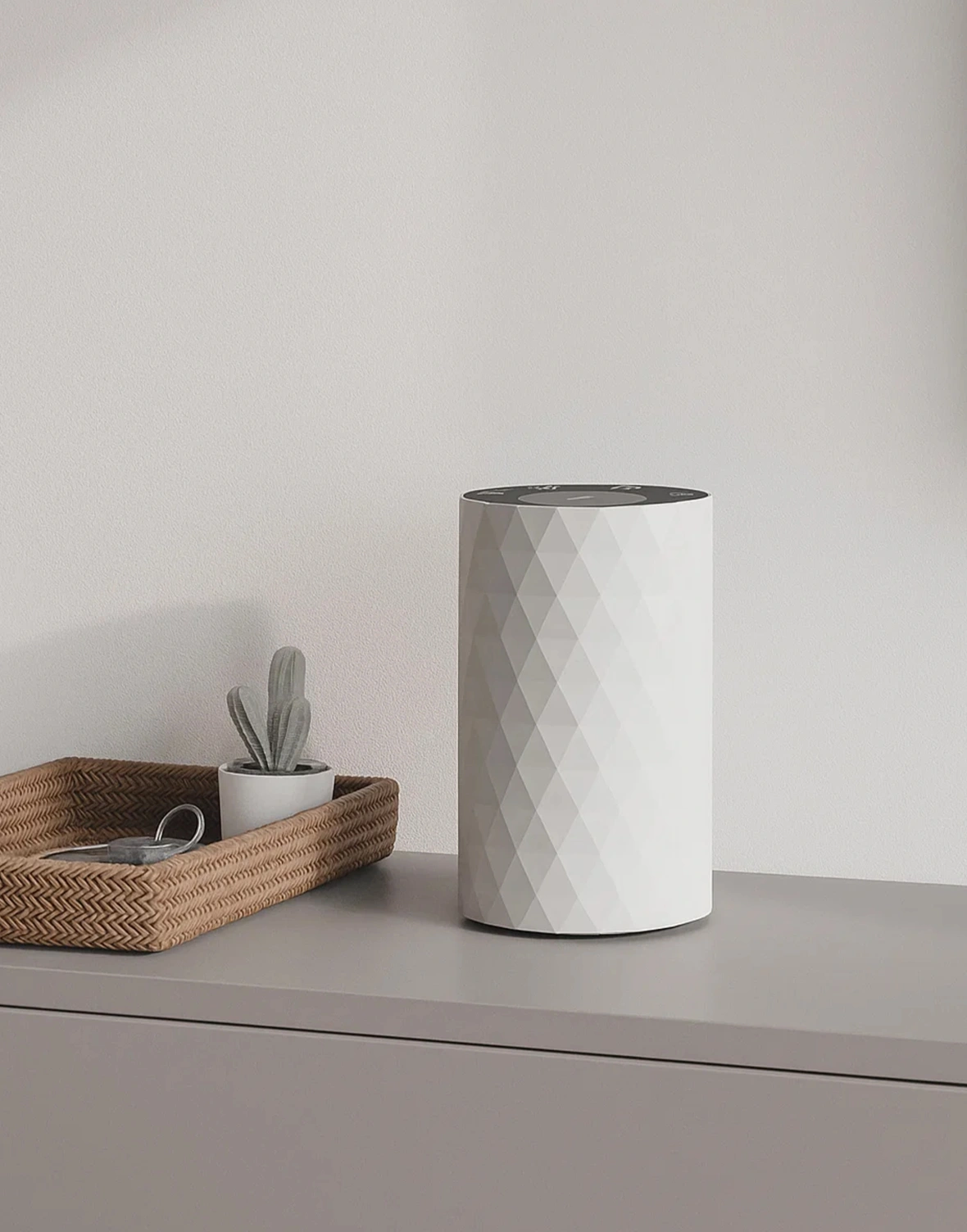
Standalone units are the better route when the space has no duct access or the landlord will not permit HVAC work. A hotel tower covers about 11,000 square feet from a single floor unit, while a Bluetooth commercial diffuser covers about 1,000 square feet for smaller zones. We use standalone units in retail flagships where zoning changes as displays move, because the hardware can be relocated without touching the building system.
A mini unit rated for 300 square feet has no place in a 3,000 cubic meter lobby. It cannot push fragrance through enough air changes, and the result is a strong scent near the diffuser and nothing at the far end.
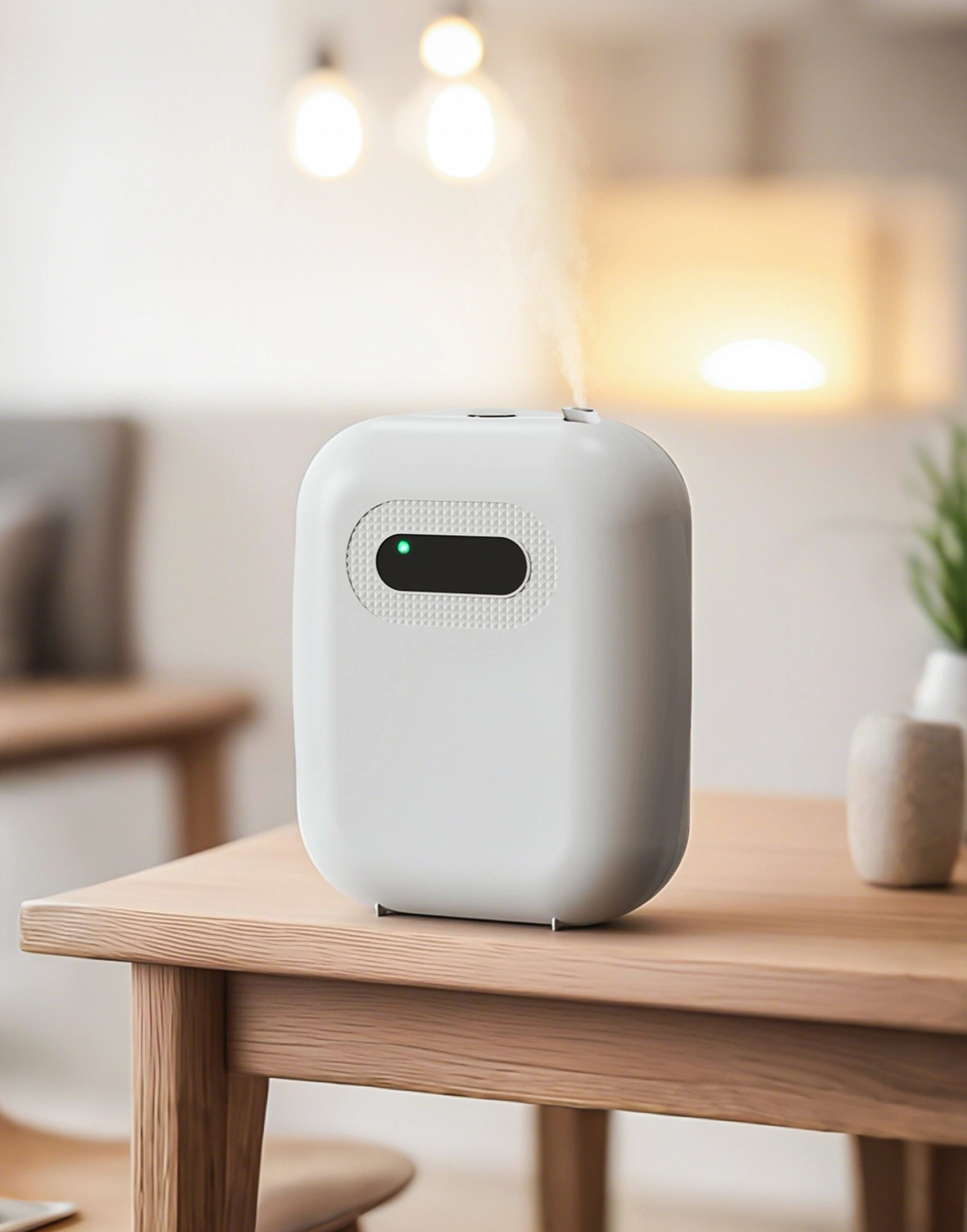
 A battery wall mounted unit works when a small zone inside a large building needs independent scent, such as a washroom or meeting room, without adding ductwork.
For app controlled multi-site programs, our smart diffuser customization breakdown covers zoning and remote scheduling in more detail.
If your program involves a space above 8,000 cubic meters or multiple zones with different ceiling heights, confirm pump capacity and fan placement before finalizing your shortlist. Email [email protected] with the floor plan and ceiling details, and we will match the output to the occupied air path.
What commercial scent diffuser specifications should you compare first?
Do not compare fragrance names until the machine specs are clear. Coverage, power supply, bottle size, and control method set the operational limits. Fragrance intensity is adjustable later; the hardware is not.
| Model | Coverage | Power | Bottle | Control |
|---|---|---|---|---|
| Commercial Scent Oil Diffuser (Bluetooth APP) | 300 m³ (1,000 sq ft) | DC12V-1A | 150 ml plastic | Bluetooth APP, 24/7 |
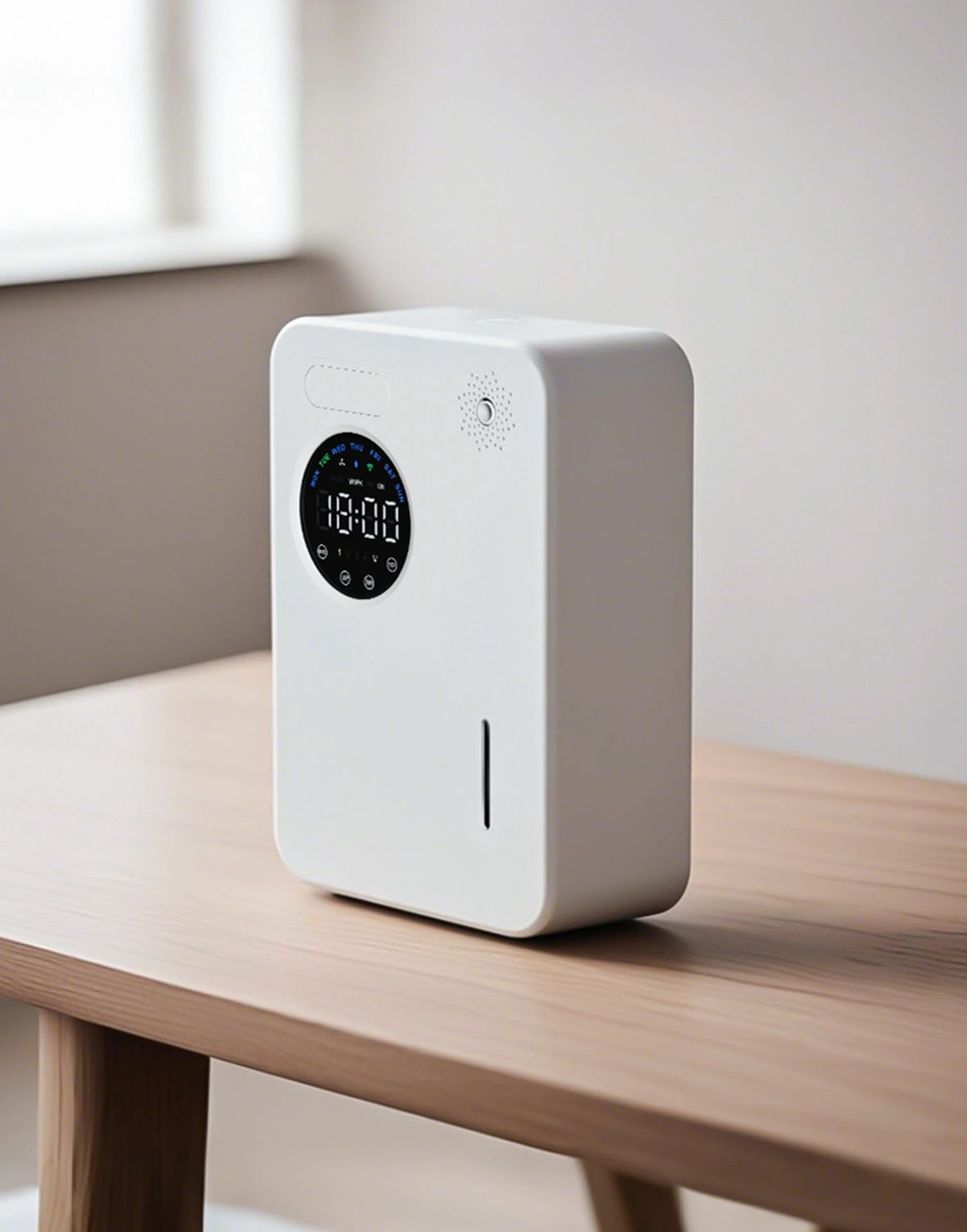
| Hotel Scent Oil Diffuser Tower | 3,000 m³ (11,000 sq ft) | DC12V-2A | 500 ml or 1L aluminum | Bluetooth APP, touch |
| Commercial HVAC Scent Diffuser System | 8,000 m³ (30,000 sq ft) | DC12V-3A | 1L, 2.5L, or 5L aluminum | Bluetooth APP, HVAC integration |
| Dual-System HVAC Scent Diffuser | 5,000 to 15,000 m³ | DC12V-3A | 1L, 2.5L, or 5L aluminum per system | Bluetooth APP, dual pumps |
Coverage is not the only number that matters. A 150 ml bottle on a 1,000 square foot unit refills more often than a 5L bottle on an 8,000 cubic meter system, but a larger bottle also means more oil sitting in the line when the space is used only occasionally. We check power supply early because a DC12V-3A unit needs a stable transformer location, not a spare wall socket.
What coverage figures should you compare?
Use cubic meters instead of square feet when ceilings are high. A 1,000 square foot room with a 9 m ceiling is about 2,743 cubic meters, which moves it into a different unit class. Ask the supplier for coverage at your actual ceiling height, not just the printed floor area rating.
How does peak traffic change commercial scent diffuser intensity?
Large spaces rarely need uniform fragrance. A hotel lobby at check-in is busier than the adjacent seating corridor. A retail store near fitting rooms may need more scent than the window display. We set the scent schedule by zone and time of day instead of running one constant output. Most of the systems we use have Bluetooth app control and 24/7 programming, so the unit can drop intensity overnight and rise before doors open.
In a hospitality project with a double height lobby and a corridor behind reception, the client asked for one uniform setting. We split the schedule: the lobby ran at higher output from 6:30 to 10:00 and from 16:00 to 20:00, while the corridor stayed at a lower base level. The result was a consistent first impression without over-scenting staff areas.
How many commercial diffusers does a large open space need?
Divide the space by the coverage rating at your ceiling height, then add a margin for air return and dead zones. A 15,000 cubic meter hall may be served by one dual-system HVAC unit, or by two towers if columns split the space. Count zones by air path, not by floor plan grid.
How do you get a large space commercial scent specification without guesswork?
Large space scent projects stall when the specification starts from a product photo and a fragrance name rather than coverage data, mounting constraints, and refill logistics. Send us the floor area, ceiling height, and whether you have HVAC access. We will match the right commercial scent diffuser and oil volume to the occupied air path, then confirm installation options before you commit. Email [email protected] or call +86 185 6557 5758 / +86 134 2048 5758.
What questions do buyers ask about commercial scent diffusers for large spaces?
How large a space can a commercial scent diffuser cover?
A commercial scent diffuser can cover anywhere from 80 cubic meters for a desktop unit to 15,000 cubic meters or more for a dual-system HVAC model. The useful range for large spaces starts with units rated at 3,000 cubic meters or above. Coverage depends on ceiling height, duct access, and air return. A tower unit rated for 11,000 square feet works in a double height lobby, but the same unit may underperform in a segmented space with columns and partitioned zones.
How much fragrance oil does a large space use?
Oil consumption varies with output level and run time, not just square footage. A 150 ml bottle on a 1,000 square foot commercial unit may last 30 to 45 days in continuous use, while a 5L bottle on a large HVAC system can run for months at lower intensity. High-traffic hotels and retail stores should plan for higher consumption during peak seasons. Ask the supplier for consumption data at your programmed intensity to avoid surprise refill orders.
Do I need HVAC access for a large commercial scent system?
Not always. HVAC integration gives the most even distribution and is the standard choice above about 5,000 cubic meters, but standalone tower or wall mounted units can handle many large spaces without touching the air handler. The deciding factor is duct coverage. If your space has an existing HVAC system with balanced supply air, HVAC integration is the cleaner route. If the landlord restricts ductwork or the space is partitioned, standalone units with zone control work better.
Can I control different zones from one app?
Yes, most Scent-Share commercial diffusers use Bluetooth or WiFi control with app based scheduling, and larger systems can run independent zones from dual pumps. You can set different intensity levels for a lobby and a corridor, or cut output overnight. The app also handles timer settings and can flag low liquid levels on models with sensors. This matters in multi-location businesses where a facilities manager needs to adjust all sites remotely.
What oil bottle size should I choose for a large space?
Bottle size is a maintenance decision, not a coverage decision. A 5L bottle reduces refill visits and suits continuous operation in hotels, airports, and large offices. A 150 ml bottle keeps inventory light and works for seasonal programs or smaller commercial zones. Larger bottles also concentrate risk: if a pump leaks, more oil is lost at once. We usually match bottle size to the programmed duty cycle and the client’s refill staffing pattern. Email [email protected] with your run schedule and zone count, and we will confirm the right oil volume before you order.
If you’re interested, check out these related articles: