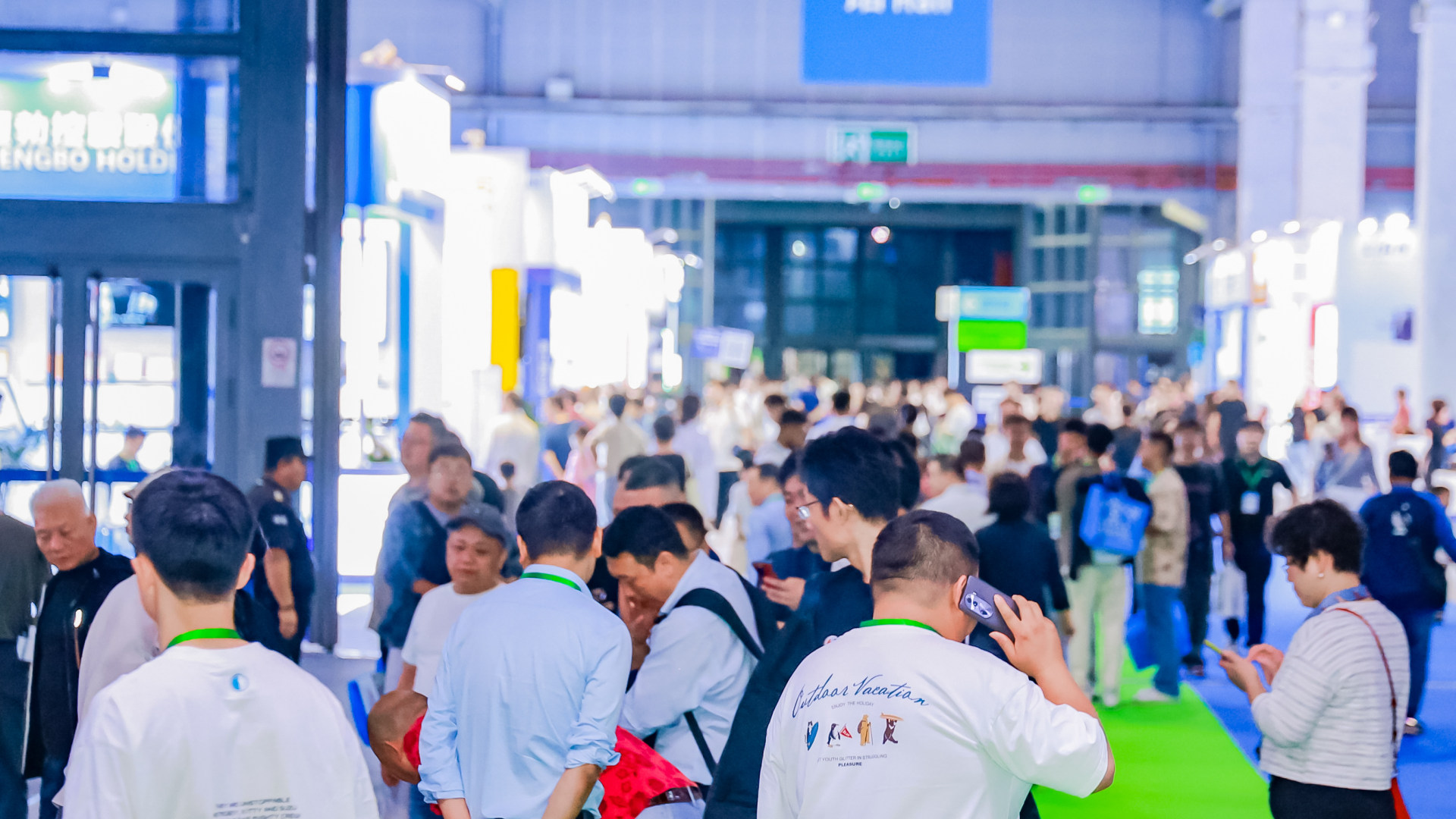

China Auto Parts Exhibition 2026 planning starts long before Shanghai, and the buyers who treat the show as a sourcing deadline rather than a walking tour are the ones who leave with workable supplier lists. I have spent more than ten years on automotive trade events, and I have watched buyers lose days in exhibition halls without a qualification plan. The difference is not the venue. It is the preparation. This guide lays out the buyer qualification process, booth cost logic, and a scheduling approach that turns an exhibition trip into structured supplier relationships.
What Makes a China Auto Parts Exhibition Worth the Trip
Not every show with “auto parts” in the name delivers the same sourcing value. I look at three things before recommending an event to a buyer: the exhibitor mix, the industrial cluster coverage, and the breadth of international buyer attendance. A useful China auto parts exhibition should bring together manufacturers rather than domestic resellers, because the buyer who wants factory direct pricing needs direct access to tooling, material, and process knowledge. Shanghai works well for this because it sits within reach of several production clusters, including Wenzhou, Taizhou, Ruian, Yuhuan, and Changzhou. The hall layout matters less than the exhibitor list. Request it early and check for the specific part families you buy.
Which Buyer Profiles Get the Most From a Shanghai Sourcing Event
Different buyer profiles extract value in different ways. An aftermarket importer should verify packaging, private label capability, and minimum order quantities. An OEM purchasing team should verify IATF 16949 status, PPAP capability, and whether an engineer will be on the stand. A NEV (new energy vehicle) system buyer needs high-voltage safety testing records and thermal management experience. A regional distributor needs market exclusivity terms and a dedicated export team. The table below separates the verification work by buyer type.
| Buyer profile | Verify before booking | Strongest exhibitor signal |
| Aftermarket importer | Packaging lines and minimum order quantity terms | Factory photos and tooling details |
| OEM purchasing | IATF 16949 and PPAP capability | Named engineering contact on stand |
| NEV system buyer | High-voltage test records | Component-level test documentation |
| Regional distributor | Exclusivity terms and export team | Dedicated regional sales staff |
How to Screen Exhibitors Before You Book the Show
Walk in with a shortlist, not a wish list. I have watched supplier meetings collapse when the booth was staffed only by salespeople and the visitor needed answers on tolerance, surface treatment, or material substitution. The solution is to qualify exhibitors before departure.
- Pull the exhibitor list as soon as it is published.
- Send each candidate a short RFQ with part number, material, target quantity, and certification requirement.
- Confirm the booth number and the name of the technical person attending.
- Rank suppliers by response quality, not booth size.
These four actions take less than a week and remove the most common failure mode in auto parts sourcing events: the meeting that generates enthusiasm but no technical follow up. If a supplier cannot answer a material or certification question before the show, the odds that their booth staff can answer it during the show are low.
What a China Auto Parts Exhibition Booth Actually Costs
Exact pricing depends on hall position, perimeter, and build requirements, so treat any flat rate you see in advertising as a starting point. Request an itemized quote that separates raw space or shell scheme from fascia, lighting, carpet, furniture, and power. The main formats are easy to compare.
| Booth format | What you get | Cost pressure |
| Raw space | Empty floor area only | Lowest base, highest build cost |
| Shell scheme | Walls, fascia, carpet, lighting | Mid range, fast setup |
| Upgraded shell | Branded panels, meeting table, storage | Higher price, lower setup workload |
No single format is better for every buyer. An exhibitor with a large machine or heavy components may need raw space for rigging access. An exhibitor attending for the first time with a small product line usually gets better value from a shell scheme because the build is already coordinated. The mistake is to choose a booth before you know how many SKUs you will display and how many staff you can send.
If your program involves NEV components, mixed material families, or IATF 16949 alignment, it is worth confirming the exhibitor’s compliance documentation and test references before you finalize your BOM (bill of materials). Send your part number and target volume to [email protected] and the APES team will match your requirements against confirmed exhibitor profiles.
How to Plan a Sourcing Schedule That Produces Orders
Meetings are cheap. Undifferentiated walking is expensive. On day one, block four to six supplier meetings with the highest response quality from your pre-show RFQ. Keep each meeting to 45 minutes and record the answers on a single comparison sheet. On day two, walk the clusters that match your part families and start at the edges of the hall, where smaller manufacturers often sit because booth pricing is lower. On day three, revisit the best two or three suppliers unannounced to see how the booth operates under pressure. Leave every meeting with one named technical contact and one agreed next action.
After the show, timing matters. Suppliers receive hundreds of inquiries in the first week, and the buyers who get responses are the ones who leave the stand with a specific open item. If your program spans multiple part families, several production clusters, or certification requirements across different product lines, the qualification work should start before you travel. Send your part number, target quantity, and preferred supplier region to [email protected] or call +021-60280788. We will build a meeting shortlist around your sourcing criteria and confirm who can actually receive you.
What Buyers Ask Before Committing to a China Auto Parts Exhibition
Is it worth attending a China auto parts exhibition if I already source through Alibaba?
For most buyers, yes, when the goal is to verify production capability and build direct factory relationships. Online platforms simplify discovery, but they rarely expose the full range of the supplier’s processes, tooling, and quality control. At an exhibition, you can compare material finishes, run your hand over a sample, and watch how the technical staff respond to difficult questions. If you only need a standard part with no customization, online sourcing may be enough. For anything involving tolerances, private label work, or repeat production, the exhibition visit pays for itself when it removes one weak supplier from your list.
How much should I budget for a booth if I plan to exhibit?
It depends on whether you choose raw space or a shell scheme, and on whether you need custom construction. Raw space costs less per square meter but requires you to manage flooring, walls, lighting, furniture, and rigging separately. A shell scheme includes the basic build and is the faster route for a first-time exhibitor. The budget should also include staff travel, freight, printed materials, and a follow up plan. The real question is not the booth line item alone. It is whether your team has the time to manage a raw space build before the show opens.
Which countries send buyers to Shanghai auto parts shows?
A common assumption is that only Middle East buyers attend, but the mix is wider. In Shanghai cycles, buyer groups arrive from Southeast Asia, the Middle East, Latin America, and Eastern Europe, with different priorities in each region. Middle East buyers often request private label and packaging flexibility. Southeast Asian buyers frequently focus on replacement parts and fast shipment terms. Latin American buyers tend to ask about container consolidation and payment security. This is why the exhibitor list and buyer profile matter more than the total attendance number: the right show should connect you to the buyer type your product actually serves.
How can I confirm a Chinese supplier’s OEM quality before the show?
The better question is not whether Chinese suppliers are capable, but whether the specific factory has documentation for your part family. Ask for the IATF 16949 certificate number if you are buying production parts, along with dimensional reports, material certificates, and any test records that apply to the component. Then verify those documents against the booth contact and the technical person who will attend. If the supplier avoids the question or sends generic brochures, treat that as a signal. If your program has specific compliance requirements, share your part number and target quantity with [email protected]. We will confirm which exhibitor profiles can meet your documentation needs.
If you’re interested, check out these related articles:
APES 2026 to Redefine Global Sourcing Landscape as Automotive Industry Eyes Resilient Future
Tomorrow World: Innovation Achievement Exhibition and Industry Future Forum
