Ambient scenting isn’t just about fragrance in the air—it’s a deliberate strategy to shape how customers perceive your brand’s value and luxury. For hotels, retailers, and premium brand environments, a carefully engineered scent can transform a space from forgettable to unforgettable, forging an emotional connection that visual branding alone cannot achieve. I’ve spent over a decade designing scent solutions for businesses around the world, and the core lesson remains: the distance between a generic room freshener and a true premium experience is the thoughtful integration of fragrance design, diffusion technology, and brand alignment. The following insights explain exactly how ambient scenting builds that elevated experience.
The Psychological Link Between Ambient Scent and Luxury Perception
The olfactory system is directly wired to the brain’s limbic center—the seat of emotion and memory. This is why a particular scent can instantly evoke a powerful feeling of comfort, exclusivity, or nostalgia, often before we are consciously aware of it. When a customer walks into a hotel lobby that carries a subtle blend of white tea and sandalwood, the brain already starts forming an association between that environment and sophistication. This subconscious signal is what transforms a generic commercial space into a perceived premium destination. Ambient scenting leverages this neural shortcut, embedding your brand into the customer’s emotional memory with a consistency that visual or auditory cues struggle to match. In practice, the scent must be consistent and appropriate; a mismatch can damage credibility.
Selecting the Right Fragrance for a Premium Brand Experience
Choosing a fragrance is not about simply picking a “nice” smell. It requires aligning the scent’s character with the brand’s core identity. A high-end fashion boutique might lean toward dark amber and leather for an air of exclusivity, while a coastal resort could benefit from fresh marine and citrus notes that echo the environment. I recall a boutique hotel that wanted to convey “tranquil luxury” in its mountain setting; we blended cedarwood, bergamot, and a whisper of vanilla to create a signature scent that felt both warm and refined. The result became a distinct part of the guest experience that they couldn’t find elsewhere. For brands aiming to stand out, a custom fragrance is the only way to avoid smelling like a competitor. Off-the-shelf options dilute your brand identity.
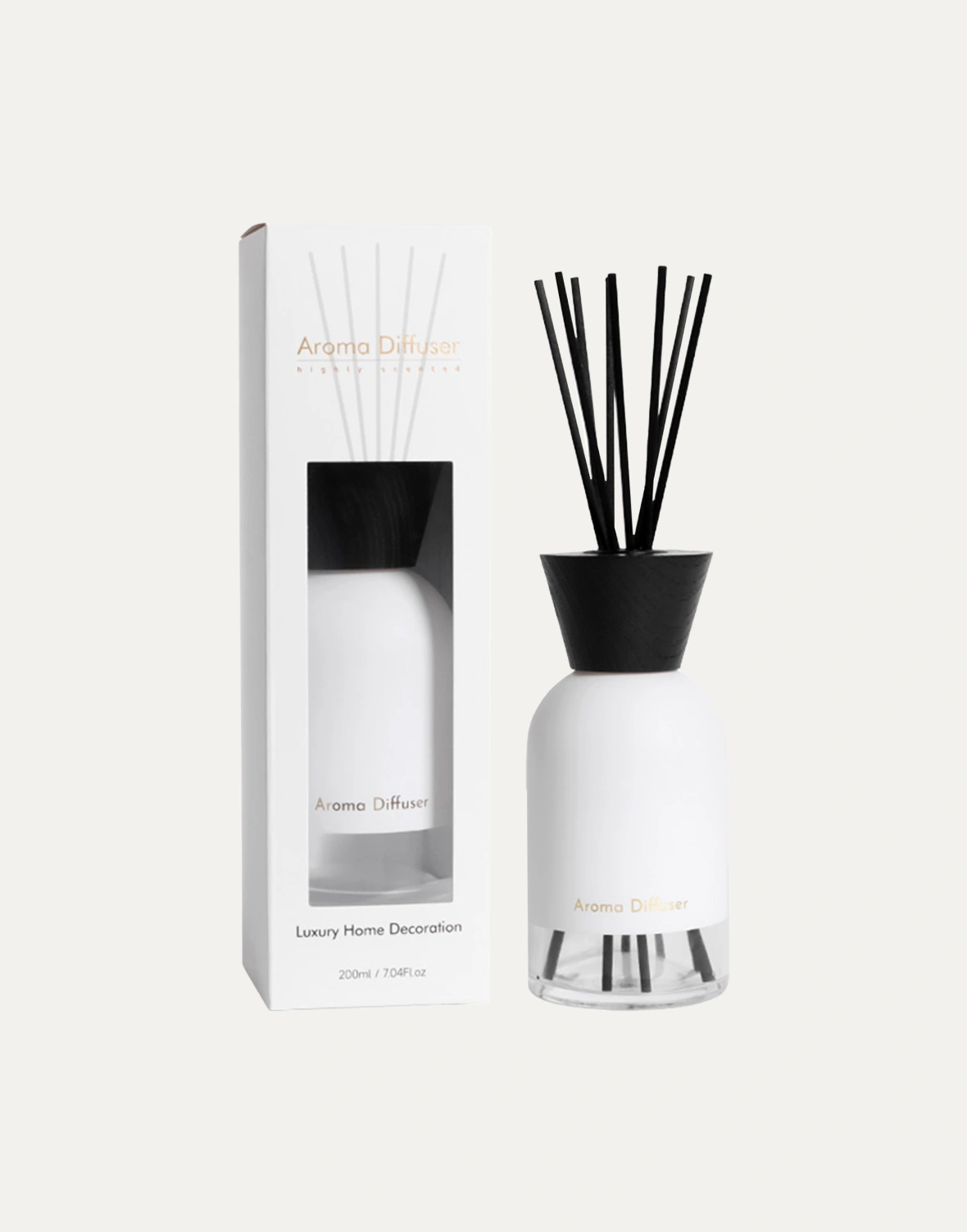
The table below outlines common fragrance families and the brand characteristics they tend to reinforce:
| Fragrance Family | Typical Brand Fit | Example Application |
|---|---|---|
| Citrus & Fresh | Youthful, energetic, clean | Gym or casual retail |
| Woody & Amber | Sophisticated, luxurious, grounded | High-end hotel or fashion store |
| Floral & Green | Romantic, elegant, natural | Spa or boutique salon |
| Oriental & Spicy | Exotic, bold, memorable | Lounge or premium automotive |
When developing a custom scent, working with a team that understands both fragrance chemistry and brand identity ensures the final product is an authentic extension of your business. Scent-Share’s process, for instance, starts with a detailed brand questionnaire and moves through iterative formulation until the scent perfectly captures the intended emotion.
Diffusion Technology That Delivers a Consistent Premium Ambiance
Even the finest fragrance oil performs poorly if the diffusion system is mismatched to the space. The goal is to achieve a consistent, barely-there presence—never overpowering, never absent. Different spaces demand different technologies. A 300-square-meter hotel lobby might use a standalone tower diffuser with adjustable intensity and Bluetooth scheduling, while a large retail store with HVAC integration benefits from a centralized system that distributes scent evenly through existing ductwork.
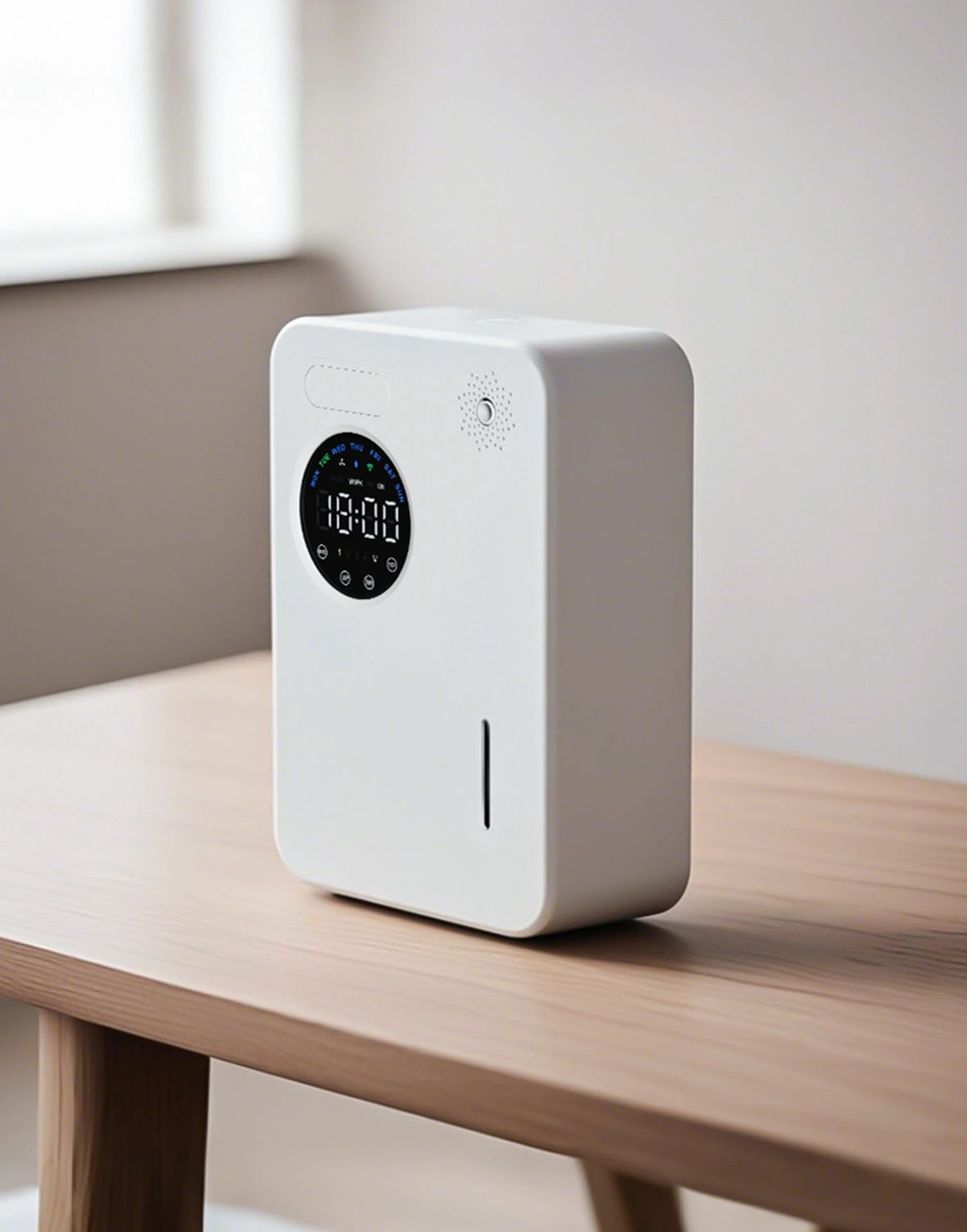 I’ve seen projects where a beautiful fragrance was ruined by an oversized diffuser that choked the entryway, and others where a scent was completely lost because the coverage was underestimated. The table below compares typical commercial diffuser options:
| Diffuser Type | Coverage (sq ft) | Best For | Key Feature |
|---|---|---|---|
| Hotel Scent Oil Diffuser Tower | 11,000 | Hotel lobbies, large open areas | Touch-control, Bluetooth app, aluminum body |
| Commercial HVAC Scent Diffuser | 30,000 | Whole-floor retail, multi-room integration | Central distribution, large oil capacity |
| Ceiling Mount Diffuser | 2,000 | Boutique stores, meeting rooms | Discrete appearance, wide dispersion |
| Wall Mount Diffuser | 10,000 | Corridors, event halls | Wall mounted or standalone, programmable |
Smart diffusers with app control allow you to set intensity schedules, monitor oil levels, and adjust by zone—critical for maintaining a premium experience without constant manual intervention. If your space has unique HVAC or layout constraints, discussing the configuration with a scenting specialist can prevent costly missteps; reach out at [email protected].
Real-World Impact of Ambient Scenting on Brand Luxury Perception
In one project with a European luxury fashion retailer, we introduced a custom amber-leather scent across their flagship store. The fragrance was diffused via ceiling-mounted units working in harmony with the store’s aesthetic. Within three months, store management reported that customers were spending noticeably more time browsing, and the number of repeat visits in the first quarter surpassed projections. Staff observed that the ambient scent sparked more conversations about the brand’s “atmosphere,” directly linking the olfactory element to the premium perception of the merchandise.
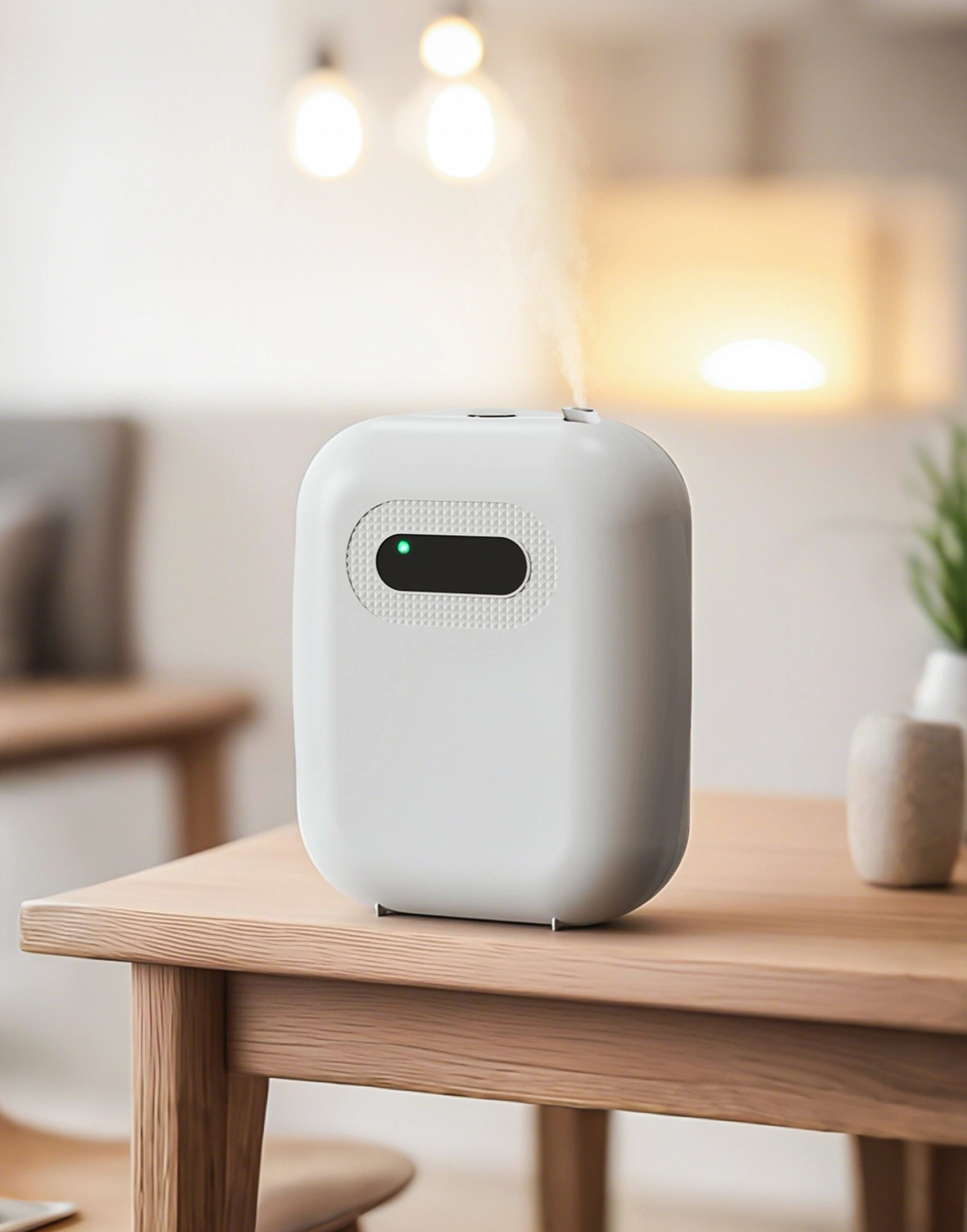
What this shows is that ambient scenting doesn’t merely mask odors; it actively participates in constructing a reality for the visitor. When the scent is congruent with other sensory cues—visual merchandising, music, lighting—the brand’s luxury positioning feels authentic. Without scent, even a well-designed store can feel flat, missing that emotional layer that often justifies a premium price point.
Scaling Your Premium Scent Strategy with the Right Partner
For brands growing across multiple sites or countries, maintaining a consistent premium scent is a logistical challenge. Variations in climate, HVAC design, and room layout can alter how a fragrance is perceived, so the diffusion system must be adaptable. Standardizing on a single diffuser model with centralized remote monitoring via apps—like the Bluetooth-enabled systems in Scent-Share’s lineup—ensures that every location delivers the same intensity and character. Coupled with fragrance oil supplied in bulk from the same batch, this approach eliminates regional drift.
Beyond technology, a reliable global partner is essential. We’ve supported hotel chains across 68 countries, maintaining their signature scent through local service networks and consistent R&D. This kind of support allows your team to focus on the guest experience rather than worrying about refill schedules or equipment failures.
For brands ready to elevate their environment, the next step is straightforward. Tell us about your space and brand identity at [email protected] or call +86 185 6557 5758. We’ll design a custom ambient scenting solution that turns every customer visit into a premium memory.
Common Questions About Implementing Ambient Scenting for Premium Experiences
What distinguishes ambient scenting from basic air freshening?
Air freshening typically relies on strong, often synthetic fragrances to mask odors temporarily, with little thought to brand alignment. Ambient scenting, on the other hand, is a strategic tool that deploys high-quality, carefully engineered fragrances at precise intensities to reinforce a brand’s identity and emotional positioning. The goal is subtlety—so the scent becomes part of the atmosphere rather than an announcement. While an air freshener may simply say “this room smells pleasant,” ambient scenting whispers “this place is luxurious, thoughtful, and worth the premium.” It’s the difference between a temporary fix and a long-term brand asset.
How long does it take to develop a custom brand scent?
A typical custom fragrance project spans four to eight weeks, from the initial brand consultation through multiple formulation rounds and final approval. The timeline depends on complexity and how clearly the brand defines its olfactory identity. We once crafted a hotel signature scent in three weeks because the client had an exceptionally clear vision and responded quickly to samples; more exploratory projects, where the brand is still discovering its fragrance persona, can run eight weeks or more. Rush timelines are possible but require close collaboration between the brand team and the fragrance development lab.
Can scent truly influence how customers perceive quality?
Very much so. Because the sense of smell bypasses rational analysis and fires directly into the brain’s emotional and memory centers, a well-crafted ambient scent can uplift a customer’s quality perception before they’ve even touched a product. Research in consumer behavior shows that scents congruent with a brand image can increase intent to purchase and willingness to pay a premium. In one of our retail projects, the introduction of a tailored woody scent led customers to spend more time browsing and to describe the store as “refined” and “exclusive”—adjectives that matched the price point. The scent literally set the stage for premium valuation.
What maintenance do commercial scent diffusers require?
Most commercial diffusers need minimal but regular attention. The atomizer head should be cleaned every four to eight weeks to prevent clogging and maintain a fine mist. Oil bottles should be checked weekly, and many smart models send low-level alerts to a smartphone app. In dusty environments, intake filters may need cleaning more frequently. Proper maintenance ensures consistent fragrance output and extends equipment life. Without it, scent intensity can weaken unevenly, undermining the premium ambiance. Scheduling periodic on-site checks—or partnering with a provider that offers remote monitoring—keeps everything running smoothly.
How do I know if ambient scenting is working for my business?
Look beyond direct scent feedback. Measure dwell time, repeat customer visits, and any uptick in social media mentions that praise your space’s “vibe” or “atmosphere.” You may also notice customers remarking on how they feel in the environment. Qualitative indicators, like a hotel’s review scores for “ambiance” or retail staff reporting more relaxed browsing, are strong signals. If you’re considering implementation, start by identifying your brand’s emotional touchpoints and reach out to us at [email protected] or +86 185 6557 5758 to discuss how a tailored scent can amplify those moments.
If you’re interested, check out these related articles: