
A heavy-duty brush table does more than hold brushes. It integrates multiple finishing steps into one station, cutting the time your operators spend moving workpieces between separate machines. When you’re managing a production line that handles varied part geometries or tight surface finish specs, a properly spec’d brush table becomes the foundation of a reliable process. I’ve seen shops replace three separate manual deburring benches with a single brush table and reduce their per-part cycle time by nearly half. That’s the kind of workflow optimization that pays for the table within months.
How Does a Heavy-Duty Brush Table Streamline Surface Finishing?
A dedicated brush table pulls together functions that otherwise eat up floor space and operator attention. Instead of running parts from a grinding station to a separate deburring bench and then to a polishing wheel, the table positions all the active brush heads in one place. The operator keeps the workpiece in hand or in a simple fixture and moves it across the brush sequence in a single, fluid motion. I’ve observed that this alone can cut non-value-added handling by 30 to 50 percent in shops that were previously walking parts between cells.
Because the brushes are fixed and consistently positioned, every pass is repeatable. That matters when you’re chasing a surface roughness specification or trying to eliminate a recurring burr. In a manual setup, light pressure variation or a tired operator late in a shift changes the outcome. A brush table with speed‑controlled drives and precisely angled brush heads removes that variable. The table doesn’t get tired, and it doesn’t skip the final pass.
Beyond consistency, the table compresses the process window. A four‑step sequence of cleaning, deburring, edge blending, and final polish that once took three stations can run on a single table in roughly a third less time. That cycle time reduction feeds directly into higher throughput without adding shifts or floor space. For a high‑mix production environment, the ability to change brush sets quickly while keeping the table frame unchanged preserves that compressed cycle across product runs.
What Brush Types and Configurations Improve Surface Consistency?
The brush table’s output quality starts with the right bristle material and the right brush form. In my work supporting customers across sealing, polishing, and deburring applications, I always confirm three things before recommending a configuration: the workpiece material, the surface finish target, and whether the geometry has flats, edges, blind holes, or threaded sections.
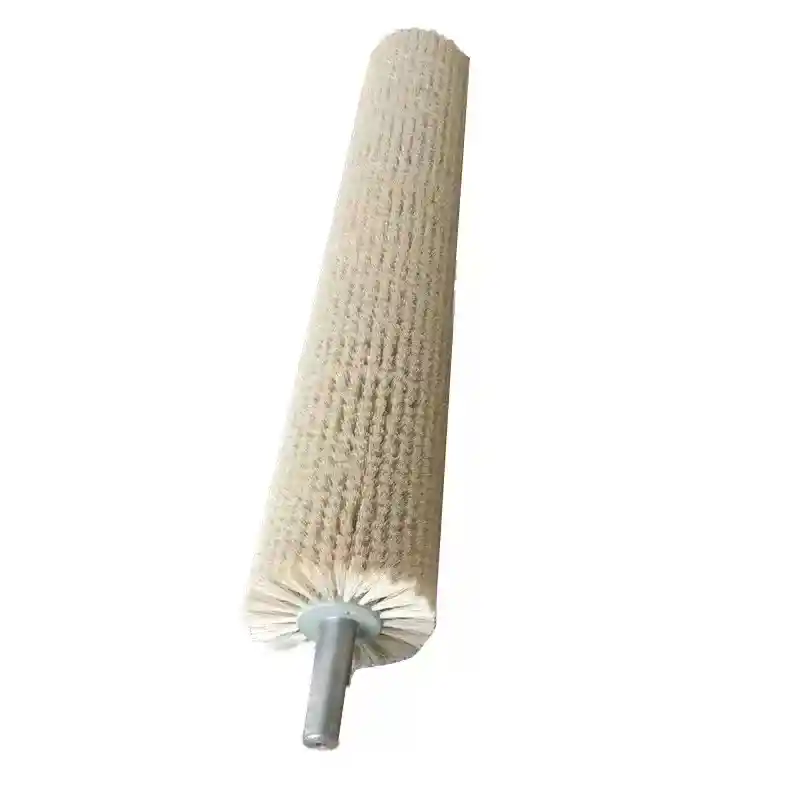
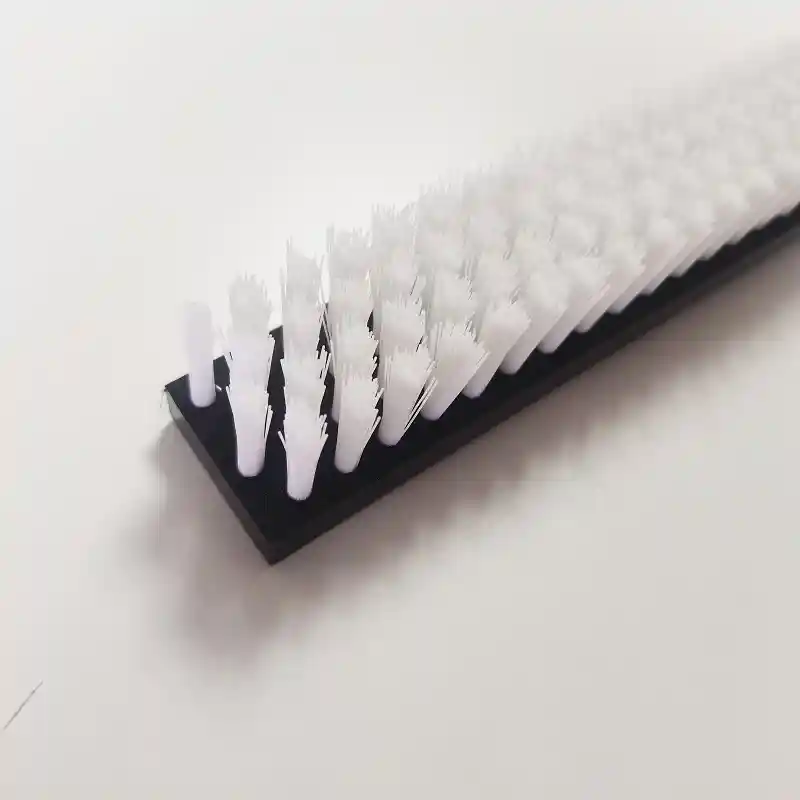
For general metal surface cleaning and light oxide removal, a cylindrical brush with abrasive nylon filaments loaded with silicon carbide or aluminum oxide grit gives a controlled, even cut. The brush runs against a stop or workpiece rest so that each part sees the same filament contact length. When the part has grooves or shoulders, I often specify a strip brush with dense, stiff bristles arranged along a linear holder. The workpiece slides past the strip brush, and the bristles reach into recesses that a rotating brush might skip.
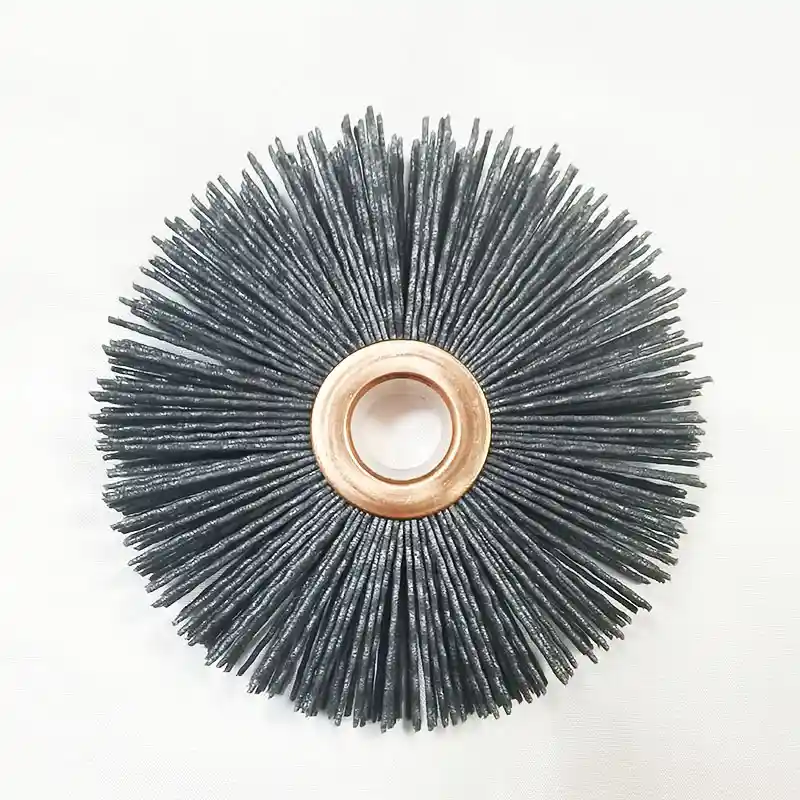
Wheel brushes integrated into the table handle flat surfaces and edge radiusing efficiently. A crimped wire wheel brush removes mill scale and rust without gouging the base metal, and it leaves a uniform matte finish that takes coating well. For final polish, a softer nylon wheel brush with finer abrasive gives the required brightness without altering part geometry. The mix of brush types on a single table lets you build a complete finishing recipe without changing machines.
Honesty demands that I point out a common failure point: brush talk. A brush that matches the material but runs at the wrong speed or with too much interference will over‑brush edges, waste bristles, and produce an inconsistent finish. The table’s speed controls and brush holders must allow fine adjustments, and the brush diameter and filament density need to be selected together, not as separate choices.
How Can You Integrate a Brush Table into Your Production Line?
Retrofitting a brush table into an existing line is less about the table hardware and more about how work reaches the station. The most straightforward integration replaces a manual finishing cell. The table sits where the old bench and buffing wheels were, and operators load from the same bin. The immediate improvement is that one operator controls the entire finishing sequence, so quality is no longer spread across three or four sets of hands.
When the line is partially automated, the brush table often acts as a bridge between CNC machining and wash. I’ve worked on projects where a custom‑width brush table accepted parts directly from the machine’s outfeed conveyor. The operator only needed to orient the part once, then slide it through a series of brush stations that deburred the machined edges, broke sharp corners, and applied a uniform surface texture before the part entered the wash line. That eliminated a manual bench that was consistently the bottleneck.
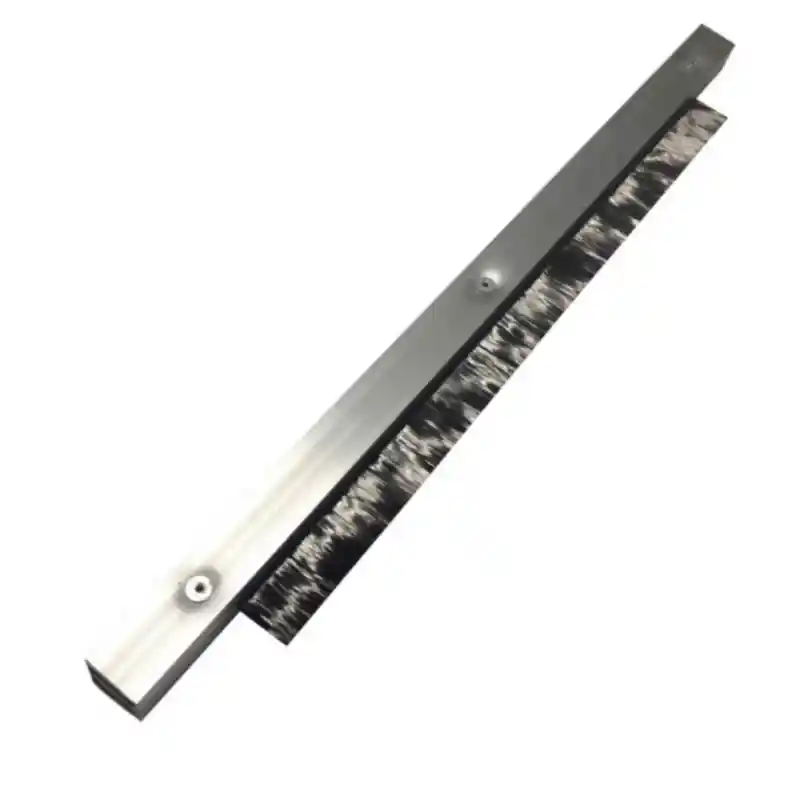
Automation‑ready brush tables can also be specified with programmable brush positions, automated part clamping, and dust extraction hoods. That moves the station from operator‑dependent to fully repeatable. The decision point most shops miss is the effort of operator retraining. A brush table simplifies the motion, but the operator still needs to understand the correct orientation and feed speed for each part family. I always recommend a half‑day commissioning run where your finishing supervisor works alongside the table supplier to calibrate the settings and train operators on the go/no‑go visual inspection.
If your program involves re‑tooling between product runs, it is worth confirming that the brush table can be reconfigured quickly. Reach out at [email protected] and we can review your production mix to avoid a setup that creates a bottleneck.
What Is the Real Cost and Payback of a Custom Brush Table?
The upfront cost of a heavy‑duty brush table is rarely the sticking point. What stalls decisions is uncertainty about whether the payback numbers will hold once the table is in production. I understand that concern, especially in shops where margins are thin and capital expenditure gets extra scrutiny.
Start with direct labor savings. If one operator can process the same volume that previously required two or three, the labor cost reduction alone often recovers the table cost within twelve to eighteen months. Add the scrap reduction from improved consistency; a controlled brush process eliminates operator‑induced over‑brushing and missed edges. In a facility running hundreds of parts per shift, even a 2 percent scrap rate reduction compounds quickly.
Then there’s the less obvious throughput uplift. When the brush table cuts cycle time by a third, the same shift outputs 30 percent more parts without extra machines or energy consumption. That additional capacity either covers growth or lets you retime operations to eliminate overtime. The table’s brush wear also tends to be more predictable than manual brushing because speed and pressure stay within specifications. You change brushes based on a part count, not because an operator felt they were dull.
The payback calculation has to be run against your specific part mix. Send your part numbers, quantities, and current cycle times to [email protected], and I’ll help you work out where the brush table slots into your line and what the improvement looks like in real numbers. You can also reach us at +86 1580 0932 713.
What Custom Brush Table Design Factors Should You Control?
Off‑the‑shelf brush tables exist, but most production environments I’ve supported eventually need some level of customization. The four design decisions that will either make the table pay for itself or gather dust are brush type, brush density, table work surface, and dust/fume management.
Brush type and density determine the finishing capability. If you’re processing both cast iron and aluminum, you need different abrasive grades and bristle stiffnesses for each material family. A table with quick‑change brush holders and dedicated drive motors per brush station lets you swap brush sets in minutes. The alternative is a table that sits idle whenever the product mix shifts.
The table work surface must handle your largest part envelope with room for the operator to position and rotate the workpiece freely. I’ve seen tables built too small because someone optimized for the average part and ignored the occasional large housing that then had to go back to a manual bench. Overbuild the working surface size by 20 percent, and you avoid that bottleneck completely.
Dust and fume capture is not a secondary consideration, it’s a safety and quality requirement. Abrasive brushing generates fine particulate that settles on every nearby surface and can contaminate sensitive assemblies. Integrating proper extraction hoods and connecting them to your existing dust collection system turns an environmental nuisance into a clean, compliant station.
How Can You Get the Right Brush Table Configuration for Your Line?
You won’t find the optimal brush table setup in a catalog. The table that works for your neighbor’s operation will frustrate your operators if your part geometry, material mix, or throughput targets differ by even a modest margin. That’s why I spend the first call on what your parts look like today and what they might look like next year, because a table that can’t adapt to your product roadmap will be obsolete before it’s fully paid for.
We build every brush table at Huixi Brush to the specific bristle material, brush type, table dimensions, and drive configuration your finishing process requires. Sixteen years of custom brush manufacturing and direct production experience in our Anhui facility give us the practical knowledge to recommend a configuration that will integrate cleanly into your existing workflow. Whether you need a single‑station table for edge deburring or a multi‑head table that handles cleaning, brushing, and polishing in one sequence, our engineering team starts from your part print and process requirements.
Send your part numbers and current finishing process details to [email protected], or call us at +86 1580 0932 713. Once we understand your production volumes and surface finish targets, I can provide a preliminary configuration and rough cost picture within a few working days. There’s no commitment required at that stage, just a straightforward technical discussion that often surfaces improvements even before any order is placed.
Common Questions About Heavy‑Duty Brush Tables
Can a brush table replace all manual finishing on a mixed‑part line?
It depends on the part variety and the finishing calls. In lines where parts share similar edge profiles and surface requirements, a single brush table with quick‑change brushes often eliminates manual finishing entirely. However, if your mix includes large weldments that require overhead grinding or parts with deep internal cavities, you may still need a manual station for those specific tasks. The brush table handles the repetitive, high‑volume work that manual operators tire of, leaving the skilled hand‑finishing for the exceptions.
What bristle material should I specify for light deburring of aluminum without scratching the surface?
For aluminum, I recommend a nylon brush filament impregnated with aluminum oxide or silicon carbide abrasive in a fine grit range, typically 320 to 600, depending on how light the burr is. Nylon is softer than the aluminum surface when not loaded with abrasive, but the embedded grit does the cutting. The key is to run the brush at the manufacturer’s recommended speed and with light interference, so the filament tips slide across the edge rather than digging in. A quick trial on some scrap parts confirms the speed and pressure window.
How long do the brushes last before they need replacement?
Brush life is measured in part cycles, not calendar days. In a well‑controlled production environment where speed, pressure, and part orientation are consistent, a quality abrasive nylon brush might process 50,000 to 100,000 parts before it no longer meets the surface finish specification. Wire brushes wear mainly through bristle breakage, and that rate depends on whether the bristle material matches the workpiece hardness. We typically recommend setting up a brush change schedule based on a documented part count, because waiting until the operator notices a finish change means you’ve already been shipping borderline quality for some time.
Can I test a brush table configuration before committing to a full production unit?
Absolutely. Many of our customers start with a small set of brush heads mounted on a basic frame to prove out the process on their own parts. We can supply sample brushes in the proposed configurations so you can run your own finishing tests, and we’ll work with your team to evaluate surface finish data and cycle time. This prototyping stage often reveals small adjustments that make a big difference before scaling up to the full table. Share your requirements with us at [email protected], and we can put together a sample set and a pre‑production evaluation plan that makes sense for your timeline.
If you’re interested, check out these related articles:
advantage of hx cylindrical nylon brushes
honing brush treat burrs in barrel parts without affecting accuracy and scale
brass brushes work perfectly for pipe cleaning