
The Changzhou auto lighting exhibition circuit is not just another trade show stop — it is the most direct route for manufacturers in this industrial cluster to convert production capacity into export contracts. Over the past decade of working with automotive suppliers across Jiangsu, I have seen a clear pattern: the manufacturers who secure repeat international orders are the ones who embed themselves in buyer-dense exhibition environments where the cluster identity carries recognition. This article explains what Changzhou lighting manufacturers bring to the table, who comes to source these products at major Shanghai events, and what practical steps turn a standard booth into a reliable order pipeline.
The Changzhou Auto Lighting Advantage
Changzhou’s auto lighting manufacturing base, concentrated in the Menghe area, has evolved into a full-stack ecosystem. More than 800 enterprises produce headlamps, tail lights, fog lamps, LED daytime running lights, and auxiliary lighting for passenger vehicles, commercial trucks, and two-wheelers. The cluster covers everything from injection molding and reflector coating to electronic module assembly, so a single production cluster can deliver complete lamp assemblies without sourcing subcomponents across provinces.
This industrial density shapes how international buyers evaluate suppliers. When a procurement team from Southeast Asia or the Middle East visits a Shanghai expo, they do not arrive with an open-ended request for “auto lights.” They arrive with a capacity question: can this supplier deliver production volumes at export quality, and can they do it within a shipping window? A Changzhou manufacturer exhibiting within a cluster-recognized zone signals both things immediately. The zone itself functions as a pre-filter: anyone exhibiting from this region carries a baseline capability that visiting buyers understand even before the first conversation.
Who Attends International Auto Parts Expos
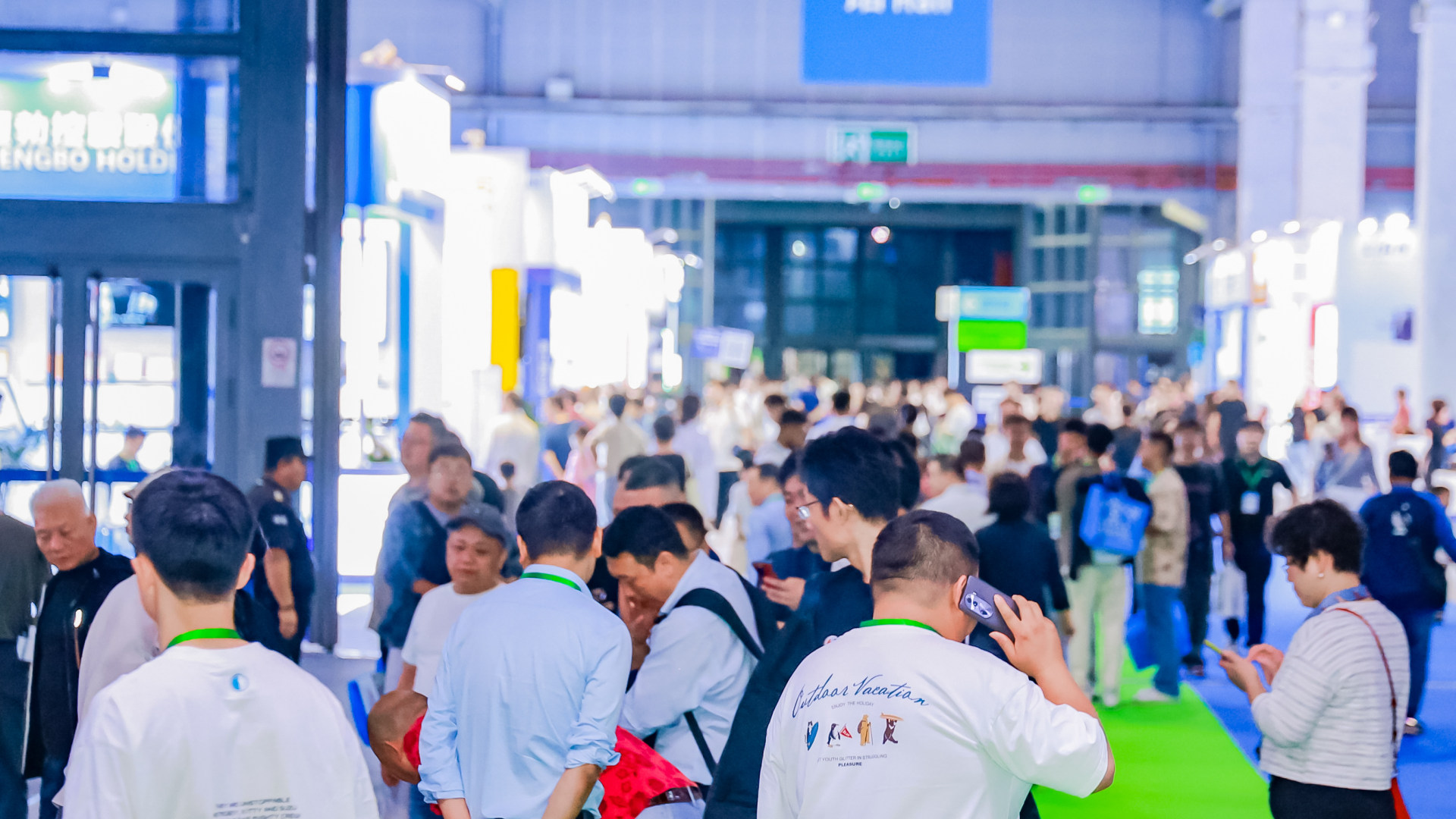
The buyer demographic at major Shanghai automotive trade fairs is more structured than many first-time exhibitors assume. Through the APES Auto Parts Expo Shanghai platform, we track that the majority of international visitors are procurement managers from aftermarket distributors, OEM component sourcing teams from emerging vehicle programs, and regional wholesalers building multi-brand catalogs. Countries represented range from Thailand, Indonesia, and Vietnam to Saudi Arabia, Turkey, and Nigeria — markets where affordable, certified replacement lighting is in constant demand.
This matters because it defines the type of conversation you need to be ready for. A Middle Eastern distributor evaluating ten headlight suppliers will compare unit costs, yes, but they will also compare packaging durability, labeling compliance with Gulf standards, and the supplier’s ability to provide E-mark or DOT documentation without delay. If your exhibition booth treats these as afterthoughts, you lose the lead before price becomes the topic.
Products That Draw Buyer Attention
| Product Category | Typical Buyer Inquiry | What They Expect to Discuss |
|---|---|---|
| LED headlight assemblies | Aftermarket distributors upgrading from halogen | Beam pattern compliance, lumen output, heatsink design |
| Tail light units | OEM and collision replacement | Lens material, ECE certification, red/amber separation |
| Fog and auxiliary lights | Specialty importers and off-road brands | IP rating, bracket options, SAE or ECE marks |
| Motorcycle lighting | Southeast Asian and Latin American wholesalers | Voltage range, connector type, model compatibility |
Smart exhibitors organize their display not around what they make but around what buyers need to verify. Position a spec sheet binder beside each sample, with your ISO 9001 or IATF 16949 certificate visible on the shelf. Keep a stack of technical drawings on a separate table for experienced buyers who will ask for them without prompting. Avoid the common mistake of covering every surface with products; instead, create two or three clear sightlines that pull a buyer from the aisle to the back of the booth where a seating area allows for substantive discussion.
If your lighting program involves niche certifications like GCC for Gulf markets or INMETRO for Brazil, it is worth confirming before the show exactly which documents you can provide immediately versus which require factory audit. Reach out at [email protected] to discuss your certification portfolio and get feedback on how to position it at the booth.
Setting Up an Exhibition Booth That Works
Booth configuration can be standard shell scheme or custom raw space, and each choice affects buyer perception. A shell scheme booth with uniform fascia and basic furniture keeps the focus on the products themselves, but limited wall space can reduce the number of samples visible from the aisle. Raw space builds allow for taller lighting rigs and branded environments, but require upfront investment and a clear concept — without it, a large empty floor reads as unprepared.
Based on my experience managing exhibitor services for multiple international shows, the most common regret I hear from lighting manufacturers is underinvesting in real-time product demonstrations. A headlight plugged into a 12V power supply that actually illuminates a section of the booth wall with a beam pattern demonstration does more to sell export capability than any catalog page. Prepare a short demo loop: one sample showing low beam cutoff, one showing high beam, one showing sequential turn signal function. Keep a maintenance kit on hand for quick fixes; a dead bulb during opening hours loses you a conversation.
Turning Encounters into Export Contracts
Lead capture at the booth is only the start. The real work begins when you return from Shanghai and follow up on each inquiry with a tailored communication. Buyers who attended the exhibition are typically evaluating five to ten suppliers in parallel, so the first supplier to deliver a complete quotation with lead time, packaging specifications, and minimum order quantity usually enters the negotiation first.
Create a follow-up template that references the conversation: “We discussed your requirement for 800 units per month of the 7-inch round LED headlight with E-mark certification.” Include a quotation PDF, an IMDS declaration if relevant, and a sample timeline. Avoid sending a generic company introduction — the buyer already met you, so re-establishing context wastes the advantage of an in-person meeting. For inquiries that requested tooling modifications, provide a feasibility confirmation within 72 hours, even if the final answer is pending. Speed at this stage signals production agility more than any brochure claim.
Where Changzhou Lighting Manufacturers Find Their Next Buyer
The volume of qualified buyers moving through a well-organized Shanghai expo makes it the most efficient place to meet the international market in one trip. Instead of traveling to five different country offices, a Changzhou lighting manufacturer exhibiting at APES Auto Parts Expo Shanghai can hold sales conversations with procurement teams from over 100 countries in three days. The exhibitor support team handles freight forwarding, booth construction, and buyer matchmaking, so operational details do not drain engineering time. To discuss your product line and receive a participation proposal with booth options and buyer audience data, contact us at [email protected] or call +021-60280788.
Questions Export-Minded Lighting Manufacturers Ask
Which certifications do international buyers actually require?
The non-negotiable minimum varies by destination. European aftermarket requires ECE R10 and R112 for most lighting functions. GCC markets demand the GSO conformity certificate and ECE-compliant markings. North American buyers expect DOT/SAE certification. A practical approach is to certify your core product line for ECE first — that standard is recognized across the largest number of markets — then add GCC or DOT based on the buyers you actually meet at the show.
I produce small LED auxiliary lights. Will buyers at a major exhibition take my product line seriously?
Yes, if you present it as a specialized line rather than a handful of SKUs. We have seen small auxiliary light manufacturers secure significant export deals because they focused on a single vehicle category — for example, interior dome lights for commercial vans — and demonstrated that depth at the booth. The key is to avoid spreading across six unrelated categories and instead signal that you are the supplier for a specific lighting need, complete with technical documentation.
What if I cannot afford a large raw space booth?
A standard shell scheme booth, positioned well and prepared with clear samples and documentation, consistently generates serious inquiries. The primary driver of booth performance is not square meters but the quality of the conversations. I recommend allocating your budget toward shipping a wider range of physical samples rather than building a high-cost custom structure on a small footprint. A 9-square-meter booth with 15 working samples, each accompanied by a one-page spec sheet, outperforms a 36-square-meter raw space with five products on pedestals.
How soon after the exhibition can I expect purchase orders?
Immediate orders on the floor are rare in the automotive lighting sector — most buyers need to verify samples, negotiate terms, and sometimes visit the factory. However, exhibitors who send a complete follow-up quotation within one week typically begin receiving trial orders within four to eight weeks. The timeline compresses if you can ship samples promptly. Share your requirements and we will confirm lead time and packaging guidance to help you deliver samples within buyer evaluation windows.
If you’re interested, check out these related articles:
APES 2026 to Redefine Global Sourcing Landscape as Automotive Industry Eyes Resilient Future
Tomorrow World: Innovation Achievement Exhibition and Industry Future Forum