

Fuel ethanol supplier selection is a strategic decision that extends far beyond price per liter and delivery schedules. It shapes the long‑term viability of your corn‑to‑energy investment, from feedstock handling and plant efficiency to by‑product revenue and environmental compliance. Too many buyers evaluate suppliers on metrics that look complete on paper but overlook the integrated value chain that determines a plant’s profitability and resilience. In this article, we’ll break down the critical factors you need to weigh—from quality specifications and production capability to sustainability, after‑sales support, and the often‑neglected role of by‑product utilization—so that your supplier choice becomes a foundation for long‑term success rather than a recurring source of risk.
Why Is Fuel Ethanol Supplier Selection a Strategic Decision?
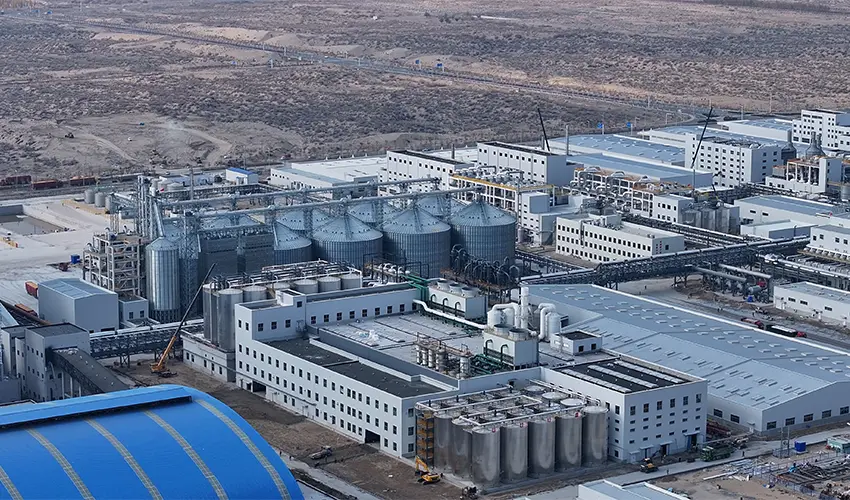
A fuel ethanol plant is not a collection of separate machines; it is an industrial ecosystem where grain storage, milling, fermentation, distillation, dehydration, stillage processing, and energy recovery must work as one. When a supplier treats these units as isolated equipment orders, integration gaps surface during commissioning—and they surface at the client’s expense. I’ve seen projects where a supplier was chosen purely based on equipment price, only to face months of delays because the provider lacked experience in tying waste recovery systems into the overall energy balance. Those delays directly erode the return that justified the project. A strategic supplier, by contrast, brings system‑level thinking from the start, reducing the risk that one weak link compromises the whole plant.
What Are the Key Quality Specifications for Fuel Ethanol?
Fuel ethanol specifications are defined by standards that matter for engine protection and blend integrity. In the United States, ASTM D4806 governs denatured fuel ethanol; in Europe, EN 15376 applies. Buyers must confirm that a supplier’s plant can consistently hit the required marks—not just in a single test run, but across seasons and feedstock variations.
| Parameter | ASTM D4806 |
|---|---|
| Ethanol content | ≥ 92.1 vol‑% (denatured) |
| Water content | ≤ 1.0 vol‑% |
| Methanol | ≤ 0.5 vol‑% |
| Denaturant | 1.96‑4.76 vol‑% |
| Appearance | Clear, no visible contaminants |
Beyond the numbers, the supplier should provide third‑party test reports for every shipment and maintain a quality‑management system that handles traceability from grain receipt to final dispatch. When we design an alcohol plant at AGRIFAM, the testing regime is built into the control‑system architecture so that out‑of‑spec product is intercepted automatically, not after the fact.
How Does a Supplier’s Production Capability Affect Your Supply?
Production capability is not just about nameplate capacity. It spans the technology choices that determine energy consumption, the flexibility to handle different grain qualities, and the ability to deliver a project on a fixed schedule. For example, molecular‑sieve dehydration has become standard for anhydrous ethanol, but the efficiency of the sieve’s regeneration cycle can swing steam consumption by 15–20%. A supplier with deep process‑engineering expertise will optimize those parameters during design, not during commissioning.
A second dimension is integration. If the supplier can offer full engineering, procurement, and construction (EPC) services, the client avoids the hidden cost of coordinating multiple contractors. AGRIFAM’s alcohol solution, for instance, wraps grain handling, fermentation, distillation, and by‑product systems into a single execution plan, so that responsibility for interface points—electrical, piping, control logic—sits with one team. For a buyer, that translates into a faster ramp‑up and fewer change orders.
If your project involves specific feedstock characteristics—high‑moisture corn, multiple grain types, or a requirement to recover food‑grade CO₂—it is worth confirming that the supplier can design a fully integrated system rather than bolting on third‑party modules later. Reach out to our team at [email protected] to discuss your plant’s particular needs.
Why Should Sustainability and By‑Products Influence Your Fuel Ethanol Supplier Selection?
The difference between a good ethanol project and a great one often lies in the revenue streams that sit behind the main product. DDGS, CO₂, and biogas are not leftovers; they are co‑products that, properly handled, can contribute 10–20% of total project revenue. A supplier that treats stillage drying as an afterthought or ignores biogas recovery is effectively handing that margin back to the market.
When we evaluate a plant concept, we look at the complete energy and material balance: can the waste heat from distillation drive the DDGS dryers? Is the organic load in the wastewater high enough to justify an anaerobic digester that feeds biogas to the boiler? These are not theoretical questions; they are the same engineering choices that separate a plant that merely operates from one that operates profitably. AGRIFAM’s alcohol projects are built around energy‑cascade utilization—using high‑temperature heat at the distillation column and low‑temperature heat for stillage concentration—so that the plant’s own waste becomes part of its energy supply. Choosing a supplier that brings this mind‑set from the beginning means the by‑product systems are designed in, not retrofitted later.
What After‑Sales Support and Technical Service Should You Expect?
An ethanol plant runs 8,000 hours a year, and the first 2,000 hours after commissioning reveal every gap between design intent and operational reality. A supplier that has completed dozens of projects will have standard operating procedures for those early months: dedicated commissioning engineers, structured operator training, and remote diagnostic access to the control system. After the warranty period, the relationship should evolve into performance monitoring and periodic process audits that keep energy and yield at target.
AGRIFAM’s model goes beyond equipment delivery: we stay with the client through commissioning, provide operator training on‑site, and offer long‑term upgrade support as the plant’s product mix or environmental requirements change. For a buyer, the question to ask is simple: will the supplier’s engineers still be reachable in year five, or will they have moved on to the next project?
How to Compare Fuel Ethanol Supplier Proposals and Finalize Your Decision
Proposals for a fuel ethanol plant can look similar on price while being radically different in scope. A disciplined evaluation separates the quotes that include only core equipment from those that span utilities, civil works, and automation. The table below gives a practical lens for screening suppliers.
| Factor | Key Questions to Ask |
|---|---|
| Quality assurance | Are ASTM D4806 test protocols embedded in the control system? |
| EPC experience | How many complete ethanol plants has the supplier delivered, and in which markets? |
| By‑product integration | Does the scope include DDGS drying, CO₂ recovery, and anaerobic wastewater treatment? |
| Energy efficiency | Is energy‑cascade design part of the basic engineering, or an optional extra? |
| After‑sales support | What is included in commissioning, and what does ongoing technical support cover? |
A final step that separates serious buyers from specifiers is a structured reference visit. Talk to plant managers, not just executives, and ask about the three hardest months after start‑up. Their answer tells you more about the supplier than any brochure.
Selecting a fuel ethanol supplier is a decision that influences your plant’s performance for decades. A supplier that integrates the entire corn‑to‑energy value chain—grain storage, ethanol production, by‑product utilization, and energy management—reduces your risk and improves long‑term profitability. At AGRIFAM, we bring more than fifteen years of agricultural system integration experience to every project. To discuss how our turnkey alcohol production solutions can fit your requirements, contact us at 010‑8591 2286 or [email protected]. Share your project details and we will provide a customized evaluation.
Common Questions About Fuel Ethanol Supplier Selection
What is the difference between fuel ethanol and industrial alcohol?
Fuel ethanol is specifically denatured for use as a transportation fuel blend, meeting ASTM D4806 or equivalent standards. Industrial alcohol—anhydrous ethanol for chemicals or solvents—has different purity and denaturing requirements. When you select a supplier, confirm they have built plants that deliver the exact grade you need, because the finishing steps, from denaturant injection to final quality verification, are not interchangeable.
How long does it take to design and build a fuel ethanol plant?
A typical EPC timeline for a grain‑based fuel ethanol plant runs 18 to 30 months, depending on capacity and site conditions. A supplier with integrated project management can compress that window by coordinating engineering, procurement, and construction under one roof. At AGRIFAM, our global project experience has taught us that the critical path often lies in permitting and utility connections—factors that a single‑point EPC contractor can de‑risk from the first feasibility study.
Do I need a supplier that handles by‑products, or can I add those systems later?
You can add them later, but that approach almost always costs more and delivers less. When DDGS drying, CO₂ recovery, and wastewater biogas are designed into the original plant, the heat integration works across all units, and the civil works are sized correctly. Retrofitting a CO₂ liquefaction unit into a completed plant, for instance, frequently requires new foundations, electrical feeds, and piping runs that would have cost a fraction of that amount during initial construction.
How do I verify a supplier’s track record?
Ask for data from operating plants, not just a list of projects. The supplier should be willing to provide production figures, energy consumption per liter, and plant availability over a full operating year. A supplier that hesitates to share real plant data is likely selling promises, not performance. If your project involves a flexible product slate—fuel ethanol, anhydrous industrial alcohol, or even food‑grade CO₂—share your requirements with us at [email protected] and we can confirm compliance documentation availability and the process configuration that matches your market.
If you’re interested, check out these related articles:
Driving Global Food Conservation Through Technological Innovation