
Fuel ethanol blending is not only a downstream fuel problem. It starts with grain selection, fermentation control, dehydration depth, and plant logistics. For procurement teams and project developers comparing E10, E15, and E85 supply, the specification differences determine storage materials, denaturant use, water tolerance, and engine compatibility. Over fifteen years in agricultural industry chain planning, I have seen blending programs succeed when the plant is designed backward from the final ethanol specification. Get the specification right before the corn arrives, and the blend works; reverse the sequence, and rework appears at the terminal.
What Fuel Ethanol Blending Means for Gasoline Markets
Fuel ethanol blending turns a single agricultural product into a fuel component with three distinct market roles. E10 remains the baseline in many mandate markets because it works with existing gasoline infrastructure. E15 expands renewable volume at a modest specification change. E85 shifts the logic: the ethanol becomes the primary fuel, not an additive. Each position changes the quality risk profile. A blendstock that meets E10 tolerances may not meet E85 cold-start and water tolerance demands. Buyers who treat all fuel ethanol as interchangeable end up with off-spec at the rail terminal or seasonal blending failures. I have watched projects lose months over this assumption, not because the ethanol was poor but because the specification was written for the wrong blend.
How E10, E15, and E85 Specifications Differ
The differences sit in ethanol content, vapor pressure, water tolerance, and denaturant handling. E10 and E15 use denatured fuel ethanol at low to mid blend levels, where the base gasoline still carries most of the volatility. E85 is not simply more ethanol; it is a separate fuel with seasonal volatility adjustments and higher water absorption limits. The table below summarizes the operating distinctions.
| Blending grade | Typical ethanol share | Governing ethanol standard | Main infrastructure impact |
|---|---|---|---|
| E10 | Up to 10% | ASTM D4806 or EN 15376 | Minor; existing gasoline storage mostly compatible |
| E15 | Up to 15% | ASTM D4806 or EN 15376 | Vapor pressure management and materials check required |
| E85 | 51% to 83%, seasonal | ASTM D5798 | Dedicated tanks, dispensers, and engine calibration required |
For a blender, the standard is the starting point. The harder question is whether the delivered ethanol can stay within specification after blending, transport, and terminal storage. E85 blends demand tighter control over water because phase separation can occur when the fuel cools and absorbs moisture. This is why E85 specifications often manage vapor pressure and ethanol content differently across summer and winter grades.
What Determines Whether a Fuel Blend Fits an Engine Fleet
Engine compatibility is not a marketing claim; it is a design limit. E10 is broadly accepted for gasoline engines built after the 1990s. E15 is approved for newer vehicles in several markets but requires labeling and dispenser safeguards because older engines and small equipment may sit outside the approval range. E85 belongs in flex-fuel vehicles with ethanol sensors or oxygen sensor mapping designed for varying ethanol content. The consequence of putting E85 into a non-compatible fleet is not immediate failure in every case; it is accelerated seal degradation, lean operation, and fuel system corrosion over time. Fleet operators should not ask whether ethanol is good or bad. They should ask which blend the engine control system is designed to tolerate, and then source to that limit.

What Blending Parameters Procurement Teams Should Verify
Procurement teams should verify several parameters before signing an off-take agreement. Water content in the delivered fuel ethanol sets the phase separation margin for the target blend. Denaturant type and concentration must match the receiving market, because a wrong denaturant can block regulatory acceptance even when the ethanol itself is dry. Vapor pressure behavior matters for summer E85 and winter E85, which are not the same fuel. Sulfate, acidity, and pH values affect fuel system compatibility and deposit formation. A specification sheet that lists only ethanol percentage is incomplete. The buyer who asks for the full ASTM or EN parameter list and a certificate of analysis for each railcar or vessel lot avoids most terminal rejections.
If your blending program involves E85 or seasonal E70/E85 transitions, confirm the water tolerance and denaturant specification with your ethanol supplier before finalizing the off-take agreement. Send your target blend and storage conditions to [email protected] and we will confirm the required fuel ethanol specification for your terminal.
How a Fuel Ethanol Plant Meets E10, E15, and E85 Supply
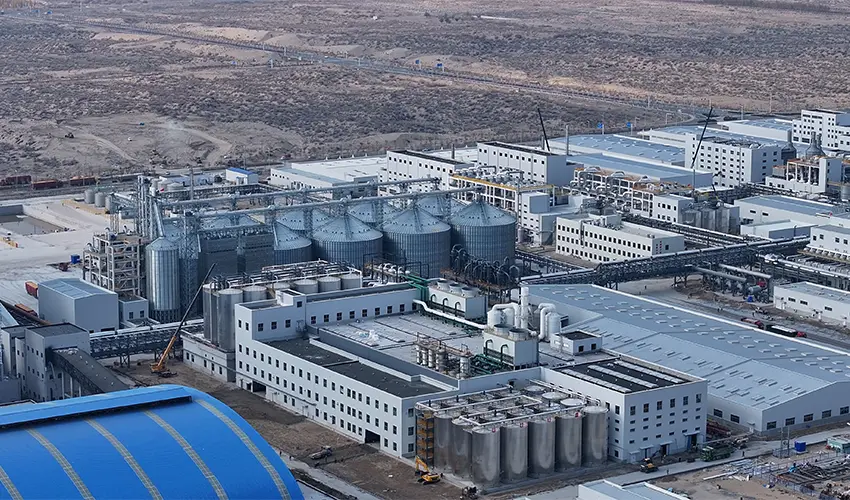
A fuel ethanol plant should be designed from the blend backward, not from the corn forward. At AGRIFAM, we treat alcohol production as part of a wider grain processing chain: corn purification, fermentation, distillation, molecular sieve dehydration, stillage recovery, and biogas use in one flow. E10 and E15 supply favor plants that can hold tight water content after dehydration and deliver consistent denaturant blending. E85 supply favors plants with storage flexibility, seasonal grade management, and rail or truck loading systems that keep water out during transfer. An integrated plant with energy cascade use and wastewater treatment also lowers the operating cost per liter, which matters more for E85 margins than for any other blend. The specification tied to each blend level is not a downstream problem; it is a plant configuration problem.
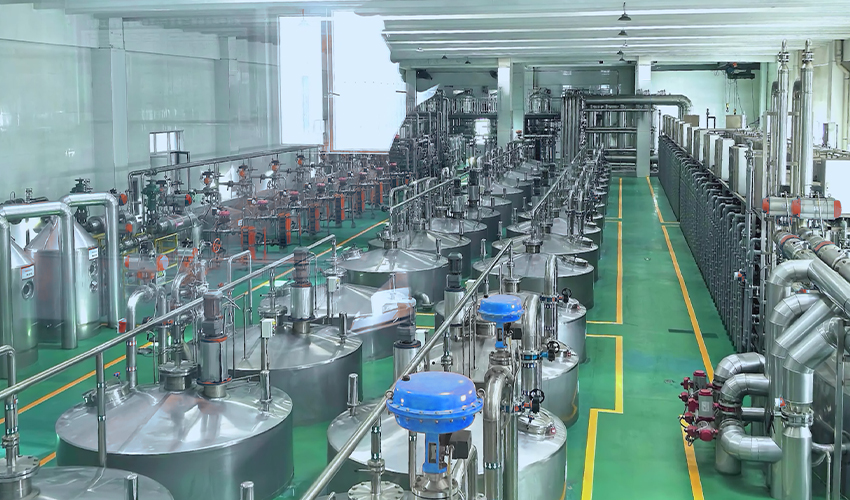
For owners planning a new fuel ethanol line, the specification decision drives fermentation, distillation, and dehydration design. Share your target blend, capacity, and feedstock with our team at [email protected] or call 010-8591 2286; we will confirm the process configuration and blending parameters that match your market.
What Else Do Blenders Ask About Fuel Ethanol Blending?
Does E10 fuel work in all gasoline engines?
E10 works in most gasoline engines, but approval is a vehicle certification question rather than an ethanol quality question. Manufacturers in major markets have designed gasoline engines for E10 since the 1990s, and the remaining hold-out categories are mainly small engines, marine equipment, and older vehicles. Before a fleet switches wholesale to E10, the operator should confirm the owner manual and any local mandates. This is rarely an ethanol production issue; it is a compatibility record issue.
Why does E85 fuel require a different engine calibration?
Many people assume E85 burns hotter; it actually requires higher fuel flow. Ethanol has lower energy density than gasoline, so a flex-fuel engine must deliver more volume to maintain the same air-fuel ratio. The engine control module adjusts injector pulse width, ignition timing, and sometimes cold-start fueling. Without those adjustments, an engine running E85 can run lean and lose power. The calibration is not a premium feature; it is the mechanism that makes variable ethanol content safe over the life of the vehicle.
What is the difference between denatured fuel ethanol and anhydrous ethanol?
It depends on how the ethanol enters the fuel supply. Anhydrous ethanol is high-purity product before it becomes taxable fuel. Denatured fuel ethanol has a small amount of approved denaturant, often natural gasoline or similar hydrocarbons, added to make it unfit for beverage use and to meet fuel tax rules. If the final use is gasoline blending, the buyer normally requests denatured fuel ethanol under ASTM D4806 or EN 15376, not anhydrous product. If the ethanol is intended for chemical or beverage processing, the denaturant changes the product completely and the specification path separates.
How should fuel ethanol be stored before blending?
In projects we have planned, the biggest storage risk is not evaporation but water pickup. Ethanol is hygroscopic. A tank that breathes humid air can raise water content enough to move an E85 blend toward phase separation. Storage should use floating roofs or nitrogen blanketing, water detection, and dry rail or truck loading connections. Routine sampling at the top, middle, and bottom of the tank detects stratification before it becomes an off-spec load. The storage system is part of the specification; a dry product can arrive at a wet terminal and fail blending.
What ethanol specification should a blender request for E15?
The more useful question is which parameter range the terminal can protect. E15 blenders need the same fuel ethanol base as E10 under ASTM D4806 or EN 15376, but the finished gasoline must still meet vapor pressure and driveability requirements. Sulfate, acidity, and water limits matter more as ethanol share rises. Instead of requesting a higher ethanol purity number, specify the full parameter set and test frequency. Share your blend target and terminal design with [email protected], and we will confirm the specification points that keep the finished fuel within market requirements.
If you’re interested, check out these related articles:
Driving Global Food Conservation Through Technological Innovation