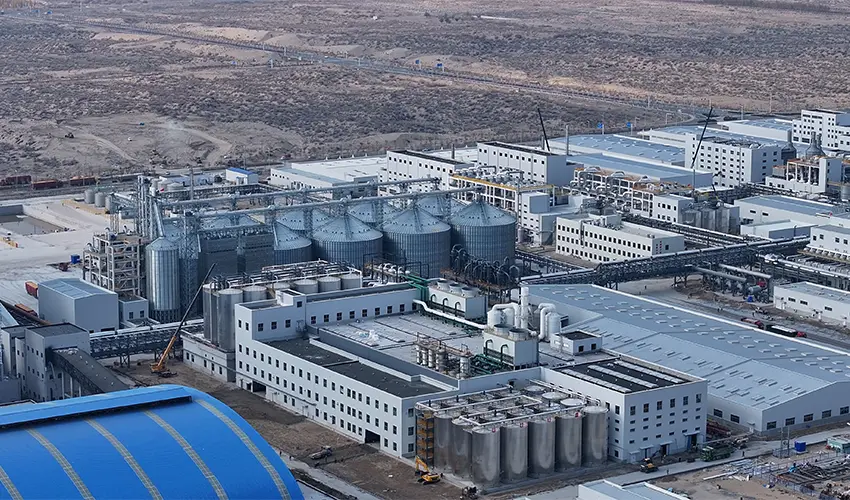

The search for a reliable food-grade liquid CO2 supplier often leads to ethanol plants, where fermentation naturally generates a high-purity carbon dioxide stream. But not every plant captures that CO2, and fewer still maintain it at food-grade quality through final delivery. The real differentiator is whether the capture system was integrated into the plant from the start. When CO2 recovery is designed as part of the alcohol production process, not bolted on afterward, procurement teams gain a traceable, certified supply that meets ISBT standards and supports circular economy objectives. This article examines how fermentation-based CO2 recovery works, why plant integration is the critical quality gate, and what questions to ask when evaluating a supplier.
What Is Food-Grade Liquid CO2 and Why Is Purity Critical?
Food-grade liquid CO2 is carbon dioxide that meets strict purity standards for direct contact with food and beverages. It is used to carbonate soft drinks and beer, flash-freeze meat and produce, and modify atmosphere packaging to extend shelf life. Unlike industrial-grade CO2, which may contain traces of sulfur, hydrocarbons, or other contaminants, food-grade CO2 must satisfy limits set by the International Society of Beverage Technologists (ISBT) and national food safety regulations. A single impurity can alter taste, damage brand reputation, or force a product recall. For procurement teams, verifying that a supplier consistently meets these purity thresholds is the first non-negotiable requirement.
How Is CO2 Recovered from Ethanol Fermentation?
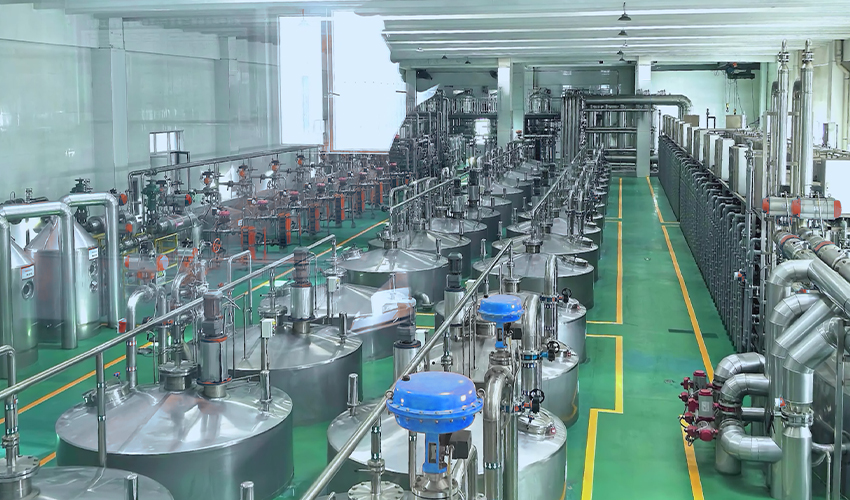
During ethanol fermentation, yeast converts corn starch sugars into ethanol and releases nearly equal volumes of carbon dioxide. This CO2 is captured from the fermenter headspace at close to 99% purity before any external contamination enters the stream. The raw gas passes through a scrubber that removes ethanol and water-soluble compounds, followed by a compressor that raises the pressure for downstream treatment. A drying step removes residual moisture, and a series of activated carbon and molecular sieve beds adsorb trace sulfur, aldehydes, and light hydrocarbons. The purified gas is then cooled and condensed into liquid CO2 for storage and transport.
The table below highlights the typical purity differences between food-grade and industrial-grade CO2:
| Parameter | Food-Grade CO2 | Industrial-Grade CO2 |
|---|---|---|
| Purity (CO2) | ≥ 99.9% | ≥ 99.5% |
| Sulfur (as H2S) | ≤ 0.5 ppm | ≤ 5 ppm |
| Total hydrocarbons | ≤ 25 ppm | ≤ 100 ppm |
| Oxygen | ≤ 10 ppm | Not specified |
| Odor and taste | None | May be present |
When capture, purification, and liquefaction run as a single, continuous chain, the risk of recontamination between steps is minimal. This is where plant-level integration becomes decisive.
Why Is Plant Integration Key to Food-Grade CO2 Quality?
In our work with alcohol EPC projects, we have observed that CO2 quality begins to deteriorate the moment the gas leaves the fermenter and enters shared piping or temporary storage. A dedicated, integrated recovery system, by contrast, keeps the gas in a closed loop from source to liquefaction. In a greenfield ethanol plant that AGRIFAM designs, the CO2 capture unit is co-engineered with the fermentation and distillation trains, so the gas path is short, the pressure drop is controlled, and the temperature profile stays within the narrow band that prevents condensation of unwanted volatiles.
This integration also brings operational reliability. Waste heat from distillation can be cascaded into CO2 purification, lowering energy consumption. Maintenance schedules for fermentation and CO2 recovery are synchronized, reducing downtime. In retrofit or standalone recovery facilities, these synergies are impossible to replicate. For a buyer, a supplier who operates its own integrated alcohol plant offers auditable traceability from corn intake to CO2 shipment—a level of transparency that external aggregators rarely provide.
If your project involves large-scale ethanol production and you are evaluating whether to capture CO2 at food-grade, confirm that your EPC contractor can deliver the entire integrated block, not just the fermentation island. Contact our engineering team at [email protected] to discuss how your specifications can be met within a single plant design.


What Should You Ask a Potential Food-Grade CO2 Supplier?
Experienced procurement teams start with a short list of questions that reveal whether a supplier controls the production chain or only packages and resells gas. First, ask if the CO2 is derived from biological fermentation. A bio-based source eliminates the risk of fossil-derived contaminants common in ammonia-plant CO2. Second, request a current ISBT or equivalent certificate and a specimen conformity report showing batch-level purity data. Third, ask for the nameplate CO2 recovery capacity and the actual production history over the last twelve months; a supplier running consistently below 70% of capacity may struggle with supply steadiness. Fourth, inquire about storage and distribution logistics: are the tanks and tankers dedicated to food-grade service, and are they cleaned and inspected on a documented schedule? Fifth, ask for a carbon-intensity figure for the delivered CO2, including the upstream corn farming and fermentation energy mix. Suppliers who cannot provide these data points should be considered less transparent than those who make them part of standard commercial documentation.
How Does Circular Economy Benefit Food-Grade CO2 Procurement?
Carbon dioxide from fermentation is intrinsically renewable. The corn plant absorbed CO2 from the atmosphere, the yeast converted it to ethanol and CO2, and the captured gas becomes a food-grade product without adding fossil carbon to the current carbon budget. When the alcohol plant also utilizes byproduct biogas for process heat and recovers animal feed in the form of DDGS, the entire facility operates as a biorefinery that converts a grain input into multiple revenue streams with minimal waste.
AGRIFAM’s integrated alcohol solutions couple energy cascade systems with biogas utilization to cut overall plant energy consumption by 25%, which directly reduces the carbon footprint allocated to each tonne of recovered CO2. For buyers subject to scope-3 reporting or corporate sustainability targets, sourcing CO2 from such a facility becomes an auditable carbon reduction action rather than an accounting exercise.
For procurement teams building a sustainable supply chain, our integrated alcohol plant solutions deliver a certified food-grade CO2 stream alongside fuel ethanol, DDGS, and starch co-products, backed by full traceability and renewable energy integration. Contact our team at 010-8591 2286 or [email protected] to discuss how our approach meets your volume and purity requirements.
Common Questions About Sourcing Food-Grade CO2
Is CO2 from ethanol fermentation safe for food and beverages?
Absolutely. The ISBT Guideline on Beverage Grade Carbon Dioxide explicitly accepts fermentation-derived CO2, provided the final product meets the same impurity limits as any other food-grade CO2. The multi-stage purification process—scrubbing, drying, carbon adsorption, and molecular sieve polishing—removes ethanol, acetaldehyde, sulfur compounds, and any other fermentation residues. In over fifteen years of engineering alcohol plants, we have seen this purification train produce CO2 that consistently passes the ISBT protocol with margins far below the specified ceilings.
How does food-grade CO2 differ from industrial-grade CO2?
The distinction lies in the impurity tolerances and the documentation that accompanies each shipment. Industrial-grade CO2 may contain tens of ppm of hydrogen sulfide, hundreds of ppm of hydrocarbons, and no guarantee of odor neutrality. Food-grade CO2, governed by ISBT and national food additive regulations, limits these contaminants to parts-per-million levels that are organoleptically undetectable. Every batch must be supported by a certificate of analysis; industrial gas suppliers rarely offer this level of traceability.
Can any ethanol plant produce food-grade liquid CO2?
Not automatically. A standard fuel ethanol plant vents CO2 to the atmosphere unless a recovery system is installed. Even when capture equipment exists, retrofitted plants often lack the dedicated piping and purification capacity to guarantee food-grade quality during peak fermentation cycles. New plants designed with CO2 recovery from the start—by an EPC team that understands both the alcohol process and the food-quality requirements—are far better positioned to deliver a certifiable product.
What standards apply to food-grade CO2?
The primary global reference is the ISBT Guideline for Beverage Grade Carbon Dioxide. In the United States, FDA 21 CFR 184.1240 recognizes CO2 as a direct food substance when manufactured with appropriate purity. The European Union lists CO2 under E 290. Each standard specifies maximum limits for sulfur, hydrocarbons, oxygen, and nitrogen oxides. A credible supplier will provide third-party audit reports demonstrating continuous compliance with the applicable standard for your market.
How can I verify a supplier’s CO2 recovery capability?
Request a technical review of the supplier’s process flow diagrams and equipment data sheets for the capture, compression, drying, and purification units. Ask for the most recent third-party audit report covering the CO2 production line, not just the ethanol plant. Suppliers that are also the alcohol producer can typically walk you through the entire gas path from fermenter to liquid storage because they own it. If you need to validate specific technical claims against your own quality requirements, share your specifications with our engineering team at [email protected]; we can help you assess whether the configured recovery chain will meet your application’s needs.
If you’re interested, check out these related articles:
Driving Global Food Conservation Through Technological Innovation