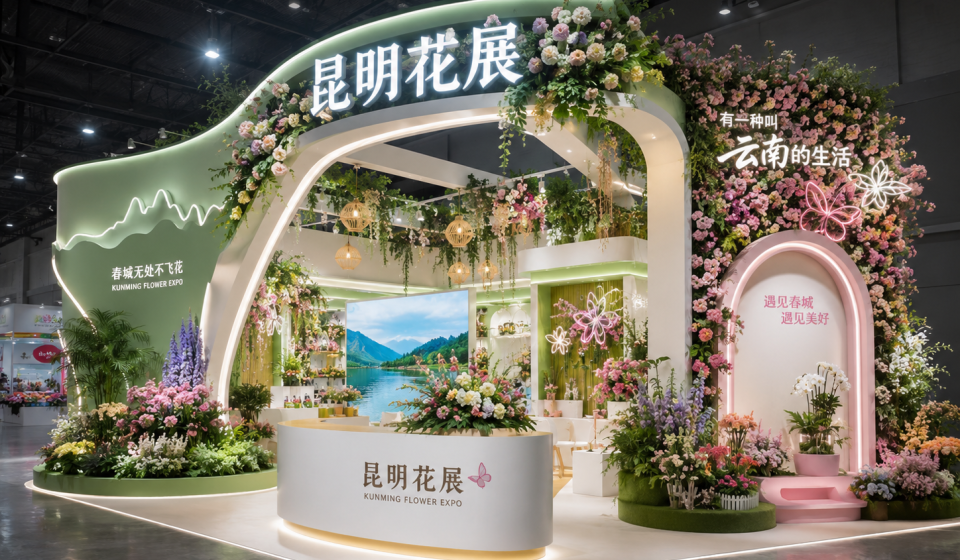

For a flower buyer, the weeks between that handshake at IFEX and seeing the first consignment land at your warehouse can feel like a black box. Flower export lead time is rarely a single number; it is a chain of events shaped by product type, seasonal demand, and back-office processing. In my fifteen years analyzing Yunnan’s floriculture supply chain, I’ve seen the timeline range from six weeks for a rush air shipment of roses to over twelve weeks for potted orchids requiring complex phytosanitary clearance. This breakdown maps each stage so you can plan with confidence.
Following Up After the Handshake
Leaving IFEX with a stack of business cards is only the start. Within 48 hours, send a summary of your requirements and any promises made at the booth. At this stage, clarity on product specifications, target price range, and minimum order quantities helps both sides. We have observed that suppliers at IFEX often prioritize buyers who respond quickly and provide detailed requests. This is also the window to request a formal proforma invoice and agree on Incoterms. In one common scenario we see: a buyer confirms a rose order right after the show, agrees to EXW Kunming terms, and kicks off production within one week. Without that prompt follow-up, the same order can drift for two weeks or more before production planning begins.
Production Timelines by Product Category
| Product Category | Typical Production Lead Time | Key Factors |
|---|---|---|
| Cut flowers (roses, carnations) | 3–5 weeks from order confirmation | Shorter if stock is available; depends on variety and growing cycle. |
| Potted plants (orchids, succulents) | 8–12 weeks | Root establishment and acclimatization extend lead times. |
| Processed flowers (dried, preserved) | 4–6 weeks | Drying and processing time after harvest. |
Confirming whether the supplier holds ready stock or must grow to order can shift your timeline by two to three weeks. For fresh cut flowers, many Yunnan growers maintain blooming crops that can be harvested within days. Potted plants, on the other hand, demand careful growing management and add at least a month to your planning window. We have seen Middle Eastern buyers who order potted succulents in September for December delivery, factoring in extra weeks for rooting and packaging.
Shipping Options and Transit Times from Kunming
Air freight from Kunming Changshui International Airport reaches major Asian hubs in 1–2 days; Europe or the Middle East takes 3–5 days. Sea freight from nearby ports adds 15–25 days depending on the destination. Cool chain management remains non‑negotiable: flowers must be precooled and packed within hours of harvest. Delays at origin, such as waiting for a full container load, can consume a week or more. Many experienced buyers we work with book air freight for high‑value delicate varieties and reserve sea freight for hardier stems like carnations or chrysanthemums. If your consignment mixes multiple products, confirm with the forwarder that temperature and humidity settings suit the most sensitive item in the load.
If your order includes products that require specialized cold chain—such as long‑stem roses or tropical foliage—discuss temperature and transit time requirements with your logistics provider before finalizing the booking. The IFEX team can introduce you to freight specialists with proven floriculture experience.
Phytosanitary and Customs: The Timeline Bottlenecks
This stage often catches first‑time buyers off guard. Phytosanitary certificate processing in Kunming typically takes 3–5 working days after submission, but can stretch to two weeks during peak export windows like February around Valentine’s Day. Chinese quarantine authorities inspect the consignment for pests and diseases; any positive detection prompts re‑inspection or treatment, adding days. Customs clearance at the destination country is another variable. European Union border controls, for example, may hold shipments for document verification.
We have observed that buyers who file phytosanitary applications early, sometimes even before the shipment is fully ready, often cut the overall clearance period by 3–4 days. Also, factor in that holidays in either country can extend processing. Chinese New Year and Golden Week shut down many logistics offices for up to a week. We have seen a case where a Dutch buyer filed their documentation in early January, before the pre‑Chinese New Year rush, and received clearance within four days. That same application filed in late January would have taken over a week.
Receiving Your First Shipment and Final Steps
Once the consignment arrives, the buyer or clearing agent must present the original bill of lading, commercial invoice, packing list, and phytosanitary certificate to customs. Duties and taxes must be settled before release. Inland transport from the port to your cold storage is the final stretch; a reliable trucking partner with temperature‑controlled units avoids last‑mile spoilage.
After the first delivery, take time to evaluate the condition of the flowers and document any quality issues. This feedback loop helps your supplier improve and builds a foundation for faster repeat orders. We suggest planning a one‑week buffer in your timeline for unforeseen delays at this stage. That comfort margin often turns a stressful first shipment into smooth repeat business.
Taking Control of Your Flower Export Timeline
Every order is different, and logistics can throw up surprises. If you are planning your first shipment from Yunnan, discuss your timeline with the IFEX team before you leave. We can connect you with freight forwarders, help validate supplier lead times, and share real‑world benchmarks from previous seasons. Write to [email protected] or call +86 10 5933 9349 to schedule a planning session.
Common Questions About Flower Export Timelines
How can I shorten the time from first meeting to first shipment?
Start by confirming product specifications and payment terms while still at IFEX, if possible. The biggest time savings come from having a complete proforma invoice and agreed Incoterms before you leave Kunming. Postponing these details to email after the show often adds one to two weeks. Second, verify your supplier’s readiness: ask whether the flowers are in stock or require growing to order. If you need the shipment urgently, specify that you are willing to pay a premium for faster production or air freight. Plan your logistics and phytosanitary filing early, even if the exact shipping date is not set, to avoid last‑minute bottlenecks.
What is the most common reason a flower shipment is delayed?
In our experience, incomplete or late phytosanitary documentation is the single biggest cause of delays. Buyers sometimes assume the supplier handles everything, but the application form often requires the buyer’s importer details, consignee, and product classification. If these details are missing, the Chinese inspection agency will reject the application and reset the clock. Other frequent delays include insufficient packaging for cold chain transit and product damage during the consolidation wait at the airport. Confirm with your supplier that all documents are in order before the consignment leaves the farm.
Do phytosanitary rules differ for cut flowers versus potted plants?
Yes. Cut flowers generally require a simpler inspection for common pests, while potted plants with growing media face stricter scrutiny because soil can carry invasive species. Potted plant exports from Yunnan often need additional testing or growing media treatment certificates. We have seen potted orchid shipments held for over a week while the phytosanitary authority ran media analysis. If your order includes potted plants, factor in at least a week more than the standard cut flower timeline. For help navigating these requirements, share your product catalog with an IFEX advisor and we will confirm the exact documents needed.