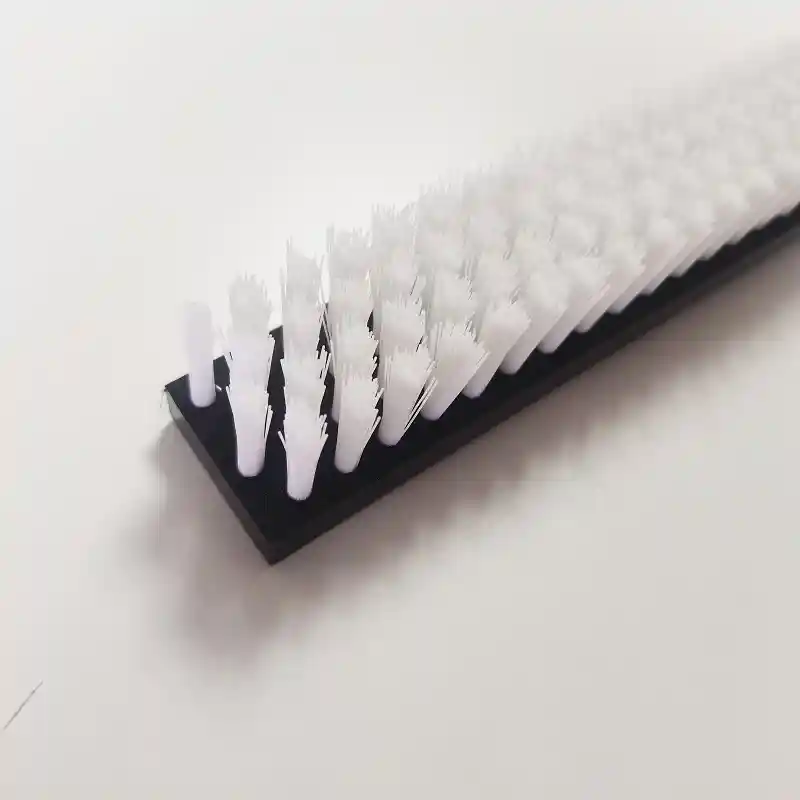

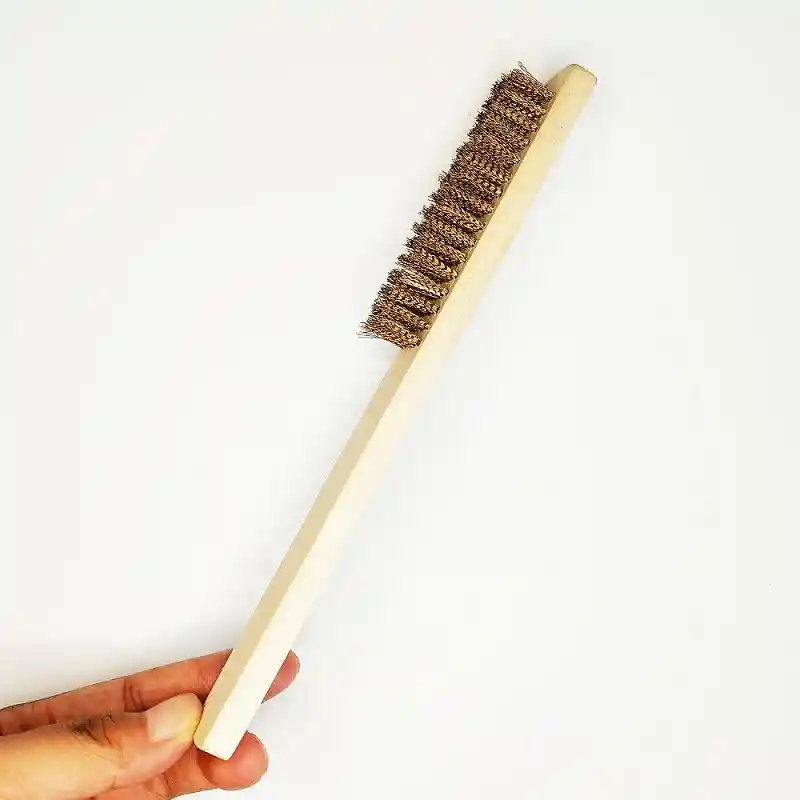
Fine brass wire brushes sit in that narrow space where you need real cleaning power but can’t afford to leave marks. I’ve watched technicians ruin a week’s worth of polishing work with the wrong brush choice, and it usually comes down to not understanding what brass actually does differently than steel. The material matters more than most people realize, and so does the wire diameter. Getting both right means the difference between a surface that looks professionally finished and one that needs rework.
Why Brass Works Where Steel Would Fail
Fine brass wire brushes exist because some jobs punish aggressive tools. The brass alloy, typically copper mixed with zinc, runs softer than steel or stainless alternatives. That softness isn’t a weakness. It’s the whole point. When you’re working on materials that scratch easily or in environments where a single spark could cause serious problems, brass becomes the only sensible option.
The non-sparking quality comes from the alloy composition itself. Brass doesn’t generate the friction heat that steel does against most surfaces, which matters in fuel handling areas, ammunition manufacturing, and anywhere flammable vapors might accumulate. But the real value for precision work is how brass interacts with the workpiece. It removes what you want removed, oxidation, light contamination, minor burrs, without biting into the base material.
Filament diameter determines how gentle or aggressive the brush behaves. Finer wires flex more, spread the contact pressure across more points, and leave a smoother result. Coarser wires concentrate force and cut faster but leave more visible marks. The relationship isn’t linear either. Dropping from 0.15mm to 0.10mm wire doesn’t just make the brush slightly gentler. It changes the entire character of how the tool works.
| Filament Diameter (mm) | Typical Application Area | Abrasive Action |
|---|---|---|
| 0.05 – 0.10 | Jewelry, Electronics | Very Gentle |
| 0.10 – 0.15 | Delicate Metals, Antiques | Gentle |
| 0.15 – 0.20 | Light Deburring, Polishing | Moderate |
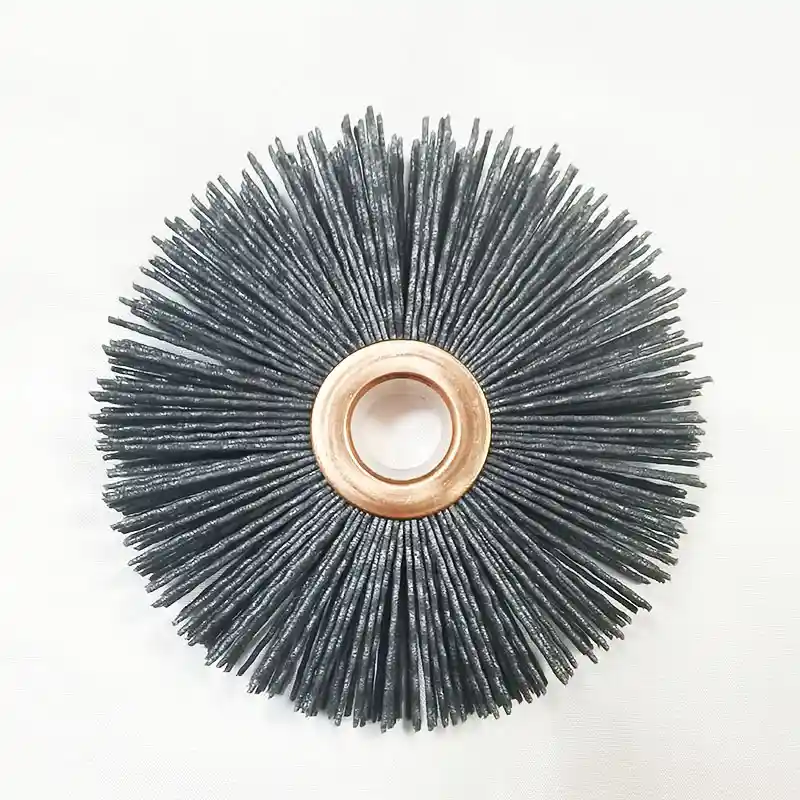
Wheel brushes cover broad areas efficiently. Cup brushes reach into concave sections. End brushes get into tight corners and confined spaces. Each configuration serves a different geometry, and matching the brush shape to the workpiece shape prevents the uneven wear patterns that create visible inconsistencies in the finish.
Where Fine Brass Wire Brushes Actually Earn Their Place
The applications where these brushes prove essential share a common thread. They all involve surfaces where visible damage would ruin the work or where contamination could cause functional problems.
Jewelry manufacturing uses fine brass wire brushes throughout the finishing process. After casting and initial shaping, brass brushes remove investment residue and light oxidation without scratching the metal underneath. The brushes restore luster to gold, silver, and platinum pieces while preserving the crisp edges of detailed designs. A steel brush would leave gray streaks on gold and potentially embed harder particles into softer precious metals.
Electronics assembly and repair relies on brass brushes for cleaning circuit boards and electrical connectors. The goal is removing oxidation that interferes with conductivity while leaving the copper traces and gold-plated contacts intact. Brass wire is soft enough to clean without gouging, and it doesn’t leave behind conductive debris that could create short circuits. The fine filaments reach between closely spaced components where other cleaning methods can’t access.
Antique restoration presents particular challenges because the materials involved are often irreplaceable. Brass brushes remove accumulated grime, light corrosion, and old finish residue from historical metalwork without removing the patina that gives antiques their character and value. The controlled abrasion preserves surface details that aggressive cleaning would destroy.
Surface preparation before coating or plating benefits from brass brushing because it creates the right surface profile for adhesion without over-roughening. The micro-scratches left by fine brass wire give coatings something to grip while remaining shallow enough that they don’t show through thin finishes.
Pressure and speed control matter as much as brush selection. Too much pressure collapses the wire filaments against the surface, reducing their cleaning action and increasing the risk of marking. Excessive speed generates heat that can discolor sensitive materials and accelerates wire fatigue. The best results come from letting the brush do the work at moderate pressure and appropriate rotational velocity.
Matching the Right Fine Brass Wire Brush to Your Specific Application
Selecting the optimal fine brass wire brush starts with understanding what you’re trying to accomplish and what constraints the workpiece imposes.
The substrate material sets the upper limit on how aggressive the brush can be. Soft metals like copper, brass, and aluminum tolerate fine brass wire well. Harder materials like steel can handle coarser filaments if brass is chosen for its non-sparking properties rather than its gentleness. Plated surfaces and thin coatings require the finest available wire diameters because any breakthrough to the base metal ruins the piece.
The desired finish determines which end of the acceptable range you should target. Mirror polishing demands the finest filaments and lightest touch. Cleaning for functional purposes, like preparing a surface for soldering, can use slightly coarser wire that works faster. Deburring sits somewhere in between, needing enough aggression to remove the burr but not so much that it creates new surface defects.
Brush configuration matches the workpiece geometry. Wheel brushes work best on flat or gently curved external surfaces where the brush can contact a broad area evenly. Cup brushes excel on internal curves and concave surfaces where a wheel brush would only touch the high points. End brushes reach into holes, slots, and tight corners that other configurations can’t access.
Custom manufacturing addresses situations where standard brushes don’t quite fit the application. Unusual brush diameters, specific wire alloys, non-standard filament densities, or unique mounting configurations all fall within what specialized manufacturers can produce. The investment in a custom brush often pays back quickly when it eliminates compromises that slow production or reduce quality.
If you’re interested, check 《what you know about brass wire brush strip》.
Keeping Fine Brass Wire Brushes Working Properly
Fine brass wire brushes represent a real investment, and proper maintenance extends their useful life significantly while maintaining consistent performance.
Cleaning the brush after each use prevents debris accumulation that distorts the wire filaments over time. Particles trapped between wires act as wedges, bending individual filaments out of their designed positions. Once bent, those wires contact the workpiece at wrong angles and create inconsistent results. A stiff nylon brush run against the brass filaments dislodges most accumulated material.
Storage conditions affect long-term brush condition more than most users realize. Brass resists corrosion better than steel, but it’s not immune. Humid environments promote oxidation that weakens the wire at the base where it attaches to the brush body. Dry storage, ideally with the brush hanging or resting so the filaments aren’t compressed, preserves both the wire integrity and the designed filament geometry.
Pre-use inspection catches problems before they damage workpieces. Bent filaments, broken wires, and excessive wear all reduce brush effectiveness and can leave marks on sensitive surfaces. A brush that’s lost significant wire length no longer performs as designed because the remaining shorter filaments are stiffer and more aggressive than the original longer ones.
Personal protective equipment protects against the real hazards these tools present. Safety glasses block wire fragments that occasionally break free during use. Gloves prevent cuts from sharp wire ends and reduce vibration transmission during extended use. The hazards aren’t dramatic, but they’re consistent enough that protection makes sense.
Operating speed limits exist for good reasons. Exceeding them generates centrifugal forces that stress wire attachment points and can throw broken filaments at high velocity. The recommended speed range for a given brush balances effective cleaning action against wire fatigue and safety concerns.
FAQ
Q1: What makes fine brass wire brushes suitable for delicate surfaces?
A1: The brass alloy itself is softer than steel, so it yields rather than gouging when it contacts the workpiece. Fine filament diameters spread the contact force across many individual wires, reducing pressure at any single point. Together, these characteristics allow effective cleaning and polishing without the scratching that harder or coarser brushes would cause.
Q2: Can brass wire brushes be used for rust removal?
A2: Fine brass wire brushes handle light surface rust and oxidation effectively, removing the corrosion without damaging the underlying metal. Heavy rust requires more aggressive tools. A wire wheel brush with steel bristles removes heavy scale faster, though it will also affect the base metal more. Testing on a hidden area first confirms whether brass has enough cutting action for the specific rust condition.
Q3: How do I prevent premature wear of my brass brush?
A3: Light pressure during use reduces wire fatigue dramatically. The brush should do the work through its designed action, not through being forced into the surface. Staying within recommended speed ranges prevents the centrifugal stress that loosens wires from their mounting. Regular cleaning removes debris that would otherwise wedge between filaments and distort them. Dry storage prevents the corrosion that weakens wire at attachment points.
Q4: Are there different types of brass alloys used in these brushes?
A4: Manufacturers select from several brass alloy formulations depending on the intended application. Higher zinc content increases hardness but reduces ductility, affecting how well the wire can be drawn into fine filaments. Some alloys include small amounts of other elements to improve corrosion resistance or modify the wire’s spring characteristics. The specific alloy choice balances the competing demands of filament formation, durability, and appropriate hardness for the target applications.
Partner with Huixi Brush for Your Precision Brush Needs
Huixi Brush offers extensive expertise in providing high-quality industrial brushes for diverse applications. With 16 years of production experience, we specialize in supplying customized brushes for industrial seal, cleaning, polishing, and deburring processes. Our manufacturing factory in Anhui Province and trading company in Shanghai ensure efficient global service. We provide professional technical support and ODM/OEM services, delivering solutions tailored to your specific requirements. Choose Huixi Brush for competitive pricing, low MOQ, free samples, and fast delivery, ensuring you find a reliable brush supplier in China.
Contact us today to discuss your industrial brush needs. Email: [email protected] or call +86 1580 0932 713.