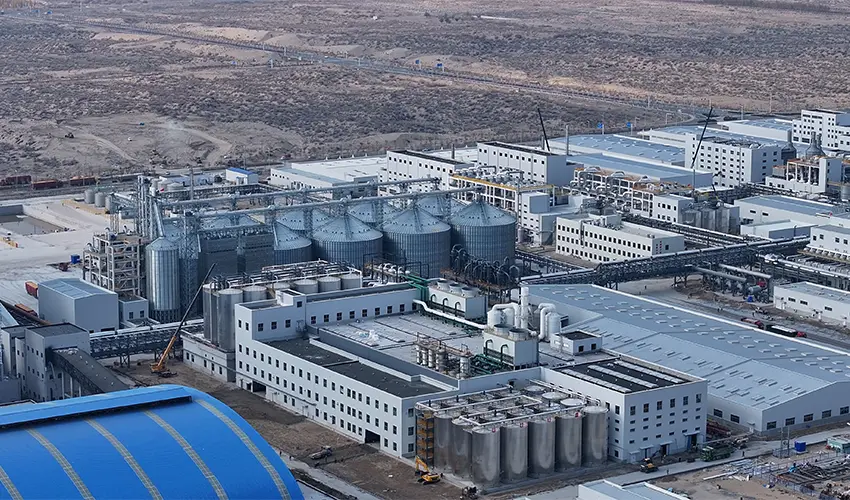

For a grain-based ethanol plant, wastewater isn’t just an environmental liability — it’s an underused energy stream. Ethanol wastewater biogas recovery through anaerobic digestion turns high-strength stillage into a renewable fuel, cutting plant energy costs and reducing discharge treatment loads. But the difference between a system that delivers a five-year payback and one that underperforms comes down to how early in the plant design process the biogas system is integrated. I’ve seen this across integrated agricultural projects: when the digester and energy cascade are planned together, the plant’s overall energy efficiency improves by roughly 15–25%. That’s the focus of this discussion — not just the technology, but the integration and economic decisions around ethanol wastewater biogas.
Understanding Biogas Potential from Ethanol Wastewater
Ethanol production from corn generates a high-COD wastewater stream — mainly stillage after distillation. This effluent contains 50,000 to 150,000 mg/L COD, depending on whether it’s whole stillage or thin stillage. That organic load is exactly what anaerobic bacteria feed on to produce biogas. In a well-designed system, each ton of COD removed yields roughly 0.35 Nm³ of methane. For a 100,000 m³/year ethanol plant, the wastewater stream can generate enough biogas to replace 20–30% of the plant’s natural gas demand for distillation.
The suitability of ethanol wastewater for anaerobic digestion is high because the carbohydrates and organic acids in the stillage are readily biodegradable. However, the high sulfate content in some corn processing streams can lead to hydrogen sulfide in the biogas, requiring gas scrubbing before use. This is a detail that general articles often skip but that engineers on site know well: if you don’t account for sulfur, your boiler tubes corrode faster.
How Much Biogas Can You Actually Get from Ethanol Wastewater?
Biogas yield depends on COD concentration, temperature, and digester design. On average, 0.5 to 0.6 Nm³ of biogas is produced per kilogram of COD removed, with methane content around 60–65%. So for a stream of 100 m³/h with 100,000 mg/L COD, daily biogas production can reach 15,000–20,000 Nm³. That’s enough to generate over 2 MW of electricity continuously.
What Makes Ethanol Wastewater Suitable for Anaerobic Digestion?
The stillage is warm (exiting distillation at 60–80°C), which reduces the heating load needed for mesophilic digestion at 35–40°C. The pH is typically low (3.5–4.5) and requires neutralization, but the organic acids are already partly fermented, which speeds up the initial acidogenesis stage. This means the digester can be more compact than for other industrial wastes.
Sizing and Designing the Anaerobic Digester
Selecting the right reactor type and sizing it correctly is where we see the most variance in project outcomes. For ethanol wastewater, UASB (upflow anaerobic sludge blanket) reactors are common because they handle high organic loading rates — up to 10–15 kg COD/m³.d — without needing a large tank volume. CSTRs (continuous stirred-tank reactors) are simpler to operate but require more space and energy for mixing. In our projects, we often recommend UASB for new plants where footprint matters, and CSTR for retrofits where existing lagoon space is available.
Hydraulic retention time (HRT) for corn ethanol stillage typically ranges from 2 to 8 days, depending on the reactor type and whether a post-treatment step is included. The organic loading rate (OLR) must be balanced: too high and granules wash out; too low and you’re building more civil works than needed. I’ve noticed in feasibility studies that it’s not uncommon to oversize the digester by 20–30% because designers add safety factors on top of conservative assumptions. That unnecessary excavation drives up capital costs.
How Do UASB and CSTR Reactors Compare for Distillery Wastewater?
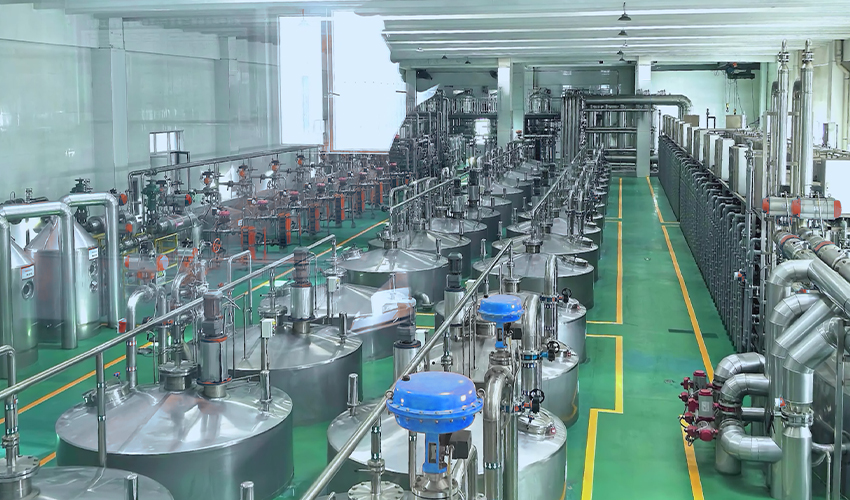
UASB reactors offer a compact footprint, high loading rates, and low energy consumption because they use granular sludge that settles well. CSTRs, by contrast, provide more stable operation for variable loads and handle solids better. For a corn ethanol plant, where stillage can vary in composition based on upstream process adjustments, we often pair a CSTR with a downstream UASB for polishing — achieving COD removal efficiencies above 90%.
What Hydraulic Retention Time Is Needed for Complete Treatment?
A short HRT of 2–3 days can achieve 70–80% COD removal if the reactor is well inoculated and temperature is controlled. For discharge to a municipal sewer or further aerobic treatment, that’s often sufficient. For near-complete anaerobic degradation, 6–8 days HRT is typical, especially if the goal is to maximize biogas production and minimize residual sludge.
Integrating Biogas into the Plant Energy Cascade
The most common mistake is treating the biogas system as a bolt-on wastewater treatment unit instead of part of the plant’s energy system. Biogas from ethanol wastewater should feed directly into the energy cascade. The plant already has a distillation steam demand — typically 2.5–3.0 kg steam per liter of anhydrous ethanol. That steam can be generated in a biogas boiler, displacing natural gas or coal.
Alternatively, if the plant has a combined heat and power (CHP) unit, biogas can fuel a gas engine to produce electricity and the jacket heat can be recovered for processes. In corn ethanol plants I’ve evaluated, the heat demand is so large that using biogas for direct steam generation yields a better simple payback than power generation, unless there’s a favorable feed-in tariff. One important detail: the biogas must be dehumidified and possibly desulfurized before use. If the plant has a CO2 recovery unit, biogas can also be upgraded to biomethane for injection or vehicle fuel, but that adds significant capital cost.
If your plant’s wastewater stream has variable concentrations due to multiple feedstock types or seasonal changes, the digester design needs to account for that variability — reach out at [email protected] for a discussion on how we model those fluctuations.
How to Use Biogas: Boiler, CHP, or Biomethane?
For most grain ethanol plants, the simplest and most cost-effective route is a biogas boiler feeding the existing steam header. CHP makes sense if the plant’s electrical load is high and the spark spread is favorable. Upgrading to biomethane requires around $2–3 million in additional equipment and is typically only viable for plants over 200,000 m³/year capacity or where renewable natural gas incentives exist.
What Changes Are Needed in the Steam System?
Integrating biogas means the boiler must be dual-fuel or a dedicated biogas burner installed, with appropriate fuel piping and safety controls. The steam balance must be recalculated because the biogas supply varies slightly with plant production. I recommend including a buffer storage tank of at least 12 hours of biogas production to smooth fluctuations and avoid process interruptions.
Evaluating Economic Returns and Project Feasibility
The business case for ethanol wastewater biogas hinges on energy cost savings, potential revenue from excess power sales, and avoided wastewater treatment costs. For a 100,000 m³/year plant, a biogas system capable of generating 10–15 million Nm³ of biogas annually can displace $1–2 million in natural gas costs per year, depending on local prices. The capital cost of the anaerobic digestion system — including reactor, gas handling, and integration — typically ranges from $4–7 million, yielding a payback of 3–5 years.
This is not a “green premium” — it’s an infrastructure investment that improves the plant’s operating margin. However, I’ve also seen feasibility studies where the payback extends beyond 7 years because the biogas system was treated as a standalone cost center without sharing utilities, land, and engineering with the main plant. When the EPC contractor designs the plant holistically from the start, the shared infrastructure brings down the incremental cost and shortens the payback.
Is Biogas from Ethanol Wastewater Worth the Investment?
For plants producing more than 50,000 m³/year, the answer is usually yes. Smaller plants face longer paybacks and may find that selling wet distillers grains combined with simpler aerobic treatment is more economical. The critical factors are the cost of alternative fuel, the cost of electricity, and any regulatory pressure on wastewater discharge. Each project needs a site-specific feasibility study.
What Are the Typical Payback Periods?
Under typical conditions — $6/MMBtu natural gas and $0.08/kWh electricity — a well-integrated biogas system pays back in 4 years. If biogas is used only for steam and the plant already has a gas boiler, payback drops below 4 years. If carbon credits or renewable energy certificates are valued, the economics improve further.
From Engineering to Commissioning: EPC Project Delivery
When the biogas system is designed as an integral part of the ethanol plant EPC scope, commissioning runs smoothly because the interfaces — steam, water, electricity, and wastewater — are fully coordinated. AGRIFAM’s approach to alcohol EPC includes biogas comprehensive utilization as a standard element, not an optional add-on. That means the civil works, piping, and control systems are sized to accommodate the digester from day one, and the project schedule doesn’t face the disruptions common with retrofits.
Selecting an EPC contractor with experience in both ethanol processes and biogas integration is key. You need a team that understands how fermentation parameters affect stillage composition, how distillation heat integration interacts with biogas usage, and how to phase construction so that the biogas system comes online in parallel with the main process. I’ve found that plants designed with the biogas system as a core scope reach capacity production faster and with fewer punch list items than those that tack it on later.
Why Early Integration Matters in EPC Projects?
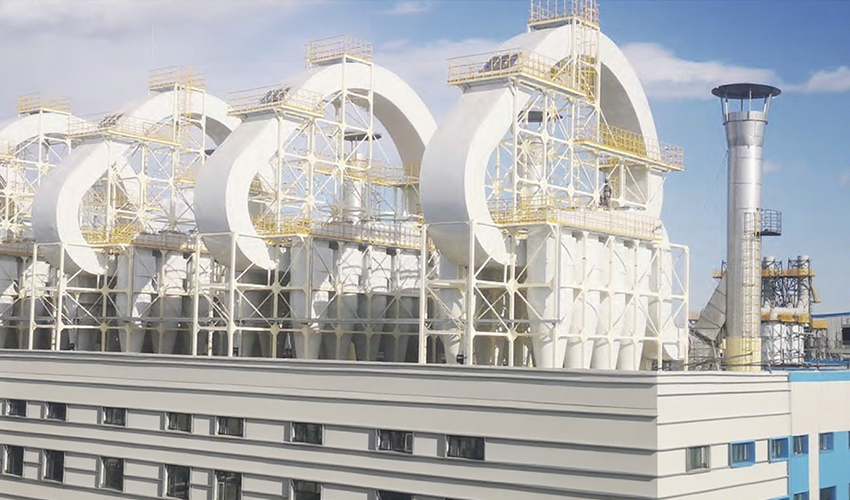
When the biogas system is added to an existing plant, you inevitably run into space constraints, utility tie-in conflicts, and process disruptions. Designing it in the initial EPC scope avoids these costs and ensures the plant’s energy balance is optimized from the start. It also allows for a single environmental permit covering both the ethanol process and the biogas facility.
How to Select an EPC Contractor for Biogas Integration?
Look for a contractor that can show you operating ethanol plants where the biogas system was part of the original build — not just case studies of retrofits. Check that they have in-house process engineering for both fermentation/distillation and anaerobic digestion. A contractor that merely subcontracts the digester design to a water treatment vendor may not optimize the energy integration.
Making Ethanol Wastewater an Energy Asset
If you’re developing a grain-based ethanol plant and considering anaerobic digestion for energy recovery, the economics work best when the biogas system is part of the initial EPC scope. Share your planned capacity, feedstock, and energy cost assumptions with us at [email protected] or call 010-8591 2286, and we’ll help you evaluate the feasibility and integration approach for your specific project. A site-specific analysis that includes your stillage characteristics and utility costs will give you a clearer picture of payback and system sizing.
Common Questions About Ethanol Wastewater Biogas
What regulations govern ethanol wastewater discharge?
Discharge limits vary by country, but most jurisdictions require COD below 200–500 mg/L for surface water discharge and 1000–3000 mg/L for municipal sewers. Anaerobic digestion can reduce COD by 80–90%, but a polishing step — aerobic treatment or membrane filtration — is usually needed to meet final limits. In China, for example, the GB 8978-1996 standard sets a COD limit of 150 mg/L for discharge, making a combined anaerobic-aerobic system standard for new grain alcohol projects.
In programs we’ve supported, a common misconception is that biogas is only for large plants.
The viability depends less on absolute scale and more on the concentration of your wastewater and your current energy costs. A 50,000 m³/year plant with high-COD stillage can still achieve a reasonable payback if the digester shares utilities with the main plant. The key is not to treat the biogas system as a stand-alone unit but as part of the whole facility’s utilities design.
How does biogas compare to other plant energy efficiency measures?
It depends on your starting point. If your plant already has a well-integrated heat recovery system and uses mechanical vapor recompression, the marginal benefit of biogas may be lower. In a plant still relying on a conventional distillation setup, biogas typically offers a faster payback than retrofitting heat integration alone. We evaluate both as part of our feasibility studies.
What maintenance does an anaerobic digester require?
Routine maintenance includes monitoring temperature, pH, and volatile fatty acids daily, cleaning gas lines quarterly to remove condensate, and inspecting gas holders and safety devices annually. The digester itself requires occasional desludging depending on the solid content of the feed. With a UASB reactor, granular sludge activity needs to be checked every six months. Properly maintained, a digester has a service life of 20 years or more.
How does AGRIFAM support biogas integration in ethanol projects?
AGRIFAM’s alcohol EPC solution includes biogas comprehensive utilization as a standard design element, covering anaerobic reactor design, gas handling, and integration with the plant’s steam and power systems. We provide the full engineering scope from feasibility study through commissioning. If you’d like to discuss how your project’s wastewater can become an energy asset, share your capacity and feedstock details at [email protected] and we’ll provide preliminary integration options.
If you’re interested, check out these related articles:
Driving Global Food Conservation Through Technological Innovation