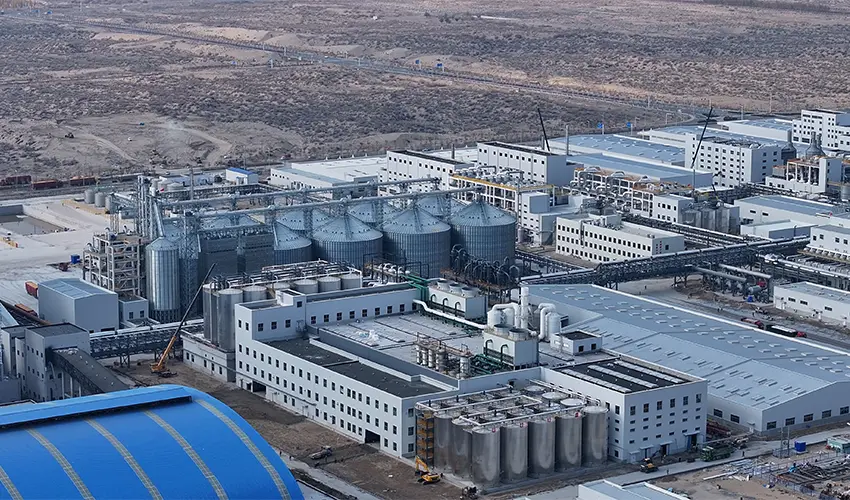

Most published guidance treats ethanol plant wastewater as a generic industrial effluent and jumps straight to reactor selection. That misses the design problem. In fuel ethanol and alcohol production, the treatment train must absorb stillage, evaporator condensate, CIP returns, and cooling blowdown as one interactive system. Ethanol plant wastewater treatment starts with stream segregation because the anaerobic stage needs concentrated organic loads while the aerobic stage needs predictable dissolved oxygen and nitrogen balance. At AGRIFAM, our work on integrated ethanol and grain processing projects has shown that getting this split right before equipment sizing avoids the costliest retrofit work.
Ethanol plant wastewater treatment starts with stream segregation
The first design decision is not which reactor to buy. It is which streams should meet at the equalization tank. Stillage after whole stillage centrifugation carries the highest organic load. In corn ethanol plants I have worked on, chemical oxygen demand in this stream is often 80,000 mg/L or more before recycle adjustments. Evaporator condensate is usually cleaner but can contain volatile acids and ammonia that disturb downstream nitrification if mixed carelessly. CIP discharges introduce caustic and acid slugs plus sanitizers that can damage anaerobic biomass. Cooling tower blowdown is relatively dilute but adds salts that accumulate in a zero liquid discharge scheme. Segregating these streams lets the anaerobic reactor receive a richer, more stable feed while the aerobic basin sees only what it is designed to polish.
Which streams carry the highest organic load?
Whole stillage and thin stillage dominate. Whole stillage contains suspended solids, residual starch, yeast cells, proteins, and fermentation by-products. Thin stillage, produced after distillers grains separation, still holds enough soluble organics to justify anaerobic treatment rather than direct aerobic processing. Condensate is not a high organic load stream in most cases, but its volume can be large enough to change hydraulic retention time and nutrient balances. We treat condensate as a separate return path whenever the plant’s anaerobic reactor is already close to its organic loading limit.
Anaerobic process design for ethanol plant wastewater treatment removes high organic loads
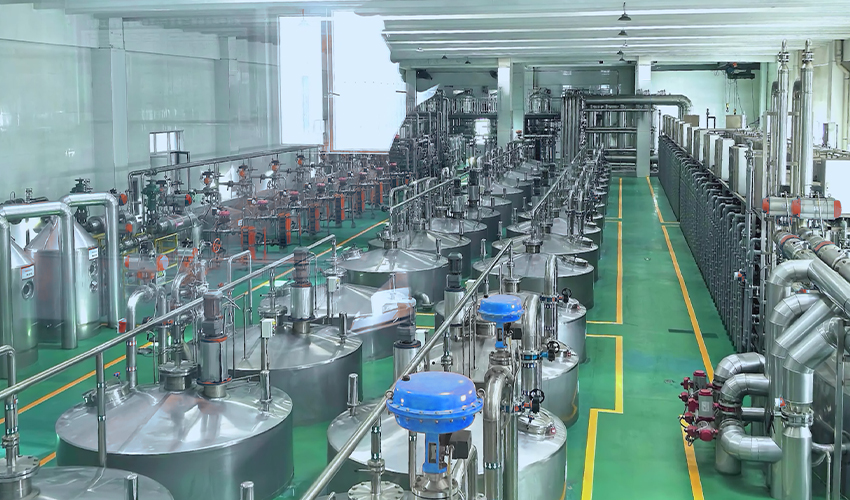
High organic loads belong in anaerobic treatment. The organic molecules that would demand heavy aeration energy instead become methane. Mesophilic operation near 35 to 38 degrees Celsius is the practical baseline for corn based ethanol plants. Thermophilic operation near 55 degrees Celsius can raise reaction rates but leaves the biomass more sensitive to pH, ammonia, and temperature swings. Operators often prefer mesophilic stability over thermophilic speed when the plant already has waste heat available for feed preheating.
Which anaerobic reactor configuration fits ethanol plant wastewater treatment?
| Reactor type | Best application for ethanol stillage | Typical soluble COD removal | Key limitation |
|---|---|---|---|
| UASB | Soluble, low fiber post separation streams | 75 to 85 percent | Granule bed plugging with high solids |
| EGSB | Dilute soluble streams after solids removal | 80 to 90 percent | Requires good hydraulic control |
| IC reactor | High rate processing of warm soluble feed | 80 to 90 percent | Taller reactor, less tolerance to solids |
| CSTR with sludge recycle | High solids whole or thin stillage | 70 to 85 percent | Larger volume, more mixing energy |
For corn ethanol stillage with high suspended solids, a contact reactor or a CSTR with sludge recycle often avoids the granule bed plugging that can occur in an upflow anaerobic sludge blanket reactor. UASB and its high-rate relatives perform best on soluble substrates with low fiber content. The decision matters because a plugged distribution system reads as a biological failure but is really a feed characteristic problem.
Why biogas yield depends on sulfate and recycle rates
Sulfate from corn processing can allow sulfate-reducing bacteria to compete with methanogens, producing hydrogen sulfide instead of methane. That suppresses biogas quality and increases gas handling corrosion. High thin stillage recycle also returns dissolved salts and fermentation inhibitors, which raises the effective load without adding biodegradable COD. These interactions explain why two plants with the same nominal feed throughput can require different anaerobic reactor volumes.
Aerobic process design for ethanol plant wastewater treatment meets final discharge limits
What leaves the anaerobic reactor is not ready for discharge. It still contains residual BOD, ammonia, and a fraction of slowly biodegradable COD. The aerobic process design needs to finish nitrification and capture solids without building an oversized basin. For post anaerobic effluent from corn ethanol processing, conventional activated sludge or a sequencing batch reactor is usually sufficient. A membrane bioreactor becomes worth the higher capital and membrane replacement cost when the plant targets internal reuse rather than river discharge.
Which aerobic configuration suits post anaerobic effluent?
A conventional activated sludge system with an anoxic zone handles the carbon and nitrate removal profile of most ethanol plants. A sequencing batch reactor offers simpler operation for smaller facilities because equalization, reaction, and settling happen in one basin. A membrane bioreactor produces the highest effluent clarity but adds energy and maintenance. I do not specify a membrane bioreactor unless reuse standards require it.
If your site mixes corn based ethanol stillage with high sulfate process water, the aerobic design is not the only variable. The COD split between soluble and particulate fractions changes anaerobic sizing and the downstream nitrate profile, so it is worth confirming that split before finalizing the equalization tank and blower capacity. Share your current wastewater analysis at [email protected].
Biogas sludge and water recovery shape treatment economics
Wastewater treatment in an ethanol plant is rarely just a compliance cost. Biogas produced from stillage digestion can offset boiler fuel, and treated effluent can return to cooling water or CIP pre-rinse depending on salt accumulation. Sludge from aerobic treatment is either dewatered and land applied where regulations permit or digested further. The economic case shifts with local discharge fees, energy prices, and water scarcity.
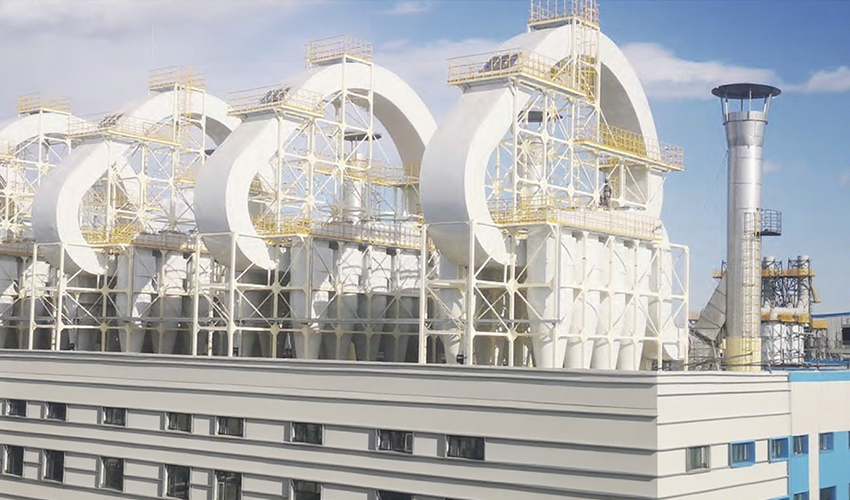
Water recovery is the part that most generic articles skip. In integrated grain processing projects, the question is not whether to treat, but which water stream can accept recycled water without compromising fermentation. Ion balance, residual hardness, and sodium adsorption ratio can matter as much as COD. We plan treatment around the plant’s full water balance, not around a single discharge permit value.
Design support when ethanol plant wastewater treatment constraints tighten
Most delays I see in ethanol plant wastewater treatment come from treating the anaerobic and aerobic stages as separate purchases selected by different vendors. The anaerobic vendor sizes for COD, the aerobic vendor sizes for ammonia, and neither controls the return streams that connect them. That gap shows up later as unstable biogas flow or a nitrification permit miss. We approach the design as one integrated water and energy balance. Send your process flow diagram, current COD and BOD data from each waste stream, and your target discharge or reuse standard to [email protected] or call 010-8591 2286. We will prepare the treatment configuration that fits the whole plant, including condensate returns and boiler load.
Common questions center on ethanol plant wastewater treatment integration
Why can ethanol plant wastewater not go straight to aerobic treatment?
Direct aerobic treatment of whole stillage is usually uneconomical because aeration energy rises with the organic load. Aerobic bacteria convert organic carbon to carbon dioxide and excess sludge, while anaerobic bacteria convert much of that carbon to methane, recovering energy instead of spending it. For high strength streams above several thousand mg/L COD, the oxygen demand becomes the dominant operating cost. Removing the bulk of that load anaerobically first leaves a smaller, more stable aerobic polishing task. This two stage logic is why a biogas producing anaerobic reactor appears in most corn ethanol plant mass balances.
What COD removal rates should an ethanol plant expect from each stage?
A common mistake is to quote a single fixed percentage for anaerobic treatment. Actual removal depends on suspended solids, sulfate concentration, temperature, and the biodegradable fraction of the sample. As a planning range, a well operated anaerobic stage in ethanol service may remove 80 to 90 percent of soluble COD, but particulate COD can behave differently. Aerobic polishing after anaerobic treatment typically removes residual BOD and ammonia to the permit limit, not a fixed additional COD percentage. For this reason, bench-scale treatability testing with the actual stillage and condensate mixture is more useful than a textbook percentage when sizing reactors.
Does sulfate in ethanol plant wastewater stop anaerobic treatment?
It depends on sulfate concentration and the reactor configuration. Sulfate itself does not stop anaerobic treatment; sulfate-reducing bacteria simply compete with methanogens for available substrate, producing hydrogen sulfide. At low sulfate levels the effect is manageable. At higher levels, gas quality drops, sulfide becomes corrosive, and biomass can become inhibited. The engineering response is to control pH, add trace metals that support methanogenesis, and design gas handling for sulfide removal. In corn processing, sulfate can arrive with process chemicals, so the water balance should identify sulfate inputs before reactor layout is fixed.
How much treated water can be reused in an ethanol plant?
In projects we have planned, the realistic reuse fraction depends more on salt accumulation than on biological treatment performance. Biological systems can reliably meet COD and ammonia targets, but cooling tower blowdown, CIP sodium hydroxide, and corn minerals together raise total dissolved solids over successive reuse cycles. Reusing 50 to 70 percent of treated effluent for cooling makeup or pre-rinse is often achievable if a purge stream leaves the plant. Pushing toward complete reuse usually adds reverse osmosis and brine disposal, which changes the financial case. Send your current wastewater analysis data, site water balance, and target discharge standard to [email protected], and we will confirm the anaerobic aerobic combination that fits your capacity and layout.
If you’re interested, check out these related articles:
Driving Global Food Conservation Through Technological Innovation