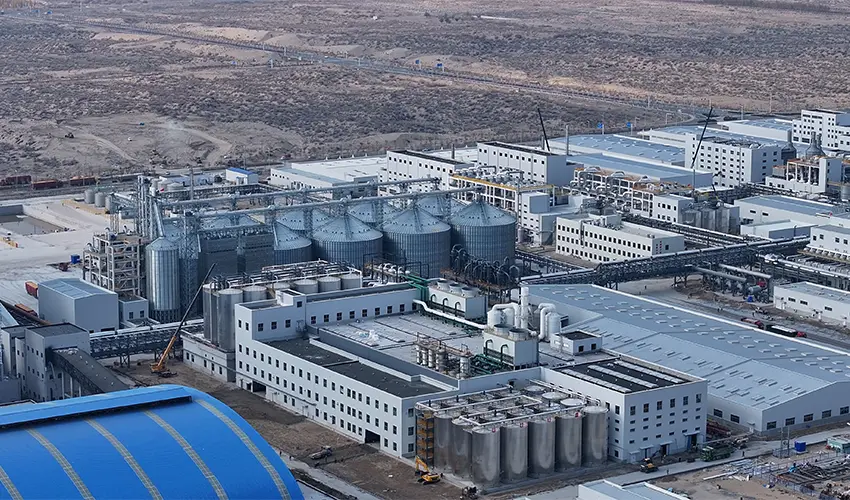

Ethanol plant project management succeeds when co-product integration and energy recovery are treated as schedule drivers, not afterthoughts. In our work across grain-to-alcohol development, we have seen timelines slip and budgets stretch because byproduct streams, utilities, and commissioning were sequenced too late. The right sequencing turns project constraints into long-term revenue streams. This article maps the milestones that matter from feasibility through startup and the risk decisions that determine whether an ethanol plant reaches full production on schedule and on budget.
Ethanol Plant Project Management Starts with Feasibility and Design Lock
A corn-based ethanol plant begins with a feasibility study that locks process configuration, capacity, and co-product scope. We treat this phase as the project’s highest leverage decision point because later changes in distillation capacity or stillage handling ripple through every downstream package. The study must confirm corn supply, utility costs, regulatory permits, and offtake for ethanol, DDGS, and carbon dioxide before design freeze.
Design lock means the process flow diagram, heat and material balances, and equipment specifications are fixed and issued for procurement. In our integrated agricultural processing work, we find that projects which defer design lock to chase evolving market signals usually pay a premium in rework and delayed procurement. A clear design basis also lets the EPC contractor sequence civil works, long lead equipment, and off site utilities without conflict.
Construction and Equipment Installation Milestones Demand Tight Sequencing
Construction milestones for an ethanol plant follow a logic that starts with civil foundations and ends with instrument checks. The critical path usually runs through long lead equipment: fermentation tanks, distillation columns, molecular sieve dehydration units, and evaporation systems. If these packages miss their delivery windows, the entire installation sequence loses slack. We schedule grain receiving and storage early because those systems must be ready to accept corn for commissioning trials.
| Project Phase | Key Milestones | Common Risk Without Early Sequencing |
|---|---|---|
| Civil and foundations | Piling, tank pads, pipe racks complete | Late equipment data causes rework |
| Mechanical installation | Vessels set, piping tie-ins, equipment alignment | Long lead packages arrive out of order |
| Electrical and instrumentation | MCC energization, loop checks, DCS configuration | Control logic delayed by vendor data |
| Utility tie-ins | Steam, cooling water, instrument air, wastewater | Utility interfaces undersized for co-product loads |
| Grain handling and process systems | Receiving, milling, liquefaction, fermentation, distillation, dehydration | System level leaks found only during startup |
Tight sequencing also means connecting utility systems to the process areas before mechanical completion. Steam, cooling water, and instrument air must be available for loop checks and hydrotesting. When utility tie-ins lag behind process installation, commissioning loses weeks because functional testing cannot begin on schedule.
Risk Mitigation in Ethanol Plant Projects Requires Early Co-Product Decisions
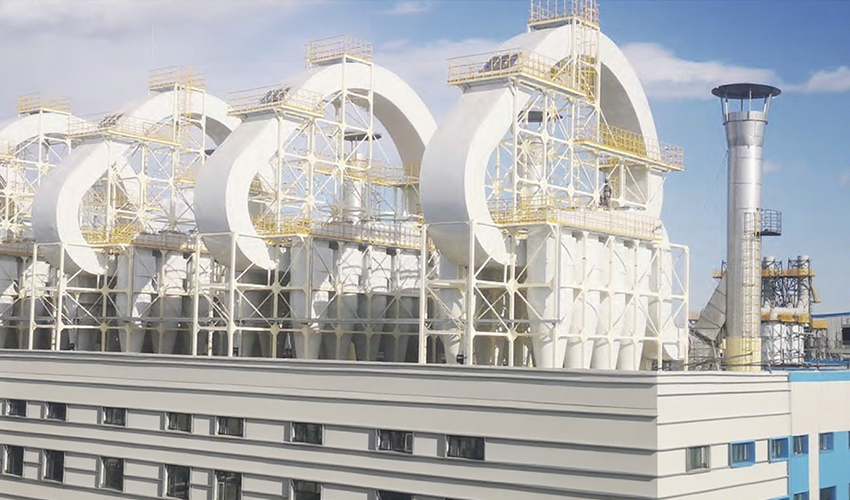
The most underestimated risk in ethanol plant project management is leaving co-product systems until after the main process is designed. DDGS drying, carbon dioxide recovery, and biogas generation from stillage all affect steam balance, water treatment capacity, and overall energy intensity. When these units are treated as optional add ons, the plant often faces a utility redesign after procurement has already started.
In projects we support, the decision to include biogas utilization from stillage often shifts the utility design and avoids a permitting rework later. Early integration of energy cascade utilization, where waste heat from distillation preheats incoming process streams, reduces overall energy consumption by a meaningful margin and shortens the path to stable operation. If your program involves variable corn moisture or plans to add CO2 recovery later, the utility sizing and stillage handling design need early confirmation. Reach out at [email protected] before finalizing your equipment BOM.

Commissioning and Performance Testing Turn Plans into Production
Commissioning is where schedule slip often occurs because instrumentation and control loops are not complete when mechanical work finishes. The sequence should start with clean utility runs, followed by water trials through fermentation and distillation, then functional tests of each unit operation. Only after these steps pass should the plant introduce corn and begin performance trials for ethanol yield, DDGS quality, and energy consumption.
In our experience, projects that treat operator training as part of commissioning rather than a separate post startup activity reach stable production faster. Operators who participate in water trials and loop checks understand the system well before real feedstock arrives. This reduces the number of startup upsets and protects the plant from early equipment damage. Acceptance criteria should cover not only nameplate capacity but also co-product quality and specific energy use per liter of ethanol produced.
Planning Your Ethanol Plant Project with Integrated Delivery
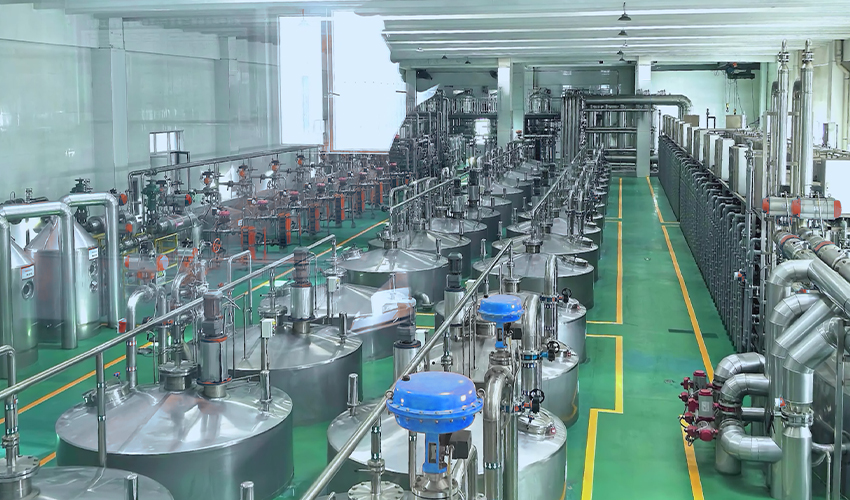
Projects stall when scope is fragmented across multiple vendors with no single party accountable for interface management. The result is redesign loops, late data exchange, and commissioning gaps. An integrated delivery approach solves this by making one engineering partner responsible for process design, equipment supply, construction, and startup.
AGRIFAM delivers complete EPC solutions for grain based alcohol and fuel ethanol production. Our approach applies energy cascade utilization, biogas comprehensive utilization, and wastewater treatment within a green circular production system. Send your project timeline and capacity requirements to [email protected] or call 010-8591 2286 to start the feasibility conversation.
Common Questions About Ethanol Plant Project Management
How long does a typical ethanol plant project take from design to startup?
Most corn based ethanol plants we work on take 18 to 24 months from design freeze to mechanical completion, with commissioning adding another 3 to 4 months. The specific timeline depends on plant capacity, site conditions, and how early long lead equipment is ordered. Projects that finalize co-product scope during feasibility avoid the 2 to 3 month redesign cycles that commonly push startup into the next season.
What is the most common schedule delay in ethanol plant construction?
Many owners assume weather or civil work causes the worst delay, but the most frequent cause we see is late equipment data from long lead packages. For example, distillation column internals and molecular sieve units often arrive with vendor drawings that arrive after civil foundations are already poured. This forces field modifications and rework. Ordering packages with data submission milestones tied to payment keeps the sequence moving instead of stalling.
Should co-product systems be included in the initial scope or added later?
It depends on the project’s feedstock and market access. If DDGS drying or CO2 recovery is part of the original business case, include it from design start because those systems change steam load and water treatment capacity. If they are not part of the initial scope, design the utility interfaces and plot space so they can be added without major rework. Adding a CO2 recovery train after startup is possible but costs more and disrupts operation.
How can we reduce project risk and improve long-term economics?
In projects we support, the most effective risk reduction is a design freeze that already accounts for energy cascade utilization and wastewater to biogas conversion. This prevents late changes in steam distribution and water treatment. Early co-product decisions also create revenue streams that improve project payback. Share your capacity plan and feedstock profile, and we will confirm which integration points matter most for your schedule.
If you’re interested, check out these related articles:
Driving Global Food Conservation Through Technological Innovation