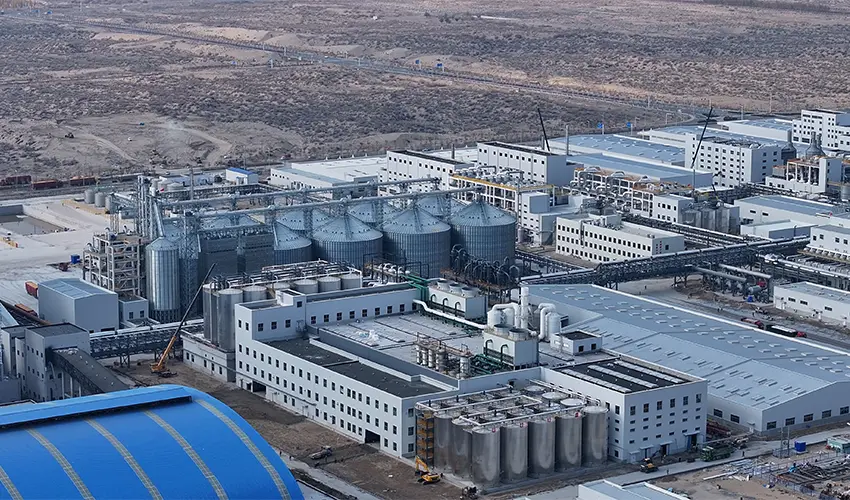

Most corn ethanol water footprint assessments begin with a single aggregated number that hides more than it reveals. Water does not disappear uniformly across a plant; it concentrates in cooling, mashing, fermentation, and distillation. The practical question for a modern corn ethanol operation is not whether water can be conserved, but where the reductions should come from first. In our experience, the most defensible approach treats water as one stream inside the full corn-to-energy system: integrated with heat recovery, by-product handling, and process control rather than managed as a standalone utility. That framing determines whether a conservation plan holds up when production scales.
Where Does the Corn Ethanol Water Footprint Actually Originate?
In a grain-based alcohol plant, water enters through three main doors: process water for mashing and slurrying, cooling water for fermentation and distillation condensers, and boiler feed water for steam. A fourth stream, embedded water in corn, is often added to the footprint even though it sits upstream of the plant fence. The distinction matters because plant engineering can control the first three streams directly. The embedded water question belongs to agricultural practice and regional rainfall; confusing the two scopes produces a conservation plan aimed at the wrong system.
Process water carries starch through liquefaction and saccharification, then carries yeast through fermentation. It is not consumed the way a fuel is consumed. Much of it returns as thin stillage, condensate, or CIP rinse. The actual loss points are blowdown, evaporation, and the water held in distillers grains. Cooling water is even more recoverable when towers are cycled hard with proper chemical treatment. Boiler feed water becomes steam, does its work, and can return as condensate if the piping and trap network are designed for it.
The easiest way to read a water balance is to track each stream by conductivity, flow, and temperature. A high-volume stream with low conductivity usually has reuse potential. A low-volume stream with high COD usually needs treatment before it can be returned anywhere.
| Stream | Where it concentrates | Main reduction lever |
|---|---|---|
| Process water | Mashing, fermentation, CIP | Closed-loop recycling, final rinse segregation |
| Cooling water | Fermentation jackets, condensers | Tower cycles, side-stream filtration |
| Boiler feed water | Steam generation | Condensate return, flash steam recovery |
| Stillage water | Distillation bottoms | Anaerobic treatment, solids separation, permeate reuse |
| Utility blowdown | Boiler and cooling tower | Chemical program tuning, recycle to low-grade uses |
A water balance built this way reveals which conservation projects will pay back first. It also stops the common practice of treating all water as one category and assigning the same treatment cost to a clean condenser stream and a high-COD stillage flow.
Why Do Corn Ethanol Water Footprint Estimates Differ So Much?
The gap between estimates usually comes from the boundary. One figure may count only water withdrawn inside the plant. Another may include rainwater on cornfields. A third may add the water used to generate purchased electricity. All three are legitimate answers to different questions, but they are not interchangeable when selecting equipment or setting a permit condition.
For capital planning, the plant-level blue water footprint is the number that matters. It describes the water a facility must take from a river, well, or municipal supply and what it must discharge. Gray water, the volume needed to assimilate residual load, matters for permit compliance. Green water, the rainfall used by corn, matters for agricultural policy and total life cycle analysis. A new plant in a water-stressed basin may need to manage all three, but the engineering response for each is different.
From the plant side, the most common error is comparing a dry-mill number that includes irrigation with a wet-mill number that does not. The comparison looks like a contradiction, but it is only a scope mismatch. Buyers evaluating a corn ethanol project should ask for the water balance boundary before comparing two proposals. A lower number with a narrower boundary may not be cheaper to operate; it may simply be less complete.
If your site is on an older water permit and your condenser water and CIP waste currently leave the plant as separate streams, it is worth confirming whether those two can be combined for partial reuse before you specify treatment equipment. Send your current water balance and permit limits to [email protected] and we will flag the highest-recovery options.
Which Corn Ethanol Water Footprint Reductions Are Achievable Without Yield Loss?
Conservation in a corn ethanol plant is mostly a sequence of reuse decisions, not a single piece of equipment. The highest-value actions are usually condensate return, cooling tower cycles, and segregation of CIP streams. These do not reduce ethanol yield. They reduce the volume of fresh water the plant has to buy and the volume of wastewater it has to treat.
Condensate return is the first place we look. Steam used in distillation gives up heat and becomes water that is already hot and chemically clean enough for boiler feed after modest treatment. If that water is drained to the sewer, the plant pays twice: once to heat fresh makeup water and once to treat the discharged condensate. A properly sized condensate network can recover most of that stream and cut boiler feed demand. The same logic applies to flash steam from blowdown.
Cooling towers offer a second gain. Raising cycles of concentration from low to moderate values reduces blowdown and makeup demand. The limit is set by scaling potential in the local water chemistry. In a feed or fuel alcohol plant, the tower can often be cycled harder than a food-grade beverage line, but the tradeoff needs to be evaluated against the condenser metallurgy and the discharge permit.
Process water can be closed much further than many older plants run it today. In corn starch processing, the pattern we follow recycles all process water except the final washing stage. That same principle carries across to alcohol production when stillage is separated and the resulting liquid stream is treated for recycle. The alcohol line we plan around integrates wastewater treatment with biogas recovery, so the same water that carried sugars into fermentation returns as process water instead of leaving the plant. This is not a design aspiration; it is an operating condition in a closed-loop layout.

A closed-loop layout has an energy benefit as well. When process water is recycled, the system avoids heating and treating a constant stream of fresh makeup water. In the alcohol production line we plan, the design target is a 25 percent energy consumption reduction and 100 percent by-product resource utilization across the corn-food-energy-feed chain.
What Does a Closed-Loop Water System Require in Practice?
A closed-loop system fails for one of two reasons: the plant does not measure where water goes, or it mixes so many streams that treatment becomes too expensive to operate. We start with instrumentation before we commit to pipe changes. Flow meters belong at each major use point, including mashing, fermentation cooling, CIP, distillation, and utility blowdown. Conductivity and pH readings are needed at any point where a stream may be returned to the process. COD or TSS measurement is needed before stillage liquid enters the recycle loop.
Once the meters are in place, the streams are separated by quality. High-strength streams such as stillage and first CIP rinse go to anaerobic treatment, where biogas is recovered for boiler fuel. Low-strength streams such as cooling tower blowdown and final rinse can often be reused after filtration and limited polishing. This split keeps treatment sizing rational. It also prevents a common failure: sending clean and dirty water to the same treatment train and making the clean water unnecessarily expensive to reuse.
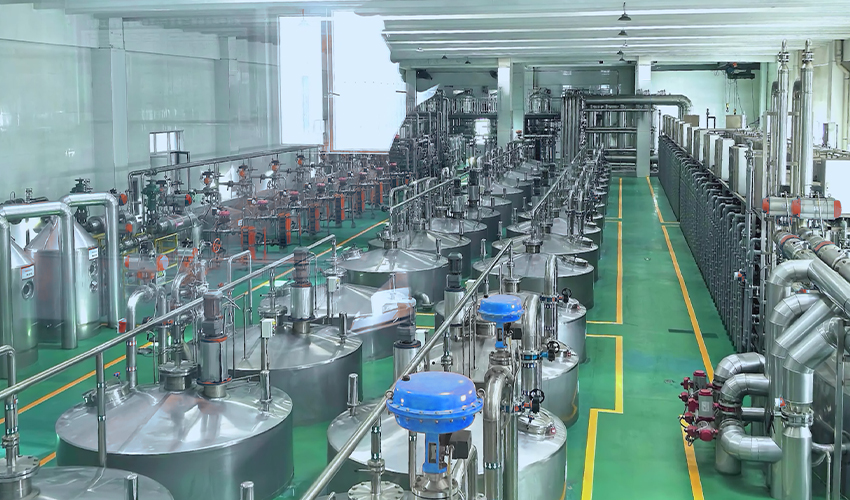
Storage is the other practical requirement. Recycled water is not produced and used at the same moment. A buffering tank is needed to hold treated water between shifts or during regeneration cycles. The tank should be sized against the plant’s peak water demand, not average demand, because recycle systems fail when peak demand exceeds the treated-water storage capacity. Instrumentation, segregation, storage, and a clear discharge path for excess water are the four foundations.
What Should a Workable Corn Ethanol Water Footprint Plan Include?
A workable plan includes a measured water balance, an explicit scope boundary, a stream-by-stream reuse sequence, and a permit strategy that does not treat all water as one category. The water balance should be built from meter data over at least one full production cycle, not from design estimates alone. The scope boundary should state whether embedded water from corn production is included. The reuse sequence should start with streams that have the lowest treatment cost per cubic meter recovered.
The plan should also include a discharge strategy. Closing loops too aggressively without a blowdown path lets salts and organic acids accumulate in the system. Every recycle loop needs a controlled purge point, usually connected to the treatment system or a permitted discharge. In our experience, the most successful projects are the ones that add two or three high-recovery loops first and leave the rest of the plant on conventional treatment. This creates a manageable operating change and a measurable reduction that can be used to justify the next step.
AGRIFAM’s position is that water conservation in a corn ethanol plant should be treated as one part of the larger energy and by-product system. The target is not simply to use less water; it is to keep the water working across fermentation, distillation, and by-product recovery. If your facility is evaluating a new corn ethanol line or retrofitting an existing one, send your site water balance and production capacity to [email protected] or call 010-8591 2286. We will identify the two or three streams with the fastest payback and the smallest operational risk.
What Else Should You Ask About Corn Ethanol Water Footprint?
Does reducing water use in an ethanol plant change ethanol quality or yield?
No. Water conservation in the plant does not reduce fermentation yield when the recycle system maintains the required flow, temperature, and cleanliness for mashing and yeast management. The ethanol leaving the molecular sieve is governed by distillation and dehydration control, not by the source of the water entering the process. The point to watch is not yield but contamination. A poorly operated recycle loop can raise organic acids or salts in the mash, which affects yeast activity. If the recycle stream is monitored for conductivity and organic load, yield stays stable.
Is the largest water impact from corn ethanol always irrigation?
Many readers assume irrigation is the largest water impact in every corn ethanol project, but that depends on where the corn is grown. In rain-fed regions, green water from rainfall dominates and plant withdrawals matter more for the local basin. In irrigated regions, the embedded water in corn can exceed the plant footprint several times over. The key for a project buyer is not the global average. It is whether the specific plant location has enough water to carry its boiler, cooling, and process loads without squeezing other users.
Should a plant close all water loops or only some?
It depends on the steam system and the discharge permit. If the plant has a tight condensate return network and a cooling tower with good chemical control, closing the high-recovery loops first is the right move. If the local water is high in silica or the permit restricts blowdown, closing every loop can concentrate salts to a level that damages boilers and condensers. The better approach is to close the cleanest, highest-volume streams first and keep a controlled purge on the rest. The sequence should follow the water balance, not a fixed list.
What is the most common water balance error in a new corn ethanol plant?
In plants we have assessed, the most common error is underestimating condensate return and overestimating how much water the cooling tower actually consumes. Design calculations often assume all steam condensate can be recovered, but piping losses and contaminated condensate from process contact reduce the real recovery rate. We also find that unmeasured CIP rinse water gets grouped with general wastewater, which makes reuse look harder than it is. A metered water balance over one full production cycle usually changes the conservation priority list. Share your current water balance and discharge limits with [email protected] and we will confirm which streams can be closed first.
If you’re interested, check out these related articles:
Driving Global Food Conservation Through Technological Innovation