Commercial scenting is moving from a luxury add-on to a central pillar of guest and customer experience. As a scent solution specialist working across 68 countries, I’ve seen how the most forward-thinking hotels and retailers now treat fragrance as seriously as lighting or sound design. The trends driving this shift in 2025 go beyond picking a pleasant aroma — they involve HVAC integration, IoT-controlled diffusion, and a genuine commitment to sustainability. What’s emerging is a more precise, data-backed approach to ambient scenting that enhances brand recall and emotional connection without feeling intrusive. This article walks through the key commercial scent trends reshaping hotels and retail, and the infrastructure decisions that make them work.
 ## The Shift Toward Hyper-Personalized Signature Scents
Generic “luxury hotel” fragrances are losing ground to bespoke signature scents that reflect a property’s location, heritage, or brand story. Instead of ordering an off-the-shelf blend, hotel groups now work with fragrance developers to create a multi-layer experience — a crisp citrus note for the reception, a warmer woody base for corridors, and a gentle floral for guest rooms. This kind of scent zoning requires more than a single aroma oil; it demands a flexible formulation process and diffusers that can be programmed independently. In our work with boutique hotels, we’ve found that a signature scent built from a detailed brief — describing the desired emotional response and local references — results in far higher guest recall than a generic formula. For retailers, the same logic applies: a fashion brand targeting younger consumers might choose a fresh, deconstructed rose, while a heritage jeweler leans into leather and oud. The key is treating scent as a distinct design layer, not an afterthought.
HVAC-Driven Scent Diffusion for Whole-Property Coverage
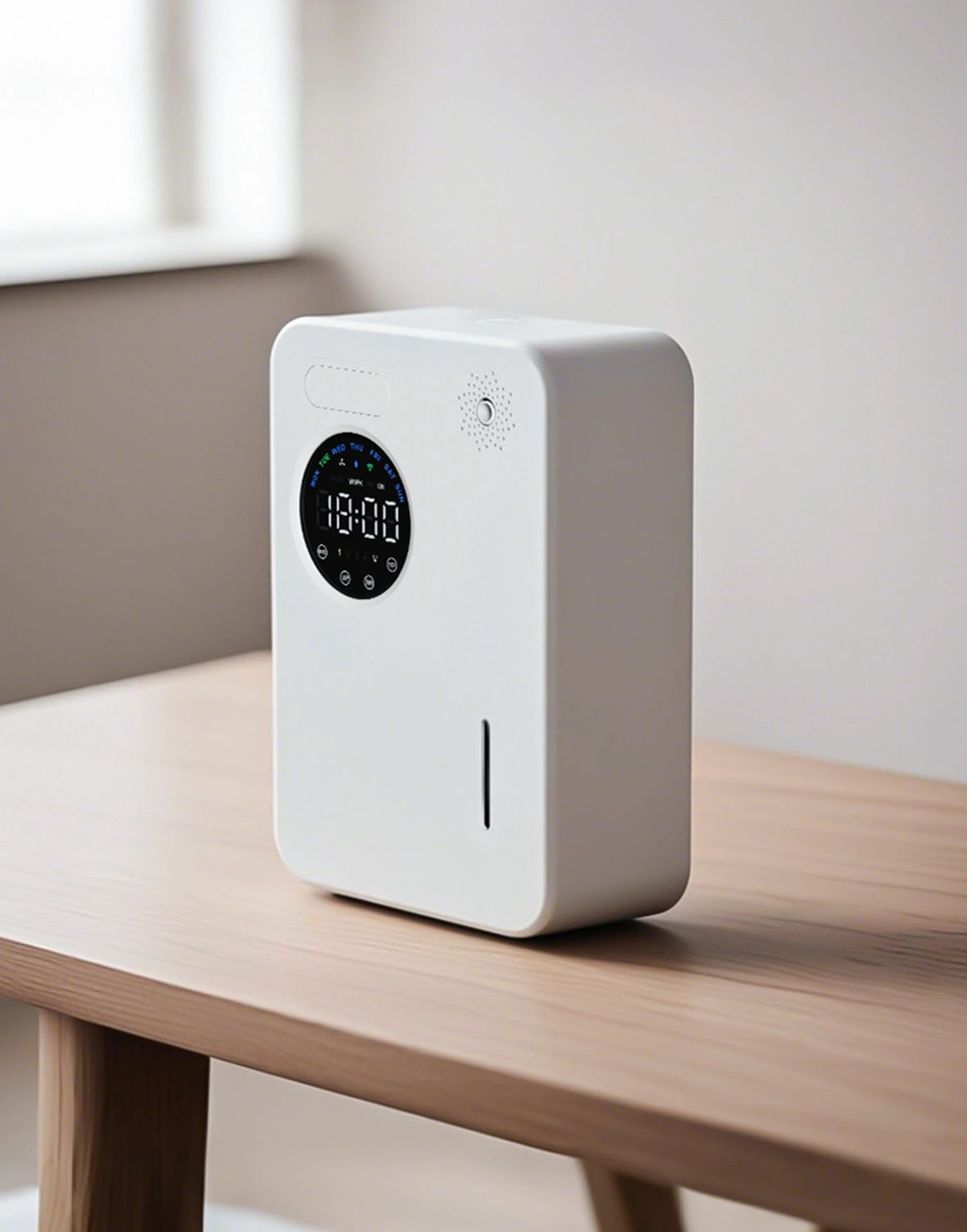
The most seamless scent installations no longer rely on visible machines tucked behind furniture. Instead, HVAC-integrated systems push fragrance directly through a building’s existing air ducts, distributing it evenly across thousands of square meters. This approach solves the “scent dead zone” problem that plagues standalone diffusers — areas where the fragrance fades or concentrates unevenly. A commercial HVAC scent diffuser, like the Scent-Share HVAC Aroma Dispenser System, connects to the ductwork and atomizes fragrance oil into microparticles that travel with the airflow. The result is a consistent background scent that guests perceive as part of the space rather than something artificial. For multi-story hotels, dual-system HVAC diffusers allow each floor or zone to carry a different fragrance profile without cross-contamination. The technical leap here is not just coverage — it’s the ability to maintain precise concentration levels regardless of outdoor temperature or foot traffic, something that older pump-based systems struggled with.
Smart Diffusion Systems with IoT and Bluetooth Control
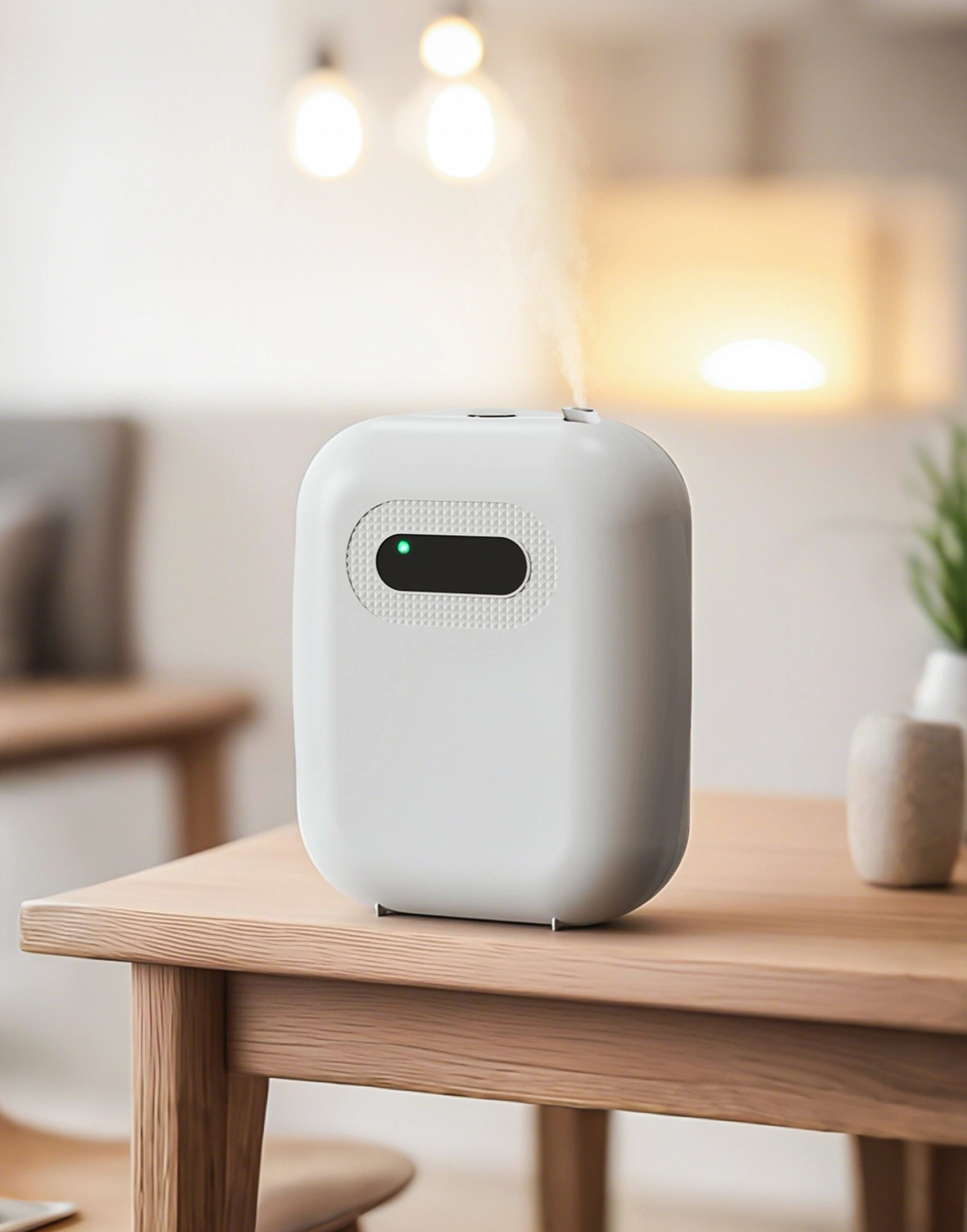
Manual adjustment timers and physical buttons are being replaced by Bluetooth and WiFi-connected diffusers that a facility manager can control from a smartphone. This shift from mechanical to smart diffusion means scent intensity, schedule, and even fragrance selection can be adjusted remotely — a critical advantage for chains with dozens of locations. A Scent-Share Bluetooth APP-controlled commercial diffuser, for instance, allows the operator to set different programs for peak hours versus overnight, automate refill alerts, and lock settings to prevent tampering. The data feedback loop is equally valuable: a retail chain tracking footfall can correlate scent intensity with dwell time and sales, then tweak settings accordingly. I have seen hotel groups reduce fragrance consumption by 25% simply by scheduling diffusion during occupancy hours and dialing back when rooms are empty, with no loss in guest perception. As IoT infrastructure becomes standard in commercial buildings, scent systems that integrate with existing building management platforms are no longer a novelty — they are an operational expectation.
Sustainable and Eco-Conscious Fragrance Choices
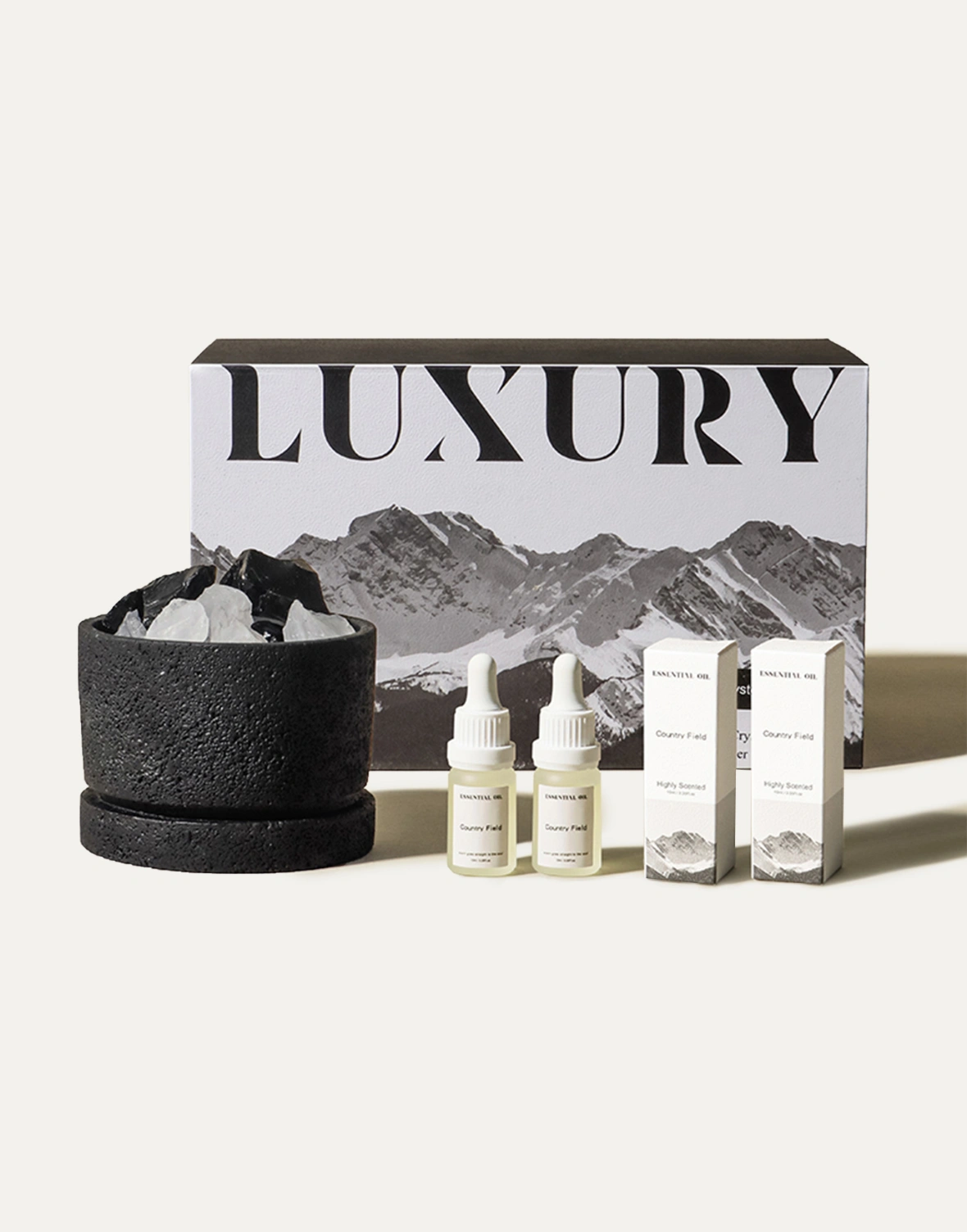
Hotels and retailers are facing growing pressure from both corporate ESG targets and consumer awareness to choose fragrance solutions that are environmentally sound. This trend has two dimensions: the hardware and the consumables. On the hardware side, waterless, ultrasonic diffusers eliminate the need for water-based solutions that can harbor bacteria and require more frequent cleaning, extending the device’s service life. On the consumables side, brands are asking for fragrance oils formulated with renewable or biodegradable ingredients, and packaging that minimizes plastic waste. Scent-Share’s reed diffuser gift sets and natural crystal aroma stones, for example, offer a chemical-free, heat-free diffusion method that appeals to eco-conscious retailers. During conversations with procurement teams, we also see rising demand for transparency: they want to know the origin of essential oil components and whether the manufacturing process complies with IFRA and REACH standards. A scent marketing program that cannot substantiate its sustainability claims will face pushback from both corporate clients and end consumers.
Expanding Scent Touchpoints Beyond the Lobby
The old model of placing one diffuser behind the front desk is giving way to a multi-touchpoint strategy. Hotels are scenting not just lobbies but also corridors, elevators, spas, fitness centers, and even meeting rooms — each with a fragrance intensity and character matched to the activity. Retailers are doing the same: a department store might use an energizing citrus blend near activewear sections and a calming lavender-cedar near the wellness aisle. This requires diffusers in multiple form factors — small, discreet wall-mount units for narrow corridors, ceiling track-mount models for open-plan retail floors, and larger tower diffusers for atriums. The Scent-Share product portfolio reflects this fragmentation, with coverage options ranging from a 200 m² wall-mount unit to an 8,000 m² HVAC system. Coordinating these touchpoints is the operational challenge: a centralized smart control platform that manages every device across every property is what separates a coherent scent program from a scattered one.
Navigating Commercial Scent Investment for Multi-Location Brands
If you manage a hotel group or retail chain and are assessing how to bring these trends into your operations, the starting point is a site audit that maps airflow patterns, existing HVAC zones, and desired scent intensity per area. The technical requirements differ significantly between an older, compartmentalized building and a modern open-plan flagship store. We often recommend a phased rollout — begin with a flagship location using a Bluetooth-controlled HVAC diffuser, measure guest feedback and consumption data for a quarter, then scale to additional sites. At Scent-Share, our team supports this process with from-factory pricing on diffusers and custom fragrance development, backed by a 300+ scent library. If your program involves multiple locations with different scent profiles, it is worth confirming the diffuser’s multi-zone capability and the fragrance oil’s batch consistency before finalizing your specification. Share your project requirements with us at [email protected] or call +86 185 6557 5758, and we will map out a scenting architecture tailored to your brand’s footprint.
Common Questions About Commercial Fragrance Implementation
How long does it take to develop a custom signature scent?
From initial briefing to final approval, a custom scent typically takes four to six weeks. The process starts with a detailed questionnaire covering the brand’s identity, target emotion, and any cultural or regional scent preferences. Our team then formulates three to five prototypes, which you evaluate in small-sample diffusers. Once a finalist is selected, we scale production with strict batch consistency protocols.
Does a scent marketing program require different fragrances for winter and summer?
In many cases, yes. Humidity and temperature affect how fragrance molecules disperse and are perceived. A heavier, spiced composition that works beautifully in a heated winter lobby can feel overwhelming in a humid summer. We often provide a seasonal adjustment guide with the same scent DNA — for example, adding a fresher top note for warmer months while keeping the base recognizable — so the brand identity remains consistent.
What is the difference between a cold air diffuser and an HVAC scent system?
A cold air diffuser is a standalone unit that uses a fan to aerosolize fragrance oil and project it into a room. It’s suitable for spaces up to about 300 m² and requires no ductwork. An HVAC scent system, by contrast, plumbs into the building’s air handling unit and distributes fragrance through the existing ventilation network, covering areas of 3,000 m² or more. The HVAC approach offers invisible, even distribution but demands proper installation and air balance adjustment.
Can scent marketing work for a small boutique without a large budget?
Absolutely. A single well-placed battery-operated wall diffuser with a carefully chosen fragrance oil can transform a 200 m² space for a modest investment. The key is selecting a diffuser with programmable on/off cycles to avoid wasting fragrance oil outside business hours, and starting with a pre-blended scent from a supplier’s existing library rather than commissioning a custom formula. We regularly help small retailers find an entry point that fits their budget.
How do I know if a fragrance supplier’s oils are safe and compliant?
Request the supplier’s IFRA certificate and Safety Data Sheet (SDS) for each oil in your blend. These documents confirm that the formulation complies with the International Fragrance Association’s safety standards and that the fragrance contains no prohibited or restricted substances for its intended application area. At Scent-Share, we provide full documentation for every fragrance we ship, and our oils are formulated to meet both IFRA and EU REACH requirements. Share your compliance checklist with us and we’ll confirm which certifications are available for your specific products.
If you’re interested, check out these related articles: