
Most grain alcohol plants recover the obvious co-products: distillers grains for feed, maybe some CO₂ if the economics line up. A genuinely closed-loop alcohol production system goes further. It treats every output stream (solid, liquid, and gas) as a recoverable asset, routing each one into a commercially viable use. The result is not just reduced waste but a fundamentally different plant economics, where co-product revenue offsets a substantial share of input costs and the facility’s environmental footprint shrinks measurably. Achieving that requires specific process integration decisions made early, and it demands rethinking material and energy flows as one connected system rather than as a sequence of independent unit operations.
The Material Flow in a Closed-Loop Alcohol Plant
A closed-loop alcohol production line does not look radically different from a conventional one in terms of major equipment. Corn is cleaned, milled, slurried with water, cooked with enzymes, fermented, distilled, and dehydrated. What changes is what happens at the boundaries between these steps, and what happens to the streams that a conventional plant discharges or vents.
The table below maps the principal material flows in a corn-to-ethanol system operating under full closed-loop design.
| Process Stage | Primary Output | Co-Product Stream | Recovery Method |
|---|---|---|---|
| Corn milling | Corn flour | Screenings, dust | Returned to feed stream |
| Liquefaction and saccharification | Fermentable sugar slurry | Spent enzyme solids | Retained in mash, minimal loss |
| Fermentation | Ethanol-rich beer | CO₂ gas | Scrubbed, compressed, purified to food grade |
| Distillation | 95% ethanol | Whole stillage | Centrifuged to wet cake and thin stillage |
| Dehydration | Anhydrous ethanol | Regeneration off-gas | Condensed, returned to rectification |
| Stillage processing | DDGS | Evaporator condensate | Treated, returned as process water |
| Wastewater treatment | Biogas | Treated effluent | Reused as CIP or cooling water |
The critical design principle is that no stream leaves the plant boundary without first passing through a recovery step. Thin stillage, which in many plants is partially evaporated with the concentrate going to DDGS and the condensate sent to wastewater treatment, is instead handled so that the water fraction returns to the front-end slurry tank. This single decision cuts fresh water intake by roughly 40 to 50 percent based on projects I have reviewed. The evaporator condensate is hot and clean; sending it to wastewater cooling and treatment wastes both the water and the thermal energy it carries.
By-Product Streams That Generate Revenue
A closed-loop alcohol production plant earns from more than ethanol. Three co-product streams typically generate the bulk of non-ethanol revenue.
DDGS remains the largest by volume. Depending on corn quality and process control, a bushel of corn yields approximately 17 pounds of DDGS alongside 2.8 gallons of ethanol. The protein content, typically 26 to 30 percent on a dry matter basis, makes it a competitive ingredient in ruminant and monogastric rations. What shifts under closed-loop operation is consistency: because evaporation and drying parameters stabilize when condensate return is constant, DDGS nutritional profiles show less batch-to-batch variation.
Food-grade liquid CO₂ is the second stream. Fermentation produces roughly 0.75 kilograms of CO₂ per kilogram of ethanol. Capturing, scrubbing, compressing, and liquefying that CO₂ requires additional capital (a CO₂ recovery skid, purification columns, and storage tanks), but the payback is typically under three years at current food-grade CO₂ prices. Plants selling CO₂ to beverage or food processors effectively receive a second revenue stream from carbon that would otherwise be vented.
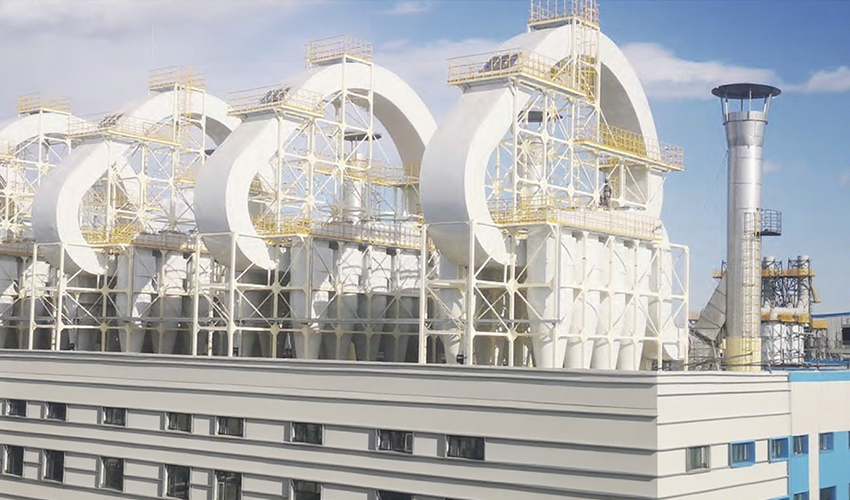
Biogas from anaerobic treatment of residual organics in wastewater is the third stream. Even after stillage processing, thin stillage evaporator condensate carries volatile organic acids and trace ethanol that aerobic treatment would consume energy to oxidize. Anaerobic digestion converts these to methane, which can fuel a boiler or a combined heat and power unit. I have seen plants where biogas supplies 15 to 20 percent of total steam demand, directly reducing natural gas or coal consumption at the boiler.
Where Most Plants Lose Material and Energy
When I walk through a plant that is not running closed-loop, three loss points stand out immediately.
First, evaporator condensate going to the treatment pond rather than back to slurry make-up. This is clean, hot water, typically 60 to 70 degrees Celsius. Dumping it into aerobic treatment wastes both the water and the heat. Returning it to the front end reduces fresh water demand and preheats the incoming slurry, cutting steam consumption in the cooker.
Second, CO₂ vented from fermenters. The gas exits the fermenter saturated with ethanol vapor and carries a distinctive sweet smell, which means product loss. A CO₂ scrubber recovers that ethanol and delivers cleaner CO₂ for downstream purification. Without scrubbers, ethanol loss through fermenter off-gas can reach 0.5 to 1 percent of total production, which adds up quickly in a 100,000-ton-per-year plant.
Third, stillage handling that sends excess water to evaporation rather than returning it to process. Every ton of water evaporated consumes roughly 0.7 to 0.8 tons of steam. Reducing the thin stillage volume sent to evaporators by returning more water to slurry make-up cuts steam load proportionally. This is not a marginal optimization; on one project our team evaluated, rebalancing the water loop reduced overall plant steam consumption by 12 percent with no new equipment, only piping modifications and control logic changes.
If your plant is handling thin stillage volume that keeps growing as throughput increases, it is worth confirming whether the water return loop is sized correctly before adding evaporator capacity. Reach out at [email protected] and we can review your current water balance.
Process Integration: Recovery vs True Closure
There is a difference between recovering individual by-product streams and achieving true process closure. Recovery means you capture DDGS, CO₂, and biogas but still discharge treated wastewater and vent some low-grade heat. True closure means every material and energy stream finds a use inside the plant boundary or in a directly coupled downstream process.
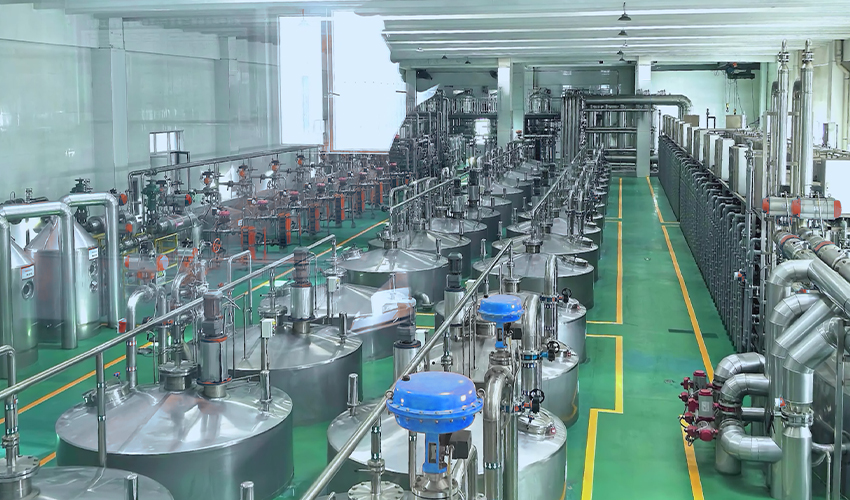
The distinction matters for two reasons. First, partial recovery leaves cost on the table. Treated wastewater discharged to a river or municipal system represents water you paid to acquire, heat you paid to add, and treatment chemicals you paid to apply. Closing the water loop keeps those embedded costs inside the plant. Second, regulatory pressure on water withdrawal and discharge permits is tightening in most jurisdictions where grain alcohol plants operate. A plant already running near-zero liquid discharge has a much simpler permitting path and lower compliance risk than one still negotiating discharge limits.
Energy cascade is the other dimension of true closure. Distillation columns reject heat at the condenser, typically at 70 to 80 degrees Celsius. That heat can preheat incoming mash, drive evaporators, or warm process water. In a well-integrated plant, I have observed steam consumption for distillation drop by 20 to 25 percent simply by reordering heat exchangers so that the hottest streams preheat the streams that need the most energy. This is not novel technology; it is disciplined process integration that many plants skip because the engineering hours cost more up front than the equipment. But the payback is measured in months, not years.
Building or Retrofitting for Full Utilization
A greenfield closed-loop alcohol production plant costs more to build than a conventional plant of the same ethanol capacity. The additional equipment (CO₂ recovery skid, anaerobic digestion system, condensate return piping and controls, additional heat exchangers for energy cascade) typically adds 8 to 15 percent to the total installed cost. The operating cost advantage, however, shifts the project economics decisively.
Co-product revenue from DDGS, CO₂, and energy displacement from biogas together can cover 20 to 30 percent of total production cost in a well-designed plant. When the water loop is closed, fresh water intake drops to roughly 2 to 3 liters per liter of ethanol produced, down from 5 to 8 liters in a conventional plant. Water treatment chemical costs drop proportionally. These savings compound: lower water intake means lower treatment cost, lower pumping energy, and smaller permitted discharge volumes.
Retrofitting an existing plant is harder because the original layout constrains pipe runs and heat exchanger placement. The most cost-effective sequence is usually: condensate return first, because it requires the least new equipment and delivers immediate steam savings; CO₂ recovery second, if a buyer exists within reasonable transport distance; and biogas third, because anaerobic digestion involves significant civil works. Each of these can be evaluated as a standalone project with its own payback period. What matters is that they are evaluated together, because the savings interact. Returning condensate reduces the steam load, which changes the biogas sizing calculation, which affects the boiler fuel mix. Treating them as independent projects almost always underestimates the combined return.
AGRIFAM has delivered complete EPC solutions for grain-based alcohol and fuel ethanol production that integrate energy cascade utilization, biogas recovery, and closed-loop water systems from day one. The engineering logic is consistent across scales: trace every stream, find a use for it, and design the plant so that one output becomes the input for another process.
How You Can Move Toward Full By-Product Utilization
Redesigning material and energy flows across an entire alcohol plant is a significant engineering undertaking, but the financial and regulatory case for full closure grows stronger each year. Whether you are planning a new facility or evaluating how far an existing plant can move toward closed-loop operation, the starting point is the same: a detailed mass and energy balance that identifies every stream and its current fate.
Our team at AGRIFAM works with producers at the feasibility stage to model complete water, steam, and co-product flows, quantifying the capital required and the operating savings achievable under full closed-loop design. Share your current production parameters and target capacity with us at [email protected] or call 010-8591 2286, and we will prepare a preliminary closed-loop integration assessment specific to your project.
Common Questions About Closed-Loop Alcohol Production
Does closing the water loop affect ethanol quality?
It should not, provided the condensate return system is properly designed. The evaporator condensate from stillage processing is essentially distilled water with trace volatiles. Passing it through a polishing step (typically activated carbon or a small distillation column) removes any compounds that could carry over into fermentation. In plants where I have seen this implemented, final ethanol quality meets the same ASTM or EN specifications as product from a plant running on fresh water only. The key is not skipping the polishing step; contaminants that are undetectable in raw condensate can build up cycle after cycle if no purge or treatment exists.
What is the single fastest-payback project for an existing plant?
Condensate return to slurry make-up almost always pays back fastest. The equipment is straightforward: a storage tank, a pump, insulated piping, and basic level controls. Most plants recover the investment within six to twelve months because the savings are immediate (less fresh water purchased, less steam used to heat cold makeup water, and lower wastewater treatment load). This single change typically reduces steam demand by 4 to 7 percent, and on a plant spending millions annually on coal or natural gas, that is real money.
How do food-grade CO₂ markets affect the decision to recover?
It depends on local demand. If a beverage bottler, food processor, or industrial gas distributor is within 200 kilometers and offers a take-or-pay contract, the investment case is straightforward. If the nearest buyer is farther away, transportation cost eats into the margin. In that situation, some plants opt for a partial recovery system that scrubs CO₂ for ethanol recovery only, then vents the gas rather than liquefying it. This still captures the ethanol loss but avoids the liquefaction capital. The right call depends on your location and local market structure.
Does zero-liquid discharge really work at scale?
Yes, but it requires discipline. A true zero-liquid discharge plant sends no liquid effluent offsite. All process water circulates internally, with a small purge stream evaporated in a crystallizer or spray dryer, producing a solid salt cake for disposal. I have seen this operate reliably in several grain processing facilities, including alcohol plants. The operating cost is higher than a plant with a discharge permit because the final evaporation step is energy intensive. In regions where water is scarce, discharge permits are unavailable, or disposal costs are rising, zero-liquid discharge can be the lowest total cost option over a 10 to 15 year operating horizon. The decision turns on local water cost trends and regulatory trajectory, not on a simple capital cost comparison.
Is biogas cleaning for boiler use reliable enough for continuous operation?
In programs we have supported, biogas from anaerobic treatment of alcohol plant wastewater runs 60 to 65 percent methane, with the balance being CO₂ and trace hydrogen sulfide. For boiler use, minimal treatment (moisture removal and H₂S scrubbing) is sufficient; most dual-fuel boilers handle this gas without derating. The reliability concern is not the gas quality but the anaerobic digestion process itself. If the wastewater composition changes suddenly, methanogen activity can drop. The standard engineering response is a biogas buffer tank sized for 4 to 8 hours of boiler demand, plus a fast-acting fuel valve that switches to natural gas if biogas pressure drops. With these provisions, biogas systems I have worked with achieve better than 95 percent annual availability. If your plant is evaluating biogas recovery, the anaerobic digestion sizing and buffer storage volume are decisions worth confirming with process data rather than rules of thumb. Share your current wastewater flow and COD levels with us at [email protected] for a preliminary biogas yield estimate.
If you’re interested, check out these related articles:
Driving Global Food Conservation Through Technological Innovation