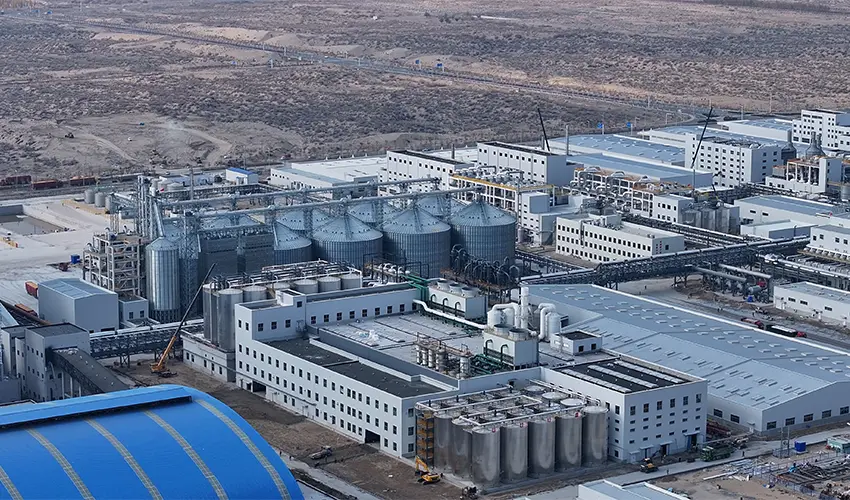

As the agricultural sector confronts rising input costs and tightening sustainability mandates, the traditional corn ethanol plant is evolving into something far more valuable: a multi-stream resource hub. Circular economy in ethanol production means designing a facility that transforms a single corn kernel into fuel, food-grade CO₂, high‑protein animal feed, and renewable energy, eliminating waste streams entirely. This corn‑food‑energy‑feed model rewrites the economics of biofuel by turning byproduct liabilities into profit centers. With over fifteen years of integrated agricultural engineering, I see this closed-loop approach as the most viable path for new ethanol developments in today’s market.
What a Circular Economy Ethanol Plant Looks Like
A conventional ethanol plant follows a linear path: corn enters, ethanol exits, and the leftover stillage and emissions are treated as waste. In a circular economy design, every output stream from the start is captured, upgraded, and sold or used on‑site. The core transformation splits corn into four value streams: fermentable starch becomes fuel ethanol, protein and fiber become distiller’s dried grains with solubles (DDGS) for livestock, carbon dioxide from fermentation is purified to food‑grade liquid CO₂, and organic residues in thin stillage are converted into biogas through anaerobic digestion. Thermal energy that would normally escape with cooling water and stack gases is recovered and cascaded back into distillation and drying processes. This integrated architecture yields zero‑liquid discharge and a 25 to 30 percent reduction in net energy consumption per liter of ethanol produced.
How Does Ethanol Production Fit Into the Circular Economy?
Ethanol production fits the circular economy precisely because corn processing already generates multiple co‑product streams. The shift from treating those streams as side outputs to designing the entire plant around their recovery is the defining difference. Instead of feeding DDGS as a commodity with margin volatility, a circular plant can stabilize revenue by contracting food‑grade CO₂ to beverage and industrial gas buyers, supplying dried feed that meets precise nutritional specs for ranch operations, and generating biogas that offsets natural gas usage in boilers. This is not simply waste valorization; it is purpose‑built industrial symbiosis.
The Corn-Food-Energy-Feed Value Streams
Every bushel of corn processed in a circular ethanol plant delivers a portfolio of marketable outputs. The following table illustrates typical yields and revenue contributions per bushel in an optimized integrated facility.
| Output Stream | Process Stage | Typical Yield per Bushel | Market Application |
|---|---|---|---|
| Fuel ethanol | Fermentation & distillation | 2.8 gallons | Gasoline blending, industrial solvent |
| DDGS (10% moisture) | Whole stillage centrifugation & drying | 17 pounds | Dairy and beef cattle protein feed |
| Food‑grade liquid CO₂ | Fermentation off‑gas capture & purification | 17 pounds | Beverage carbonation, food processing, welding |
| Biogas (methane) | Anaerobic treatment of thin stillage | Equivalent to 0.5–0.8 therms | Boiler fuel, combined heat and power |
| Recovered process heat | Heat exchangers on distillation columns and dryer exhaust | Reduces thermal energy demand by 25–30% | Preheating, evaporation, DDGS drying |
This multi‑stream model protects a project from ethanol price volatility. When fuel ethanol margins compress, feed and CO₂ contracts often maintain plant gross margins above operating cost. We have designed plants where byproduct revenue covers all variable costs, making ethanol the swing profit center.
Designing an Integrated Plant for Zero Waste
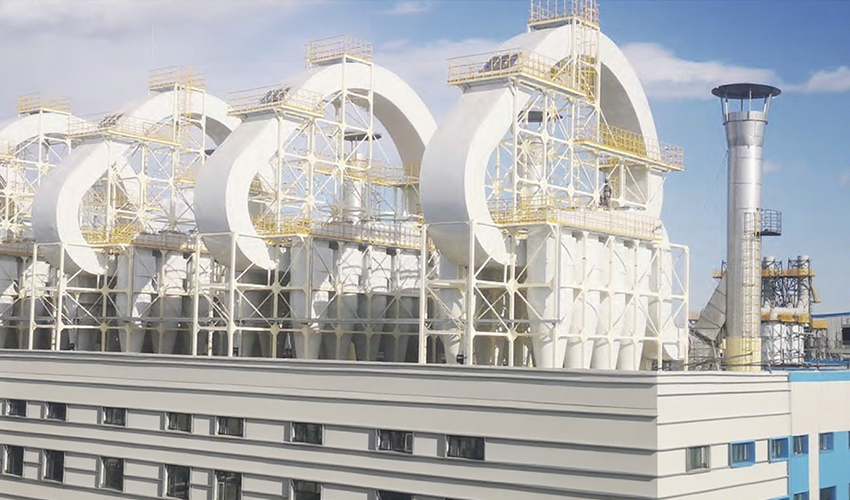
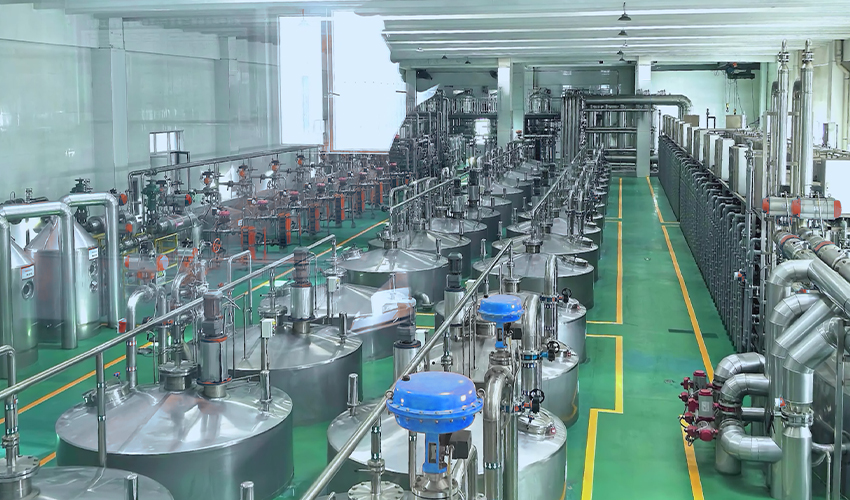
Achieving full circularity requires that grain handling, milling, fermentation, distillation, and all downstream recovery units be engineered as one system, not as separate islands with interconnecting pipes stitched together later. The design sequence starts with mass and energy balance modeling that quantifies every kilogram of carbon, nitrogen, and water entering the plant and maps their exit routes. This determines the sizing of anaerobic digesters, CO₂ liquefaction plants, and waste‑heat recovery networks. AGRIFAM’s alcohol production solution integrates energy cascade utilization, biogas comprehensive utilization, and closed‑loop water treatment into the core plant design from the first P&ID.
When we work on a new corn ethanol project, the stillage handling section is never an add‑on; it is designed in parallel with the distillation columns because the heat demand of the DDGS dryers sets the overall steam balance. The dryer exhaust is already plumbed into heat exchangers that pre‑heat incoming air to the boiler, and the condensate returns to the process water tank. This level of integration avoids the capital and efficiency penalties that come when byproduct recovery is retrofitted into an existing plant years after start‑up.
What Are the Key Process Integration Points?
The three most critical integration points are the distillation‑to‑drying heat bridge, the stillage‑to‑biogas pathway, and the CO₂ purification train. At the distillation column, overhead vapor heat is used to drive multi‑effect evaporators for thin stillage concentration. Concentrated syrup then joins wet distiller’s grains for drying. The anaerobic digester receives evaporator condensate and other low‑strength streams, producing biogas that displaces natural gas in the boiler. Maintaining the correct mass flow, temperature, and pressure at each interface requires a distributed control system that models the entire plant simultaneously, not just individual unit operations.
If your project involves balancing multiple product streams with tight energy and water constraints, the integration points between distillation, evaporation, and biogas recovery demand early‑stage dynamic simulation to avoid costly retrofits. Our engineering team can build a process model for your specific feedstock and output goals — reach out at [email protected].
Energy Cascade and Byproduct Synergies
In a well‑integrated plant, thermal energy moves through four or five temperature levels before it is finally rejected to a cooling tower. High‑pressure steam first drives the molecular sieve dehydration system and the distillation columns. Medium‑pressure condensate supplies the evaporation trains. Low‑pressure flash steam and hot water pre‑heat the incoming corn slurry, reducing the live steam load on the cooker. Finally, the warmest cooling water from the surface condenser is looped to the anaerobic digester to maintain mesophilic temperatures. This cascade can bring total thermal energy consumption down to 20–25 megajoules per liter of fuel ethanol, compared to 30–35 megajoules for a conventional design without heat integration.
Biogas utilization amplifies the energy benefit. Instead of flaring biogas or using it in a low‑efficiency boiler, we have specified high‑pressure biogas scrubbing and injection into the plant’s natural gas header, where it supplies the dryer burner and the steam boiler. In some configurations, excess biogas is used to generate electricity through a gas engine, with jacket water heat recovered for process use. These synergies mean that an integrated plant can approach 40 percent carbon intensity reduction on a life‑cycle basis relative to fossil gasoline, positioning it for premium low‑carbon fuel markets.
Making the Economics Work: ROI and Carbon Credits
A circular ethanol plant typically demands 10 to 15 percent higher initial capital than a conventional plant of equal ethanol capacity. However, the diversified revenue structure brings the project payback into the four‑to‑six‑year range under most corn and ethanol price scenarios, versus seven to nine years for a fuel‑only facility. The difference comes from monetizing streams that a conventional plant discards: CO₂ contracts with industrial gas firms can contribute $0.10 to $0.15 per gallon of ethanol produced, while DDGS sales for a large plant often exceed $15 million annually. Carbon credits under programs like California’s Low Carbon Fuel Standard add further upside when the plant’s CI score is verified through an accredited life‑cycle analysis.
From a financing perspective, the integrated model aligns with development bank and green bond criteria, opening access to lower‑cost capital. We have seen project IRR improve by 300 to 500 basis points when circular features are included in the initial design and transparently documented in the environmental and social management plan.
From Planning to Operation: Implementation Roadmap
Taking a closed‑loop corn ethanol plant from concept to commissioning usually spans 24 to 30 months. The roadmap starts with a bankable feasibility study that establishes corn availability, product offtake agreements, site conditions, and regulatory permits. Front‑end engineering design follows, locking in the mass and energy balances, equipment specifications, and capital cost estimate to within ±15 percent. Procurement and fabrication overlap with civil works to keep the schedule tight; piping, vessels, and the DCS can be ordered once the P&IDs are approved.
During construction, AGRIFAM deploys integrated project management that coordinates civil, mechanical, electrical, and automation contractors under a single EPC framework. This approach eliminates interface gaps that often delay start‑up. Commissioning proceeds from water batching to corn introduction, with performance testing that verifies ethanol yield, energy consumption, and byproduct quality. Operator training on the digital management platform ensures the circular system runs reliably from day one. Whether you are evaluating a new greenfield project or upgrading an existing facility, our integrated design team can provide a customized circular economy blueprint. Contact us at [email protected] or call 010‑8591 2286.
Common Questions About Closed‑Loop Corn Ethanol
Is a circular economy ethanol plant significantly more expensive to build?
The capital premium is real but manageable. A fully integrated plant with CO₂ liquefaction, anaerobic digestion, and heat recovery will cost roughly 10 to 15 percent more than a simple ethanol‑and‑DDGS plant. However, that additional investment is recovered through lower energy costs and new revenue streams within the first few years of operation. In projects we have evaluated, the incremental payback for the circular features alone is under three years.
Can an existing ethanol plant be retrofitted for full circularity?
Partial retrofits are common, especially adding biogas recovery or waste‑heat projects. Achieving the full corn‑food‑energy‑feed model, however, is more difficult in an existing plant because the physical layout, steam balance, and tankage were designed for a linear process. The best results come from new plants where integration is built into the plot plan from the start. That said, even partial retrofits often deliver attractive returns, particularly on the energy cascade and CO₂ capture sides.
What drives the market for DDGS and CO₂?
DDGS is a well‑established global commodity, with China, Southeast Asia, and Mexico being large importers for ruminant and swine feed. The nutritional value sits around 28 to 30 percent crude protein, making it competitive with soybean meal on a per‑protein basis. Food‑grade CO₂ demand is driven by the beverage, food processing, and welding industries, with prices ranging from $100 to $200 per ton depending on regional supply. A large ethanol plant can produce 100,000 tons of CO₂ per year, making it a meaningful revenue contributor.
How does the model handle seasonal corn quality variations?
Corn moisture and starch content shift the mass balance, so the process control system must adjust enzyme dosing, cook temperature, and fermentation residence time dynamically. Our team has implemented adaptive process models that track corn quality at receiving and optimize operations week by week. Storing corn in thermal‑insulated steel silos with mechanical ventilation, as AGRIFAM’s grain depot solution provides, keeps feedstock quality stable through seasonal transitions. If you need a detailed assessment of corn supply chain logistics for a specific project, sharing your region and expected harvest profiles will let us recommend the right storage and handling infrastructure.
If you’re interested, check out these related articles:
Driving Global Food Conservation Through Technological Innovation