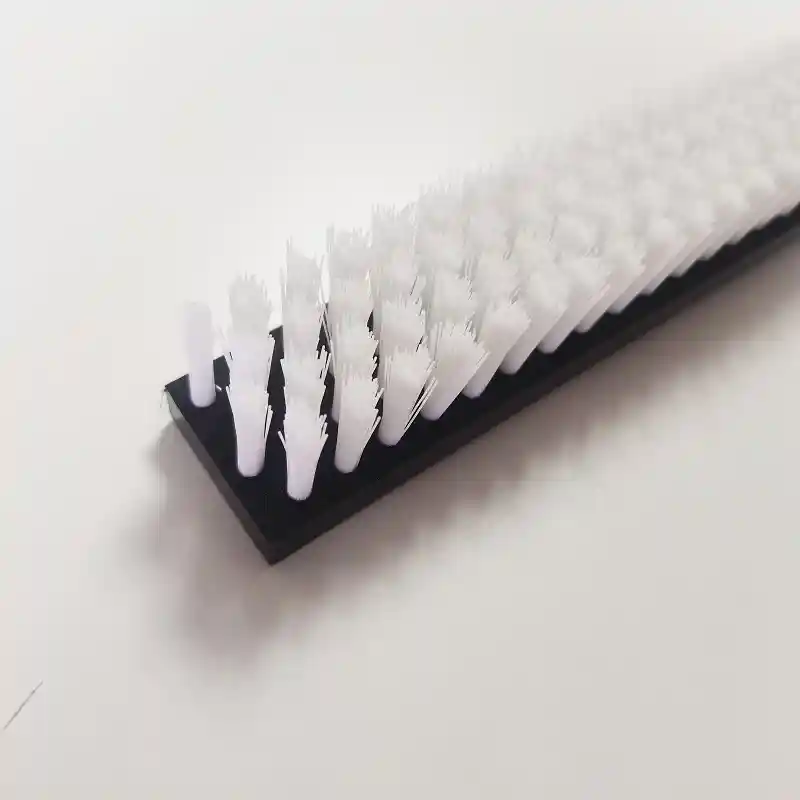

Sheet metal fabrication puts real demands on both precision and surface quality. Anyone who has watched a freshly cut part slide off a traditional slat table with visible drag marks knows the frustration. Brush tables solve this problem at the source, providing a support surface that actually protects the material during cutting operations. The technology addresses something fundamental: how do you hold a sheet steady, let debris escape, and still deliver a part that does not need secondary finishing?
How Brush Tables Actually Work in Cutting Applications
A brush table functions as a specialized support system for laser cutting and plasma cutting operations. The core idea is simple but effective. Instead of resting sheet metal on hard slats or honeycomb structures, the material sits on a dense grid of flexible bristles. These industrial brushes create a yielding surface that cradles the workpiece without leaving contact marks.
The brushes themselves do several jobs at once. They provide enough support to keep the sheet stable during cutting, but they flex enough to prevent scratching. This matters especially for polished stainless steel, aluminum, or pre-coated materials where surface damage means scrapping the part. The bristle arrangement also allows cutting gases and molten debris to pass through rather than accumulating on the underside of the material. Dross buildup is a common headache with solid support structures, and brush tables largely eliminate it.
Material handling becomes noticeably easier too. Heavy sheets can be slid into position rather than lifted, which reduces physical strain on operators and speeds up loading cycles. For CNC machines running production volumes, the consistent support translates to better cut accuracy and less vibration. Most brush table designs use modular sections, so worn areas can be replaced without swapping the entire table. This keeps maintenance costs reasonable over the long term.
The brush table components we manufacture are built for continuous industrial use. Sixteen years of production experience has taught us what holds up and what does not under real shop conditions.
## What Changes When You Add a Brush Table to Your Process
The practical benefits show up quickly once a brush table is integrated into a fabrication workflow. The most obvious improvement is surface finish. Parts come off the table without the marks and scratches that slat tables leave behind. This reduces or eliminates secondary operations like deburring brush work, which directly affects cost per part and throughput.
Dross adhesion drops significantly because molten material falls through the bristles instead of pooling against the sheet underside. Cleanup time shrinks, and part quality stays more consistent across a production run. The soft support surface also protects material during loading and unloading, which matters more than people expect when handling larger sheets. Scrap rates tend to drop when parts are not getting damaged before they even reach the next operation.
There is a safety dimension too. Sliding heavy sheets across a brush surface is much easier on workers than lifting and positioning them manually. Consistent material support means fewer unexpected shifts during cutting, which keeps the process predictable and reduces injury risk. The system handles varying material thickness without constant adjustment, so operators can move between jobs faster.
Surface Protection for Delicate and Pre-Finished Materials
Brush tables earn their keep on materials where surface condition is non-negotiable. Polished stainless steel fabrication, aluminum sheets with protective film, coated panels—these all require handling that does not compromise the finish. The dense, flexible bristles create a protective layer that prevents direct contact with hard surfaces. For pre-finished or coated materials, even minor scratching can mean costly rework or outright rejection. Material stability and surface protection work together to keep quality high.
Selecting the Right Brush Table for Your Application
Getting the right brush table means matching several specifications to your actual production needs. Brush type is the starting point. Nylon brushes work best for scratch prevention on delicate metals. Wire brushes offer more durability for heavier gauge materials or situations where some surface cleaning is acceptable. Abrasive nylon brush options can provide light deburring during the cutting process itself.
Brush density and bristle length both affect performance. Higher density means more support points and better scratch prevention. Longer bristles allow more debris clearance but may provide slightly less rigid support. The table dimensions need to match your cutting machine’s working area and the largest sheet sizes you process. Load capacity specifications should cover your heaviest workpieces with margin to spare.
Automation compatibility has become a baseline requirement for most shops. The brush table needs to integrate cleanly with existing CNC machines and material handling equipment. Custom solutions are available for specialized applications or unusual machine configurations. Material compatibility between the brush bristles and the metals being cut is worth checking—some combinations work better than others.
Durability comes down to brush quality and supplier reliability. Industrial brushes that hold up under continuous operation cost more upfront but pay back through longer service life and consistent performance. We provide technical support to help match brush specifications to specific applications.
| Brush Type | Primary Application | Key Benefit |
|---|---|---|
| Nylon | Delicate metals, polished surfaces | Superior scratch prevention |
| Wire | Heavy gauge metals, some cleaning | Increased durability, dross reduction |
| Abrasive | Light deburring, surface conditioning | Integrated finishing capabilities |
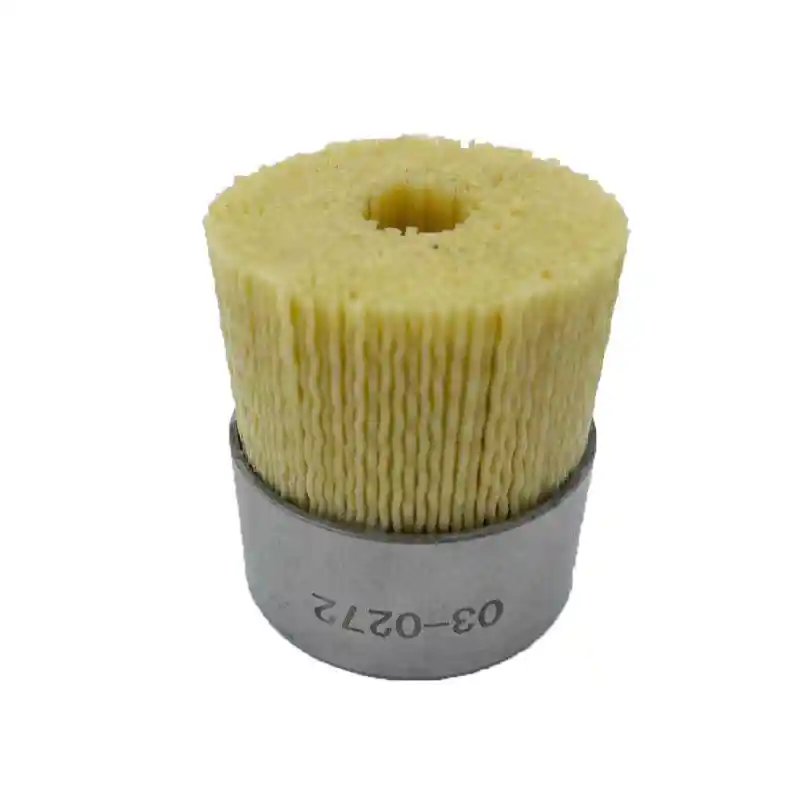
!Disc Brush
 ## Keeping a Brush Table Running Well
Proper installation and ongoing maintenance determine how long a brush table performs at its best. The basics matter more than people sometimes expect.
- Installation: Level the table and anchor it securely to the machine frame. Any movement introduces vibration and affects cut quality.
- Initial Setup: Check that all brush table components are correctly seated before first use. Inspect for shipping damage.
- Daily Operation: Place sheet metal onto the brushes without dropping it. Watch for uneven wear or bristle damage during production.
- Cleaning: Remove dross and debris from between brush segments regularly. A vacuum or compressed air works well. Accumulated debris affects cutting conditions and can contaminate parts.
- Brush Replacement: Set up a replacement schedule based on actual wear rather than arbitrary time intervals. Worn brushes stop protecting surfaces and supporting material properly. Weekly inspection catches problems early.
- Inspection: Check bristle condition periodically. Bent or missing bristles indicate it is time to replace that segment. Replacing individual sections keeps costs manageable.
- Troubleshooting: If scratching increases or material feels unstable, check brush condition and alignment first. These are usually the cause.
- Safety: Verify that all machine safety features remain operational.
High-quality brushes from a reliable supplier reduce maintenance frequency and keep production running smoothly.
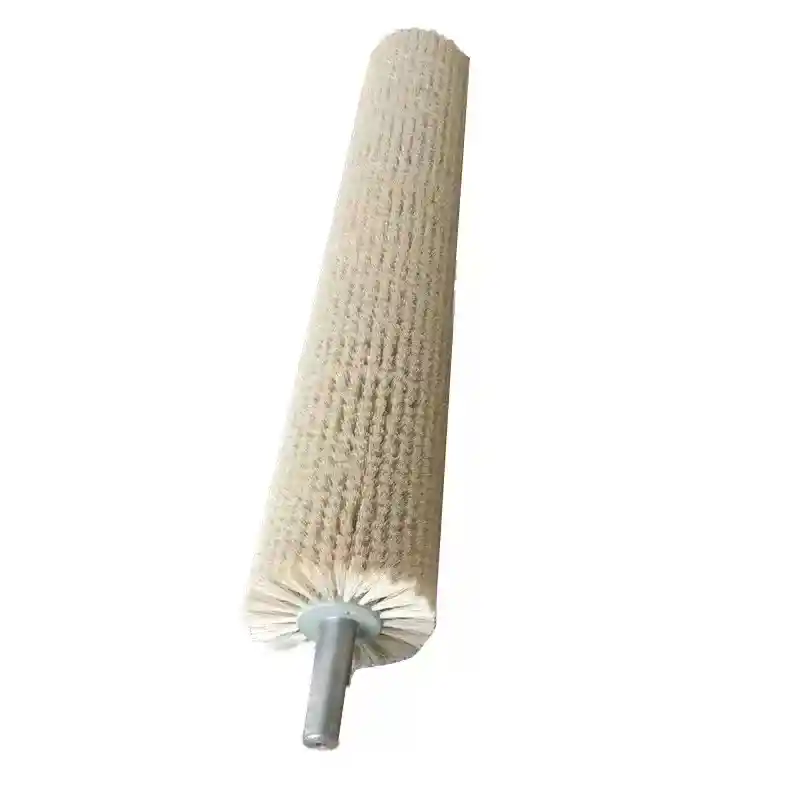
!Cylindrical Brush
 ## Where Brush Table Technology Is Heading
Brush tables continue evolving alongside broader changes in fabrication technology. Automated cutting systems increasingly rely on brush tables as part of integrated material handling. Robotic loaders and unloaders work more reliably when the support surface is consistent and predictable.
Smart manufacturing environments are starting to incorporate real-time monitoring of brush condition. Sensors can track wear patterns and flag when replacement is needed before quality suffers. This predictive approach reduces unplanned downtime and keeps maintenance scheduled rather than reactive.
Specialized brush materials are appearing for extreme temperature applications or highly abrasive cutting environments. These support processing of newer alloys and composite materials that challenge traditional brush designs. The direction is toward more adaptive systems that adjust to different materials and part geometries without manual reconfiguration.
Industrial Brushes That Match Your Requirements
Brush table performance depends entirely on the quality of the brushes installed. Investing in superior industrial brushes pays back through longer service life and more consistent results.
Our product range covers the applications that matter for brush table systems: cylindrical brushes, spiral brushes, strip brushes, wheel brushes, tube brushes, disc brushes, drill brushes, and wire scratch brushes. Our manufacturing facility in Anhui Province has been producing industrial brushes for sixteen years. We offer ODM and OEM service for custom brush configurations matched to specific machine requirements and material types.
Working with a reliable brush supplier means getting brushes that actually hold up under production conditions. We maintain competitive pricing, low minimum order quantities, and fast delivery. Customers across Europe, North America, Australia, New Zealand, the Middle East, and Southeast Asia have found that the right brush specification makes a measurable difference in surface finish and overall fabrication quality.
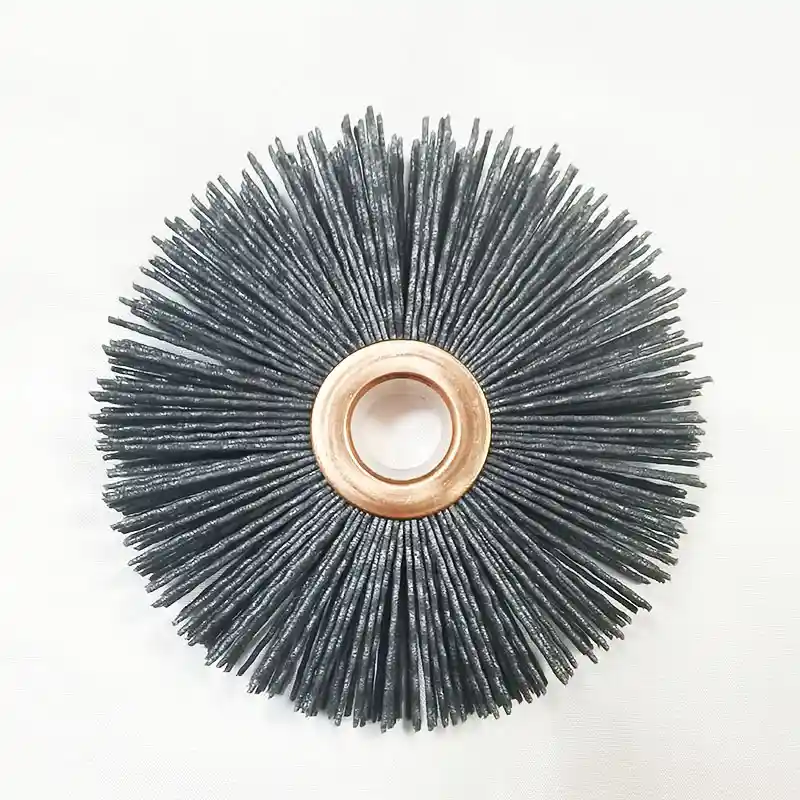
!Wheel Brush
 ## Start the Conversation About Your Brush Requirements
Better brush table performance starts with the right brushes for your specific application. Shanghai Huixi Trading Co., Ltd. provides technical support, custom brush solutions, and reliable supply for industrial brush needs. Reach out to discuss your worktable requirements. Email [email protected] or call +86 1580 0932 713.
Frequently Asked Questions About Brush Tables
What materials can be safely processed on a brush table?
Brush tables handle a broad range of sheet metals without issue. Standard steel, stainless steel fabrication, aluminum sheets, copper, and coated materials all work well. The soft brush surface prevents scratching and maintains material stability throughout cutting operations. This protection matters most for high-value components where surface condition affects final part acceptance.
How often should the bristles of a brush table be replaced?
Replacement timing varies based on what you are cutting and how much volume runs through the table. Material type, thickness, and cutting intensity all affect brush wear. Some operations replace brushes every few weeks; others get several months from a set. Visual inspection is the most reliable guide. When bristle condition visibly degrades or part quality starts slipping, it is time to swap that section. Quality brushes from a good supplier last longer and wear more predictably.
Are brush tables compatible with automated laser or plasma cutting systems?
Brush tables integrate well with automated cutting systems and often improve their performance. The stable, consistent support surface is exactly what laser cutting automation and plasma cutting integration require for precision work. Robotic fabrication cells benefit from the predictable material handling characteristics. Brush tables fit naturally into modern manufacturing setups where material flow and process reliability are priorities.
If you’re interested, check out these related articles:
the differences between inward and outward spiral brush
brushes for steel wire industries cleaning descaling derusting polishing
wire wheel brush the right assistant for industrial cleaning and polishing
abrasive disc brush an excellent industrial surface treatment tool