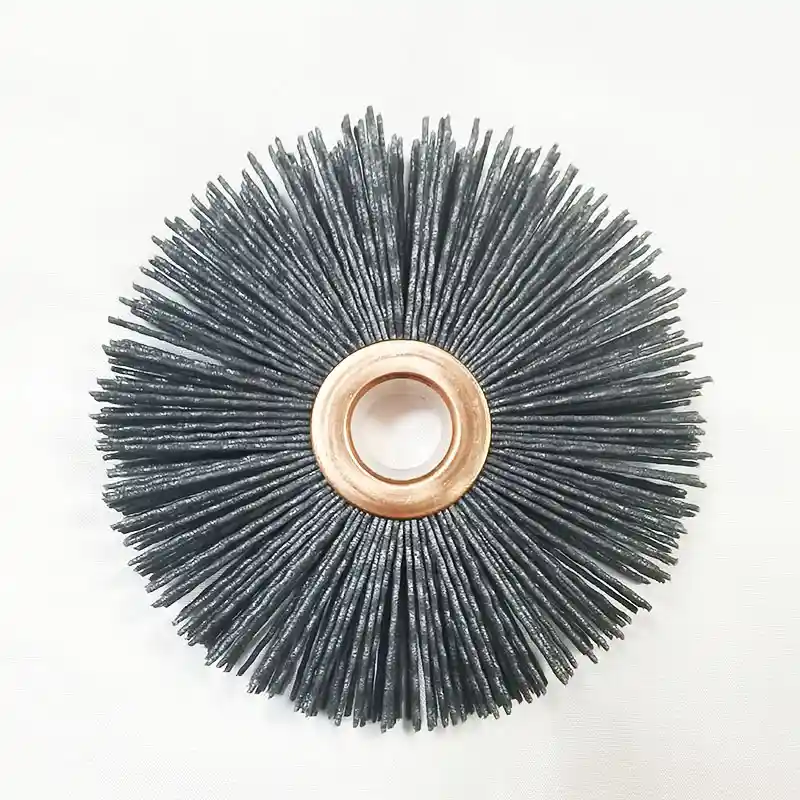

Brass coated wire brushes occupy a specific niche that becomes obvious once you’ve ruined a few aluminum parts with standard steel brushes. The combination of a rigid steel core wrapped in softer brass creates a tool that actually cleans without leaving behind the kind of surface damage that makes quality control inspectors nervous. These brushes handle the awkward middle ground between aggressive material removal and gentle polishing, which explains why they keep showing up in aerospace hangars and electronics assembly lines alike.
How Brass Coating Changes Wire Brush Behavior
The construction of brass coated wire brushes follows a straightforward logic. High-tensile steel wire provides the structural backbone, giving filaments enough rigidity to actually move material. The brass coating wrapped around that steel core fundamentally alters how the brush interacts with workpiece surfaces.
Steel alone would be too aggressive for many applications. Brass softens the contact point without sacrificing the underlying strength needed for effective cleaning. This dual-material approach solves two problems simultaneously. The softer brass reduces surface marring on delicate components, and it dramatically cuts spark generation during operation.
The spark reduction matters more than many operators initially realize. Brass striking metal produces far fewer ignition sources than steel-on-steel contact. Manufacturing environments with flammable vapors, combustible dust, or explosive atmospheres require this characteristic. Standard steel brushes become safety hazards in these settings.
These brushes handle light deburring, scale removal, and surface preparation where the underlying material needs to remain intact. The brass layer also provides modest corrosion resistance, which extends useful life when brushes encounter cutting fluids or humid conditions. Huixi Brush manufactures these tools with attention to filament consistency and coating adhesion, drawing on 16 years of experience with brush materials and construction methods.
Where Brass Coated Brushes Actually Make Sense
The applications where brass coated wire brushes prove their worth share common requirements: controlled abrasion and minimal spark risk. Aerospace maintenance crews use them for cleaning turbine components and removing light corrosion from airframe surfaces. The gentle action preserves dimensional tolerances that aggressive brushing would destroy.
Automotive applications include engine component cleaning and gasket surface preparation. Body shops use them for light rust removal on panels destined for refinishing. The brass coating prevents the deep scratches that would telegraph through primer and paint.
Electronics manufacturing presents perhaps the clearest case for these brushes. Circuit board cleaning and connector maintenance demand tools that remove contamination without damaging traces or plating. Steel brushes would be catastrophic here.
Weld cleaning represents another common application. Brass coated brushes remove slag and spatter from weld seams without gouging the base metal or heat-affected zone. This matters when weld appearance or subsequent coating adhesion is important.
| Application Type | Brass Coated Wire Brush | Steel Wire Brush | Stainless Steel Wire Brush |
|---|---|---|---|
| Delicate Surface Cleaning | Excellent | Poor | Fair |
| Rust Removal (Light) | Good | Excellent | Good |
| Paint Stripping (Light) | Good | Excellent | Good |
| Deburring (Light) | Excellent | Good | Good |
| Spark Reduction | Excellent | Poor | Poor |
| Corrosion Resistance | Fair | Poor | Excellent |
The Case for Gentle Surface Cleaning
Material hardness differences explain why brass coated brushes work on delicate surfaces. Brass yields before it damages softer substrates like aluminum, copper, or certain plastics. Contaminants get removed while the underlying surface remains essentially unchanged.
This non-damaging abrasion characteristic becomes critical for precision components where surface finish specifications exist. A brush that removes contamination while adding scratches defeats the purpose. Brass coating provides the margin of safety that lets operators clean aggressively enough to be effective without crossing into damage territory.
Comparing Wire Brush Types
The choice between brush types comes down to matching tool characteristics to application requirements. Brass coated brushes sit in a specific performance envelope that overlaps with, but doesn’t duplicate, other options.
Carbon steel wire brushes attack surfaces aggressively. They excel at heavy rust removal, paint stripping, and scale removal on robust steel components. The tradeoff is spark generation and the potential to damage softer materials or finished surfaces.
Stainless steel wire brushes resist corrosion and prevent contamination transfer when working on stainless steel or aluminum. They’re less aggressive than carbon steel but still harder than brass coated options. Cross-contamination concerns often drive the choice toward stainless.
Nylon brushes occupy the gentlest end of the spectrum. They handle very light cleaning and polishing but lack the cutting action needed for actual material removal.
| Feature | Brass Coated Wire Brush | Carbon Steel Wire Brush | Stainless Steel Wire Brush | Nylon Brush |
|---|---|---|---|---|
| Hardness | Medium-Soft | Hard | Medium-Hard | Soft |
| Flexibility | High | Medium | Medium | Very High |
| Spark Resistance | High | Low | Low | N/A (Non-metallic) |
| Abrasiveness | Low-Medium | High | Medium-High | Very Low |
| Corrosion Resistance | Fair | Poor | Excellent | Excellent |
| Primary Use | Delicate cleaning, light deburring, non-sparking | Heavy rust, paint, scale removal | Stainless steel, aluminum cleaning | Light polishing, sensitive cleaning |
Brass coated brushes fill the gap between aggressive steel and gentle nylon. When applications require effective cleaning with surface protection and spark reduction, they’re typically the right answer. If you’re interested, check 《the differences between knotted wire wheel brush and crimped wire wheel brush》.
Choosing the Right Brush Configuration
Brush selection involves matching several variables to the specific application. Shape determines accessibility. Wheel brushes cover broad surfaces efficiently. Cup brushes work well for flat areas and inside corners. End brushes reach into tight spaces and holes.
Bristle configuration affects aggressiveness. Crimped wire filaments flex more readily, providing gentler action suited to light cleaning and finishing. Knotted configurations, though less common in brass coated versions, deliver more concentrated cutting action.
Wire gauge influences the balance between flexibility and cutting power. Finer wires bend more easily and treat surfaces gently. Heavier gauges remove material faster but increase the risk of surface damage.
Arbor hole or shank dimensions must match the power tool. Mismatched mounting creates dangerous runout and vibration. Operating speed matters too. Every brush carries a maximum RPM rating based on the centrifugal forces the construction can withstand. Exceeding that limit risks brush disintegration.
The workpiece material guides many of these choices. Softer metals like aluminum and copper generally call for finer gauge, crimped brass coated brushes. Slightly harder materials or heavier contamination might justify more robust configurations. Shanghai Huixi Trading Co., Ltd. provides technical consultation to help match brush specifications to application requirements, building on 16 years of manufacturing process knowledge.
Getting Maximum Life from Brass Coated Brushes
Brush longevity depends heavily on how operators use and maintain these tools. Starting with the right brush for the job prevents the accelerated wear that comes from forcing an undersized or overly gentle brush to do work beyond its design intent.
Pressure application during operation matters significantly. Moderate, consistent pressure lets bristles work effectively. Excessive force bends filaments past their elastic limit, causing permanent deformation and premature failure. The brush becomes less effective and wears out faster.
Speed control follows similar logic. Operating within the rated RPM range prevents heat buildup that fatigues bristles. Too slow, and the brush doesn’t clean effectively. Too fast, and thermal stress shortens useful life.
Post-use cleaning removes debris that would otherwise accumulate between filaments. Packed contamination reduces the brush’s ability to contact workpiece surfaces and accelerates wear. Dry storage prevents corrosion that weakens filaments and degrades the brass coating.
Regular inspection catches wear before it becomes problematic. Brushes with significant filament loss, bent bristles, or damaged hubs should be replaced rather than pushed until failure. The cost of a new brush is trivial compared to workpiece damage or safety incidents. If you’re interested, check 《brushes for steel wire industries cleaning descaling derusting polishing》.
Working with Shanghai Huixi Trading Co., Ltd.
Shanghai Huixi Trading Co., Ltd. manufactures industrial brushes including brass coated wire brush configurations for diverse applications. Sixteen years of production experience supports both standard catalog items and custom designs. Technical support helps match brush specifications to specific requirements. ODM and OEM services accommodate customers needing proprietary configurations. Contact the team at +86 1580 0932 713 or [email protected] to discuss application requirements.
Frequently Asked Questions About Brass Coated Wire Brushes
What makes brass coated wire brushes better than steel for certain applications?
The brass coating creates a softer contact surface that removes contamination without the aggressive cutting action of bare steel. This gentler abrasion preserves surface finishes on delicate components. The coating also dramatically reduces spark generation, which becomes essential in environments with flammable materials. For applications requiring both effective cleaning and surface protection, brass coated brushes outperform steel options that would cause unacceptable damage.
How does the brass coating actually protect delicate surfaces?
Brass is softer than steel, so the coating yields slightly upon contact with workpiece surfaces. This mechanical compliance allows the brush to remove loose contamination, light oxidation, and surface films without gouging or scratching the underlying material. The flexibility of brass-coated bristles distributes contact forces across larger areas, further reducing localized pressure that would cause damage. Aluminum, copper, and plastic components benefit most from this characteristic.
Where should I look for quality brass coated wire brushes?
Suppliers with established manufacturing capabilities and documented quality systems produce the most reliable brushes. Shanghai Huixi Trading Co., Ltd. specializes in industrial brush production with 16 years of experience, offering both standard and custom configurations. Look for suppliers who provide detailed specifications, can discuss application requirements knowledgeably, and maintain consistent quality across production runs. Export experience and customer references indicate reliability.