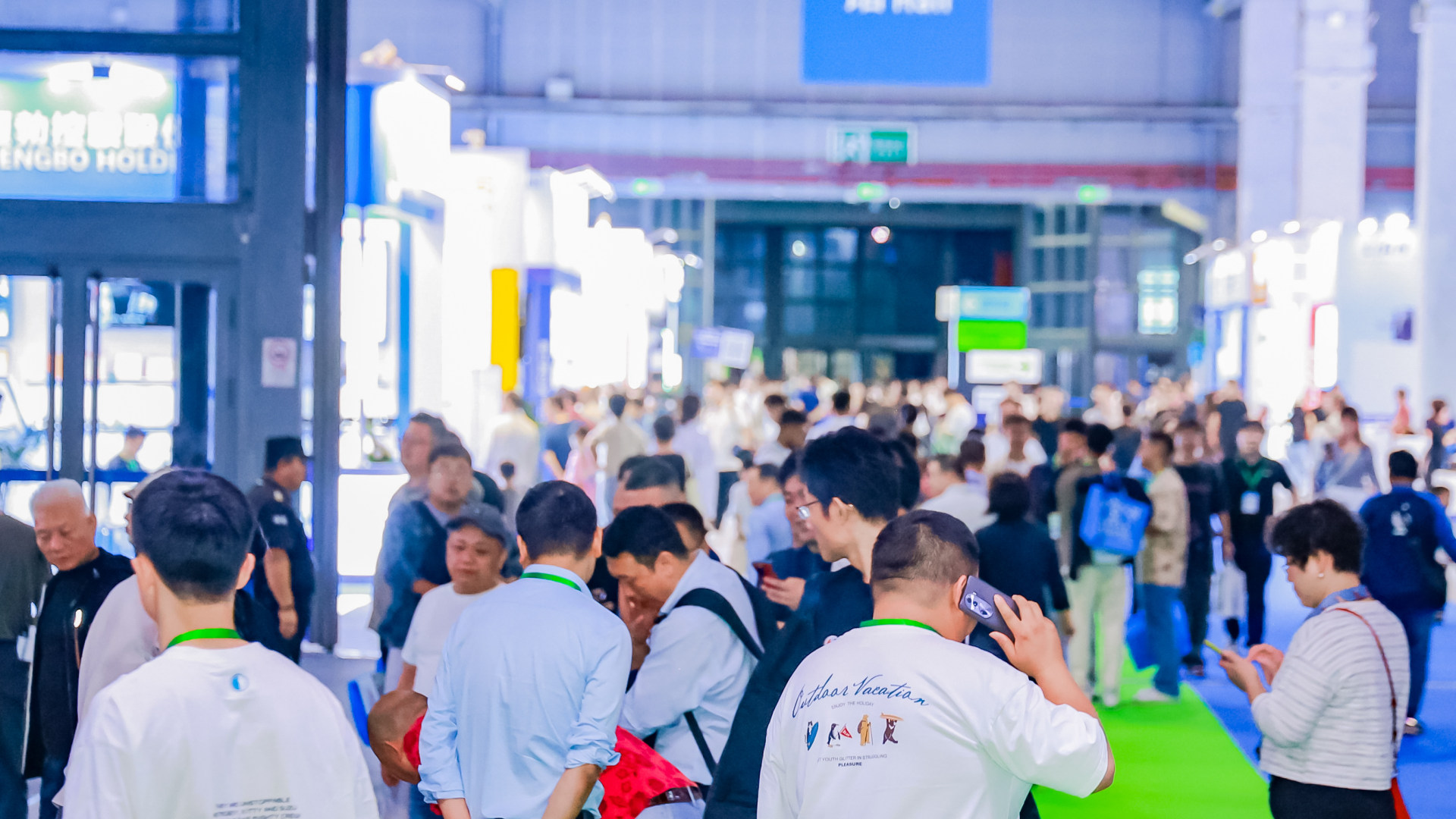

APES Shanghai has become the Ningbo auto parts fair alternative that many international sourcing teams now evaluate before committing to a single trip. In the decade I have spent in automotive exhibition marketing, the decisive shift has not been booth count or hall size. It has been the difference between collecting brochures and leaving with a supplier shortlist, a clear per-unit cost model, and a credible path to pilot orders. That outcome depends on buyer mix, cluster coverage, booth format, and groundwork completed before arrival. This article addresses those variables from a sourcing perspective rather than an exhibitor sales pitch.
The Case for a Ningbo Auto Parts Fair Alternative
Ningbo auto parts fairs serve a real function. They concentrate Zhejiang suppliers, offer dense domestic visitor traffic, and give buyers a fast read on regional manufacturing capacity. For buyers who already hold a Ningbo supplier network, that efficiency is hard to match.
The friction appears when the objective shifts from general market scanning to export-ready vendor qualification. International buyers regularly tell us they spend too much time filtering trading companies from actual manufacturers, navigating Chinese-language booth presentations, and reassembling a national supplier map after visiting only one regional hall.
A Shanghai alternative is not automatically better. It becomes better when the show is structured around pre-arranged matching, export documentation, and multi-cluster supplier coverage. That is the evaluation lens our team uses with procurement leads, and it changes how you compare the options.
Buyer Profile Differences Between APES Shanghai and the Ningbo Fair
The buyer mix determines the speed of useful conversation. Ningbo fairs tend to pull strongly from domestic replacement-part distribution and regional trading networks. APES Shanghai directs more of its format toward international sourcing teams, OEM and aftermarket importers, and export-focused manufacturers from across China.
| Evaluation factor | Ningbo fair | APES Shanghai |
|---|---|---|
| Core visitor base | Regional and domestic buyers | International sourcing teams and importers |
| Supplier focus | Ningbo and Zhejiang manufacturers | National industrial cluster coverage |
| Booth formats | Shell scheme and raw space | Shell scheme and raw space with matching support |
| Language readiness | Variable between booths | On-site English buyer coordination |
| Sourcing format | Conventional hall visits | Internet plus exhibition with pre-show matching |
What the table does not show is the operational difference. A show can list thousands of booths, but if the buyer cannot separate a factory from a trading company before the meeting, the first day is lost. At APES Shanghai, the matching layer is part of the buyer registration process. When a sourcing team sends a component list in advance, the resulting floor plan is not the same as the one a walk-in visitor sees.
Factory Direct Access Across China’s Auto Parts Clusters
One limitation of any single-city or single-province fair is that the supplier base skews local. Ningbo is strong in Zhejiang manufacturing, but many programs need mixed sourcing across chassis, braking, electronics, lighting, filtration, and commercial vehicle assemblies. China’s auto parts capacity is distributed in clusters, and the value of a Shanghai platform is that it can draw exhibitors from multiple clusters without asking the buyer to travel to each one separately.
Yuhuan remains a reference point for chassis components. Ruian carries a deep brake parts base. Wenzhou has automotive electronics. Changzhou is strong in lighting and exterior assemblies. Qinghe supplies filtration. Shiyan sits inside the commercial vehicle parts ecosystem. A buyer who needs control arms from Yuhuan, brake calipers from Ruian, and LED headlamps from Changzhou can compress three regional trips into one structured Shanghai schedule if the exhibitor list is pre-verified.
From experience, the risk is not missing the cluster. The risk is assuming the cluster is present and discovering after booking flights that only two or three factories from that region reserved booths. That is why we treat cluster confirmation as a hard pre-trip step, not a brochure line.
If your program involves NEV components, chassis assemblies, or commercial vehicle parts, it is worth confirming which specific manufacturers from those clusters have confirmed 2026 booths before you finalize travel. Send your part list and annual volume to [email protected] and our team will return a category-by-category exhibitor check.
Booth Cost, Space Options, and Budget Planning
Booth pricing at any auto parts exhibition depends on the package, the position, and the services attached. Buyers sometimes approach this from the wrong side by asking only for a square meter rate. The more useful question is total participation cost, because shell scheme, power, furniture, fascia, cleaning, and staffing can shift the final number.
Raw space gives you full control over stand design and product display, but you assume build cost and time pressure. Shell scheme is faster, more predictable, and usually sufficient for a first evaluation of supplier capability. At APES Shanghai, shell scheme packages include the standard perimeter structure, company fascia, basic lighting, carpet, and a table and chair set. Electrical supply and additional furniture are confirmed separately.
For a buyer evaluating suppliers rather than exhibiting, the relevant budget is not a booth at all. It is travel, hotel, visa, interpreter if needed, sample freight, and the time cost of meetings that do not convert. A cheaper regional show can become expensive if you spend three days in aisles that are not aligned with your categories.
A Practical Sourcing Sequence Before Order Confirmation
The sourcing programs that produce confirmed orders follow a sequence. The ones that stall usually skip step one and arrive with only a general idea of what they need.
- Send your part numbers, target price band, annual volume, and destination market to the APES Shanghai buyer coordination team.
- Confirm which clusters and named exhibitors match your categories.
- Book 8 to 12 pre-arranged meetings and leave time for two or three follow-up visits.
- Carry sample references, testing requirements, packaging specifications, and any compliance documents you need from the supplier.
- After the show, re-confirm unit pricing, tooling cost, lead time, and payment terms with the top three factories before leaving Shanghai.
This sequence works because it treats the exhibition as a negotiation environment, not a discovery event. The discovery should already be done through the pre-show matching layer.
If your sourcing trip currently depends on walking the full hall and hoping the right supplier appears, the structure is working against you. APES Shanghai gives you the option to pre-book supplier meetings, compare factory documentation, and walk in with a shortlist. Send your component list, annual volume, and target unit price to [email protected] or call +021-60280788 to confirm the 2026 floor plan and shortlist the relevant exhibitors for your categories.
Common Questions About APES Shanghai and the Ningbo Alternative
Is the Ningbo fair better for aftermarket products?
For low-complexity aftermarket parts with a strong Zhejiang supplier base, a regional Ningbo fair can work well because the hall is dense with manufacturers and trading companies familiar with replacement parts. The advantage narrows when your market requires emission compliance, packaging traceability, or OE-adjacent quality documentation. In that case, the benefit of Shanghai is not the hall itself but the ability to pre-screen export-capable suppliers before you arrive.
Can I get factory direct pricing at APES Shanghai?
It depends on whether you are meeting a manufacturer or a trading company and whether your volume justifies production allocation. Factory direct pricing is achievable when the booth represents an actual plant and you are prepared to discuss annual volume, not sample quantity. If you show up without a volume range, the conversation stays at indicative pricing. Our team helps buyers separate confirmed manufacturers from distribution-based exhibitors before the meeting.
What does a shell scheme booth include at APES Shanghai?
A shell scheme booth typically includes perimeter walls, a fascia board with company name, carpet, basic lighting, and one table with chairs. Power supply, additional lighting, display equipment, and furniture are separate line items. The exact package is specified in the exhibitor contract, which is why buyers who visit as exhibitors should request the checklist before paying the deposit. Confirming these items early avoids last-minute charges during setup.
Which product categories should I prioritize at APES Shanghai if I already visit Ningbo?
In programs we have supported, buyers gain the strongest incremental value when they use Shanghai for NEV components, engine parts, chassis systems, braking, automotive electronics, lighting, filtration, and commercial vehicle assemblies. These categories benefit from multi-cluster comparison rather than single-region density. If your target category is not visible on the current floor plan, share your part list with the APES team and we will confirm which confirmed exhibitors cover it before you commit to travel.
If you’re interested, check out these related articles:
APES 2026 to Redefine Global Sourcing Landscape as Automotive Industry Eyes Resilient Future
Tomorrow World: Innovation Achievement Exhibition and Industry Future Forum
