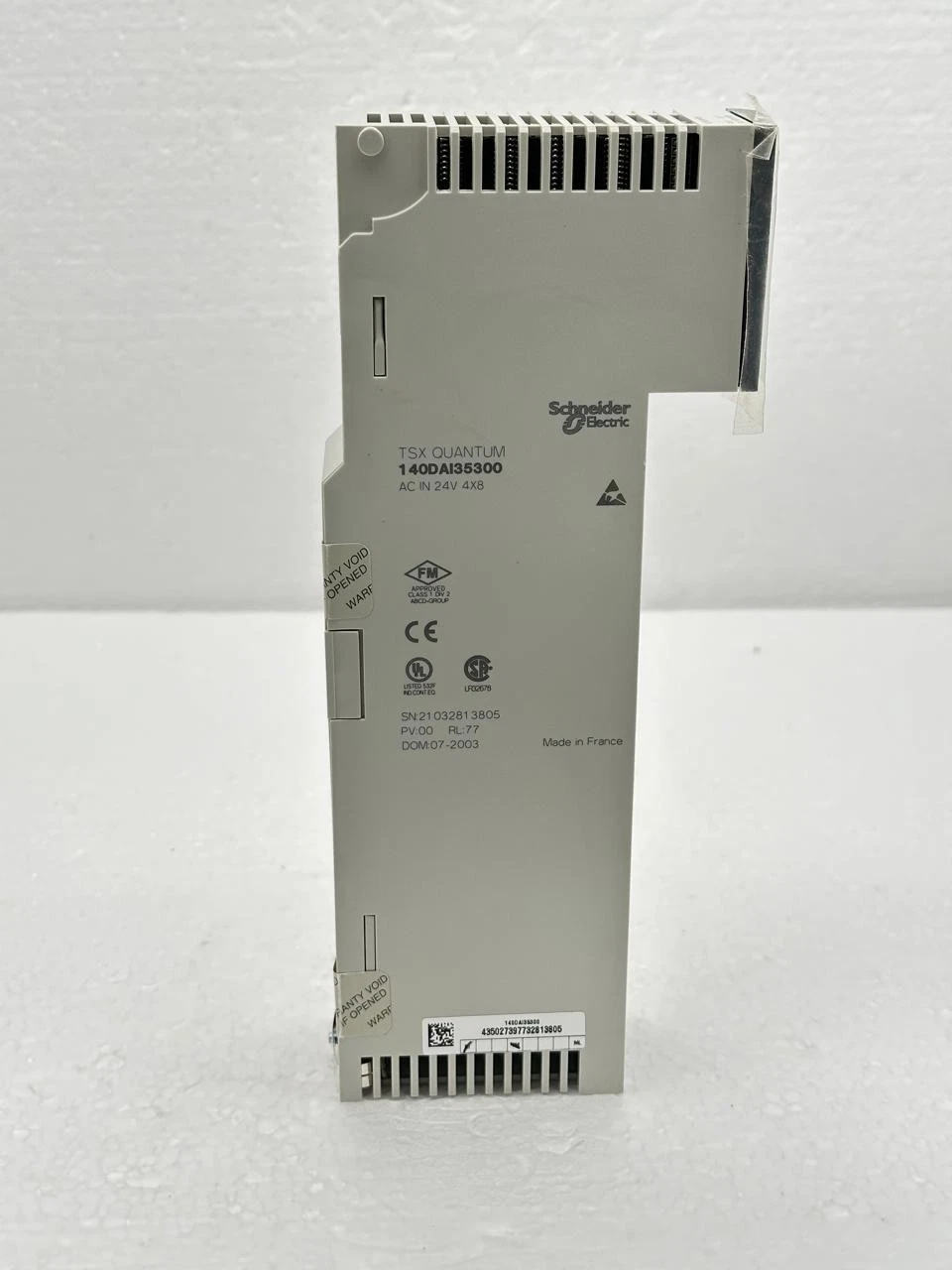

A Profibus or DeviceNet gateway that stops communicating is not a protocol discussion — it is a production stoppage. When a legacy VME-based system loses its fieldbus link, the first question is not about baud rates; it is whether the replacement part can be sourced quickly enough to prevent hours of unplanned downtime. For the SST-PFB3-VME and SST-PFN-REM modules, availability and supply consistency matter more than most general documentation acknowledges. Over the years I have seen these gateways hold up entire machining lines and process skids, and the pattern is always the same: the part itself is durable, but the purchasing channel is what determines how long the disruption lasts.
What Makes the SST-PFB3-VME a Critical Profibus Link
The SST-PFB3-VME module provides a direct Profibus DP master interface on a VMEbus backplane. It offloads the protocol stack from the host processor and handles cyclic data exchange with field devices independently. In motion control and drive synchronisation applications where VME-based controllers are still common, this offloading matters because a VME CPU that also runs the Profibus stack becomes the system bottleneck. The module uses a dedicated communication ASIC and dual-port memory for data transfer, which keeps the host processor free for trajectory planning or sequencing logic.
The SST-PFB3-VME is not a mass-market product, and the supply chain for it has become narrower as manufacturers have moved toward PC-based or embedded platforms. When a module does fail, the failure mode is often the physical layer — the RS-485 transceiver or the isolation components — rather than the ASIC itself. We have been able to support replacement for these modules because we maintain relationships with suppliers who still hold factory-new and factory-sealed stock, rather than relying on used or repaired parts. For engineers managing long-life VME systems, it is worth confirming the firmware revision on the existing module before ordering a replacement, because firmware mismatches between the gateway and the host driver can cause intermittent startup failures that look like hardware faults.
When DeviceNet Integration Runs Through the SST-PFN-REM
The SST-PFN-REM is the DeviceNet equivalent, and while the protocol is different, the role is structurally the same: a fieldbus interface that makes DeviceNet I/O appear as memory-mapped locations on the VMEbus. This module is frequently found in automotive assembly and material handling systems where DeviceNet-based sensors, valve banks, and motor starters were already deployed and the central controller was a VME rack.
One detail that often gets overlooked is the power sequencing. The SST-PFN-REM draws its logic power from the VME backplane, but the DeviceNet side requires external 24 VDC. If the external supply comes up after the VME slot is already active, the module may not enumerate correctly on the DeviceNet network. We have had cases where a customer assumed the module was defective, when the root cause was a power supply delay of less than 200 milliseconds. If the module fails to transition to the “online” state after startup, I always ask the site team to check the DeviceNet power supply ramp time before pulling the module.
How to Distinguish a Hardware Fault from a Configuration Issue
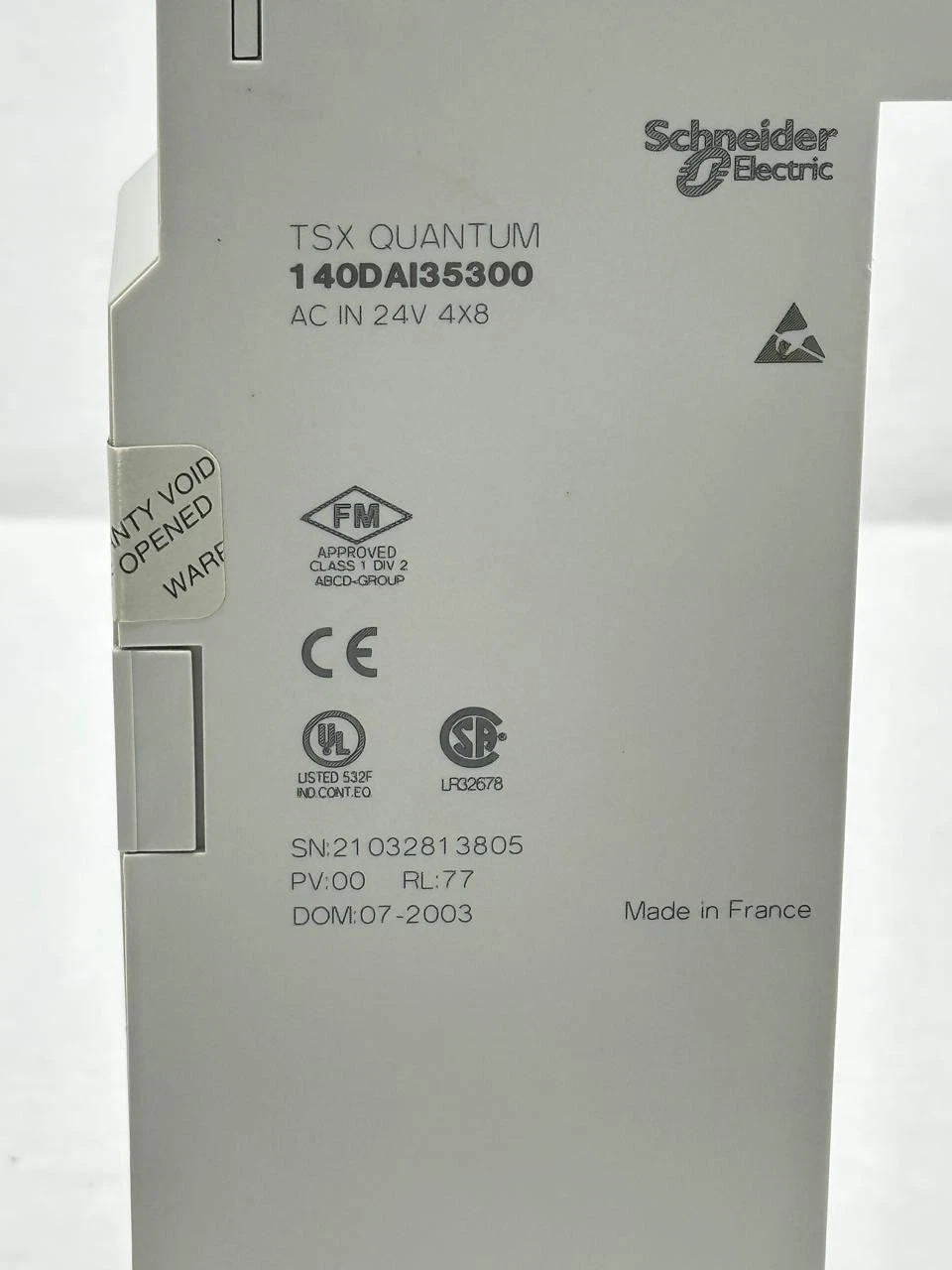
A common support scenario involves the gateway appearing offline on the network, but the hardware itself being functional. With the SST-PFB3-VME, the easiest split test is to load a minimal Profibus configuration with a single slave and a short cable. If the module passes this test but fails on the production network, the culprit is nearly always a termination resistor mismatch or an address conflict introduced during a device replacement. For the SST-PFN-REM, verify the MAC ID switch setting has not been changed inadvertently — these rotary switches can drift slightly from vibration over time, causing an intermittent ID that the scanner interprets as a duplicate node.
Sourcing SST Gateway Modules with Supply Certainty
Both the SST-PFB3-VME and SST-PFN-REM are long discontinued by the original manufacturer, which means the supply is entirely dependent on remaining unsold stock and surplus from decommissioned systems. This creates a reliability risk that is not about the hardware quality, but about whether your supplier actually has the module in hand when you place the order. In our warehouse, we physically inspect each module before listing it: we confirm the PCB revision, the firmware label, and that the connectors are free of corrosion or bent pins.
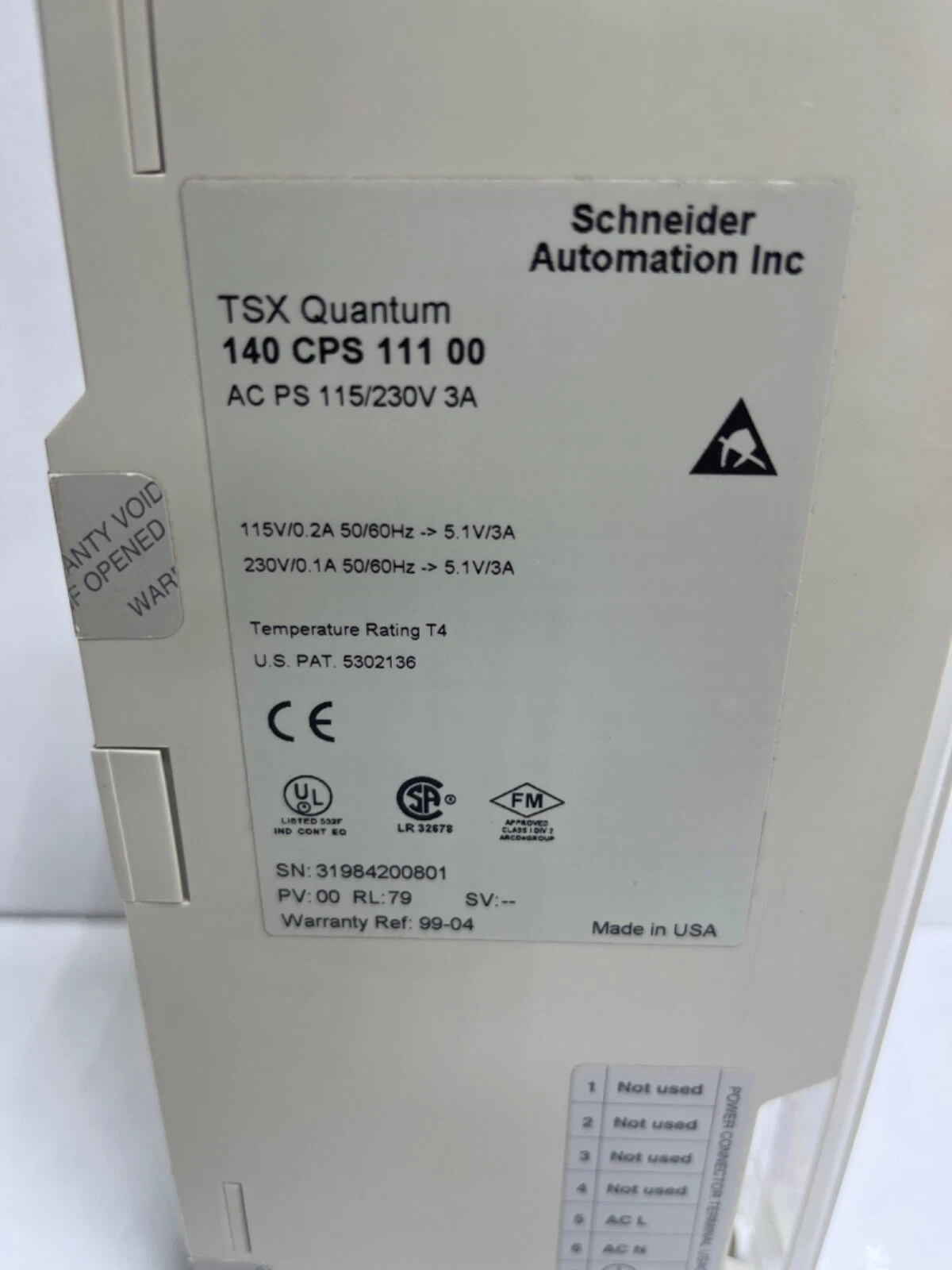
The following table compares the two modules on the factors that usually determine sourcing priority:
| Parameter | SST-PFB3-VME | SST-PFN-REM |
|---|---|---|
| Fieldbus | Profibus DP | DeviceNet |
| Host interface | VMEbus slave | VMEbus slave |
| Typical application | Drive control, motion | Assembly, material handling |
| Common failure point | RS-485 transceiver | 24 VDC input section |
| Stock availability | Limited, decreasing | Limited, decreasing |
For programs that require more than one unit, I recommend requesting a batch from a single production lot to avoid firmware inconsistency across spares. We can usually provide lot-matched pairs when a customer plans to store a cold spare alongside the active module.
Getting the Right Support for Long-Life VME Gateways
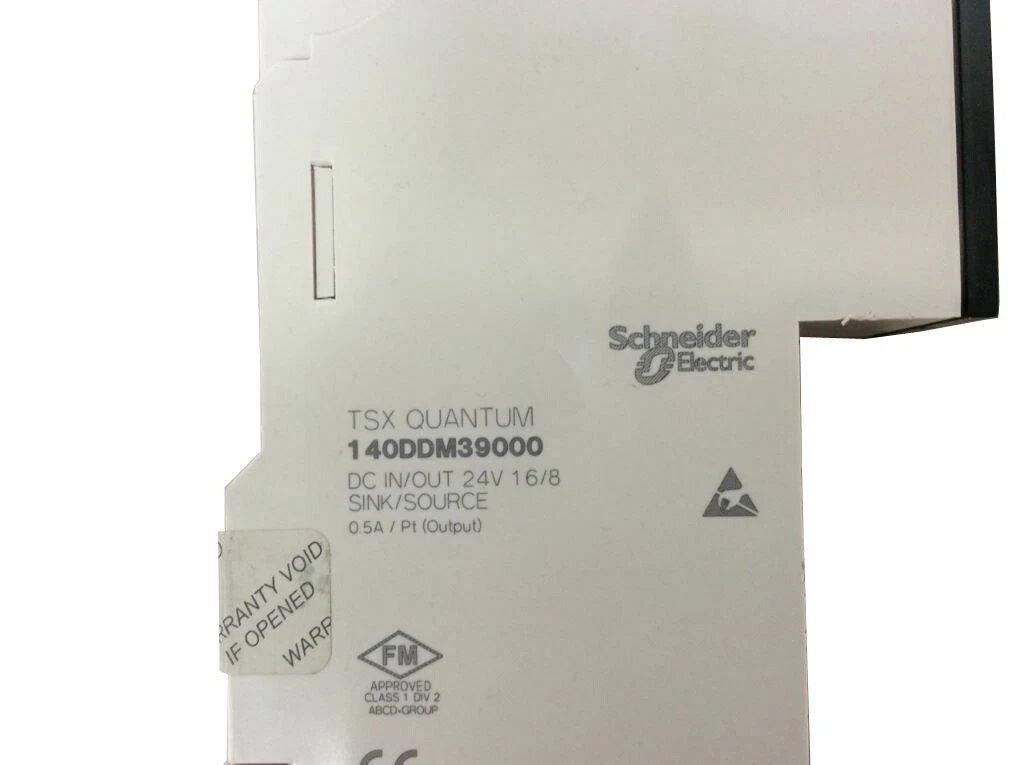
A gateway module that has been in service for fifteen years does not fail the way a new device does. The failure signals are subtle: a retry counter that ticks up slowly, a bus cycle timeout that trips once a shift, or a module that needs a power cycle before it syncs with the network. These are pre-failure indicators. I have found that many end users do not have a monitoring routine for the retry counters on these modules, which means the first warning sign is a machine stoppage, not a diagnostic log entry. A simple periodic check of the Profibus or DeviceNet error counters — stored in the gateway’s dual-port memory — can give a maintenance team weeks of lead time to source a replacement before the channel fails completely.
If your operation depends on these modules and you are holding a single unit as a spare, you are technically running with zero redundancy because the spare might be a different firmware revision. I have seen this delay a restart by hours because the host driver would not initialise with the spare module until a configuration file was modified. A matched spare eliminates that variable.
Questions Engineers Ask Before Ordering SST Gateways
Are SST-PFB3-VME modules still available with factory warranty?
The modules we supply are factory-new or factory-sealed surplus from authorised distributor inventory. They are not refurbished or repaired units. We can provide detailed photos of the actual module, including the firmware label and the PCB revision, before the order is confirmed. This gives engineering teams the ability to verify compatibility against their existing configuration without waiting for the physical part to arrive.
What documentation comes with the module?
The original user manuals for these modules — covering the dual-port memory map, the configuration register layout, and the diagnostic LED codes — are still available, and we can provide the relevant sections to support commissioning. The modules themselves do not ship with printed manuals, but the register-level documentation is usually what a controls engineer needs to integrate the gateway into a custom VME application.
Can you supply the SST-PFN-REM for a DeviceNet network running at 500 kbps?
Yes, the module supports DeviceNet at 125, 250, and 500 kbps. The baud rate is set by the DeviceNet scanner configuration, not on the module itself, so the hardware is the same across baud rates. If you are unsure whether your existing module is configured correctly, we can walk through the LED blink codes with your team to verify the communication state before an order is placed.
How quickly can a replacement module be delivered internationally?
For regions in Asia, Europe, and North America, we typically ship within 24 hours of order confirmation. We use DHL and FedEx for international shipments, and we can provide pre-shipment inspection photos and packing details. If a machine is already down, we prioritise same-day dispatch — just share the part number, the quantity, and the delivery destination with us at [email protected] or +86-181-5013-7565, and we will confirm the fastest delivery window.
If you’re interested, check out these related articles:
Foxboro FBM202 Sourcing Reliable AO Field Bus Module Replacements
GE IS200AEPAH1A Mark VI Analog I O Module Sourcing Guide
Oil Gas Automation Spares SIS DCS PLC Reliability
Triconex 3700A Intelligent SAM Module for Industrial Safety
Industrial I O Module Types Digital Analog Communication Explained