
A brush table is more than a simple stand for mounting a brush motor. It determines workpiece handling, tool alignment, and vibration transfer—three variables that directly control the consistency and quality of surface finishing. In our work with production lines across Europe, North America, and Southeast Asia, we have seen that a sturdy brush table can reduce rework rates by over 20 percent in high-volume polishing operations, simply by eliminating the micro-chatter that a lightweight structure cannot damp. This article examines the engineering behind brush tables for polishing and processing workstations, from structural rigidity to brush compatibility, so that engineers and procurement teams can specify a table that holds up under production conditions.
What Makes a Brush Table Suitable for Heavy-Duty Polishing
A brush table designed for polishing needs to handle three forces: downward pressure on the workpiece, lateral push from the rotating brush, and high-frequency vibration from the motor. If the frame is made of thin-gauge steel or bolted joints without full welds, the table will flex. That flex shows up as uneven polishing—shiny edges but dull centres, or pattern lines that change between parts.
For most metal polishing applications, a table weight of at least 80 kilograms and a welded box-section frame provide the mass and rigidity to keep the brush and workpiece relationship stable. For processing equipment integration, the table should also have machined mounting surfaces rather than raw-cut plate, so that brush motors and workpiece fixtures can be aligned to within 0.5 millimetre repeatability.
How Do Brush Table Materials Affect Polishing Life
We specify three frame materials depending on the work environment. Heavy-gauge mild steel with epoxy coating works in dry polishing lines. Stainless steel suits wet processes and food-grade applications. Cast iron bases, though less common, offer the best vibration absorption for precision parts like bearing races. Material choice matters most when the workpiece tolerance is under 50 microns—at that level, even the table’s own resonant frequency can leave an artifact on the surface.
Vibration Control and Structural Stability in Brush Tables
Vibration is the biggest hidden problem in polishing. Brush manufacturers spend time on filament selection and brush balance, but if the table amplifies those vibrations, the operator compensates with variable feed pressure, and consistency disappears.
A table with a single central column can twist when a brush pushes against an offset workpiece. We recommend a four-leg design with cross-bracing, or a bench-style table with a 10-millimetre-thick top plate, depending on the brush type. For long cylindrical brushes used in roller polishing, the table should include adjustable outboard supports carrying the brush at both ends. This prevents the brush from bouncing against the centre of the part, a failure mode we have corrected on multiple processing lines.
Can a Brush Table Reduce Polishing Rework
Yes. In a line polishing aluminium extrusions, we replaced a client’s lightweight table with a reinforced unit that included vibration-isolating pads under each foot. The result was a 25 percent drop in rework in the first month. The pads cost less than two percent of the table price but made the biggest difference, because they decoupled the table from any floor movement transmitted from nearby stamping presses.
Customizing Your Brush Table for Specific Applications
Off-the-shelf brush tables often fit standard brush motors and standard parts, but most polishing and deburring lines have specific requirements. Customization is not only about dimensions. It is about motor mounting brackets, workpiece clamping, safety guarding, dust extraction ports, and the ability to switch between brush types without realigning the machine for an hour.
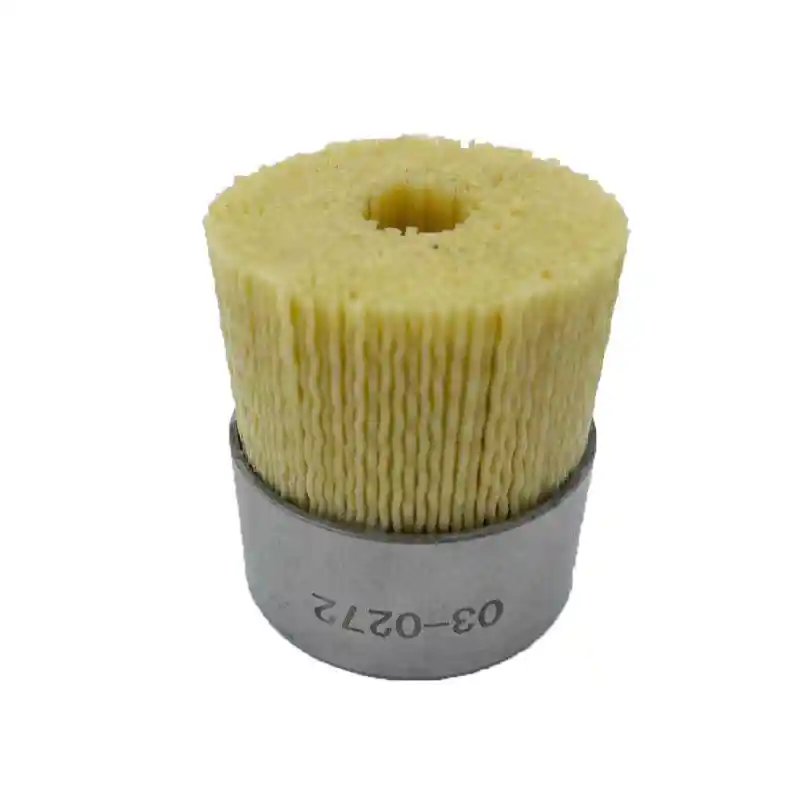
We work with clients to design brush tables where the motor bracket pivots between vertical and horizontal positions. This one change allows the same table to run disc brushes for flat face polishing and cup brushes for edge deburring in the same shift. For processing workstations that run multiple brush types, a quick-change mounting plate saves time that goes directly into throughput.
What to Ask Before Customizing a Brush Table
The first question is not “what size” but “what brush types will this table run over the next two years.” A table sized for a 250-millimetre disc brush may not accommodate a 600-millimetre cylindrical brush if the frame has fixed rail positions. Procurement teams save money by building in adaptability early, even if it adds fifteen percent to the upfront cost, because retrofitting a rigid frame later costs far more.
Integrating a Brush Table into a Processing Workstation
A brush table in a processing workstation rarely stands alone. It connects to conveyors, dust collection systems, coolant lines, and operator controls. The table design must include mounting points for these peripherals, and the overall footprint must allow maintenance access on at least three sides. We have seen tables spec’d correctly for polishing but installed too close to a wall, making brush changes awkward and slowing production.
For automated lines, the table height should match the infeed and outfeed conveyor elevation within 2 millimetres, and the table surface should provide T-slot channels for positioning sensors and guides. When integrating a brush table, also consider the electrical connection to the brush motor: a cable tray integrated into the table frame keeps wiring off the floor and avoids trip hazards.
Choosing the Right Brush Type for Your Brush Table
The table is only one half of the polishing system. The brush determines the cutting action, coverage, and finish level, and the table must support the brush’s working geometry. For example, a strip brush used for edge deburring applies force along a thin line; it needs a rigid table and consistent feed rate. A nylon abrasive wheel brush for satin finishing exerts more even pressure and tolerates a slightly lighter table, but still needs speed stability.
| Brush type | Typical polishing application | Key table requirement |
|---|---|---|
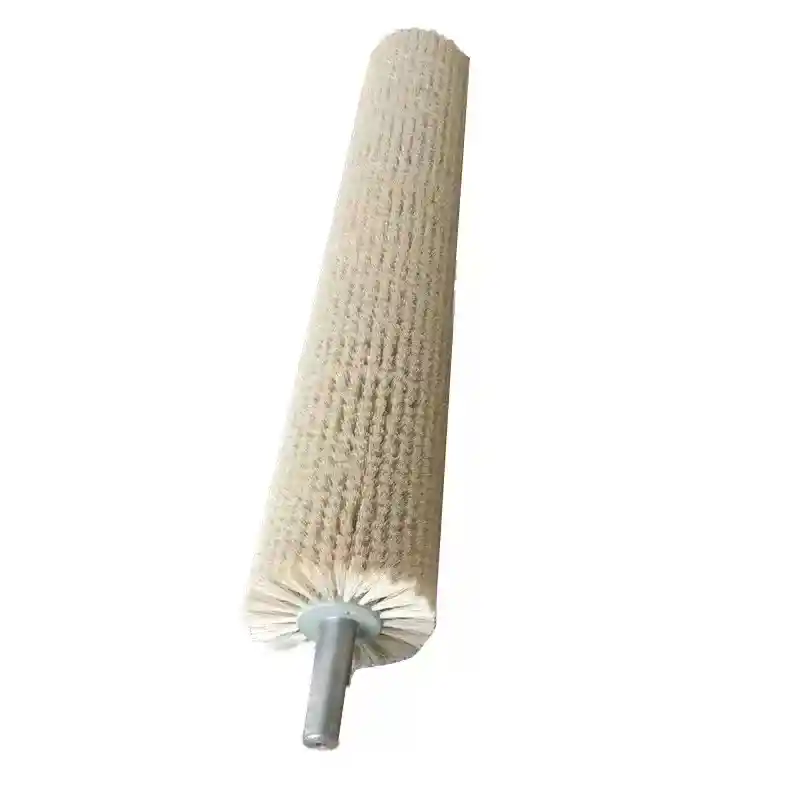
| Cylindrical brush | Roller polishing, wire descaling | Outboard supports, adjustable height |
| Disc brush | Flat face polishing, deburring | Motor bracket with tilt function |
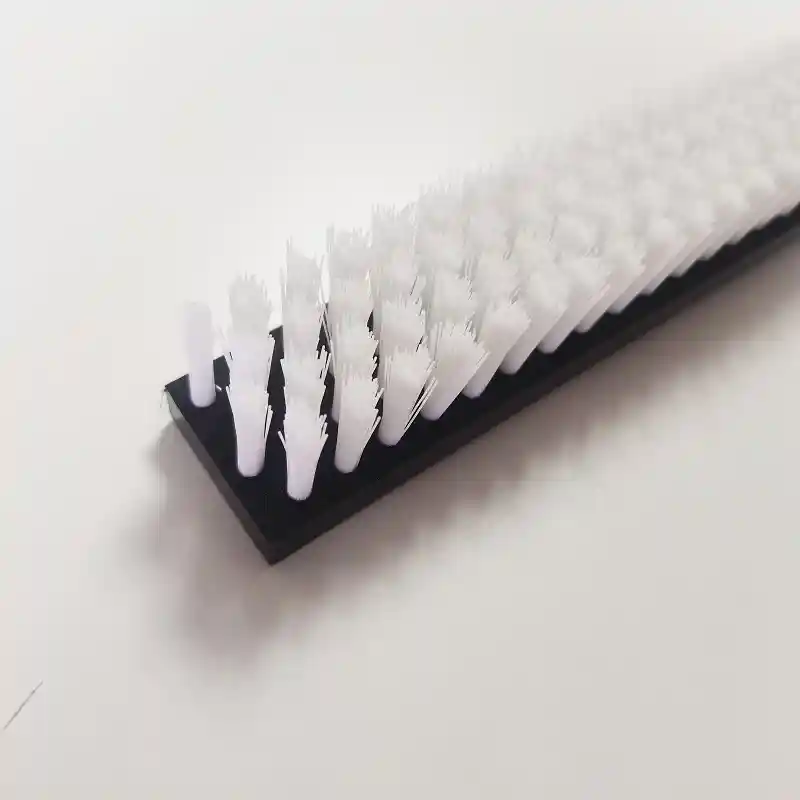
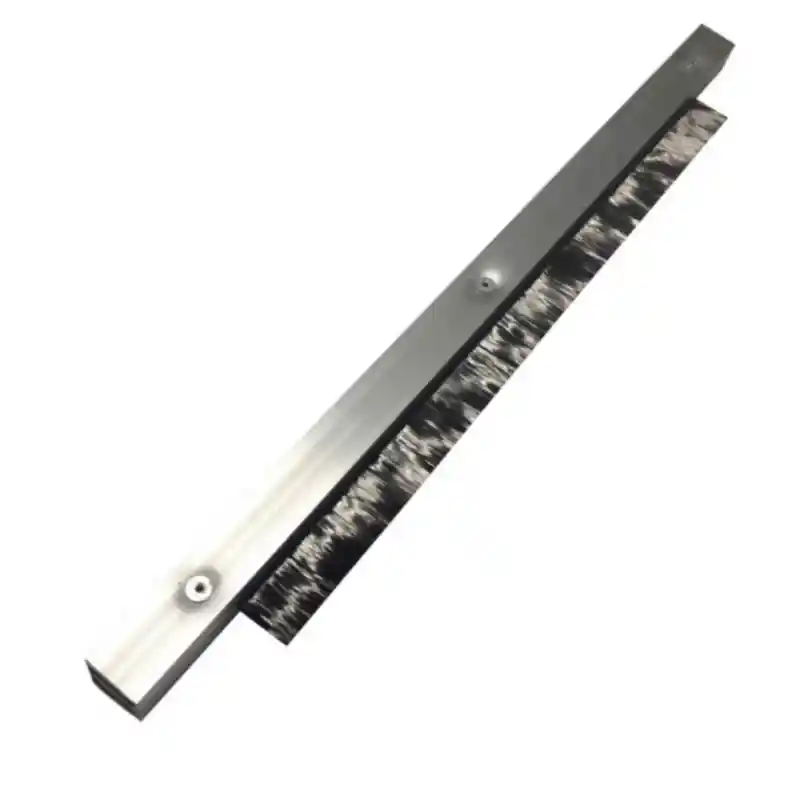
| Strip brush | Edge sealing, deburring channels | Consistent feed speed, rigid mount |
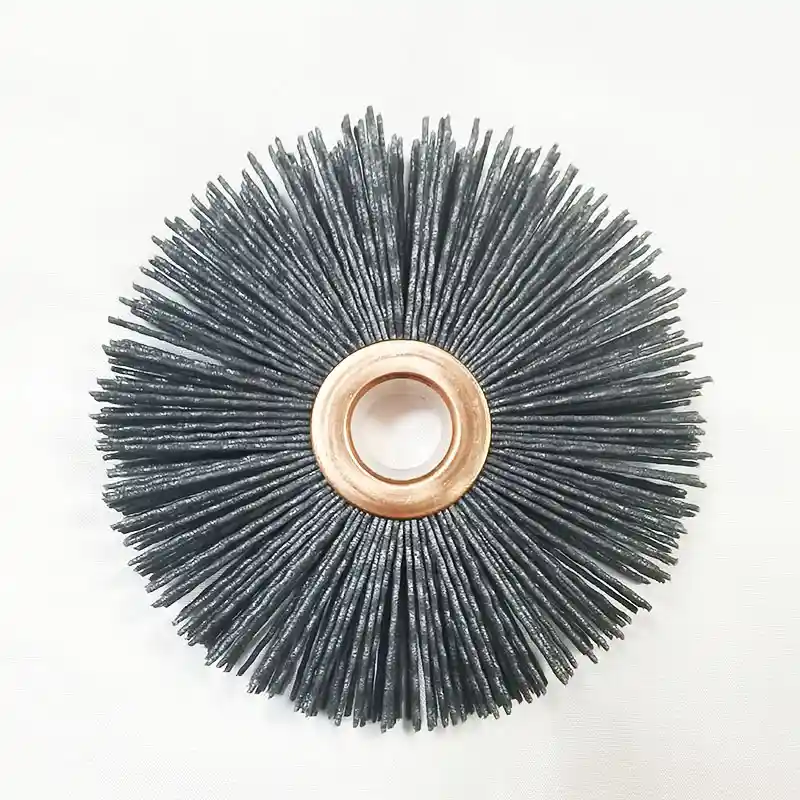
| Wheel brush (crimped) | Rust removal, surface blending | Vibration damping, workpiece clamping |
| Abrasive nylon brush | Satin finish, light deburring | Speed control, light fixturing |
For any brush table, specifying both the brush and the table from a single supplier reduces the risk of compatibility gaps. When we supply a brush table, we confirm the brush dimensions, shaft size, and operating speed match the table’s intended use before production starts, because correcting a mismatch after delivery is expensive and delays startup.
Common Questions About Brush Table Selection and Use
Is a heavier brush table always better for polishing
Not always. Extra mass helps damp vibration, but too much weight makes the table difficult to reposition and adds cost without proportional benefit. The right mass depends on the largest brush and workpiece the table will handle. A table for cup brushes on small hardware parts can function with a 60-kilogram base if properly damped, while a table running a 300-millimetre-wide cylindrical brush for roller polishing justifies 100 kilograms or more.
Can one brush table handle both polishing and deburring
Yes, if it is designed with quick-change brush mounting and adjustable speed control. The challenge is not the brush table structure itself but the dust and debris separation. Deburring produces metal slivers and larger particles, while polishing generates fine dust. A single table can do both jobs if it connects to a dust extraction system with a pre-separator for heavier particles, protecting the fine filter.
What maintenance does a brush table need over time
We inspect bolt torque on all mounting points every six months, especially where the motor bracket attaches, because vibration can loosen fasteners. Linear rails and adjustment threads on tooling plates should be cleaned and greased monthly, particularly in wet polishing lines where coolant accelerates corrosion. If the table has vibration pads, check for compression set annually, because hardened pads lose isolation effectiveness.
How long does it take to get a customized brush table built
Lead times run four to eight weeks for a customized design, depending on the level of integration and the queue at the fabricator’s steel section. This is not a long wait if the design phase has already finalized the motor bracket positions, mounting points, and accessory interfaces. Getting those details right before order release is the part that saves time on the back end. Share your workstation layout and brush specifications with us at [email protected] or call +86 1580 0932 713, and we can prepare a table configuration that fits your process.
If you’re interested, check out these related articles:
how do you know about deburring brushes
brass brushes work perfectly for pipe cleaning
honing brush a magic tool for flexible burr removal
advantage of hx cylindrical nylon brushes
abrasive disc brush an efficient tool for many applications