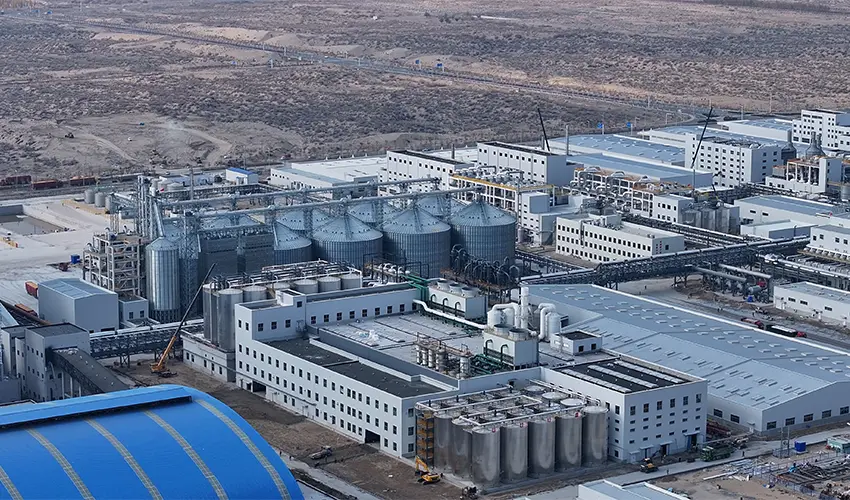

Building a corn ethanol plant is not a purchase of isolated equipment. It is the construction of an integrated system where grain intake, milling, fermentation, distillation, dehydration, by-product handling, and energy recovery must function as one continuous loop. I have walked through ethanol projects where a single process bottleneck, a mismatched dryer for DDGS, or an undersized wastewater treatment stage delayed startup by months and eroded the project’s financial assumptions. In modern corn ethanol plant engineering, the difference between a facility that reaches nameplate capacity in six weeks and one that struggles for over a year comes down to whether the engineering partner understands the whole chain, from corn storage to anhydrous ethanol storage, as one interdependent system. This article explains what a turnkey EPC approach brings to corn ethanol plant design and commissioning, with emphasis on the circular economy integration that most generic process descriptions miss.
Corn Ethanol Plant Engineering Demands a System-Level Approach
A corn ethanol plant is an industrial ecosystem. The upstream interface begins with grain receiving and storage, where silo design, aeration, and cleaning directly influence downstream fermentation yield. At the other end, the value of DDGS protein feed, food-grade liquid CO₂, and biogas from wastewater digestion can account for over 20% of total project revenue, yet these by-product streams are often treated as afterthoughts in conventional plant design.
When we plan a corn ethanol plant, we start from the full material balance: every kilogram of dry corn entering the system is allocated across ethanol, DDGS, CO₂, and waste streams before a single equipment specification is finalized. This forces the distillation column sizing to account for the stillage handling capacity needed downstream, and ensures the evaporation system matches the thin stillage volume realistically, not optimistically. Our team has seen projects where a 10% mismatch between dryer capacity and actual DDGS output forced wet cake sales at a discount for months, bleeding margin that had been calculated as profit.
This system logic extends to energy. The ethanol distillation process consumes roughly 40% of total plant steam. If the multi-effect evaporation and distillation columns are not heat-integrated properly, the plant’s energy cost per liter will remain stubbornly high regardless of how efficient the boiler is. I have observed that the plants achieving the lowest energy consumption, often under 3.0 MPa steam per liter of anhydrous ethanol, are those where the engineering team ran pinch analysis across the entire heat network, not just within individual unit operations.
Turnkey EPC Delivery Simplifies Design-to-Commission Timelines
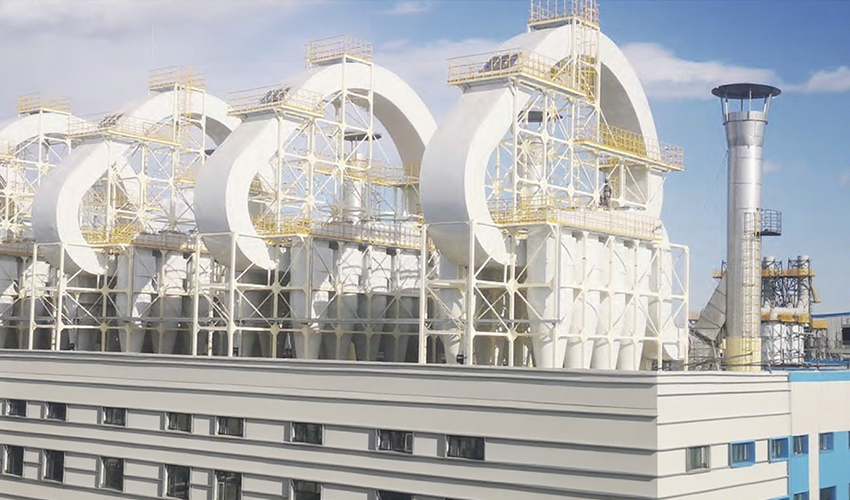
When an investor or agricultural enterprise decides to build a corn ethanol plant, they face a coordination challenge: process design, civil works, equipment procurement, installation, automation, and commissioning typically involve half a dozen separate contractors. In our experience, the biggest source of delay is not any single contractor’s performance but the gaps between their scopes. A turnkey EPC contract closes those gaps because a single engineering firm holds responsibility for the complete output, from first civil drawings to performance test runs.
The EPC model also resolves the common finger-pointing during commissioning. If the fermentation tanks were fabricated and installed by one vendor but the cooling jackets and CIP system by another, and the yeast propagation underperforms, diagnosing the root cause becomes a negotiation rather than an engineering exercise. Under a unified EPC structure, the same team that designed the process owns the commissioning, so the feedback loop is immediate. I have been on sites where a DCS loop tuning adjustment that would have taken three days of cross-contractor emails was resolved in a two-hour on-site meeting because the automation engineer and the process engineer sat in the same project team.
A practical advantage that many first-time project owners overlook: the EPC provider typically carries the equipment procurement risk, including lead times, factory acceptance testing, and logistics coordination. For a 100,000-ton-per-year fuel ethanol plant, the major equipment list includes grain cleaners, hammer mills, liquefaction tanks, jet cookers, saccharification vessels, fermentation tanks, distillation columns, molecular sieve dehydration units, evaporators, DDGS dryers, and a cooling tower system, easily over 200 tagged items. Managing that supply chain without a central engineering integrator is a full-scale project management challenge in itself.
Circular Economy Integration Transforms By-Product Economics
Most articles on ethanol plant design focus on the ethanol output. In practice, the profitability of a corn ethanol plant is often determined by how thoroughly the by-product streams are valorized, not just by ethanol yield per bushel. This is where the agricultural industry chain perspective becomes critical.
Consider three co-product streams: DDGS, CO₂, and biogas. DDGS is the largest by mass. Its market value varies significantly with protein content above 28%, fat content, and mycotoxin levels. A plant designed only for ethanol may produce DDGS with inconsistent color and nutrient profile because the dryer temperature controls were not tied to real-time moisture and residence time targets. But an integrated design from the start can incorporate low-temperature drying, precise residence time control, and post-drying cooling to preserve amino acid availability, making the DDGS suitable for premium feed markets rather than commodity disposal.
Food-grade CO₂ recovery is another margin lever. During fermentation, approximately 0.3 kg of CO₂ is produced per kg of ethanol. Instead of venting it, a capture-and-purification train, typically involving water scrubbing, activated carbon filtration, compression, and liquefaction, can produce liquid CO₂ that meets ISBT beverage-grade specifications. Our engineering team has delivered projects where CO₂ recovery was integrated into the plant from day one, and the payback period on the CO₂ purification unit was under 18 months when the plant operated above 85% capacity.
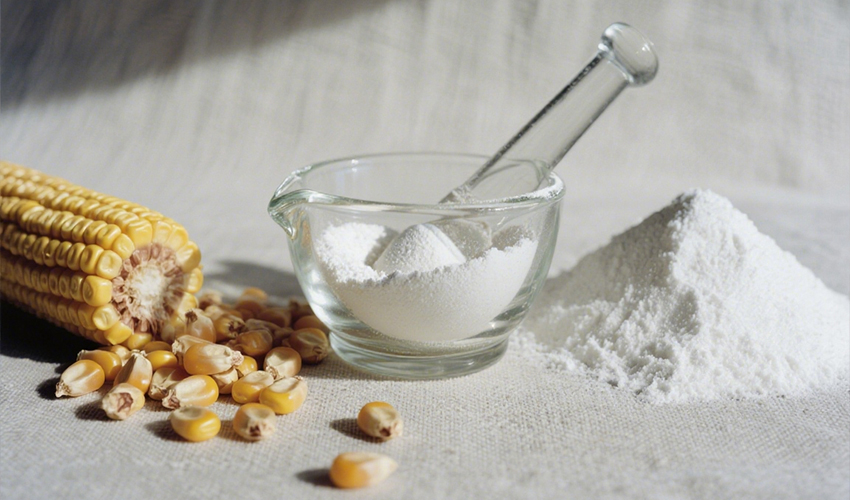
The most systemically interesting loop is biogas from wastewater. Thin stillage and process condensate contain high organic loads. Anaerobic digestion converts this into biogas, which can fuel a boiler or a combined heat and power unit, displacing a portion of the plant’s purchased energy. When the biogas system is designed in parallel with the main process, the waste heat from the CHP can be cascaded into the evaporation system, further reducing overall steam consumption. This cascading energy model, what we call energy cascade utilization, is not something that can be retrofitted optimally; it must be engineered into the plant’s P&ID at the basic design stage.
Technology Selection Defines Ethanol Plant Performance
Corn ethanol production is a mature industrial process, but technology choices still create a wide performance spread between otherwise similar plants. The core decisions cluster around front-end grinding, liquefaction and saccharification enzymes, fermentation configuration, distillation column internals, and dehydration method.
Front-end grinding sets the baseline for starch accessibility. A properly sized hammer mill with correct screen aperture directly affects the starch-to-ethanol conversion rate. Undersized grinding produces coarse flour with intact starch granules that enzymes cannot fully reach; oversized grinding wastes electricity and may create excessive fines that cause handling and dust explosion risks. In plants we have engineered, we typically target a particle size distribution where 90% passes a 1.0 mm screen, verified with regular sieve analysis rather than assumed.
The enzyme cocktail for liquefaction and saccharification has evolved significantly. Today’s thermostable α-amylase can operate above 95°C in the jet cooker, and glucoamylase pullulanase blends can push the dextrose equivalent above 97%. However, enzyme cost per liter of ethanol is not just about enzyme price; it is a function of dosage, reaction time, temperature, and pH stability. We have worked with enzyme suppliers to run dosage optimization trials that reduced total enzyme cost by 12–15% without sacrificing final ethanol yield, often by adjusting the liquefaction hold time to match the actual corn starch gelatinization profile of the specific grain supply.
Fermentation configuration is another high-impact decision. Batch fermentation is simpler and still common in smaller plants. Continuous fermentation, using a cascade of tanks with yeast recycle, can achieve higher volumetric productivity and more stable operation once the yeast culture adapts. The trade-off is higher susceptibility to bacterial contamination, which demands rigorous CIP design and real-time monitoring of lactic acid and acetic acid levels. Our projects in China have demonstrated that a well-instrumented continuous fermentation system can sustain ethanol concentrations above 14% v/v, compared to 11–12% for typical batch operations, directly reducing distillation steam demand per liter.
The distillation-dehydration train is the plant’s energy heart. A multi-column configuration, typically a degasifying column, a rectifier column, and a stripper column, plus the molecular sieve dehydration unit, must be balanced for both separation efficiency and heat integration. We favor a pressure cascading scheme where the rectifier operates at elevated pressure so its overhead vapor can supply reboiler duty to the stripper, cutting steam consumption by roughly 25% compared to a non-integrated setup. The molecular sieve unit itself is now standard for fuel-grade anhydrous ethanol, achieving 99.5%+ purity routinely, and the choice between 3A and 4A zeolite depends on the water content of the feed and the desired cycle time.
| Ethanol Grade | Purity (vol%) | Typical Water Content | Key Application |
|---|---|---|---|
| Fuel Ethanol | ≥99.5% | ≤0.5% | Gasoline blending (E10, E15, E85) |
| Industrial Anhydrous | ≥99.8% | ≤0.2% | Solvents, chemical intermediates |
| Reagent Grade | ≥99.9% | ≤0.1% | Laboratory, pharmaceutical synthesis |
| Neutral Edible Alcohol | ≥96% | ~4% | Beverage, food processing, vinegar |
| Medical Alcohol | ≥95% (v/v) | ≤5% | Disinfectant, extraction, GMP production |
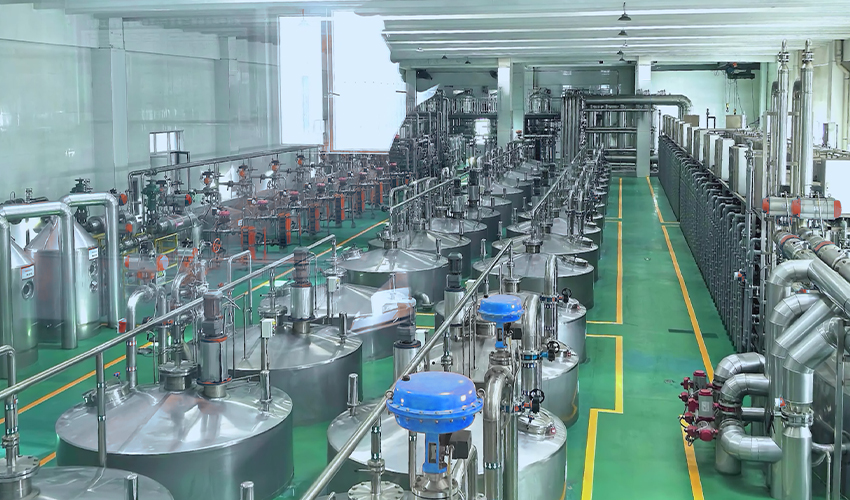
Commissioning and Startup Prove the Engineering
Commissioning is not a formality; it is the moment where design assumptions meet physical reality. Over the years, I have learned that a structured commissioning plan with clear hold points and performance test protocols prevents the frantic problem-solving that often accompanies first product runs.
The sequence typically begins with mechanical completion checks: equipment alignment, piping pressure tests, electrical continuity, and loop checks for every instrument. Then water runs test the hydraulic balance of tanks, pumps, and piping before any grain or chemicals are introduced. In one project I led, a water run revealed that the stillage pump suction line had been installed with a high point that created a vapor lock; we corrected it before startup, avoiding a two-week delay and a failed performance test.
Following water runs, the utility systems, boiler, cooling tower, compressed air, CIP skids, are commissioned independently. Then grain handling and milling are started, feeding small batches through the cleaning and grinding circuit to confirm dust collection performance and grain breakage rates. Only after these upstream systems are proven do we introduce corn flour into the liquefaction tank.
The first fermentation batch is the most nerve-wracking. Yeast inoculation, temperature profile, pH control, and nutrient addition all interact. We typically run a reduced-volume batch to allow operator training and to verify that the DCS sequence logic for cooling jacket modulation and CO₂ venting works as designed. Once fermentation reaches 13–14% ethanol, distillation column startup follows, with careful control of reflux ratios and column pressure profiles until steady state is reached.
A full performance test, usually a 72-hour continuous run at 100% rated capacity, is the contractual milestone that verifies ethanol yield per ton of corn, steam and electricity consumption figures, and product quality specifications. The EPC’s responsibility extends through this test, and in a well-engineered project, the plant achieves nameplate capacity within the first month of commissioning.
Common Questions About Corn Ethanol Plant Engineering
What is the typical project timeline for a turnkey corn ethanol plant from design to commissioning?
A 100,000-ton-per-year fuel ethanol plant typically requires 18–24 months from the start of basic engineering to the performance test run. This breaks down approximately as 3–4 months for basic design and permitting, 4–6 months for detailed engineering and procurement, 8–10 months for civil construction and equipment installation, and 2–3 months for commissioning and startup. The timeline can compress if front-end engineering design is completed before the EPC contract is signed, but rushing the detailed design phase almost always leads to field changes that cost more time than they save.
How much does a corn ethanol plant cost to build?
Capital cost depends heavily on location, capacity, and scope of by-product systems. As a broad range, a greenfield 100,000-ton-per-year plant with DDGS drying, CO₂ recovery, and wastewater treatment might fall between USD 80 million and USD 120 million in today’s equipment and construction markets. The range is wide because civil works costs vary with site conditions, and the inclusion of a biogas CHP system or advanced automation can shift the budget meaningfully. Owners should budget an additional 5–8% for working capital during startup.
What is the corn-to-ethanol conversion rate I should expect?
Modern dry-mill plants typically achieve 2.7–2.8 gallons of anhydrous ethanol per bushel of No. 2 yellow corn, equivalent to approximately 410–420 liters per metric ton. This assumes a starch content of approximately 72% and a fermentation efficiency above 92%. Yield varies with corn quality, enzyme dosage, and fermentation management. In projects we have engineered, we target a starch-to-ethanol conversion efficiency of 93%, and we verify it through mass balance calculations that cross-check corn input, ethanol output, and DDGS production.
How important is water recycling in a corn ethanol plant?
Water consumption is a major sustainability and cost factor. A well-designed plant can reduce fresh water intake to below 3 liters per liter of ethanol, and some plants approach 2 liters per liter through comprehensive condensate recovery, CIP water reuse, and cooling tower blowdown recycling. The key is integrating water balance analysis into the process design from the start, not adding water treatment as an afterthought. If your project faces water availability constraints or strict discharge limits, it is worth confirming with your engineering team that the water balance has been modeled at the PFD stage, not later.
What by-product revenue can I realistically expect?
By-product revenue varies with market conditions, but in a plant producing fuel ethanol, DDGS sales typically contribute 15–20% of total revenue, CO₂ recovery another 3–5%, and biogas energy displacement can reduce net energy costs by 10–15%. The combined by-product revenue stream often determines whether the project meets its IRR target, especially during periods of compressed ethanol margins. If your project requires a specific financial return, share your target ethanol price and corn cost assumptions with our team at [email protected], and we can run a preliminary mass-and-energy balance that quantifies your expected co-product revenue profile.
For project sponsors evaluating a corn ethanol investment, the difference between a plant that meets financial projections and one that strains to break even is rarely the core process technology. It is the quality of integration: how thoroughly the engineering accounts for grain quality variation, energy cascading, by-product valorization, and commissioning phasing from the very first PFD. AGRIFAM’s engineering team works from the full material and energy balance, not a standard equipment list, to deliver turnkey ethanol plants that start up predictably and operate efficiently. To discuss a specific project, including feedstock type, target capacity, and site conditions, reach Chen Guoqiang’s team at [email protected] or call 010-8591 2286. Sharing your basic parameters allows us to prepare a preliminary EPC timeline and process configuration for your review.
If you’re interested, check out these related articles:
Driving Global Food Conservation Through Technological Innovation