
Every corn ethanol plant faces a common tension: the starch conversion step determines both ethanol yield and energy consumption, yet enzyme selection often gets treated as a commodity decision rather than a system design parameter. Over years of planning integrated grain processing and alcohol production lines, I have seen how the right enzyme strategy and precise process control can lift a plant’s conversion efficiency while cutting steam demand and improving downstream fermentation consistency. This article examines how process engineers and plant managers can align enzyme choices with overall plant performance, not just fixed lab specifications.
The Starch Liquefaction–Saccharification Process in Corn Ethanol
Starch conversion in a fuel ethanol plant follows a two-stage enzymatic hydrolysis. First, the corn slurry (after milling and mixing with water) heats to gelatinization temperature, typically 95-105°C in a jet cooker, where starch granules swell and rupture. Alpha-amylase is added to break long starch polymers into shorter dextrins, reducing slurry viscosity and preparing the substrate for saccharification. In continuous systems, the liquefied mash then cools to about 60°C and moves to saccharification tanks. Glucoamylase and sometimes pullulanase are dosed to cleave dextrins and branched chains into fermentable sugars, primarily glucose.
What separates a well-tuned line from a mediocre one is not the enzymes alone, but how the thermal and residence time profiles are managed. For example, uneven mash heating in the jet cooker leads to incomplete gelatinization, which leaves starch granules intact and inaccessible to enzymes. That directly reduces the dextrose equivalent (DE) value entering fermentation. I’ve observed several plants where tweaking the steam injection pattern and residence time lifted DE by 5-8 points without changing the enzyme recipe.
Key Enzymes for Corn Starch Conversion
Enzyme selection must match both the process conditions and the overall plant goals. The table below outlines the main enzyme categories and their function in corn ethanol starch processing.
| Enzyme Type | Temperature Range | pH Range | Key Function |
|---|---|---|---|
| Thermostable Alpha-Amylase | 85-110°C | 6.0-6.5 | Liquefaction: breaks starch into dextrins |
| Intermediate-Temperature Alpha-Amylase | 70-90°C | 5.5-6.5 | Pre-liquefaction or lower-cost alternative |
| Glucoamylase | 55-65°C | 4.0-5.0 | Saccharification: dextrins to glucose |
| Pullulanase | 55-65°C | 4.5-5.5 | Debranching: improves glucose yield |
Thermostable alpha-amylase has become standard in fuel ethanol plants because it withstands the high temperatures of jet cooking without calcium ion supplementation in many modern formulations. However, the calcium requirement still matters for certain water chemistries and older plant designs. In our project planning, we evaluate water source hardness before specifying the enzyme system; otherwise, calcium-related scaling or premature enzyme denaturation can degrade throughput.
Glucoamylase performance depends heavily on the DE profile leaving liquefaction. If the liquefaction step produces too many long-chain dextrins, glucoamylase works slower and the saccharification tank residence time must be extended. That ties up vessel capacity and can become a bottleneck. Pullulanase helps here by attacking the alpha-1,6 branch points that glucoamylase cannot quickly cleave, boosting overall glucose yield by 2-5% in many configurations.
Temperature, pH, and Residence Time Control
Process control is where most plants leave money on the table. The target setpoints for temperature and pH are well known, but real-world performance rarely stays at those setpoints across the entire batch or continuous flow. A plant running with pH swings of ±0.5 units during liquefaction will see enzyme activity dip at the edges, lowering DE consistency. Similarly, temperature stratification in large tanks means some mash zones stay under-processed.

We recommend using in-line pH and temperature probes with automatic dosing loops for acid or caustic addition, integrated into the plant’s DCS. This feed-forward control can maintain pH within ±0.1 and temperature within ±1°C of target, stabilizing DE output shift after shift. Residence time control requires careful tank sizing and level management. In continuous liquefaction, a residence time distribution with too much short-circuiting—where a portion of mash passes through faster than design—results in a mixed DE product. Baffling and proper agitation are as important as the enzyme choice itself.
If your plant is experiencing fluctuating DE values or high enzyme costs without a clear root cause, it is worth confirming your process control loop design—reach out at [email protected] to discuss your current configuration.
Integrating Enzyme Systems with Plant-Wide Optimization
Starch conversion doesn’t exist in isolation. The steam used for jet cooking and mash heating can represent 30-40% of a plant’s total thermal energy demand. Enzyme selection that allows liquefaction at a lower temperature (for example, using an intermediate-temperature alpha-amylase with a modified process) can reduce steam usage by 10-15%, but it requires rebalancing the entire heat integration scheme. We have applied this principle in alcohol EPC designs where a cascade utilization system recovers waste heat from distillation columns to pre-heat the mash, cutting overall energy consumption by up to 25%. The enzyme system must be compatible with that heat recovery network, not just with the starch conversion vessel.
Equally important is the link to byproduct quality. The heat load applied during liquefaction affects protein denaturation in the corn, which influences DDGS digestibility and color. Feed buyers often prefer lighter DDGS, which correlates with controlled, moderate heat treatment rather than excessive thermal exposure. Thus, enzyme and process decisions ripple into the co-product revenue stream.
Why an EPC Approach Improves Corn Ethanol Starch Processing
When a plant buys enzymes from a catalogue and designs the dosing system separately from the process control strategy, the result is almost always suboptimal. An engineering, procurement, and construction (EPC) partner who understands the entire corn-to-ethanol chain can integrate enzyme handling, dosing, temperature control, and DCS programming into a single validated package. This avoids the finger-pointing that happens when enzyme supplier, control system integrator, and mechanical contractor each blame the other for yield shortfalls.
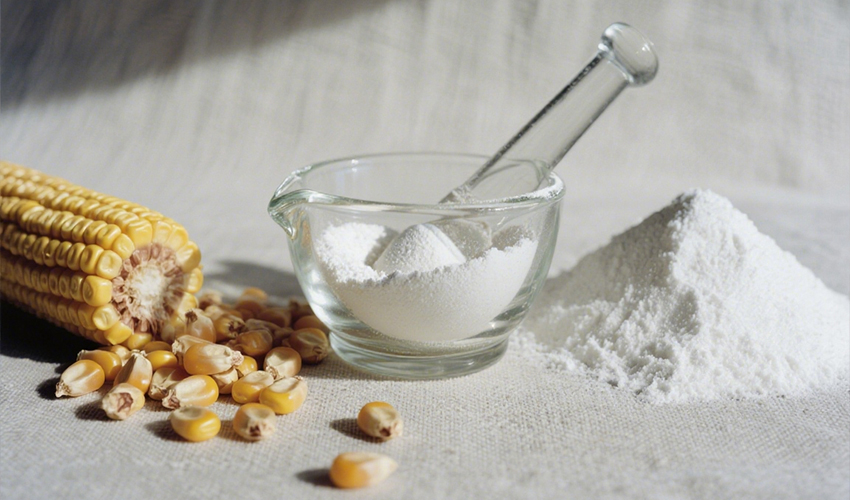
AGRIFAM’s alcohol project solutions span from grain storage and milling through fermentation, distillation, and co-product handling. The starch conversion island is designed not as a standalone unit but as part of a loop with the plant’s energy and water systems. For new builds and retrofits alike, that system-level view leads to higher conversion efficiency, lower enzyme cost per litre of ethanol, and a smoother start-up curve.
Common Questions About Corn Ethanol Starch Processing
What is the typical enzyme dosage per ton of corn?
Dosage varies by enzyme formulation and plant configuration, but a common range is 0.4-0.6 kg of thermostable alpha-amylase per ton of dry corn for liquefaction, and 0.6-0.8 kg of glucoamylase per ton for saccharification. These numbers shift with corn variety, particle size after milling, and target DE. We typically run lab-scale trials with actual feedstock before fixing the recipe for industrial purchase.
Does enzyme selection affect ethanol yield directly?
Yes. Suboptimal enzyme combinations can leave 1-3% of the starch unconverted, which translates to lost ethanol. More than the enzyme brand, the match between enzyme kinetics and plant residence time and temperature profile determines the real-world yield. In our experience, a plant that adjusts its enzyme program based on production data, not just supplier recommendations, often recovers 0.5-1.5% additional ethanol.
Can the same enzyme recipe work for all corn varieties?
Not always. Dried corn with higher protein content or stored corn with some starch retrogradation can require slightly higher enzyme doses or longer residence times. Seasonal changes in incoming corn moisture also affect slurry viscosity and gelatinization behavior. We advise ethanol plants to test corn lots quarterly and tune the enzyme program accordingly.
What DE value should be targeted before fermentation?
Most fuel ethanol plants target a DE of 95-98% going into fermentation. Lower DE means fewer fermentable sugars available, while pushing for 99%+ DE can require extra saccharification time that may not pay back in fermentation yield. The right DE is the one that maximizes fermentation efficiency and vessel utilization, not a single absolute number.
How does process control impact DDGS quality?
Excessive heat during liquefaction can cause Maillard reactions that darken DDGS and bind up lysine, reducing its feed value. Keeping liquefaction temperature and time at the lower end of the effective range—while still achieving full gelatinization—produces lighter, more nutritionally valuable DDGS. Process control loops that prevent temperature overshoot are one of the most straightforward ways to protect co-product revenue. Share your plant’s current DDGS specs and energy usage data, and we’ll map out an optimized starch conversion configuration.
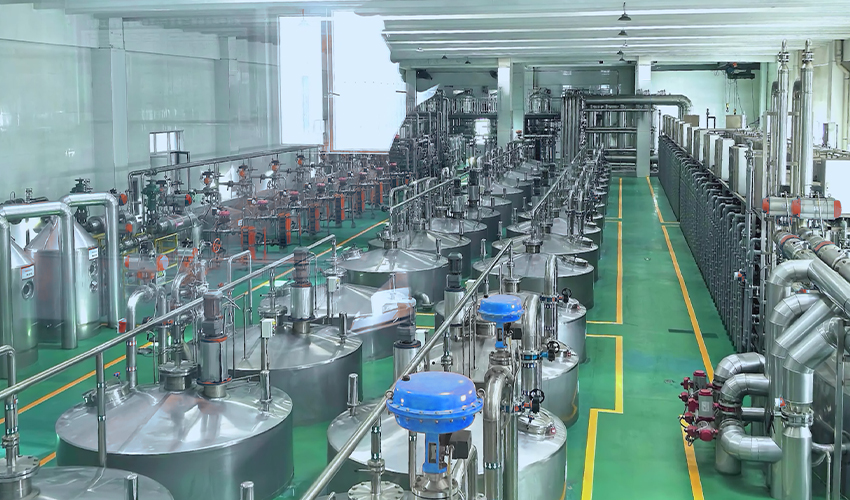
Every corn ethanol plant has a different set of constraints: feedstock variability, steam availability, target ethanol yield, and byproduct market. Selecting enzymes and tuning process control is not a one-size-fits-all exercise. As an integrated agricultural system planner, I recommend that plant owners and technical managers treat starch conversion as a system design issue, not a chemical procurement task. Send your plant’s current process data, enzyme consumption, and capacity goals to [email protected] or call 010-8591 2286. A thorough technical review of your starch processing line often reveals more improvement potential than any single enzyme switch.
If you’re interested, check out these related articles:
Driving Global Food Conservation Through Technological Innovation