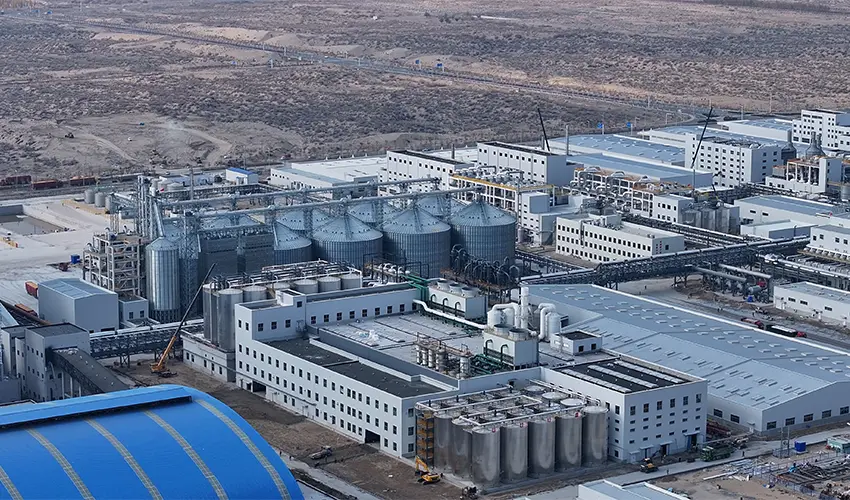

When ethanol plants ferment corn or other grains, they produce not just alcohol but a stream of nearly pure carbon dioxide. For every kilogram of ethanol, roughly equal mass of CO2 is released. Food-grade liquid CO2 recovery captures this stream, purifies it, and turns it into a saleable product—one that many plants overlook. I’ve worked on integrated ethanol projects where the CO2 recovery system shifted a cost center into a profit contributor. This article covers the purification pathway from raw fermentation gas to food-grade liquid, the parameters that matter, and how the product serves the food and beverage sector.
Why Fermentation CO2 Recovery Matters
Fermentation CO2 is over 99% pure at source, but it contains trace ethanol, sulfur compounds, and water that must be removed to meet food safety standards. Without recovery, this CO2 vents to the atmosphere, representing both a lost revenue opportunity and a greenhouse gas emission. In our plant designs, capturing CO2 reduces the facility’s carbon intensity while adding a new product line with substantial market demand. The global food-grade CO2 market relies heavily on fermentation sources because they are renewable and consistent compared to ammonia plant by-products or direct combustion capture.
Purification Steps from Raw Gas to Food-Grade Standard
The path from fermenter off-gas to pressurized liquid CO2 involves several treatment stages. First, the gas passes through a foam trap or demister to remove droplets and larger particles. Then a water scrubber or potassium permanganate scrubber oxidizes organic impurities like ethanol and acetaldehyde. After scrubbing, a compressor raises the pressure to 15–20 bar, and the gas moves through activated carbon beds to adsorb residual odors and sulfur compounds. A desiccant dryer then removes moisture, yielding a dry, clean CO2 stream. Finally, a refrigeration cycle liquefies the CO2, and the liquid is stored in insulated pressure vessels. We have seen plants where scrubbing efficiency directly determines whether the product meets the required purity limits, so this stage cannot be cut back.
If your plant also produces fuel ethanol, the CO2 stream may contain higher sulfur from certain fermentation feedstocks. In such cases, adding a sulfur-specific scavenger bed before the dryer prevents off-spec product. Confirm your stream composition early—on-site sampling avoids downstream rejection.
| Purity Parameter | Food-Grade Limit (ISBT) | Typical Raw Fermentation CO2 |
|---|---|---|
| CO2 concentration | ≥99.9% | 99.5–99.9% |
| Sulfur compounds (as H₂S) | ≤0.1 ppmv | 0.5–2 ppmv |
| Non-condensable gases (O₂, N₂) | ≤0.01% each | ≤0.1% |
| Total hydrocarbons (as CH₄) | ≤50 ppmv | 50–200 ppmv |
| Moisture | ≤50 ppmv | saturated |
Key Process Parameters for Liquid CO2 Quality
Achieving consistent food-grade quality depends on controlling three things: scrubber chemistry, dryer regeneration, and storage temperature. The scrubber solution must be monitored for oxidant concentration; spent solution that has lost its oxidative capacity will pass organic contaminants downstream. I’ve observed that plants using automated dosing and pH control maintain scrubbing efficiency longer than those relying on manual top-ups. Desiccant dryers require scheduled regeneration cycles—we typically see a cycle time of 6–8 hours depending on inlet moisture load. If regeneration is delayed, moisture breakthrough lowers CO2 purity and can cause ice formation in the liquefaction exchanger.
Storage temperature also matters. Liquid CO2 is stored at around –20°C and 20 bar. If pressure drops, the liquid can flash, losing dissolved components and creating handling issues. We advise clients to size the storage tank with at least two days of production capacity to buffer against logistics interruptions, a lesson learned from projects where delivery schedules and plant output didn’t align.
Food and Beverage Applications for Recovered CO2
Food-grade liquid CO2 serves multiple roles across the supply chain. Carbonation of soft drinks and beer is the largest demand sector, but food processors also use it for Modified Atmosphere Packaging (MAP) to extend shelf life of fresh produce and meat. In agriculture, CO2 is injected into greenhouses to boost plant growth. The pharmaceutical and electronics sectors demand even higher purity levels, but a well-run food-grade recovery system can often meet those limits with additional post-treatment. The key is that the product must be odorless, tasteless, and free from any trace of fermentation by-product—something the purification chain must guarantee.

One nuance: the CO2 price per ton varies by region and application. Beverage-grade CO2 commands a premium, which justifies investing in higher scrubbing capacity and more robust monitoring. In integrated grain-processing facilities, the CO2 revenue can offset operating costs across the entire ethanol line.
Integrating CO2 Recovery into the Circular Ethanol Plant
For an ethanol plant, CO2 recovery is not an add-on—it is a core loop of the circular economy model. AGRIFAM’s alcohol projects incorporate CO2 recovery alongside biogas utilization and waste heat recovery to maximize resource efficiency. When a plant produces ethanol, its by-products—DDGS, CO2, and biogas—should generate revenue streams that improve overall project economics. In a typical design, the CO2 recovery unit uses excess cold energy from the ethanol distillation process, reducing the additional energy input required. This integration can cut the recovery unit’s power consumption by up to 15% compared to a standalone setup.
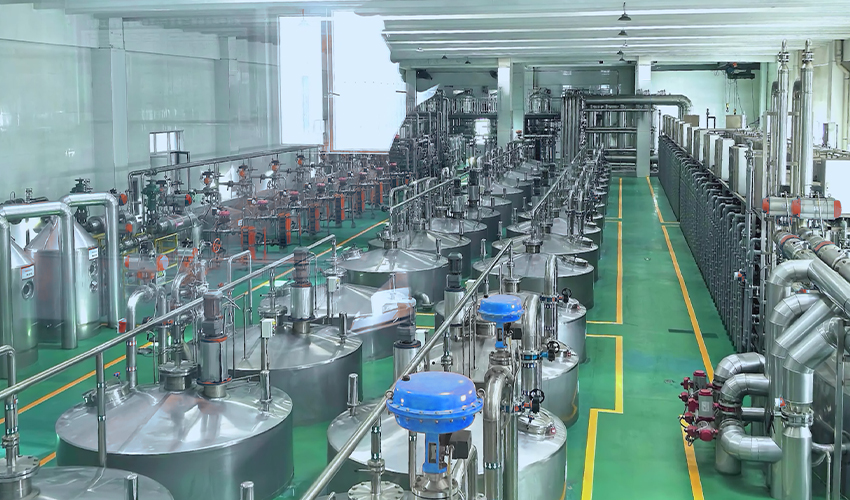
For plant operators evaluating CO2 recovery, the decision hinges on a few factors: proximity to CO2 buyers, the scale of ethanol production, and the existing utility infrastructure. A plant producing 100,000 tons of ethanol annually can recover roughly 95,000 tons of CO2 per year, depending on fermentation efficiency. Even at moderate market prices, that represents a seven-digit revenue stream. We assist clients in matching recovery capacity to both production data and regional off-take agreements, a step that determines the project’s financial viability.
Common Questions About Food-Grade Liquid CO2 Recovery
Is food-grade CO2 from ethanol plants safe for beverage use?
Yes, provided the purification chain meets ISBT or equivalent standards. The scrubbing and activated carbon stages remove fermentation-derived impurities, and the final product is chemically identical to CO2 from other sources. Many major soft drink brands source CO2 exclusively from bioethanol plants because the renewable origin aligns with sustainability goals.
How much does it cost to add CO2 recovery to an existing ethanol plant?
The capital cost depends on capacity and whether the plant already has compression and purification infrastructure. For a mid-scale plant producing 100,000 tons of ethanol per year, a complete recovery system can range from several million dollars. However, payback periods are often under three years when CO2 prices are favorable. The biggest variable is the local market price for food-grade CO2 and transportation logistics to end users.
What happens if the CO2 doesn’t meet food-grade specs?
Off-spec CO2 can still be sold for industrial applications like welding shielding gas or pH control in wastewater treatment, though at a lower price. That is why we recommend building in enough purification margin so that normal process variations don’t push the product below food-grade limits. Periodic third-party testing against ISBT guidelines is standard practice.
Can recovered CO2 be used for greenhouse enrichment?
Yes, greenhouses represent a steady off-take for medium-purity CO2. Even if the CO2 doesn’t meet rigorous beverage standards, greenhouse operators accept slightly higher oxygen or nitrogen content. Many of our integrated agricultural projects include greenhouse clusters that use the plant’s CO2 and waste heat together, closing another resource loop.
Do I need food safety certification for the CO2 recovery facility?
Yes. The recovery and filling area must follow HACCP principles and typically require FSSC 22000 or ISO 22000 certification to sell into the food chain. The plant’s cleaning procedures, traceability, and impurity monitoring records are reviewed during audits. If your facility already handles food-grade products like neutral alcohol, extending the certification to CO2 is often straightforward. We help clients prepare the documentation and process validation. To discuss how CO2 recovery can work in your ethanol operation, send your current production scale and fermentation data to [email protected] or call 010-8591 2286—we’ll evaluate the integration feasibility and provide a complete proposal from capture to commercialization.
If you’re interested, check out these related articles:
Driving Global Food Conservation Through Technological Innovation