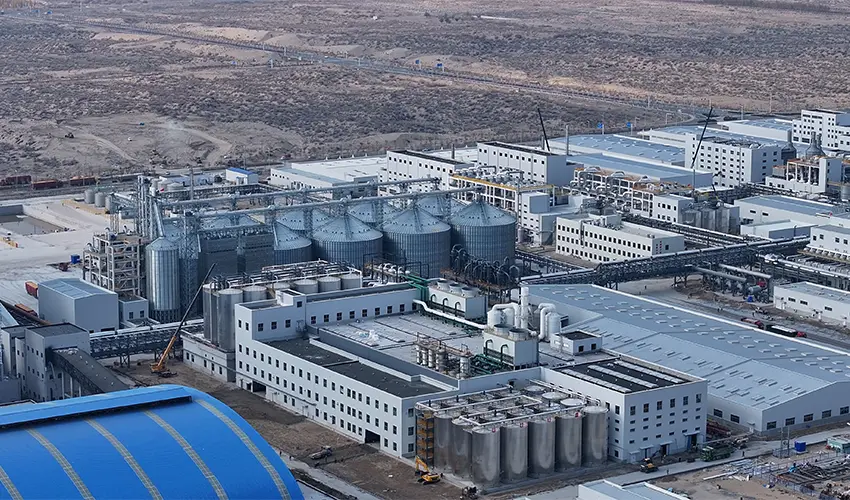

Corn ethanol plants convert starch into fuel, leaving behind protein, fat, fiber, and minerals that become distillers dried grains with solubles, known as DDGS protein feed. The process begins with corn grinding, followed by liquefaction and saccharification to release fermentable sugars. Yeast fermentation converts sugars into ethanol and carbon dioxide, and the remaining whole stillage is centrifuged to separate wet distillers grains from thin stillage. The thin stillage is evaporated into condensed distillers solubles, then recombined with the wet grains and dried to produce the final DDGS product.
This sequence might seem straightforward, but each step influences final feed quality. For instance, fermentation efficiency determines the proportion of residual starch and yeast biomass in the stillage. Higher fermentation yield means less residual starch and more concentrated protein in the DDGS. In projects I have evaluated, plants that maintained consistent fermentation temperatures and yeast health produced DDGS with protein levels two to three percentage points higher than those with erratic fermentation, even when using the same corn supply.
The drying stage introduces the most variability. High drying temperatures can cause Maillard reactions that bind lysine, the most limiting amino acid for poultry and swine, making it less digestible. A plant that operates its dryer at a moderate temperature with adequate residence time will produce DDGS with significantly higher available lysine. This is not something a standard proximate analysis reveals, yet it directly affects feed performance.
How DDGS Protein Feed Is Produced in Corn Ethanol Plants
When yeast metabolism is efficient, starch is fully converted, leaving fiber and protein as the dominant residues. The protein concentration doubles relative to the original corn grain, from about 8–9% to typically 27% or higher in DDGS. But variability exists: a plant with incomplete starch conversion will produce DDGS with slightly lower protein and more starch, which dilutes the feed energy value for monogastric animals.
The method of drying (whether rotary drum, ring dryer, or another type) and the temperature‑time profile determine lysine availability. Over‑drying darkens the product and lowers amino acid digestibility. In our engineering work for fuel ethanol plants, I have seen that installing a controlled‑temperature drying system with moisture feedback reduces over‑drying risks and keeps lysine digestibility above 80% of total lysine. This level of control pays back in feed consistency.
What Quality Parameters Define DDGS Protein Feed Value?

Feed buyers typically check crude protein, moisture, and fat content, but a thorough DDGS quality assessment goes deeper. The following table outlines key parameters and their significance.
| Parameter | Typical Range | Why It Matters |
|---|---|---|
| Crude Protein (%) | 27–32 | Primary protein indicator; higher is not always better if digestibility is low |
| Neutral Detergent Fiber (NDF, %) | 35–45 | Reflects fiber bulk; high NDF limits intake in monogastric diets |
| Fat (%) | 8–12 | Energy-dense; oxidized or low fat reduces feed energy value |
| Moisture (%) | 10–13 | Affects storability; over 13% increases mold risk and mycotoxin growth |
| Total Lysine (%) | 0.5–0.9 | Key essential amino acid; depends on drying temperature |
| Sulfur (%) | 0.3–0.8 | High sulfur from sulfuric acid use can cause toxicity in ruminants |
| Mycotoxins (ppb) | Variable (regulated) | Carryover from corn; must meet regional feed safety standards |
Beyond these numbers, the process‑derived characteristics (lysine digestibility, fat stability, and mycotoxin profile) often separate usable DDGS from problematic batches. I have observed that procurement teams who only specify a minimum crude protein of 28% sometimes receive DDGS with acceptable protein but poor amino acid balance because they did not request a digestible amino acid guarantee.
Not all protein is equal. DDGS contains a high proportion of rumen‑undegradable protein (RUP) for ruminants, making it an excellent bypass protein source. For monogastrics, however, the digestibility of lysine and methionine is what matters. Processors that add sulfur dioxide during steeping will elevate sulfur content, which can limit inclusion rates. Asking for a typical amino acid digestibility coefficient, even if approximate, can differentiate suppliers.
Corn entering ethanol plants may carry mycotoxins from the field or storage. Fermentation does not destroy most mycotoxins; instead, they concentrate roughly threefold in DDGS. Monitoring incoming corn and implementing post‑fermentation toxin binders are practical measures. Sulfur, primarily from sulfuric acid used in ethanol production, concentrates in the solubles. Ruminant diets with total dietary sulfur above 0.4% risk polioencephalomalacia. Feed buyers should request sulfur content certificates and adjust inclusion accordingly.
You can avoid feeding disruptions by confirming process controls before shipment. If your feed program depends on consistent amino acid levels, reach out to our team at [email protected] to discuss how integrated ethanol plants can provide DDGS with process‑documented quality.
What Nutritional Value Does DDGS Offer Beyond Crude Protein?
DDGS is more than protein; it delivers energy, phosphorus, and functional fiber. The fat content (8–12%) contributes substantial digestible energy, making it attractive for high‑energy pig diets and broiler rations. Phosphorus in DDGS is largely present as phytate‑phosphorus, but the fermentation process partially hydrolyzes phytate, increasing phosphorus availability relative to corn grain. This can reduce the need for supplemental inorganic phosphorus in formulations, lowering cost and nutrient excretion.
For ruminants, DDGS provides both rumen‑fermentable energy and bypass protein, supporting milk production and growth. In beef cattle diets, DDGS can replace a portion of corn and soybean meal while maintaining performance, especially when sulfur content is controlled. Dairy farmers often use DDGS as a cost‑effective protein source that complements forages.
Modern poultry and swine nutrition models rely on digestible amino acid values. For broilers, DDGS inclusion up to 10% is common, but exceeding that requires careful formulation to account for lower lysine digestibility and increased fiber. Pigs can tolerate higher inclusion rates (grow‑finish pigs can consume 20–30% DDGS) provided that amino acid ratios are balanced with synthetic lysine. The key is not crude protein but standardized ileal digestible (SID) amino acid data.
In dairy cows, DDGS functions as a RUP source that supports milk protein synthesis. It also supplies fermentable fiber that promotes rumen health. Field experience in integrated farming systems suggests that DDGS inclusion of 10–15% of total mixed ration dry matter, with attention to total dietary sulfur, consistently improves milk yield without negative health effects. The value is in complementing forage‑based rations, not simply substituting grain.
How Can Feed Buyers Source Consistent DDGS Protein Feed?
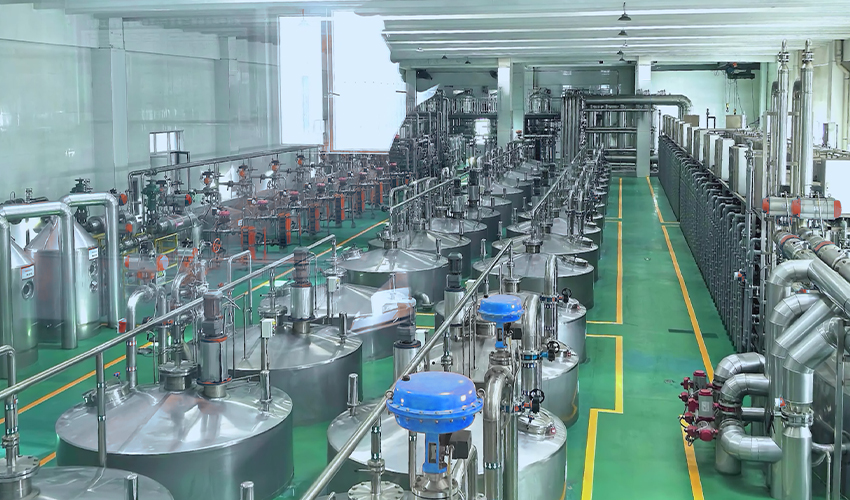
Consistency in DDGS quality depends on the ethanol plant’s operational stability and transparency. When evaluating a DDGS supplier, I recommend asking for more than a certificate of analysis. Inquire about their drying technology and temperature controls, their sulfur dioxide usage, and their mycotoxin monitoring program. A plant that operates 24/7 with stable fermentation parameters will inevitably produce more uniform DDGS than one with frequent shutdowns and process swings.
Understanding the supplier’s integrated approach matters. Plants that view DDGS as a critical co‑product rather than a waste stream invest in quality assurance. AGRIFAM’s fuel ethanol plant designs incorporate closed‑loop drying and integrated by‑product handling to deliver consistent DDGS specifications from day one. Clients who need DDGS supply with process‑based quality documentation can rely on these integrated systems to reduce variability.
Cost per metric ton of crude protein is the most common metric, but value per unit of digestible amino acid or per megacalorie of energy often yields a different ranking among suppliers. Over the years, I’ve seen feed operations save 5–8% on total feed cost by switching to a slightly more expensive DDGS with higher lysine digestibility, simply because they substituted less synthetic amino acids and soybean meal. The economic calculation should reflect the full ration cost.
How Process Control Influences DDGS Feed Value
The variation in DDGS quality from different ethanol plants can undermine even the best feed formulations. By shifting your specification from crude protein alone to a broader set of process‑related quality indicators (drying temperature control, sulfur management, and amino acid digestibility) you gain a more reliable feed ingredient and greater predictability in animal performance.
For feed operations looking to partner with experienced corn ethanol plant builders who understand by‑product quality, AGRIFAM offers integrated solutions that produce consistent DDGS protein feed. To discuss your DDGS requirements and receive process documentation that supports your nutritional specifications, email [email protected] or call 010-8591 2286.
Common Questions About DDGS Protein Feed Quality
What is the typical crude protein content of DDGS?
Crude protein in DDGS typically ranges between 27% and 32% on a dry matter basis, though values outside this range occur. The protein content is influenced by the original corn protein level, fermentation efficiency, and the proportion of solubles added back before drying. Buyers should note that the crude protein figure alone does not reflect amino acid digestibility.
Why does DDGS quality vary between ethanol plants?
Variation arises from differences in corn supply, fermentation yeast management, the amount of solubles blended back, and especially drying temperature and time. Plants using low‑temperature drying produce DDGS with higher available lysine. Plants with inconsistent fermentation throughput may see substantial batch‑to‑batch protein shifts.
Can DDGS replace soybean meal in animal diets?
DDGS can partially replace soybean meal and grain in ruminant diets and, to a limited extent, in monogastric diets, but complete replacement is rare due to lower lysine content and poorer amino acid balance. In pig and poultry rations, the focus should be on the digestible amino acid profile rather than crude protein, and inclusion rates typically range from 5% to 20% depending on species and production stage.
Does DDGS contain mycotoxins, and how can I mitigate that risk?
Yes, mycotoxins such as deoxynivalenol (DON), zearalenone, and fumonisins can concentrate in DDGS if the corn is contaminated. Mitigation starts with the ethanol plant screening incoming corn and may include the use of toxin binders. As a feed buyer, request mycotoxin analysis results and set maximum allowable levels in your purchase specification.
How can I obtain DDGS with consistent amino acid profiles?
Consistency comes from plants with disciplined process control. Ask potential suppliers about their standard operating procedures for fermentation, drying, and blending. Some integrated engineering firms design plants to maintain tight quality windows, which supports more predictable DDGS composition. If your formulation depends on specific amino acid targets, share your needs with our team and we can connect you with facilities that meet your nutritional and consistency criteria.
If you’re interested, check out these related articles:
Driving Global Food Conservation Through Technological Innovation