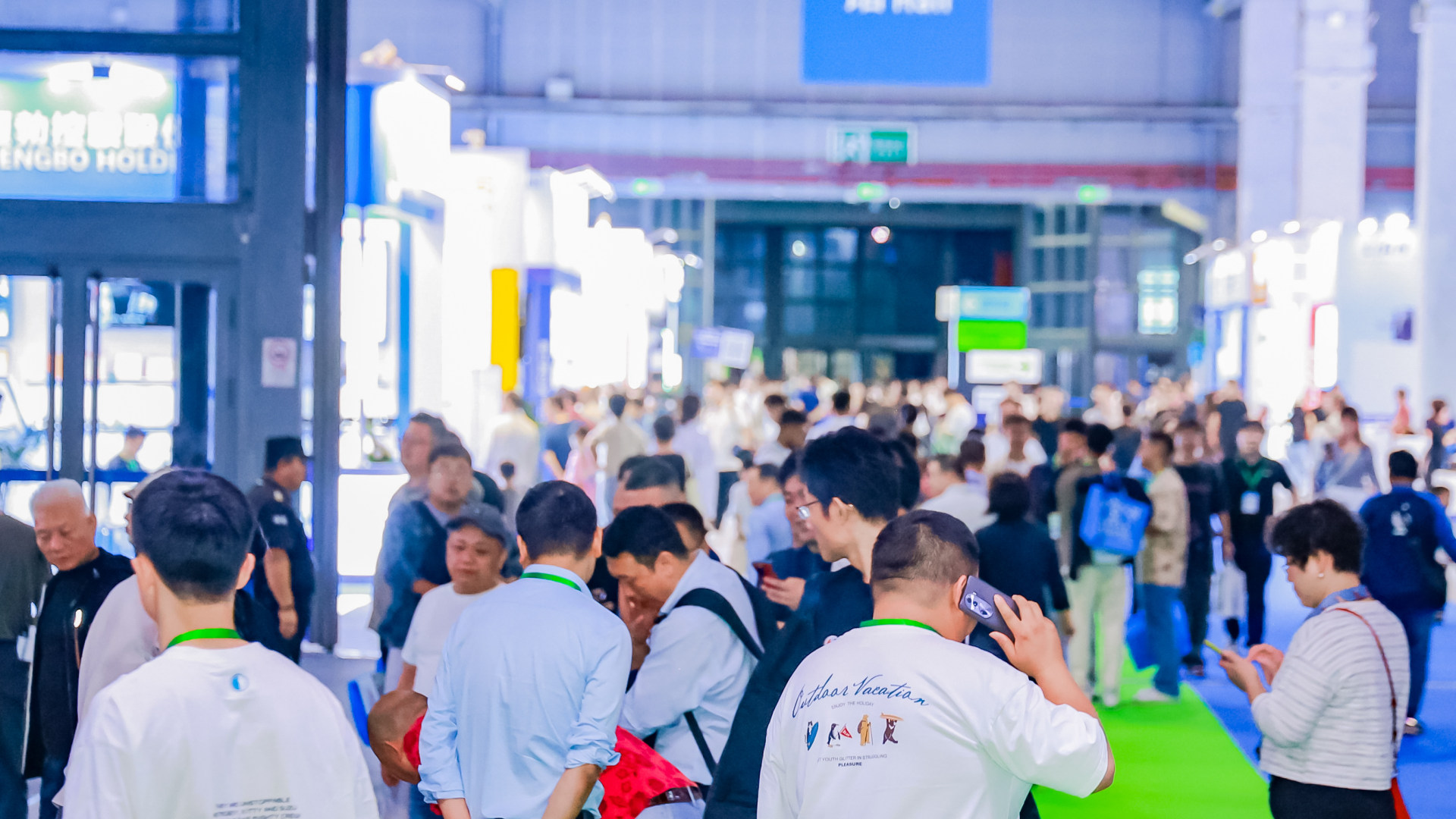

Global procurement managers searching for reliable Chinese auto parts suppliers face a recurring challenge: how to verify manufacturer capability, negotiate factory pricing, and establish direct relationships without layers of intermediaries inflating costs and obscuring accountability. Trade exhibitions in China have emerged as the most efficient solution to this problem, concentrating hundreds of verified manufacturers in a single venue where buyers can inspect products, compare specifications, and initiate business relationships face to face.
Why Face to Face Sourcing Outperforms Online Platforms
Online sourcing platforms offer convenience but create significant verification gaps. Product images can misrepresent actual quality. Response times stretch across days. Price negotiations lack the leverage that comes from standing in front of competing suppliers. At a sourcing expo, these problems disappear within hours.
I have observed procurement teams arrive at exhibitions with specific part numbers and leave the same day with three qualified supplier options, complete with samples and preliminary pricing. This compression of the sourcing cycle from weeks to days represents genuine operational value that no digital platform can replicate.
The physical inspection advantage extends beyond surface quality. Buyers can examine cross-sections of brake pads, test the fit of control arms, and verify the material composition of engine components. When a manufacturer claims their oil filters meet OE specifications, the buyer can hold the filter, examine the media, and compare it directly against competitors displayed ten meters away.
| Sourcing Method | Verification Speed | Price Transparency | Relationship Building |
|---|---|---|---|
| Online platforms | Days to weeks | Limited | Minimal |
| Trade exhibitions | Hours | High | Direct |
| Factory visits | Days per supplier | High | Strong |
| Trading companies | Variable | Obscured | Indirect |
Exhibition sourcing also reveals manufacturing clusters that online searches rarely surface. A buyer searching for brake components online might find individual suppliers. At an exhibition, they discover that Ruian hosts over 4,000 brake parts manufacturers, that Yuhuan dominates chassis components, and that Qinghe produces the majority of China’s automotive filters. This cluster intelligence shapes sourcing strategy in ways that keyword searches cannot.
What Distinguishes APES Auto Parts Expo Shanghai
APES Auto Parts Expo Shanghai operates as a specialized platform connecting Chinese manufacturers with international buyers across more than 100 countries. The exhibition occupies the National Exhibition and Convention Center in Shanghai, providing the infrastructure for large scale product displays and business matching.
The event structure prioritizes sourcing efficiency. Product zones are organized by component category: engine systems, chassis and suspension, brake systems, body and lighting, electrical components, and new energy vehicle parts. This organization allows buyers to complete category specific sourcing in concentrated sessions rather than wandering through mixed displays.
Exhibitor composition reflects China’s manufacturing geography. Manufacturers from Yuhuan bring chassis components including control arms, tie rod ends, and ball joints. Ruian exhibitors display brake pads, brake discs, and ABS sensors. Wenzhou companies present automotive electronics and wiring harnesses. Changzhou manufacturers showcase lighting systems. Qinghe suppliers offer filtration products. This regional clustering means buyers can evaluate multiple suppliers from the same industrial base, comparing quality standards and pricing within a single exhibition hall.
The buyer profile skews toward professional procurement. Attendees include aftermarket distributors, OEM purchasing managers, and trading companies serving regional markets. Southeast Asian buyers represent a significant segment, sourcing components for both replacement markets and local assembly operations. Middle Eastern and African buyers focus on aftermarket parts for aging vehicle fleets. European and North American buyers typically seek OEM quality components for private label programs.
How to Evaluate Suppliers at a Sourcing Exhibition
Effective supplier evaluation at an exhibition requires preparation before arrival and systematic assessment on the floor. The buyers who extract the most value arrive with specific part numbers, target specifications, and clear quality requirements.
Start with certification verification. Ask exhibitors directly about IATF 16949 certification status. This automotive quality management standard indicates a manufacturer has implemented the systems required for consistent production. Not every exhibitor will hold this certification, but those supplying OEM channels typically will. For aftermarket focused suppliers, ISO 9001 provides a baseline quality indicator.
Material verification matters for components where composition affects performance. Brake pads should specify friction material formulation. Control arms should indicate steel grade. Filters should identify media type and efficiency ratings. Suppliers who cannot answer these questions at their booth likely cannot answer them in production.
Production capacity questions reveal whether a manufacturer can scale with your business. Ask about monthly output, lead times for initial orders versus repeat orders, and minimum order quantities. A supplier quoting attractive unit prices but requiring container load minimums may not suit buyers testing new product lines.
If your program involves specific vehicle applications or regional compliance requirements, it is worth confirming fitment data and certification documentation before committing to sample orders. Reach out to exhibition organizers at [email protected] for pre-show exhibitor lists that allow advance planning.
Pricing Realities at Chinese Auto Parts Exhibitions
Exhibition pricing typically falls between factory direct and trading company rates. Manufacturers exhibiting at trade shows have already absorbed marketing costs through booth fees, which creates incentive to close deals on the floor. This dynamic produces pricing flexibility that online inquiries rarely achieve.
The pricing conversation at exhibitions follows predictable patterns. Initial quoted prices assume small trial orders. Volume commitments unlock tier pricing. Payment terms affect final costs. Buyers who arrive with clear volume projections and payment capability secure better rates than those making vague inquiries.
I have seen procurement managers negotiate 15 to 20 percent reductions from initial quotes by demonstrating serious intent: bringing technical drawings, specifying exact quantities, and discussing logistics arrangements. The negotiation leverage at exhibitions comes from visible competition. When a buyer can point to three alternative suppliers within the same hall, pricing discussions become more productive.
Booth type indicates manufacturer scale and investment level. Raw space exhibitors who build custom displays typically represent larger operations with established export experience. Shell scheme booth occupants may include smaller manufacturers or first time exhibitors. Both categories can offer competitive products, but the buyer should calibrate expectations accordingly.
| Booth Type | Typical Exhibitor Profile | Pricing Flexibility |
|---|---|---|
| Raw space custom build | Established exporters | Moderate to high |
| Shell scheme standard | Growing manufacturers | High |
| Pavilion group display | Regional cluster representatives | Variable |
New Energy Vehicle Components at China Sourcing Events
The NEV component sector has expanded rapidly at Chinese auto parts exhibitions, reflecting manufacturing investment in electric vehicle supply chains. Buyers sourcing EV parts find dedicated zones featuring high voltage wiring harnesses, charging connectors, battery structural components, thermal management systems, and electric motor assemblies.
Zhejiang province manufacturers have moved aggressively into NEV components, leveraging existing automotive supply chain infrastructure. Companies previously producing conventional wiring harnesses now manufacture high voltage systems rated for 800V architectures. Thermal management component suppliers have developed cooling plates and battery pack enclosures for domestic EV programs.
The qualification requirements for NEV components differ from conventional parts. Voltage ratings, insulation specifications, and thermal performance parameters require documentation that traditional aftermarket suppliers may not possess. Buyers should verify whether exhibitors have supplied domestic EV manufacturers, as this indicates production capability for the technical requirements involved.
For procurement teams evaluating NEV component suppliers, exhibition attendance allows direct comparison of manufacturing approaches. Some suppliers focus on cost competitive solutions for entry level EVs. Others target premium applications requiring higher performance specifications. Understanding this positioning prevents mismatched supplier selection.
Commercial Vehicle Parts Sourcing Opportunities
Commercial vehicle components represent a distinct sourcing category at Chinese auto parts exhibitions. The buyer profile differs from passenger vehicle parts: fleet operators, heavy truck distributors, and bus manufacturers seek components for vehicles with different duty cycles and replacement patterns.
Shiyan in Hubei province anchors China’s commercial vehicle parts manufacturing, with suppliers producing Cummins compatible engine components, heavy duty brake systems, and drivetrain parts. These manufacturers exhibit at Shanghai events, bringing products designed for trucks operating across emerging markets where Chinese commercial vehicles have gained significant market share.
The commercial vehicle sourcing opportunity extends beyond replacement parts. Chinese manufacturers produce complete systems for bus and truck assembly, including suspension assemblies, steering systems, and electrical architectures. Buyers from markets with local assembly operations can source components for domestic production rather than importing finished vehicles.
Practical Exhibition Attendance Planning
Attending a Chinese auto parts exhibition requires logistical preparation beyond booking flights and hotels. Visa requirements, exhibition registration, and on site navigation all affect sourcing productivity.
Business visa applications for trade show attendance typically require invitation letters from exhibition organizers. APES provides these documents to registered buyers, simplifying the visa process. Application timing matters: submit visa applications at least four weeks before travel dates to accommodate processing times.
Exhibition registration should occur before arrival. Pre-registered buyers receive badges that expedite entry and often gain access to buyer services including meeting rooms, translation assistance, and exhibitor directories. Walk-in registration is possible but consumes time better spent on the exhibition floor.
On site efficiency depends on advance planning. Review exhibitor lists before arrival. Identify priority suppliers by product category. Map booth locations to minimize walking time between appointments. The exhibitions are large: the National Exhibition and Convention Center spans multiple halls, and unplanned wandering wastes hours that could be spent in productive supplier meetings.
For buyers planning attendance at APES 2026, registration opens through the official website. Contact +021-60280788 or [email protected] to confirm dates and request exhibitor category information relevant to your sourcing requirements.
Common Questions About Auto Parts Sourcing in China
What certifications should I verify when evaluating Chinese auto parts suppliers?
IATF 16949 certification indicates automotive quality management system compliance and is standard for OEM suppliers. ISO 9001 provides baseline quality assurance for aftermarket focused manufacturers. For specific applications, verify product certifications relevant to your market: ECE markings for European distribution, DOT compliance for North American sales, or GCC certification for Gulf region exports. Request certification copies at the booth and verify validity through issuing body databases before placing orders. If your target market has specific regulatory requirements, confirm documentation availability during initial supplier discussions.
How do exhibition prices compare to online sourcing platform quotes?
Exhibition prices typically run 10 to 25 percent below trading company rates and comparable to or slightly above direct factory quotes for equivalent volumes. The difference reflects eliminated intermediary margins and competitive pressure from adjacent exhibitors. Online platform prices often include trading company markups or represent small quantity pricing that drops significantly at container volumes. Exhibition negotiations start closer to actual production costs because manufacturers have already invested in attendance and seek to maximize return through closed deals.
Can I source OEM quality parts at aftermarket focused exhibitions?
Yes, but supplier selection requires careful verification. Many Chinese manufacturers operate dual production lines: OEM supply for domestic vehicle brands and aftermarket production for export markets. The key is identifying suppliers with OEM credentials and confirming whether aftermarket products meet equivalent specifications. Ask directly about OEM customer relationships, request quality documentation, and examine samples against OE benchmarks. Some exhibitors display OEM and aftermarket products separately, making capability assessment straightforward.
What is the difference between raw space and shell scheme booth options?
Raw space booths provide empty floor area where exhibitors construct custom displays, typically indicating larger companies with established exhibition experience and marketing budgets. Shell scheme booths include prefabricated walls, lighting, and basic furniture, offering cost effective participation for smaller manufacturers or first time exhibitors. Product quality does not correlate directly with booth type: excellent suppliers exhibit in both formats. However, raw space exhibitors generally have more extensive export experience and established logistics capabilities.
How should I prepare for supplier negotiations at a Chinese trade show?
Arrive with specific part numbers, target quantities, quality specifications, and preliminary logistics requirements. Bring technical drawings if applicable. Know your target pricing based on current supplier costs or market research. Prepare questions about production capacity, lead times, payment terms, and certification status. Carry business cards in quantity. Schedule priority supplier meetings in advance when possible. The most productive negotiations occur when buyers demonstrate serious purchasing intent through preparation rather than casual browsing. Share your requirements and timeline with suppliers at [email protected] before the event to arrange focused meetings.
If you’re interested, check out these related articles:
Tomorrow World: Innovation Achievement Exhibition and Industry Future Forum
APES 2026 to Redefine Global Sourcing Landscape as Automotive Industry Eyes Resilient Future