

Corn ethanol greenhouse gas assessments usually go wrong before the first process calculation. The error is boundary choice. If the line is drawn around only the fermenter and distillation columns, process emissions get counted while the displacement value of DDGS, food grade CO2, and biogas is ignored. If the line is drawn too wide, crop assumptions that cannot be verified at project level enter the model. A practical carbon model separates crop supply, plant conversion, and co-product displacement, then integrates the parts that respond to engineering decisions. That is where the largest credible carbon reductions sit.
Corn ethanol greenhouse gas accounting depends on the system boundary
Three boundaries matter in a corn ethanol greenhouse gas model. The first is crop production, which includes fertilizer, diesel, drying, and land use. The second is plant conversion, from corn receiving through milling, liquefaction, fermentation, distillation, dehydration, and stillage handling. The third is co-product displacement, which credits DDGS, recovered CO2, and biogas against the products they replace outside the plant gate.
Most published disagreements come from moving these boundaries. A plant-level study may treat crop carbon as a fixed input and leave DDGS out of the scope because it is not a fuel. A full life cycle study may allocate emissions between ethanol and distillers grains using mass, energy, or market value methods, and each method changes the result. In integrated grain processing projects I have scoped, the carbon story changes most when the boundary includes the full corn-food-energy-feed loop rather than a single conversion step.
AGRIFAM’s alcohol production solution combines fermentation, distillation, and dehydration with energy cascade utilization, biogas comprehensive utilization, and wastewater treatment in one green circular production system. When the boundary includes wastewater treatment and biogas recovery, natural gas purchases drop and the plant carbon balance improves. The accounting rule must match the project scope. For an investor comparing two ethanol facilities, the same boundary must be used for both. For an operator trying to reduce emissions after commissioning, the boundary should be drawn at the fence line so engineering changes can be measured.
Fermentation and distillation set the corn ethanol carbon baseline
Inside the plant, two unit operations dominate the carbon baseline. Fermentation converts starch to ethanol and releases a high purity CO2 stream. Distillation and dehydration concentrate that ethanol, and they demand most of the process heat. The steam source, the stillage handling route, and the dehydration technology matter more than minor changes in corn starch content.
Fermentation CO2 is not the same as stack emission
Fermentation CO2 is biogenic carbon that was fixed by the corn during the growing season. That does not make it irrelevant, but it should be reported separately from fossil fuel combustion emissions. If the gas is vented, it returns carbon to the atmosphere immediately. If it is captured, compressed, and sold as food grade liquid CO2, the same stream becomes a product that displaces CO2 produced from fossil sources.
Stillage handling determines co-product credits
Thin stillage and wet distillers grains are the largest non-fuel output from a corn ethanol plant. Drying them into DDGS consumes energy, but the resulting protein feed displaces corn and soybean meal in livestock rations. The carbon model must show both sides of that transaction: the dryer energy cost and the feed displacement credit.
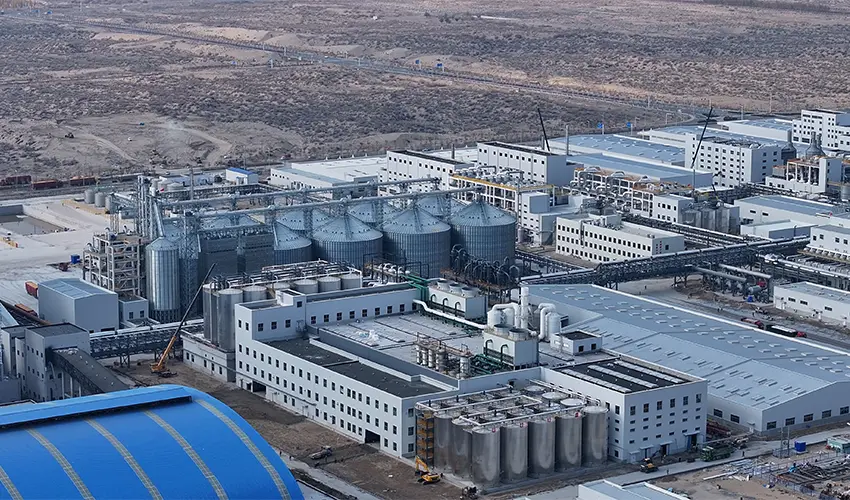
Modern fuel ethanol plants run multi-column distillation with molecular sieve dehydration to reduce steam demand. In my experience, the decision that locks in the carbon baseline is made long before the dryer is selected: it is the choice of who supplies the steam and whether the distillers grains are sold wet or dry. A plant designed around wet cake delivery to a nearby feedlot behaves very differently from one built to export dried DDGS.
Byproduct recovery shifts corn ethanol greenhouse gas outcomes
Byproduct recovery changes a corn ethanol plant from a single product facility into a small industrial ecosystem. The three most valuable recovery paths are dry distillers grains, food grade CO2, and biogas from wastewater.
DDGS protein feed carries a displacement credit because it replaces crop area that would otherwise be planted for animal feed. The credit depends on local feed markets and moisture content, not on the ethanol plant alone.
Food grade liquid CO2 recovery is the clearest case. Fermentation produces a concentrated CO2 stream that requires less purification than many industrial sources. Capturing it avoids venting and supplies a market that would otherwise use fossil derived CO2.
Biogas utilization connects wastewater treatment to the plant energy system. Anaerobic digestion converts soluble organics in stillage water into methane, which can be burned in a boiler to offset natural gas. This is where circular economy language becomes a measurable carbon lever.
| Carbon stream | Narrow plant boundary treatment | Integrated boundary treatment |
| Fermentation CO2 | Vented emission | Captured product with displacement credit |
| Distillers grains | Drying cost only | Protein feed displacing crop production |
| Wastewater biogas | Treatment cost | Boiler fuel offsetting natural gas |
| Stillage water | Discharge or evaporation | Recycle and anaerobic digestion |
| Process heat | Purchased steam | Heat recovery and biogas substitution |
If your project involves high protein DDGS or food grade CO2 markets, confirm how the technology provider allocates displacement credits before finalizing the carbon model. Send your process flow to [email protected] and ask for a boundary review.
Energy integration cuts more carbon than crop change alone
Corn genetics and agronomy improve slowly. A new corn hybrid may shift ethanol yield per acre by a small amount over several growing seasons. Process energy integration changes the plant carbon balance within one major turnaround.
Heat recovery is the fastest lever. Distillation columns reject energy that can be reused for mash heating, stillage evaporation, or corn drying. Steam system design is the second lever. Matching boiler pressure and condensate return to the actual load avoids over-generation. Biogas substitution is the third lever because it replaces fossil natural gas with methane generated from the plant’s own wastewater.
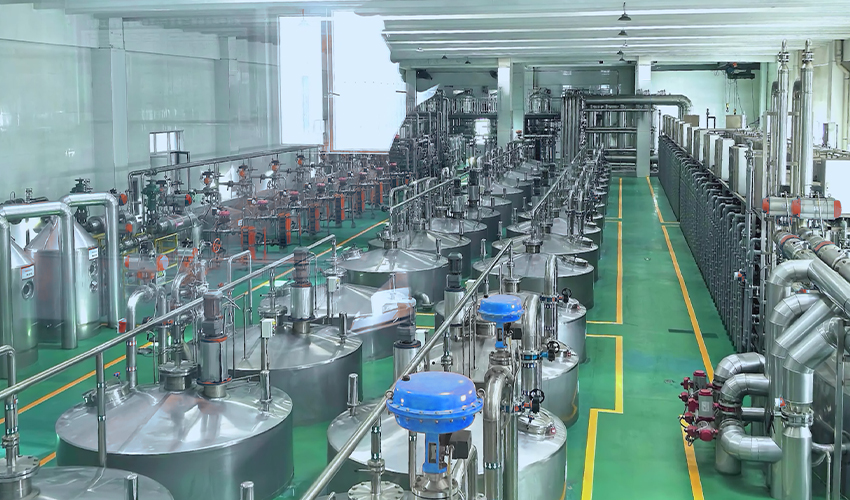
AGRIFAM’s corn starch wet-process line sets a 25% energy consumption reduction target through intelligent digital control and closed-loop process water recycling. The same integration principle applies to fuel ethanol design because the unit operations share the same thermal logic: milling, separation, evaporation, and drying. When plant energy demand drops, the carbon baseline drops without waiting for the corn field to change.
This is why I treat the plant boundary as the fastest point of greenhouse gas control in a corn ethanol investment. A new plant that vents fermentation CO2, flares biogas, and buys all its steam can show a worse carbon balance than an older plant that recovers heat and sells co-products. The differentiator is integration, not age.
Corn ethanol greenhouse gas reduction requires an integrated project boundary
A credible carbon reduction plan for a corn ethanol project is not a spreadsheet that adds up carbon inputs and outputs. It is a project specification that forces the technology provider to show how energy, water, and co-product flows interact.
What to ask before approving an LCA boundary
Where does the steam come from and what is the condensate return rate? Which co-products are captured as products, and which markets are assumed for displacement? How is wastewater treated, and is biogas recovered or flared?
If the answers describe only the ethanol island, the carbon model will be incomplete. If the answers include crop storage, milling, energy recovery, byproduct processing, and wastewater in one boundary, the model can be audited.
For a project moving from feasibility to specification, send your target capacity, corn specification, and co-product market assumptions to [email protected] or call 010-8591 2286. Ask for a process-level carbon boundary review that covers steam, stillage, CO2, and biogas in one pass. That review shows which greenhouse gas levers are real for your site.
Common questions arise when teams review corn ethanol greenhouse gas models
Does corn ethanol actually reduce greenhouse gas emissions compared with gasoline?
Yes, for a well-integrated plant the reduction is real, but the size depends on the boundary. The plant phase replaces fossil inputs when biogas substitutes natural gas, when waste heat replaces purchased steam, and when DDGS displaces feed crop production. If the crop phase is added with high fertilizer assumptions and no co-product credits, the advantage narrows. The defensible statement is not that corn ethanol is always better; it is that a plant with energy recovery, CO2 capture, and DDGS displacement consistently shows a lower carbon intensity than gasoline when the same system boundary is applied.
Why do published corn ethanol LCA results differ so widely?
A common assumption is that one study must be right and the others wrong. In practice, the results differ because the studies assign different boundaries, allocation methods, and crop models to the same process. Mass allocation, energy allocation, and market value allocation distribute emissions differently between ethanol and distillers grains. Some studies include land use change; others leave it out. The useful response is not to pick the most favorable number. It is to ask which boundary fits the actual project and whether the allocation method matches the product markets the plant can reach.
How should fermentation CO2 be treated in a carbon model?
It depends on whether the CO2 is captured and sold. If the plant vents fermentation gas, the carbon returns to the atmosphere and the model should show it as a biogenic emission with no displacement credit. If the plant captures, purifies, and compresses the CO2 for food grade or industrial markets, the model should treat it as a co-product that replaces fossil derived CO2. The same principle applies to any stream: a byproduct that enters a market creates a displacement credit. A byproduct that is treated as waste does not.
What should a new project specify first: feedstock carbon or plant energy?
In integrated grain processing projects I have scoped, plant energy usually offers the faster and more controllable carbon reduction. Feedstock carbon depends on soil, fertilizer, rainfall, and transport distance, which the ethanol plant operator can influence but not fully control. Plant energy depends on steam system design, heat recovery, and biogas use, which the project team can specify before construction. I would set the plant boundary first, then add a crop model that reflects the actual corn supply region. If your project includes specific moisture or protein targets, send your corn specification and target capacity to [email protected] and we will confirm which carbon levers apply.
If you’re interested, check out these related articles:
Driving Global Food Conservation Through Technological Innovation