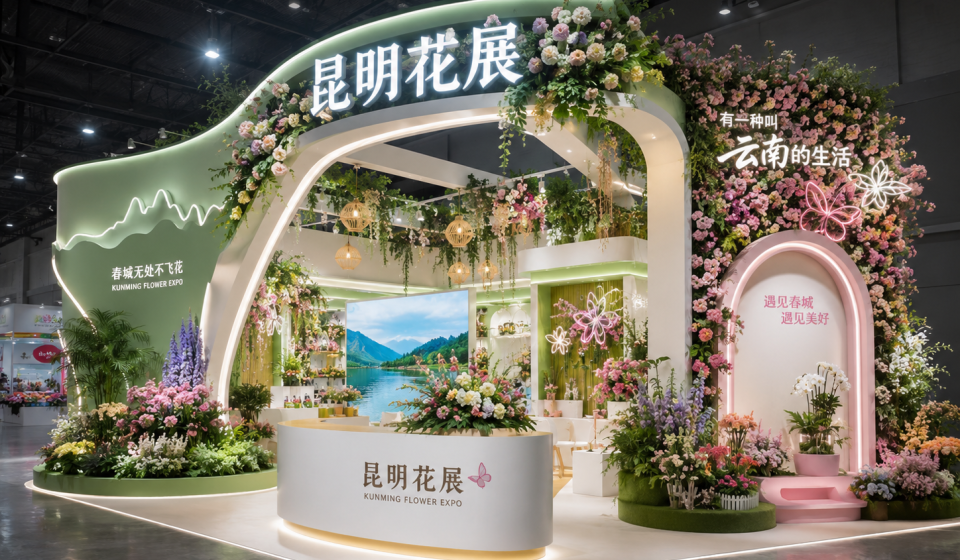

IFEX 2026 Buyer Highlights matter most for buyers who treat the show as a working sourcing trip rather than a catalog collection exercise. Kunming International Flowers and Plants Expo will gather more than 30,000 distributors, wholesalers, retailers, and e-commerce players across 50,000 square meters, and the value sits in live variety evaluation, forum discussions, and direct supplier qualification. New products and staged events only matter when they feed a specific sourcing decision. This article outlines the product focuses, forum sessions, and on-site activities that can move a flower program forward.
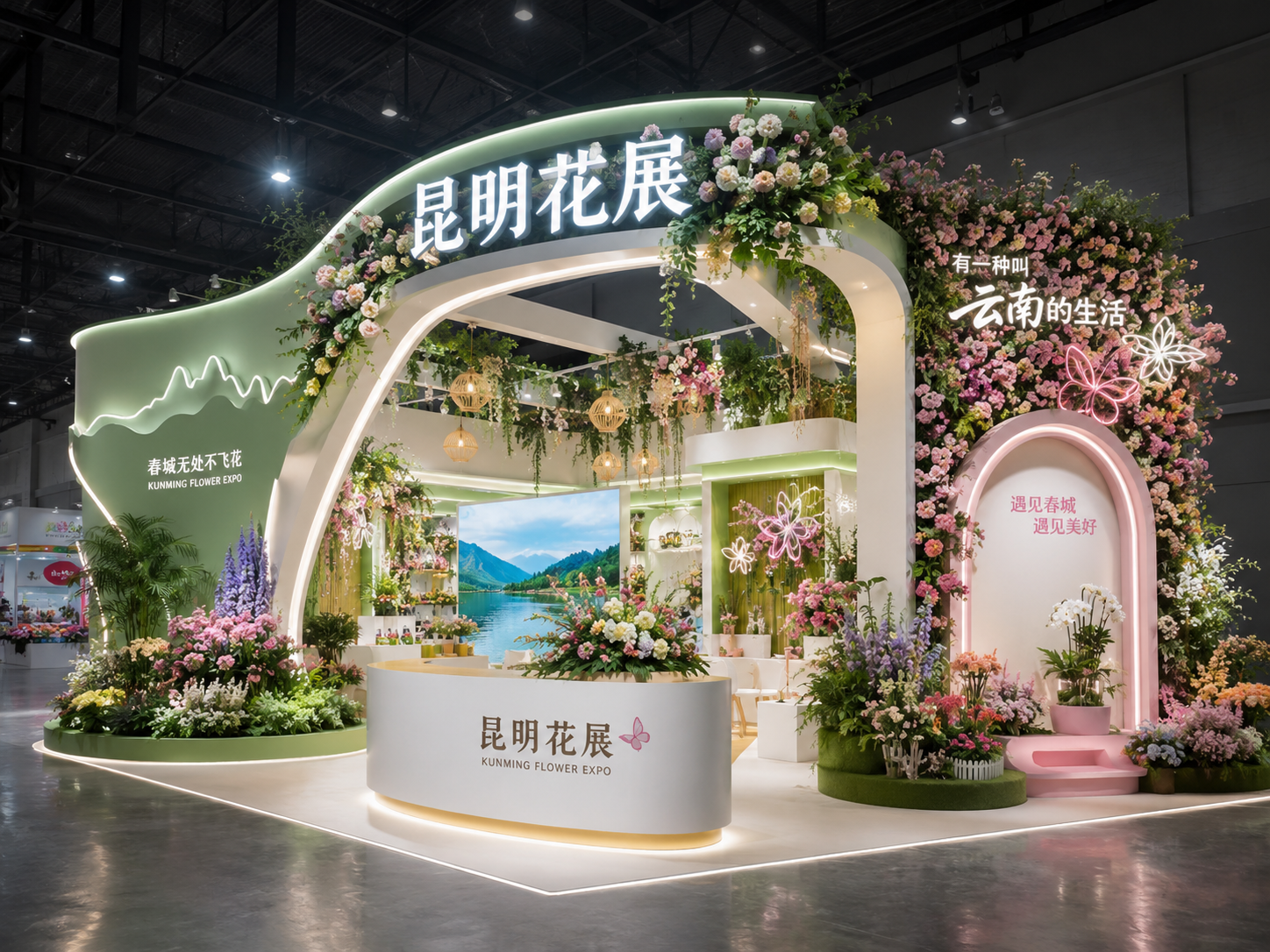
New Product Focuses at IFEX 2026
New product launches at this edition will span the whole chain, from cut flower varieties and potted plants to processed flowers, breeding material, packaging, and cold chain inputs. The buying risk is treating each launch as an equivalent opportunity. In previous editions I watched serious importers spend the first round on line reviews rather than novelty. They compared opening stage, stem caliper, vase behavior, and packing density before asking about price. That sequence separates a commercial trial order from a sample box that ends in storage.
| Product focus | What to check at IFEX 2026 |
|---|---|
| Cut roses and spray roses | Stem length, opening stage, vase life under export protocol |
| Potted orchids and tropicals | Root health, pot size, pack density for long-haul freight |
| Dried and preserved lines | Color stability, moisture content, rehydration instructions |
| Seeds, bulbs, seedlings | Germination records, phytosanitary readiness, varietal rights |
| Packaging and cold chain inputs | Grade tolerances, pre-cooling compatibility, shipment fit |
Cut flower buyers should pay particular attention to Yunnan rose and carnation lines, where variety turnover has been faster than most import markets expect. Lily programs are worth checking against bulb origin and forcing schedule, because the same variety can present differently across growers. Potted plant buyers should separate orchids, succulents, and tropicals by freight class rather than by visual trend. A shelf-stable orchid line and a humidity-sensitive tropical cannot sit in the same order without different packing logic.
Forum Sessions for IFEX 2026 Sourcing Decisions
Forum programming this year is most useful when buyers select sessions by decision type, not by topic title. Global floriculture trend panels are useful for demand planning, but the sessions that change a sourcing program are usually the operational ones: cold chain management, phytosanitary readiness, sustainable cultivation standards, and cross-border payment structures. I have seen importers leave a trend keynote with a list of colors and miss the session that would have prevented a freight rejection.
Buyers should line up sessions around the part of the supply chain they cannot inspect at a stand. Growers tend to attend breeding and production sessions; retailers and e-commerce operators get more from packaging, shelf life, and consumer trend discussions. The forum halls also create a better place to meet counterparties than the aisle, because the shared topic gives the conversation a starting point and a reason to move from pleasantries to terms.
If your sourcing program crosses more than one temperature class or depends on long-haul air freight, confirm cold chain handoff points and shipment timing before you leave the show. Send your route, volume, and destination to [email protected] and the show team can align you with the right logistics and supplier contacts.
IFEX 2026 On-Site Events That Support Supplier Verification
On-site events this year should serve one purpose: moving a supplier from brochure credible to order ready. Matchmaking sessions help, but only if the buyer enters with a defined brief. The most useful events I have attended were not the largest ones. They were the smaller variety trial walks and packhouse walkthroughs, where a grower could explain why a variety tolerates long-haul conditions or why a grading line sorts to a specific market.
Buyers can also use live demonstration areas to check handling behavior. A flower that looks strong during a 30-second aisle conversation may not survive the handover from packhouse to cold chain. When a supplier demonstrates pre-cooling, bunching, or box loading, watch whether the process matches the spec sheet. Photograph the box markings and label positions. These details become the most practical reference material after the show.
Kunming Supply Chain Foundations for Buyers
Kunming’s position as China’s largest cut flower production and distribution center gives IFEX 2026 a structural advantage for sourcing work. The growing regions around Kunming, Yuxi, Tonghai, and beyond feed into a dense network of packhouses, logistics providers, and export service firms. Buyers who visit the show can move from a stand sample to a grower conversation to a packhouse discussion within the same day, which is far harder at an exhibition detached from production.
Dounan Flower Market sits as the commercial counterpart to the show floor. It is worth scheduling a morning there after the exhibition, not before, because the show gives buyers the technical language to read the market properly. A color mix at Dounan is easier to evaluate after you have compared the same varieties in the exhibition hall. The combination gives buyers a more accurate read on volume availability and pricing structure than either venue alone.
Sourcing Shortlist Actions for IFEX 2026
The main failure mode at a 50,000 square meter show is leaving with a full bag of catalogs and no ranked supplier list. A highlight is only a sourcing lead if it has a next step attached. Before leaving the exhibition, each buyer should list suppliers by priority, note the open conditions on price and lead time, and assign one follow-up action with a clear deadline. That turns a busy week in Kunming into a pipeline.
If that shortlist work is still taking shape, send your product categories, approximate volume, and target markets to [email protected] or call +86 10 5933 9349. The show team will match you with exhibitors and schedule on-site conversations that fit your buying program.
Common Questions About IFEX 2026 Buyer Planning
How should a first-time international buyer structure a two-day visit?
Use the first day for line reviews and the second day for negotiations. On day one, walk the full hall once and rank suppliers by product fit, not by stand size. Schedule short meetings for the next morning with the top options, then leave the afternoon open for repeat visits and sample comparisons. Book forum sessions only when they solve a specific open question, such as cold chain documentation or import requirements. A two-day visit is not enough for broad discovery, so write the shortlist before the plane lands.
Which forums are most relevant for importers rather than growers?
Many buyers assume all forum content targets production managers. The importer-focused sessions are different. They concentrate on market access, phytosanitary certificates, freight class selection, packaging standards, and payment terms. Production genetics sessions may tell you what will bloom; importer sessions tell you what will clear customs. If you have only one full forum day, prioritize the sessions that include customs brokers, freight forwarders, or retail buyers as speakers. Those panels tend to surface the commercial bottlenecks that decide whether a trial order becomes a repeat order.
Can I confirm supplier export credentials during the show?
It depends on the credential. You can check a supplier’s business license, export registration, and product range at the stand, and you can ask for phytosanitary history on the lines you plan to source. However, official certificates and audit reports are usually confirmed after the show through document review. The practical on-site check is exporter behavior: do they speak in specific terms about packing, inspection, and complaint handling, or do they fall back on general promises? Specific answers during a live meeting predict fewer surprises after the order.
What is the most common follow-up mistake after the show?
In the export inquiries I have reviewed, the biggest mistake is waiting two weeks and then sending a generic message that says it was nice to meet. By then the supplier has forgotten the exact conversation. Stronger buyers summarize the agreed points, list the open questions, and propose a next step within three business days. If the show meeting ended with samples, confirm the shipment number and the testing window. If you want structured follow-up support, share your meeting list and order targets with the show team at [email protected].