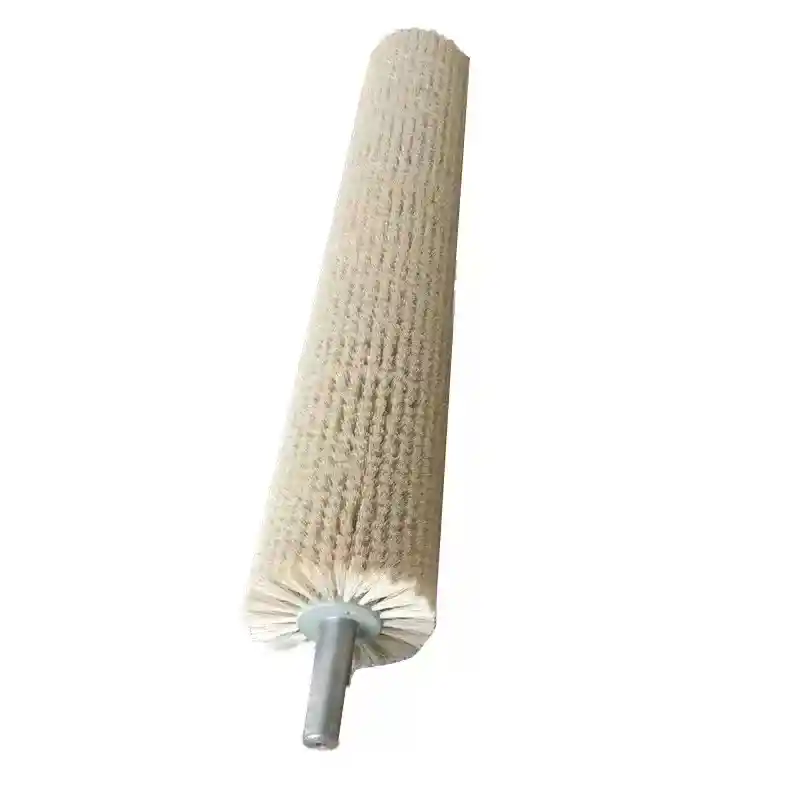

CPAP tube cleaning brush performance is decided by filament softness, core reach, and tube diameter before cleaning frequency or detergent choice. A flexible nylon bristle brush can remove biofilm from a breathing hose without scratching the inner wall, but only when the fill diameter matches the hose and the core does not press against bends under force. In our brush production work at Huixi Brush, most returns trace back to a mismatch: a brush that is too stiff for a slimline hose, a core that kinks at the cuff, or filaments that shed after repeated disinfection. The right brush is a specification problem, not a matter of buying the most aggressive bristle available.
CPAP Tube Cleaning Brush Selection Starts With Tube Diameter and Bristle Reach
CPAP hoses are not identical. Standard hoses, slimline hoses, and heated hoses all have different inner diameters and wall structures. The brush fill diameter has to be slightly larger than the hose inner diameter so bristle tips reach the corrugated valleys, but not so large that the brush locks in the tube or folds the bristles backward on the return stroke. For the common 15 mm slimline hose, a fill diameter closer to 17 mm usually cleans without excessive drag. For a standard 19 mm hose, the brush needs more fill. I ask buyers to confirm hose inside diameter first, because the same brush cannot perform equally across two hose sizes.
| Specification | What to Confirm | Why It Matters |
|---|---|---|
| Hose inner diameter | 15 mm slimline, 19 mm standard, or custom narrow bore | Sets correct brush fill diameter |
| Bristle material | Nylon 6/6 or nylon 6/12 filament | Controls softness, water absorption, and chemical resistance |
| Core construction | Loop end, fused tip, or coated cable | Prevents exposed wire from scratching the hose wall |
| Overall length | Full hose length plus hand grip | Allows one-pass cleaning through cuffs |
| Bristle fill diameter | Slightly larger than hose inside diameter | Keeps contact pressure without jamming |
In production, we trim brush fill in small increments rather than jumping from one nominal size to another. A change of 1 to 2 mm in fill diameter can move a brush from easy travel to high drag, especially on corrugated hose where the bristles catch on the inner ribs. Buyers evaluating samples should pull the brush through a dry, humid, and wet hose section before approving the spec.
Flexible Nylon Bristles Control Cleaning Depth and Scratch Risk Better Than Wire
A CPAP tube cleaning brush should use nylon rather than wire. Wire bristles, even fine stainless steel, concentrate contact pressure at the filament tip and can score silicone or polyurethane walls. Nylon filaments bend under load, which means the brush follows the hose profile and cleans the valleys between corrugations. The tradeoff is that nylon is less aggressive on hard mineral deposits, but that is usually the correct tradeoff for a device that needs repeated cleaning without wall damage.
The filament diameter changes what the brush can remove. Coarse nylon filaments scrub more but can skid over a thin biofilm layer. Fine filaments penetrate the corner where the corrugation meets the tube wall. I prefer a mixed approach for custom CPAP brushes: a fine nylon trim around the perimeter with a slightly stiffer center tuft to remove loose deposits while the outer tips protect the wall.
Nylon filament selection is a larger cost and quality driver than many buyers expect. <advantage of hx cylindrical nylon brushes> covers how filament diameter, crimp, and density change cleaning pressure, chemical resistance, and brush life in rotary applications, and the same filament rules apply to a hand drawn CPAP tube cleaning brush.
Rounded filament tips are the second control point. Unprocessed cut ends feel sharp under magnification and can leave micro scratches on clear tube walls. We specify tip rounding for brushes used on optical or clear tubing. For CPAP hoses it makes the difference between a brush that cleans and a brush that leaves a dull inner surface after a month.
If your program involves silicone, heated, or oxygen-compatible hoses, confirm filament type and tip treatment before finalizing your order. Send your hose drawing or inside diameter to [email protected].
Threaded and Loop Brush Cores Decide Whether a Brush Survives Wet Cleaning
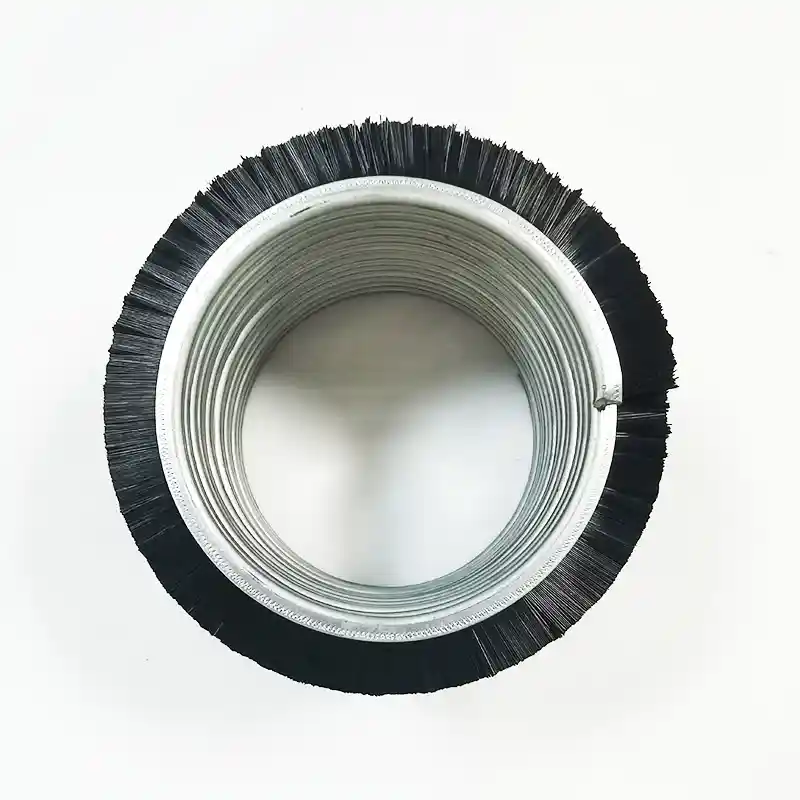
The core of a CPAP tube cleaning brush matters as much as the bristle fill. In a manual brush, the core runs through the hose and has to recover its shape after every bend. Twisted wire cores hold bristles securely, but if the wire is exposed near the brush head, the metal can contact the hose wall at the cuff. We use a loop or fused end and a coated cable section behind the brush head to keep the metal away from the tube. If the hose has a tight bend, a cable core with slower springback often travels better than a stiff twisted stem.
Wet cleaning exposes the core to repeated soap and water cycles. A plain steel core will rust, and rust transfers to the tube interior. Stainless steel or coated cores avoid that. For brushes intended for clinics or home users who may soak the brush, I specify a corrosion resistant core and a rinse drain loop so water does not sit in the handle junction.
Replacement Intervals and Storage Habits Do More for Hygiene Than Brush Hardness
A brush that is too soft will still work if the replacement cycle is short. A brush that is too stiff will still fail even if the user scrubs aggressively. Replacement timing therefore changes how forgiving the specification can be. Home users who clean the hose weekly should replace the brush when bristles flatten, when the core kinks permanently, or when debris no longer rinses out of the trim. Clinical and DME programs usually set replacement intervals by usage count rather than calendar time.
Storage after cleaning is the other variable. A wet brush stored in a closed bag creates the same contamination risk the cleaning step was meant to remove. Hanging the brush by its loop lets the bristle trim dry between uses. We recommend that the product card or label show this clearly, because the best brush specification cannot compensate for poor drying habits.
Matching a CPAP Tube Cleaning Brush to Your Cleaning and Supply Program
Many source issues start with an imported brush that matches a stock image but not a specific hose drawing. We see this often enough that our sample process begins with inside diameter, hose material, and cleaning method rather than a catalog number. Nylon filament, core coating, bristle trim, and loop treatment can all be adjusted for OEM, private label, or clinical supply programs. If you are replacing a brush that kinks, sheds, or leaves residue in the hose, send your hose inside diameter, target replacement interval, and any detergent compatibility notes to [email protected] or call +86 1580 0932 713. We will confirm the right fill diameter and filament spec before you commit to a run.
Common Questions About CPAP Tube Cleaning Brushes
Is a wire brush better for heavy buildup in a CPAP hose?
Users sometimes think aggressive wire bristles solve heavy buildup. The more likely problem is infrequent cleaning or poor drying, not insufficient brush hardness. Nylon bristles with the correct fill diameter remove biofilm from the corrugated wall without scratching silicone or polyurethane. If mineral deposits are hard enough to resist nylon, the hose may already be damaged or the water source should be checked before a harder brush is considered. A wire brush removes deposit but can leave micro scratches that hold biofilm afterward.
Why does my CPAP tube brush get stuck in the hose?
Sticking is almost always caused by an oversized fill diameter or a stiff core, not by the hose itself. When the brush fill is too large for a slimline hose, the bristles fold backward and wedge in the corrugations. A core that lacks flexibility snaps into a curve and resists withdrawal. Check the hose inside diameter and reduce fill diameter by 1 to 2 mm on the next sample. A loop or cable core with a coated tip usually travels through bends more smoothly.
How often should a reusable CPAP tube cleaning brush be replaced?
In our brush programs, replacement is usually set by usage count rather than calendar time. Home users cleaning a CPAP hose weekly often replace the brush every three to six months when bristles stay flattened or the core no longer returns to straight. Clinical settings with higher usage counts should retire brushes sooner because a worn brush looks usable but leaves contamination behind. The practical test is simple: if debris no longer rinses out of the trim after washing, replacement is overdue.
Can a CPAP tube cleaning brush be used with heated hoses?
It depends on the hose design, but most heated hoses can be cleaned internally with a soft nylon brush. The risk is not the cleaning action itself but an exposed metal core tip that can scratch the hose or catch the internal wire channel. Specify a fused or loop end and a coated cable section, and do not submerge electrical connectors unless the hose manufacturer permits it. If your heated hose has an unusual inside diameter or contact position, send the drawing to [email protected] and we will confirm whether the brush needs a shorter trim or modified core clearance.
If you’re interested, check out these related articles:
brass brushes work perfectly for pipe cleaning
abrasive wheel brush a magical tool for industrial surface treatment
the differences between knotted wire wheel brush and crimped wire wheel brush
advantage of hx cylindrical nylon brushes