
An hour-by-hour sourcing schedule for IFEX Kunming changes a large trade floor from an overwhelming walkthrough into a sequence of qualified decisions. I have built these schedules for international buyers across more than fifteen years of exhibition planning and floriculture trade work, and the pattern is consistent: buyers who lock objectives, follow hall geography, and protect time for contract checks return home with workable supplier lists. The schedule below puts the highest-value conversations in the morning, shifts to production and logistics questions by midday, and closes with a next-day plan you can act on.
Set Your Pre-Show IFEX Sourcing Schedule Before You Land
The best schedule is built before you reach the exhibition hall. IFEX Kunming covers 50,000 square meters and is expected to draw more than 30,000 distributors, wholesalers, traders, and floral e-commerce buyers. Without a written plan, the scale works against you. With a plan, the same scale becomes a filtering advantage.
Start with three columns on a single sheet: product category, target varieties, and current order gaps. If you import roses and carnations, list color codes, stem length, pack size, and weekly volume. If you are testing potted orchids or tropicals, note pot diameter, shelf life, and quarantine requirements. Then pull the exhibitor list and separate companies into two groups: suppliers you must visit and suppliers you will visit only if time allows. Mark the booth numbers. This is not office busywork. I have watched buyers skip this step and waste the first hour walking toward booths they could have found in five minutes.
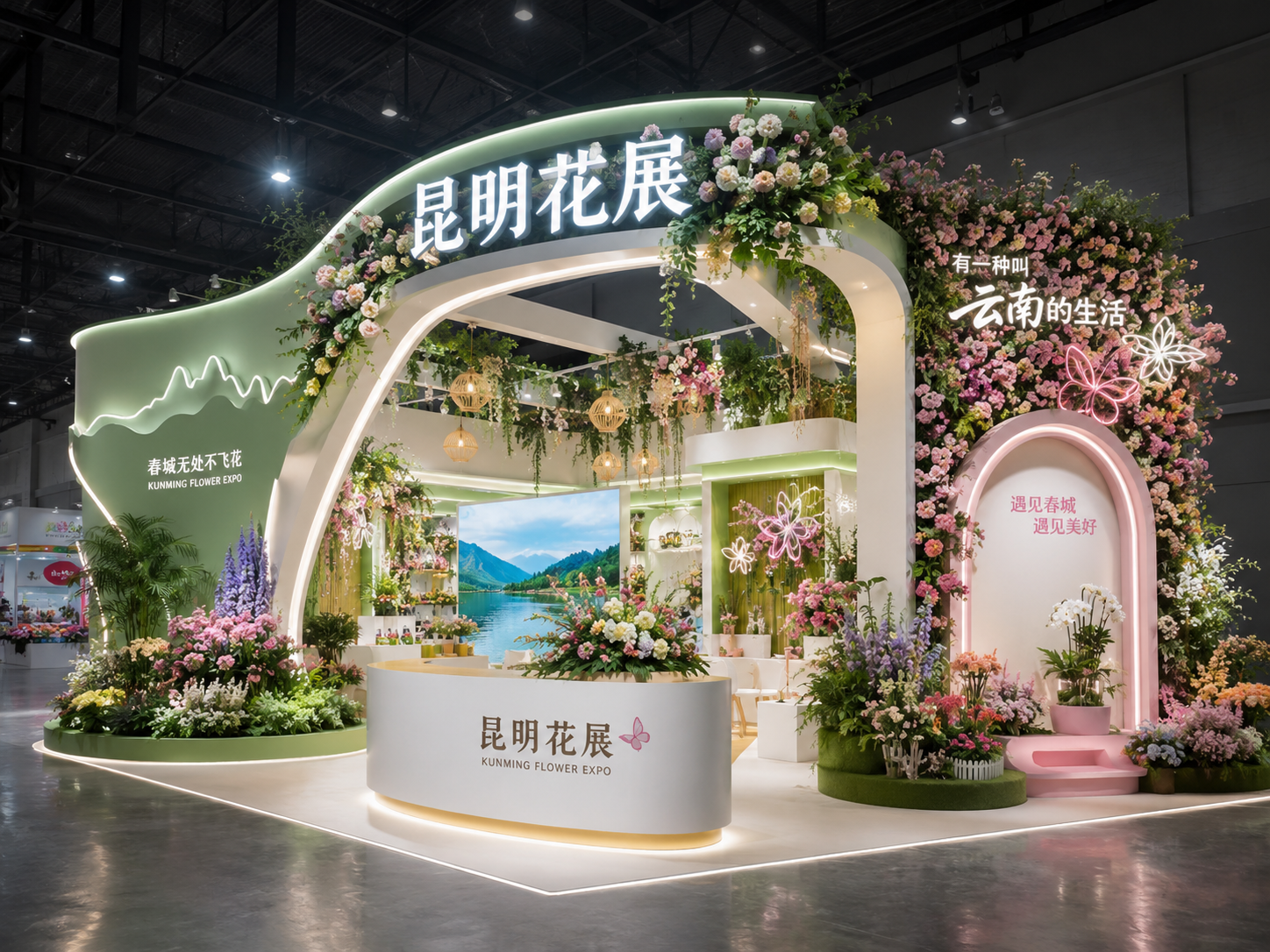
Kunming is China’s largest cut flower production and distribution center, so the best value at IFEX is face-to-face time with Yunnan growers who rarely appear in your existing supplier files. Put them on the schedule early, not as an afterthought.
Start the Morning with Priority Cut Flower Suppliers
Morning is for fresh cuts. Flowers displayed in the first hours are easier to judge for vase-life indicators: stem firmness, leaf color, petal damage, and hydration. The booths are also easier to move through before the midday rush. Start at the hall opening with a short orientation loop, then go straight to the booths on your must-visit list.
| Time Block | Focus | Supplier Types | Why This Order | Output |
|---|---|---|---|---|
| 09:00-09:30 | Orientation and booth map check | All hall zones | Confirm any changed booth numbers | Adjusted route |
| 09:30-10:30 | Roses and carnations | Yunnan cut flower growers, export packers | Highest volume lines first | 3 to 5 qualified suppliers |
| 10:30-11:30 | Lilies, chrysanthemums, specialty stems | Specialized growers, breeders | Compare variety depth and pack quality | Sample photos and notes |
| 11:30-12:00 | Overflow suppliers | Backup booths from the maybe list | Fill category gaps without overbooking | Second-tier options |
Keep the conversation to four questions: variety availability, minimum order quantity, lead time, and export documentation. Do not negotiate in the morning. Negotiation comes after you have compared suppliers. The morning goal is selection, not signing.
Split Midday and Afternoon Blocks by Product Category and Contract Risk
Midday is the best slot for potted plants, breeding materials, and greenhouse or irrigation suppliers. These conversations take longer than cut flower booth visits. A potted orchid buyer may need shelf-life data, tray configuration, and heat tolerance. A breeding material buyer may need licensing and propagation paperwork. Give those discussions enough room.
Keep lunch short and beside the hall. A 30-minute break is enough if you have done the pre-show work. Use the early afternoon for packaging, labeling, cold chain providers, and freight forwarders. These suppliers cluster in the support zones, and many international buyers miss them because they focus only on blooms. If you plan to ship roses to the Middle East or lilies to Japan, cold chain and phytosanitary documentation should be checked in detail before any order is confirmed.
If your program involves fresh cut roses or potted plants with destination-country quarantine constraints, confirm the exhibitor’s export experience before finalizing your supplier list. Send your product mix and destination market to [email protected] and the IFEX team can point you toward the right exhibitors.
After 15:00, move to contract checks. Ask for the supplier’s export license, past shipments, and sample policies. Compare MOQs and incoterms across your shortlist. The afternoon is not about discovering new suppliers; it is about making the morning shortlist usable.
Use the Final Hour for a Concrete Next-Day IFEX Plan
The final hour is where most schedules fall apart. Buyers stay too long at one booth or drift toward familiar names and lose the comparison. Set a hard stop at least 60 minutes before you plan to leave. Use that time to revisit two or three shortlisted suppliers, confirm sample availability, and photograph the product with a scale reference and the exhibitor’s booth number in frame. Your phone notes should be good enough that someone in your office could follow up without you.
Before you leave, write the next actions as a list: which suppliers need price quotes, which need phytosanitary confirmation, which need samples shipped, and which need a contract draft. If you have another day at IFEX, schedule the unresolved conversations for the first two hours of the next morning. If you are in Kunming after the show, combine a Dounan Market visit with the same shortlist logic.
Turn Your Hour-by-Hour Sourcing Schedule into Qualified Meetings
The schedule resolves the movement problem. The harder problem is knowing which booths deserve a slot. Buyers often assume every Yunnan flower supplier can export, but export capability varies by product line, destination market, and documentation. The wrong meeting costs you not just the meeting time but the afternoon you spend correcting course.
Send your target product lines, order volume, and destination market to [email protected]. The IFEX team can match you with exhibitors and forum sessions before you arrive and then confirm meeting times with the ones that fit. For a direct conversation, call +86 10 5933 9349.
Review These Common Hour-by-Hour Sourcing Questions for IFEX
How much can I realistically cover in one day at IFEX?
You can qualify six to eight suppliers if the schedule stays disciplined and about half of them are on the must-visit list. That number works because the morning cut flower block handles the highest volume lines, the midday block adds potted or breeding suppliers, and the afternoon block resolves logistics and contract checks. Trying to see fifteen booths usually reduces every conversation to a handshake, with no process details and no sample comparison. I would rather leave with five documented shortlisted suppliers and three follow-up items than with a stack of brochures and no decision criteria.
Should I schedule cut flower suppliers before potted plant suppliers?
A common mistake is treating all categories as the same meeting type. Cut flower booths are fast because the main signals are visual: stem quality, bud stage, pack size. Potted plant and breeding material booths run slower because the variables are legal and environmental: shelf life, quarantine rules, tray size, propagation licensing. Put cut flowers early when your energy and sample comparison are sharpest. Use midday for longer conversations. That sequence also keeps you from spending prime morning hours on a discussion that should happen when the hall slows down.
Is the morning always better for flower quality checks?
It depends on the category and the exhibitor’s storage setup. For cut flowers, the first hours are usually the best because the samples have not spent the day under booth lighting or air conditioning. For potted plants and packed bulbs, storage is less sensitive to a few hours, so a 14:00 visit can be just as informative. If flower quality is your main risk, schedule roses, lilies, and carnations before noon. If your risk is documentation or variety licensing, an afternoon slot works fine.
Do I need to plan every hour in advance?
In the schedules I have built for international buyers, a full hour-by-hour plan works because it creates a default route, not a rigid script. The point is to have a sequence that keeps you moving from high-priority product lines to verification conversations without stopping to decide where to walk next. If a booth reveals something new, you can swap a lower-priority block. What you should not do is arrive with a vague list and let the busiest stands dictate your day. If your order spans several product categories, share the list and destination market with [email protected]; the team can confirm which exhibitors hold the right documentation.