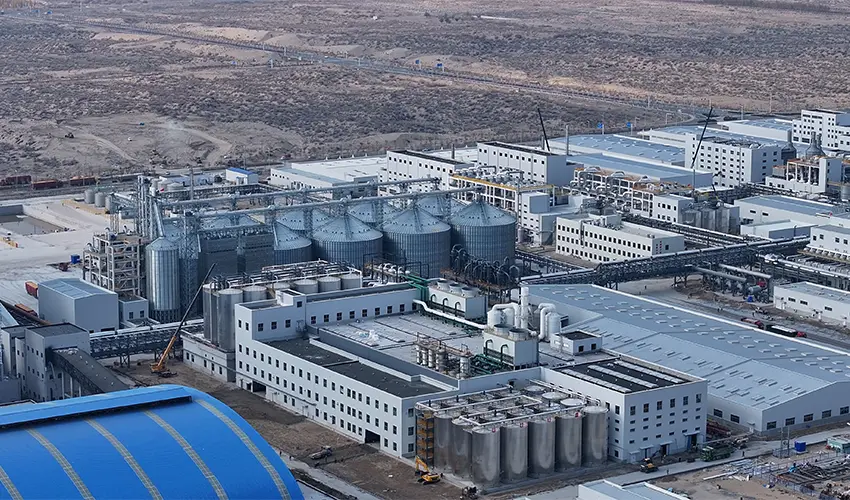

Ethanol plant heat integration changes the steam balance more than any single equipment upgrade. Pinch analysis supplies the method for locating that change before the process flow diagram is locked. A corn ethanol plant carries several large heat flows: cook water, distillation, evaporation, stillage drying, and regeneration. When these flows are matched against each other instead of against utility steam, the plant buys less natural gas and rejects less heat to cooling water. In our alcohol EPC work, we put this study at the front of process design, not at the end of procurement.
How Does Pinch Analysis Improve Ethanol Plant Heat Integration?
Composite curves make the opportunity visible. The hot composite curve shows every process stream that must reject heat, from distillation overhead vapor to dryer exhaust. The cold composite curve shows every stream that must absorb heat, from corn slurry heating to evaporator feed and mash cooking. The gap between the two curves is the heat recovery target. In an ethanol plant, the curves usually overlap more than the operations team expects because distillation and evaporation run continuously at different pressure levels. The pinch point is the tightest temperature approach between the curves. It tells the design team where additional exchangers stop saving steam and start adding surface area for no return.
In our project work, the value comes from using that target to challenge the process design rather than decorate a report. We review the energy cascade at the same time as the mass balance. A heat recovery scheme that saves steam but pushes up the back-end evaporation load can wipe out the benefit. Pinch analysis keeps the entire energy system on one page.
How Do Utility Targets Reshape the Heat Exchanger Network?
Once the pinch target is set, the exchanger network can be designed around it. The common mistake is to size exchangers one by one against the most obvious heat sources. That produces a network that works but crosses the pinch with utility steam or cooling water. The utility target flips the question: given the minimum hot utility and the minimum cold utility, where should each exchanger sit? In a corn ethanol plant, the answer usually pushes heat into mash preheating before liquefaction and into evaporator feed, rather than into low-grade uses that only make the cooling tower work harder.
| Heat Source | Reuse Destination | Decision Criterion |
|---|---|---|
| Distillation overhead vapor | Evaporator feed preheat | Close temperature approach without adding pressure drop to the column |
| Thin stillage vapor | Mash preheating | Condensate quality and fouling tendency |
| Dryer exhaust | Combustion air or drying air | Particulate loading and dew point limit |
The network should follow a simple order. Recover heat against the largest cold stream first, then the next largest, and only then consider smaller matches. That order keeps the temperature approach wide on the big duties and avoids blocking a large recovery stream with a small, fouling-prone exchanger. The cascade pairs high-temperature waste heat with high-temperature demand and leaves low-grade heat for preheating duties where it belongs. In a plant with more than one distillation column, the same logic decides whether rectifier overhead goes to evaporation or to the mash train. We make that decision during process design, because once the exchanger locations are fixed, the remaining flexibility is limited to control setpoints.
How Do Distillation and Evaporation Loads Set the Ethanol Plant Pinch Point?
In a fuel ethanol plant, the evaporation train often sets the pinch. Distillation columns reject heat at their overhead condensers, while the evaporation train consumes large volumes of steam to concentrate thin stillage. The temperature levels of these two duties sit close enough to each other that a pinch study frequently shows recoverable heat between them. When plant teams optimize only the distillation column, they miss the interaction. Raising column operating pressure can make overhead heat more useful to evaporation, but it also changes reboiler duty and the product quality profile. The same trade-off appears in molecular sieve regeneration, which needs heat at a higher level than most waste heat streams can supply.

If your plant’s evaporation load is close to or above the distillation overhead duty, it is worth checking the pinch target before freezing the reboiler and condenser sizes. Send your current steam and condensate balance to [email protected] or call 010-8591 2286 and we will compare the recovery options against your mass balance.
How Do Process Design Decisions Move the Heat Recovery Pinch Curve?
The pinch curve is not fixed. Slurry solids concentration, back-end evaporation design, dryer inlet temperature, and the number of distillation columns all move the hot and cold composite curves. A design that sends thin stillage to the dryer without prior concentration may reduce evaporation steam but increase dryer fuel use. A design that concentrates stillage aggressively may save dryer fuel but consume more evaporation steam. Pinch analysis strips those choices down to their energy effect. We prefer to run two or three design cases before the process flow diagram is frozen, because after that the steam levels are fixed and the remaining heat recovery room is small.
The same logic applies to corn starch and alcohol co-products. In an integrated plant, heat released from starch drying or feed processing can preheat incoming corn or makeup water. These cross-plant matches rarely appear when each product line is optimized separately. A single plant-wide pinch study catches them.
How Should an EPC Partner Put Heat Integration into an Ethanol Plant Project?
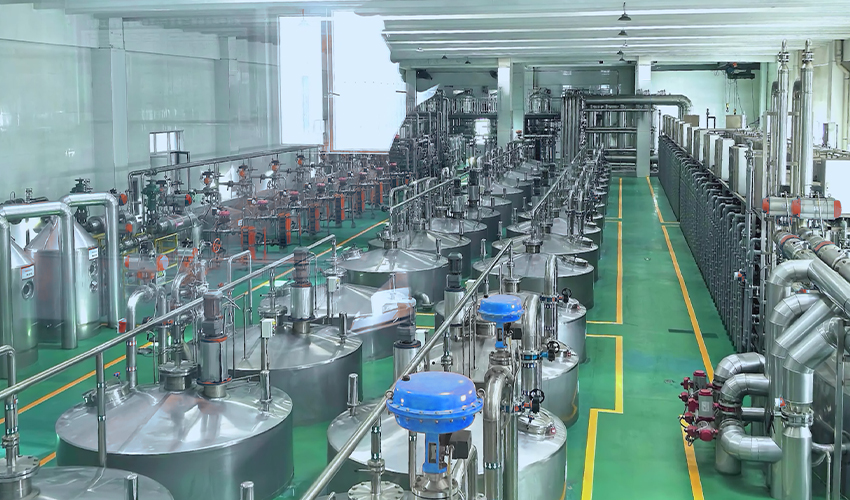
AGRIFAM supplies complete alcohol and fuel ethanol EPC solutions that treat energy as part of the same system as fermentation, distillation, dehydration, and by-product recovery. Heat integration is not added after commissioning; it is built into the process design and the utility arrangement. The pain point we meet most often is a project team that locked the steam levels first and then tried to recover heat around them. That order limits the plant to incremental exchanger changes instead of plant-wide energy savings.
Our approach runs pinch analysis at the same time as the process flow diagram, so distillation pressure, evaporation configuration, stillage handling, and heat recovery are evaluated together. The result is a design where waste heat feeds the right duty and steam demand stays close to the pinch target.
Send your current steam and condensate balance, or your planned distillation and evaporation configuration, to [email protected] or call 010-8591 2286. Tell us the product split and the stillage handling path, and we will confirm where heat recovery can reduce the utility load before you commit to equipment.
What Should Plant Teams Ask Before Starting Heat Integration?
How much steam can heat integration realistically recover?
The realistic recovery is usually found against the plant’s existing utility baseline, not against a generic industry number. The largest opportunity normally sits where the evaporation train and distillation overhead heat overlap. Plants with a concentrated thin stillage operation and a multi-effect evaporation train often find meaningful steam reductions there, because the temperature approach is close enough for heat recovery. Plants that already run a distributed condensate network and preheat mash extensively have less remaining room. The useful next step is to map the hot and cold streams before setting a saving target.
Does pinch analysis apply to an existing ethanol plant or only to a new build?
It depends on the plant’s existing piping and condensate network. An existing plant can often gain more from a pinch review than a new build, because it already has real steam, condensate, and stream temperature data to work with. The limitation is physical: piping headers, column pressure settings, and exchanger locations may constrain what can be changed without a shutdown. If the plant can accept a revamp window, heat integration changes around evaporation and distillation can still show strong payback. If the plant cannot tolerate downtime, the review should focus on control and setpoint changes first.
What causes heat integration projects to underperform?
Many teams assume the pinch target was wrong when savings fall short. The more common cause is a mismatch between the design case and the actual operating case. A heat recovery network optimized for a fixed corn rate and fixed evaporator load can lose its advantage when the plant runs at partial rates or changes stillage concentration. Fouling also quietly reduces exchanger duty. A design that lacks bypasses, cleaning access, and control valves for the new matches is difficult to keep at target. The cure is to include these operability features at the design stage rather than after startup.
What should we prepare before asking AGRIFAM for a heat integration review?
In the project reviews we run, the most useful input is a complete steam and condensate balance rather than a finished saving target. We look for the split between distillation, evaporation, cooking, and drying steam, plus stream temperatures and pressures. That lets us compare the actual energy cascade against the pinch curve. Share your process flow diagram and utility summary with [email protected] or call 010-8591 2286, and we will confirm which heat recovery options fit your plant before you decide on equipment changes.
If you’re interested, check out these related articles:
Driving Global Food Conservation Through Technological Innovation