
Neutral alcohol for beverages does not earn its name by distillation strength alone. A spirit made from high proof ethanol can still taste harsh, fruity, or vaguely agricultural if the wrong fermentation byproducts survive the rectifier. I see this specification as an integrated system: the final taste is set by fermentation control, cut points, water quality, and the way the whole grain alcohol line is sequenced. That is the angle most process descriptions miss, and it is the difference between neutral alcohol that behaves in a finished drink and neutral alcohol that only looks clean on a certificate.
Purity Parameters for Neutral Alcohol Used in Beverages
Beverage producers seldom buy neutral alcohol on ethanol content alone. The specification sheet is where purity is actually defined, and it covers far more than strength. At minimum, a workable neutral alcohol specification should state methanol, total higher alcohols, total aldehydes, total esters, volatile acidity, UV absorbance, and a sensory neutrality grade. These are not legal decoration; each line corresponds to a class of compounds that can carry taste, aroma, or a delayed finish into the final spirit.
What Does Neutral Mean in a Beverage Alcohol?
Neutral means the ethanol contributes as little sensory weight as possible. The producer wants the botanicals in gin, the fruit character in a liqueur, or the clean profile of vodka to come through unchanged. A neutral alcohol that is technically within spec can still fail this test if the taster perceives a sweet, solvent, or grainy note at the proof used for bottling. For this reason, sensory evaluation belongs on the release sheet alongside the chromatographic limits. A number may pass while a nose fails.
Which Impurities Affect Taste the Most?
Higher alcohols and aldehydes usually cause the loudest complaints. Higher alcohols can read as solvent or fusel, while acetaldehyde can give a green, sharp aroma that clashes with delicate flavors. Esters are more variable; a trace of ethyl acetate may be acceptable in one spirit style and unacceptable in a vodka base. Methanol is primarily a safety limit, not normally the main taste driver at the concentrations found in grain alcohol. The practical point is that spec sheets should weight these groups by the product’s final proof and flavor architecture, not by a single pass or fail column.
| Impurity class | Typical taste effect | Main control point |
|---|---|---|
| Methanol | Chemical, solvent | Feedstock selection and rectifier cut |
| Higher alcohols | Fusel, hot aftertaste | Fermentation temperature and yeast nutrition |
| Aldehydes | Green apple, pungent sharpness | Aeration and heads removal |
| Esters | Fruity, varnish, plastic | Yeast strain and fermentation aeration |
| Volatile acids | Vinegar, sourness | Bacterial control and tail cut |
| UV absorbing compounds | Lingering dryness or bitterness | Rectification and polishing |
Fermentation Byproducts and Their Effect on Spirit Taste
Fermentation is where most neutral alcohol taste problems begin, even though they are discovered at the rectifier. When yeast is stressed by high temperature, poor nutrition, or inconsistent aeration, it produces more higher alcohols and esters. Bacterial contamination adds volatile acids that can persist into the finished distillate. Once these compounds exist, distillation can concentrate or separate them, but it cannot always erase them. This is the core connection many buyers miss: the cleanest distillation system cannot correct a fermentation that is already out of balance.
In projects where we compare fermentation batches, the same rectification column can produce a clean neutral spirit from one batch and a slightly ester carrying product from another. That gap almost always traces back to yeast condition or aeration control, not to the column. That is why we treat fermentation as a quality process before it becomes an energy balance.
Why Fermentation Byproducts Survive Distillation
Some compounds form azeotropes with water or ethanol, some have boiling points close to ethanol, and some are produced continuously during wash heating. This means a simple separation based on boiling point will not clear them completely. Multicolumn rectification, head and tail extraction, and sometimes hydro selection columns are used to move these fractions away from the neutral ethanol stream. The system works best when the upstream load is controlled. A rectifier can only take out so much before cuts become wasteful.
If your product carries a tight limit on total higher alcohols or aldehydes, confirm the cut points and fermentation control before finalizing the equipment list. Share your target standard and current fermentation profile at [email protected].
Rectification Strategies for a Truly Neutral Spirit
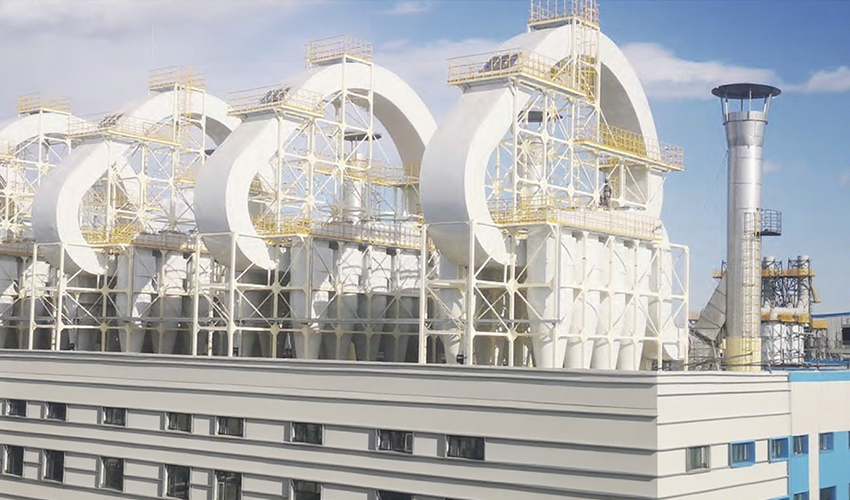
Rectification is not a single pass through a pot still. Beverage neutral alcohol usually moves through a series of interconnected columns: a mash column to strip alcohol, a rectifier to concentrate and clean it, and often a methanol or aldehyde column and a tail column to remove specific fractions. The sequence matters because each cut point determines which impurity class is withdrawn. Overly aggressive cuts can waste ethanol and steam; conservative cuts can leave an impurity signature that appears only after blending or chilling.
Designing a neutral alcohol line should start with the finished spirit’s sensory target and work backwards. A vodka base, a gin base, and an industrial beverage alcohol may share an ethanol percentage but not the same impurity budget. The rectification design changes with the target: a brand that blends at high proof may tolerate something that a low proof ready to drink product cannot. At AGRIFAM, we align the column configuration with the grain intake, fermentation profile, and coproduct streams so the purification system is not solved in isolation.
Water, Blending, and Final Sensory Limits for Neutral Alcohol
Water is the ingredient most producers treat too late. Neutral alcohol is usually reduced to bottling strength with demineralized water, and any chlorine, mineral, or organic note in that water can survive into the finished drink. Reverse osmosis alone is not always enough; the water has to be tasted after deaeration because dissolved gases can carry off odors that appear after filling. In an integrated grain alcohol project, water treatment and final blending should be specified at the same time as the distillation columns, not as a later utility detail.
When Is Water the Limiting Ingredient?
Water becomes the limiting ingredient when the distillate is clean but the finished blend still shows a mineral, plastic, or earthy note. The cause may be source water chemistry, tank passivation, piping, or a filtration step that is exhausted. These variables are harder to trace than a distillation cut because they appear later and inconsistently. I treat water as an ingredient with its own specification: conductivity, total organic carbon, taste after aeration, and microbial condition. If the water does not pass sensory review, no rectifier adjustment will fix the blend.
Neutral alcohol problems rarely appear as one out of spec test result. They appear as a spirit that is close but not clean, and the correction usually crosses fermentation, rectification, and water treatment. If your beverage project requires a neutral alcohol line that meets an exact ester, aldehyde, and sensory limit, we can review your specification against the upstream process. Send your target parameters, production volume, and grain base to [email protected] or call 010-8591 2286.
Common Questions About Neutral Alcohol for Beverage Production
How Is Neutral Alcohol Different from Rectified Spirit?
Neutral alcohol is a refined form of rectified spirit that has been processed to reduce sensory active impurities to very low levels. Rectified spirit may be high strength but still carry noticeable higher alcohols, aldehydes, or esters. Neutral alcohol is selected and polished for beverage use where the ethanol should add alcohol and little else. In practice, the boundary is defined by the specification. A product called neutral alcohol under one standard may not meet a stricter customer limit for total congeners. Buyers should compare the full impurity list, not the name on the certificate.
What Purity Level Is Needed for Vodka or Gin?
Many producers assume that a higher alcohol percentage solves purity problems, but strength and neutrality are separate issues. Vodka and gin demand a neutral base with very low levels of higher alcohols, aldehydes, and esters, because these styles expose any residual character. The exact limits depend on the target market and the final proof. A gin with strong botanicals can tolerate slightly more base character than a premium vodka. The safer approach is to fix the sensory target first and set chromatographic limits to match it, rather than asking for a single generic neutral alcohol grade.
Can Neutral Alcohol Still Have a Fermentation Note?
In our project reviews, yes, and it is one of the most common surprises for a buyer. A spirit can pass strength and major impurity limits yet still carry a grainy, green, or harsh note from yeast stress or a tail cut that was slightly too deep. The note may survive rectification because the compound is present in a form the column cannot fully separate without excessive ethanol loss. The practical response is to go back to fermentation records and sensory checks, not simply rerun the same distillation recipe. A clean certificate should be confirmed by tasting the spirit at finished proof.
How Should a Buyer Specify Neutral Alcohol for a New Beverage?
It depends on the final product, because neutral alcohol limits shift with the beverage type. A vodka base needs a different ester and aldehyde budget than a gin base or a ready to drink cocktail base. Include ethanol content, methanol and higher alcohol limits, aldehyde and ester ceilings, UV absorbance, sensory neutrality, water quality, and the standard or market of sale. If the beverage will be blended with botanicals, sugar, or dairy, state the final proof and shelf life expectations. Email [email protected] with your draft specification and we will confirm whether your fermentation, rectification, and water systems can meet it as a single integrated line.
If you’re interested, check out these related articles:
Driving Global Food Conservation Through Technological Innovation