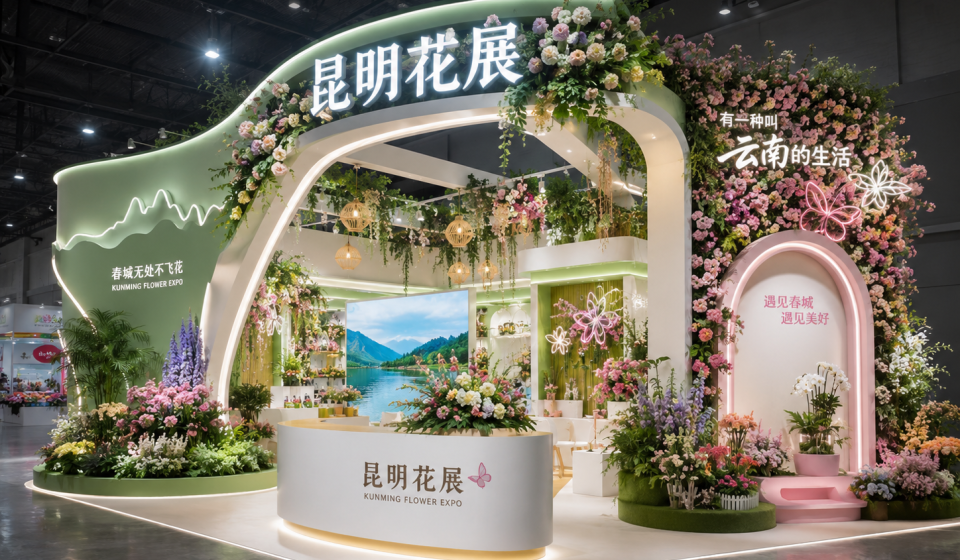

Global Flower Industry Trends 2026 are moving faster than many sourcing calendars allow. Buyers who still treat China as a rose and carnation supplier will miss the larger change: daily floral consumption is reshaping volume, variety expectations, and packaging requirements across Asia and the Middle East. From our work with growers, exporters, and exhibition teams in Kunming, I see three shifts that should influence every buying plan this year. Processed and preserved lines are expanding, sustainability is entering contract language, and cold chain performance now separates reliable suppliers from occasional ones. If you are building a 2026 sourcing schedule, these trends determine which booths deserve your time at IFEX.
Flower Buying Has Shifted From Gift Giving to Daily Rituals
In China, cut flowers increasingly appear in weekly routines, from home decor to self-care, not only on Valentine’s Day or Mother’s Day. This changes order patterns. Buyers often move toward smaller but more frequent shipments, mixed variety boxes, and predictable color ranges. For 2026, ask suppliers about variety sequencing and week-to-week availability, not just holiday peaks. Roses remain a core line, but spray roses, lisianthus, ranunculus, and seasonal wildflowers are gaining shelf space in supermarkets and ecommerce channels. At IFEX, exhibitors prepare smaller pack formats and subscription-style assortments aimed at online sellers. The buying implication is that reorder frequency becomes more important than one large holiday load. If your customers operate convenience stores or apps, the sourcing conversation shifts from “what is your cheapest rose” to “what can you ship every week for six months.”
Processed and Preserved Flowers Are Creating New Sourcing Lines
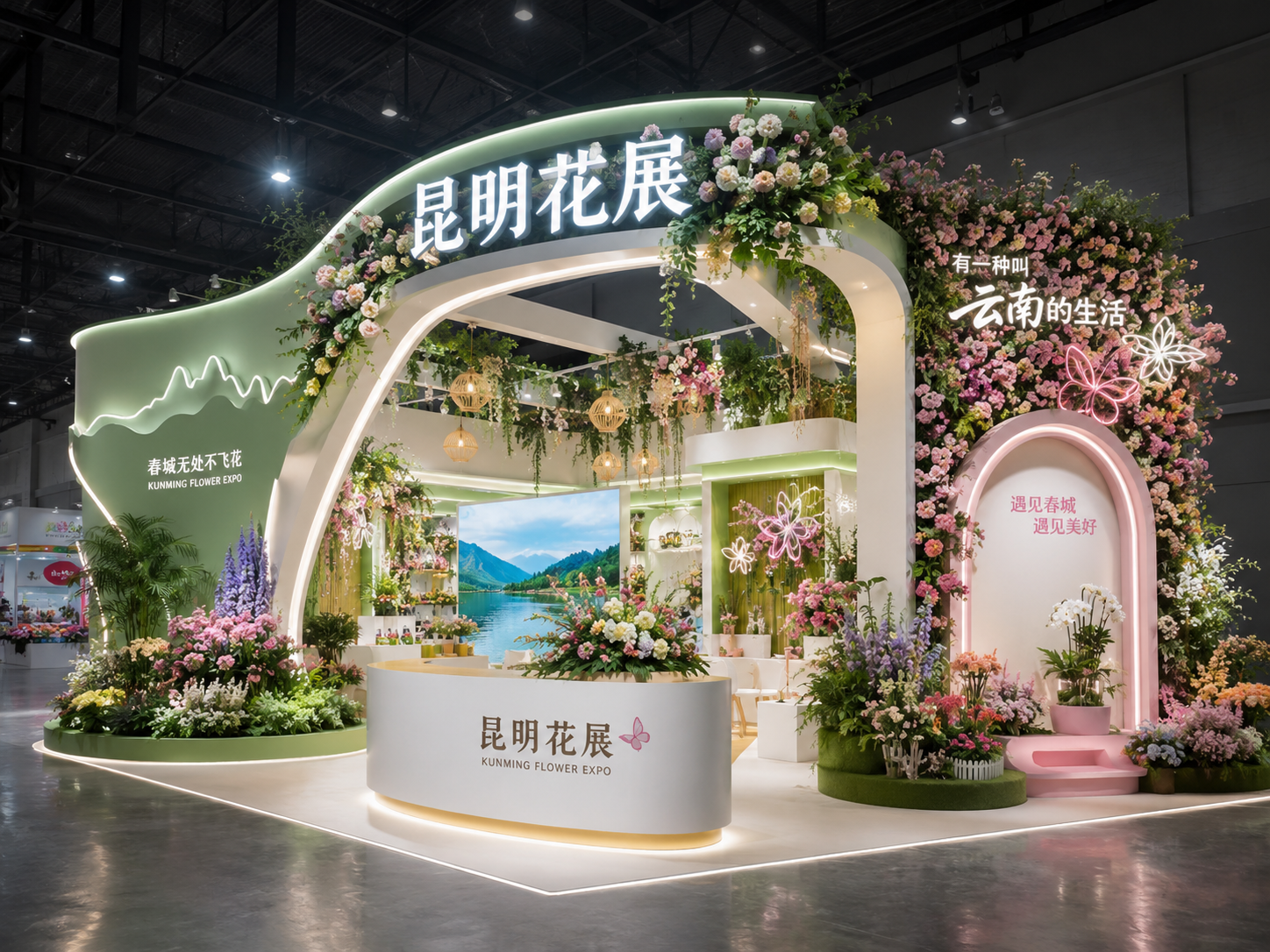
Dried, preserved, dyed, and edible floral lines are no longer craft-only products. They are moving into home decor, wedding design, skincare, and food. For buyers, this means multiple production standards across one shipment. Preserved flowers need glycerin-based stabilization. Edible flowers need food safety documentation. Dyed products need colorfastness testing. I have watched buyers arrive at IFEX looking only for fresh roses and leave with a processed flower program because the margin structure was stronger. The risk is quality control. A preserved rose may look identical in two presentations but differ in shelf life by months depending on humidity control during processing. Ask for batch samples, shelf life test records, and export documentation for each processed category. Supplier specialization matters more here than low unit price.
Sustainability Is Moving Into Contract Terms and Retail Requirements
Buyers in Europe and some Middle East markets now face retailer-specific rules on certification, plastic-free packaging, water use, and carbon disclosure. A flower arriving fresh is no longer enough. In 2026, the buying conversation includes recyclable or compostable sleeves, reduced wire and foam use, and documented growing practices. Some Yunnan growers have shifted to integrated pest management and heat recovery in greenhouses, but the documentation varies widely. I advise buyers to separate two questions. First, which certifications do your customers actually require in writing? Second, which practices can be verified during a farm or booth conversation? This prevents overpaying for labels you do not need while avoiding shipments that fail at import inspection. At IFEX, the strongest signal is whether an exhibitor can show records immediately, not just a sustainability statement.
If your program mixes sustainability requirements across European and non-European customers, confirm the exact certification and packaging documentation before you finalize your sourcing list. Send the specific standards your buyers ask for to [email protected] and the IFEX team can direct you toward exhibitors that already meet them.
Yunnan’s Growing Regions Still Set the Pace for Asian Supply
Kunming, Yuxi, Tonghai, and Dounan form one of the densest fresh-cut flower production clusters in Asia. The Kunming International Flowers and Plants Expo itself brings together distributors, wholesalers, retailers, and ecommerce players across a 50,000 square meter floor. More than 30,000 industry visitors participate in matchmaking that links supply and demand. This concentration matters because buyers can compare growing regions in one trip. Altitude, light, and water differences across Yunnan produce different stem length, vase life, and color intensity for the same nominal variety. A rose from a high-altitude Tonghai grower may open differently from one grown near Kunming. Ask for the specific farm or plot location, not just the province. That detail often explains the gap between samples and later production lots.
| Growing Area | Main Flowers | Key Advantage | Buyer Check |
|---|---|---|---|
| Kunming | Roses, carnations, gypsophila | Central sorting and export logistics | Confirm packhouse temperature records |
| Yuxi | Lilies, summer flowers | Established bulb flower programs | Ask about high-season stem consistency |
| Tonghai | Roses, specialty stems | Altitude and longer stems | Request farm-level vase life tests |
| Dounan Market | Mixed fresh cut | Asia’s largest trading hub | Visit for spot trends and new varieties |
| Dali and Lijiang | Specialty and seasonal stems | Cooler climate | Verify harvest windows before booking |
Cold Chain and Breeding Capability Separate Reliable Suppliers From Occasional Lots
Flower quality starts in breeding and holds or falls in cold chain. Buyers sometimes select entirely on color and price, then wonder why the same variety opens unevenly after 14 days. The difference usually sits in harvest stage, pre-cooling speed, and temperature stability from farm to packhouse to airport. At IFEX, the most useful conversations happen when a buyer asks an exporter to walk through the cold chain step by step. If the answer skips pre-cooling or hesitates on temperature range, that is a risk signal. Breeding capability matters for longer-term programs. Growers with their own trial lines or breeder partnerships can offer variety continuity and novelty. For 2026, prioritize suppliers who can show both a documented cold chain and a variety pipeline, not just a current catalog.
Flower Buyers Need a Concrete Plan Before the 2026 Kunming Expo
Before you arrive, split your sourcing targets into three groups. Anchor products are your stable weekly lines, where price and cold chain reliability matter most. Test products are new colors, processed lines, or novelty varieties where you can place smaller trial orders. Relationship targets are growers or exporters you want to develop for next season. This grouping prevents the common mistake of spending the first day comparing roses and leaving no time for processed flowers or breeding material. Bring clear volume ranges, delivery schedules, and documentation requirements. At the show, use the matchmaking platform to pre-book time with planters and distributors rather than relying on walk-by conversations alone.
If your 2026 sourcing plan still has open questions on categories, grower selection, or shipping documentation, send the product list and volume you are planning to [email protected] or call +86 10 5933 9349. The IFEX team can point you toward the right exhibitors before the floor gets busy.
What Flower Buyers Ask About the 2026 Market
Are cut flower prices expected to stay stable in 2026?
Cut flower prices will stay range bound for major lines, but the reason is more supply structure than stable demand. Yunnan has enough rose and carnation capacity to absorb seasonal peaks, while specialty stems and processed flowers carry more volatility. If your program depends on roses, lock in a supplier with its own packhouse and cold chain. If you buy smaller specialty volumes, expect week-to-week movement and keep a second source. Trial orders on new varieties make sense before committing to a season contract.
Which flower categories offer the strongest margins right now?
Many buyers assume orchids and roses always produce the healthiest margins, but the real spread is in processed and preserved lines. Fresh roses move in large volumes with tight pricing. Preserved stems, dyed assortments, and edible flowers often carry higher unit margins because they require more handling and quality control. The tradeoff is shelf life and documentation. If your customers want unique decor or gift lines, ask processed flower exhibitors for batch samples and export records before you compare prices.
Do I need to visit farms outside Kunming during the show?
It depends on what you buy. For bulk fresh cut roses and carnations, the show floor and nearby Dounan Market may give you enough comparison. For potted plants, breeding material, or private-label processed lines, a farm visit often reveals how clean the propagation area is and how temperature is controlled. If your trip is short, ask the organizer to pre-arrange a focused farm tour rather than spending a full day on logistics. This keeps the visit useful without pulling you away from buyer meetings.
How early should I register before the 2026 Kunming Expo?
In years when buyers register late, the first two days are already crowded with pre-booked meetings and the best suppliers are not easy to walk into. Based on past IFEX editions, international buyers get more from the matchmaking platform when they register before the visitor badge deadline and list their product categories. This means the show team can arrange face time with planters and exporters who match your volume. Share your sourcing list and planned dates with [email protected] and the show team can point you toward the right registration path before the halls fill.