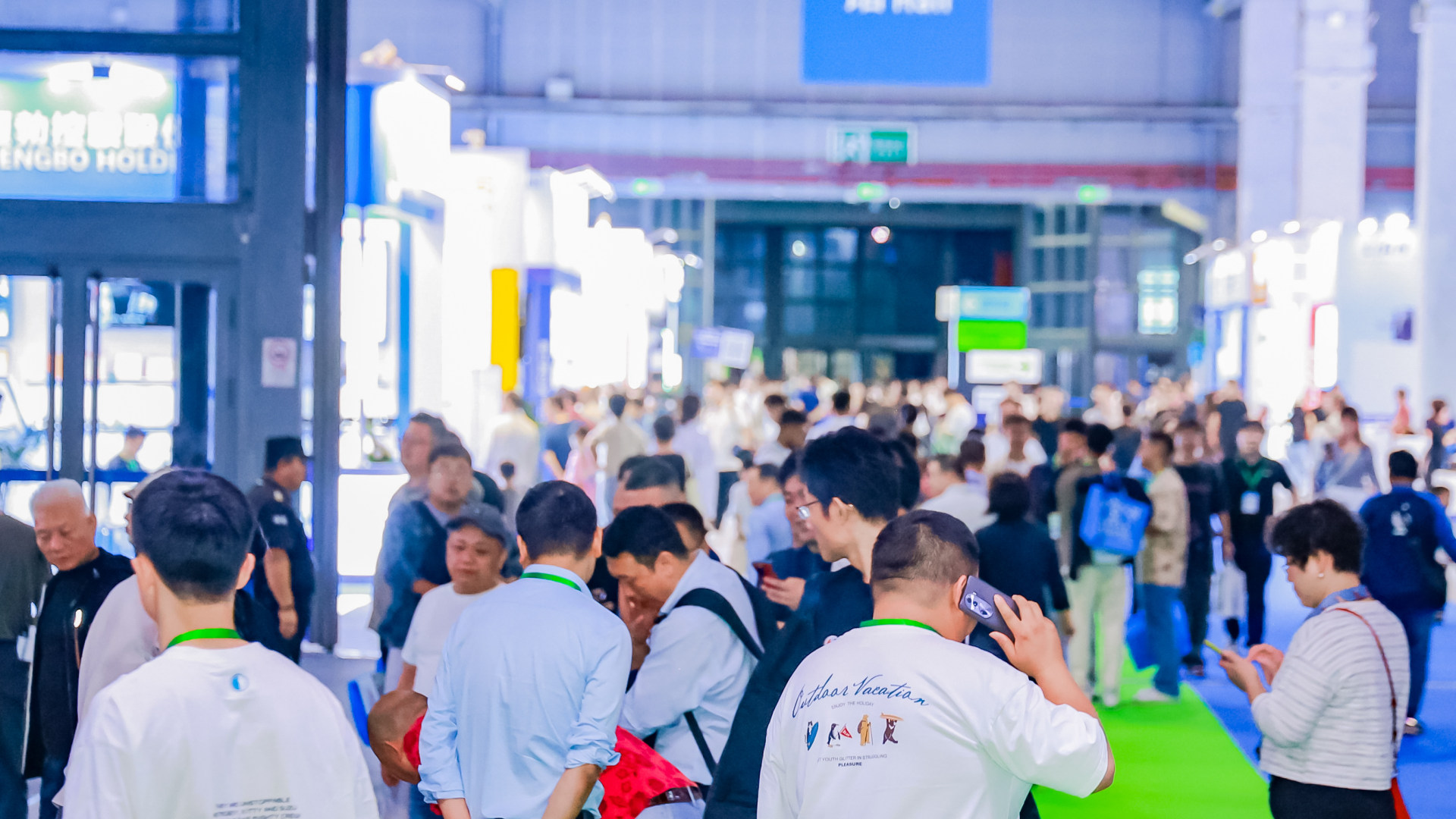

For a Taizhou auto parts manufacturer, the gap between producing reliable engine components or brake systems and actually getting them into overseas OEM supply chains is rarely about product quality. It is about visibility. The Taizhou Auto Parts Manufacturer Expo Shanghai closes that gap. It gives factory owners direct access to over 35,000 procurement professionals from more than 100 countries in three days — a compression of months of email outreach into face-to-face negotiation. When a buyer from a Middle Eastern distributor inspects a machined cylinder head under booth lighting and asks about tolerance sheets, that conversation cannot happen on Alibaba. And that is exactly why exhibiting at this Shanghai event is no longer optional for manufacturers looking to move beyond sub-supplier status.
What Sets Taizhou Auto Parts Manufacturers Apart?
Taizhou’s auto parts cluster is not just a concentration of workshops. It is a mature industrial ecosystem where engine parts, chassis components, and now NEV modules are produced alongside mold tooling and rubber goods, creating a one-stop supply chain that international buyers consistently seek. In my work with exhibition matchmaking, I have seen procurement directors from Europe deliberately target Taizhou booths because they know the cluster’s quality-to-cost ratio is hard to replicate. A production line making steering knuckles for a Japanese aftermarket brand might next door produce suspension arms for a German Tier 1 — that versatility is a sourcing argument no brochure can fully capture. At the expo, it becomes visible in the range of samples on display and the depth of engineering knowledge on the stand.
Why Is Shanghai the Global Sourcing Hub for Auto Parts?
Shanghai’s dominance in automotive trade is not just about its port. The city hosts over half of the international procurement offices for major auto brands, and its free trade zones streamline sample shipping and payment flows. When a Taizhou manufacturer exhibits at the Shanghai National Exhibition and Convention Center, they are not competing for attention with regional fairs — they are inserting themselves into a calendar that global buyers already attend. In my experience, a procurement manager from a Southeast Asian distributor will plan a single Shanghai trip to cover multiple expos in one week, and the auto parts show is the anchor event. The proximity to Ningbo and Wenzhou also means that buyers can visit factory floors within a two-hour drive after the show, turning a booth visit into a plant audit. That conversion path from exhibition hall to production line is unmatched by any other Chinese city. The upcoming APES 2026 edition is already shaping up to deepen that advantage, with expanded focus on NEV component clusters and targeted buyer delegations from Africa and South America.
How Does a Face-to-Face Exhibition Close Orders Faster Than Online Platforms?
The value of an exhibition is not the number of business cards collected; it is the contracts initiated after the buyer witnesses the finish on a brake caliper or hears the engineer explain the tumbling process for a gear. Online platforms can list specifications, but they cannot convey the confidence that comes from a buyer turning a part in their hand. I recall a Taizhou fuel pump manufacturer who had been quoting on a B2B portal for months with no traction. At the expo, a Middle Eastern distributor spent ten minutes at their booth, asked for third-party test reports, and placed a trial order within two weeks. The transaction was built on tactile certainty. For parts where safety and precision are critical — such as ABS modules or steering columns — that certainty often overrides price differences. Exhibiting shortens the trust-building phase that online sourcing otherwise drags out over a quarter.
How Should Taizhou Manufacturers Prepare Their Booth for Maximum Impact?
A successful exhibition booth is not an expensive decor project; it is a pre-planned conversation funnel. In Shanghai, I advise manufacturers to categorize their display into three clear zones: a spotlight area for two or three new products — especially NEV parts or OE-grade chassis items — a technical wall with certification logos and tolerance data, and a negotiation table with bilingual spec sheets already laid out. The mistake I see frequently is cramming every product onto pegboards in the hope that something catches an eye. That overwhelms buyers. A targeted approach — showcasing a brake disc set with material grade and salt spray test results, for instance — communicates that the factory understands procurement language. Booth selection also matters. Raw space near the main aisle yields better foot traffic but requires a purpose-built structure, while shell scheme booths in cluster halls like the Taizhou Pavilion offer a turnkey presence and collective branding that first-time exhibitors often underestimate.
Here, a genuine decision point arises: which booth type aligns with your export goals and budget? That question alone can make or break an exhibition return, because hall layouts and adjacent exhibitor profiles affect the buyer flow in ways a floor plan does not reveal. A direct conversation with the event’s organizer can prevent costly mismatches — if your product line is weight-sensitive chassis castings, for example, being placed next to heavy engine parts might dilute your visitor profile. Getting that alignment right typically determines whether the booth delivers contacts or contracts.
How Can a Single Exhibition Transform a Local Factory into an International Brand?
Brand building for an OEM supplier does not happen through marketing slogans. It happens through sustained buyer contact after the event. At every Taizhou Auto Parts Manufacturer Expo Shanghai, the real work begins when the booth lights go off and the follow-up emails start. A manufacturer who exhibited at a previous edition as an unknown chassis parts supplier returned the following year with a European aftermarket brand’s logo on their sample boards and a quoted annual volume that justified a new CNC line. That transformation was not magic — it was the result of collected buyer feedback, post-show factory visits, and incremental improvements in packaging and documentation that the first exhibition had surfaced. The expo acts as a pressure test: if your product, pricing, and communication can survive a buyer’s scrutiny in Shanghai, they can compete in any market. The brand equity is earned not in the catalog, but in the repeat orders that follow. The Tomorrow World innovation exhibition has previously highlighted how forward-looking technologies — from lightweight materials to integrated e-drive units — find their first commercial traction at this exact platform, and Taizhou manufacturers that participated early often secured lead-adopter relationships before competitors even finished product certifications.
Procurement challenges for auto parts often come down to one issue: verifying a supplier’s capabilities without taking a flight. The Taizhou Auto Parts Manufacturer Expo Shanghai solves that by putting dozens of verified manufacturers in one hall, making comparison and negotiation possible in a single trip. If you are sourcing engine components, chassis systems, or NEV parts directly from Chinese factories, registering for the event is the most efficient next step. For exhibitor inquiries — including floor plan availability, booth pricing, and buyer demographics — you can reach the APES team at [email protected] or call +021-60280788 to discuss placement that matches your product category.
Common Questions About Exhibiting at the Taizhou Auto Parts Expo
How much does it cost to exhibit at the auto parts expo in Shanghai?
Exhibition costs depend on booth type and location. Raw space typically starts around USD 300 per square meter, while a standard 9-square-meter shell scheme booth might range from USD 4,000 to USD 6,000, including basic fascia and lighting. Premium aisle positions or multi-package concessions can adjust pricing. It is worth requesting a tailored quote that matches your square footage needs and hall preference, because a well-placed booth often justifies a moderate premium through walk-in traffic.
What is the difference between raw space and a shell scheme booth?
Raw space is an empty floor area that you build out yourself, allowing custom double-story structures, product displays, and private meeting rooms. A shell scheme package includes pre-built walls, carpet, a fascia board with company name, basic lighting, and a reception desk. For a first-time Taizhou exhibitor bringing a limited number of samples, a shell scheme in the designated cluster hall often provides a ready-to-use presence without the complexity of independent construction, but a manufacturer launching a major new product line should consider raw space for a stronger visual identity.
When is the Shanghai auto parts exhibition in 2026?
The next edition of APES Auto Parts Expo Shanghai is scheduled for July 2026 at the National Exhibition and Convention Center (NECC) in Shanghai. Exact dates are confirmed on the official website closer to the event, but exhibitor registration typically opens eight months in advance. Confirming your participation early secures better placement and ensures your company appears in the pre-show buyer directory, which many international procurement teams use to plan their itinerary.
How many international buyers usually attend the Taizhou auto parts exhibition?
The event consistently attracts over 35,000 trade visitors from more than 100 countries, with strong delegations from Southeast Asia, the Middle East, Africa, and South America. Buyer profiles range from automotive aftermarket distributors and repair chains to OEM purchasing teams. In recent years, the proportion of buyers specifically searching for NEV components has grown noticeably. For a manufacturer, this concentration of qualified leads makes the three-day event far more efficient than a year of cold outreach, but the return depends on preparation — having product data sheets, MOQ details, and lead time commitments ready before the show is what turns a visit into a purchase order.
Can I get factory pricing directly at the exhibition?
Yes, the direct-to-factory model is the primary advantage. Because Taizhou exhibitors are manufacturers rather than trading companies, buyers negotiate prices based on actual production costs and MOQs without intermediary markups. However, the best pricing often emerges during post-show factory visits when volumes and specifications are finalized. Share your part numbers and annual forecast with the exhibitor, and they will typically provide a landed cost estimate on the spot. If your program involves custom tooling or complex assemblies, it makes sense to schedule a production line walkthrough after the show to confirm capabilities before committing to tooling investment. For specific product categories, email your requirements to [email protected] and the team can connect you with the right exhibitor in advance.
If you’re interested, check out these related articles:
APES 2026 to Redefine Global Sourcing Landscape as Automotive Industry Eyes Resilient Future
Tomorrow World: Innovation Achievement Exhibition and Industry Future Forum