Few markets reward a well-chosen scent as richly as Southeast Asia’s hotel sector. The region’s tropical humidity, dense urban aroma landscapes, and culturally attuned guests turn a signature fragrance from a nice-to-have into a competitive lever. Over the past decade, I have formulated and deployed over 300 scent types across 68 countries, and the trajectory I see in Bangkok, Singapore, and Jakarta is distinct: hoteliers are moving away from generic floral diffusions toward precision scenting that reflects local identity, supports wellness narratives, and operates on smart infrastructure. This article maps the forces reshaping commercial fragrance in Southeast Asian hotels, drawn from on-the-ground experience in formulation, hardware integration, and guest psychology.
Why Tropical Markets Demand a Different Fragrance Strategy
Southeast Asia’s climate rewrites the rules. High ambient humidity accelerates fragrance molecule evaporation and shifts scent perception. A citrus top note that reads as clean and crisp in a European lobby can turn sharp and aggressive in Singapore within an hour. The room itself works against you: air conditioning cycles, open lobbies, and monsoon-season damp all alter diffusion behavior. In hotel projects across the region, I have found that the most reliable profiles are built around mid-to-base-note structures, with woody, spicy, and sweet gourmand families outperforming light florals and straight citrus blends. Humidity also shortens the effective life of fragrance oil in the bottle, a detail too many international brands overlook until their scent vanishes by midday. The fix is not more oil; it is selecting formulations engineered for evaporation stability above 70% relative humidity and pairing them with diffusion equipment calibrated to local air density.
The Rise of Hyper-Local Signature Scents
Borrowing a scent from a Parisian boutique hotel no longer works. Southeast Asian travelers and locals alike respond more strongly to scent narratives that echo regional materials, cooking traditions, and natural landscapes. What is emerging is a demand for hyper-local signature scents, fragrances that incorporate notes like pandan, lemongrass, frangipani, ylang-ylang, or smoky black tea, not as novelty accents but as the core identity. This shift is not merely aesthetic; it supports the authenticity that luxury and boutique hotel brands now require to differentiate in a crowded market. In a recent project for a beachfront resort in Bali, we replaced a standard marine accord with a custom blend of sea salt, coconut husk, and cedarwood that guests consistently associate with the property months after checkout. That memory link, built on specificity, is far stronger than a generic “ocean breeze” diffusion. For hotel owners, the development process starts with a fragrance brief that names not just desired emotions but the cultural and environmental references the scent must carry.
 ## Smart Diffusion and IoT Integration
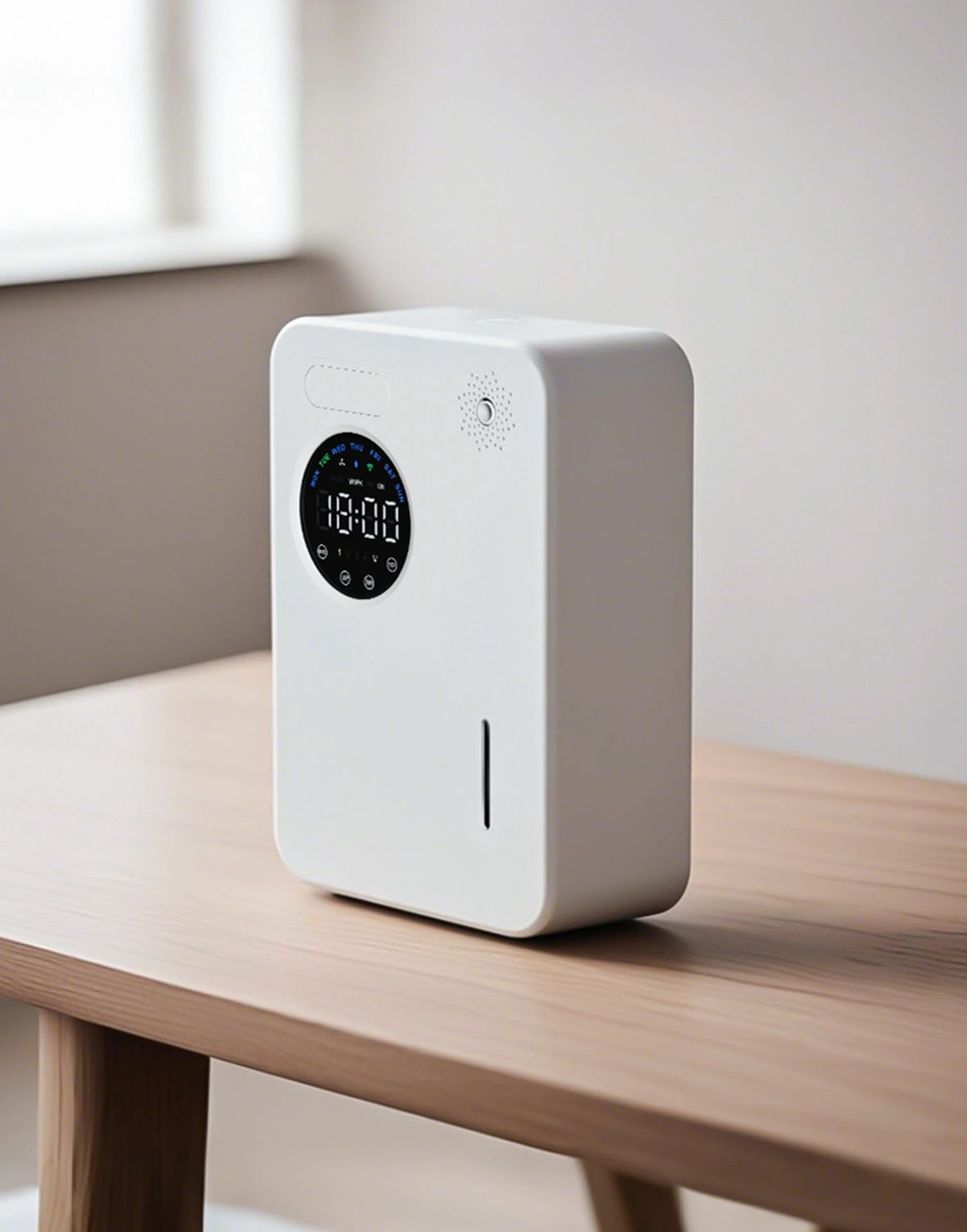
Manual scent scheduling is disappearing across the region’s premium properties. The next-generation installations I oversee now use Bluetooth APP and WiFi-controlled diffusion systems that tie into a property’s HVAC or operate standalone with programming down to the minute. Southeast Asian hotels, in particular, benefit from this because their usage patterns are rarely uniform: a resort lobby peaks at check-in and sunset, a rooftop bar needs intensity only after 5 PM, and a spa corridor requires a consistent low-level presence throughout the day. The smart systems we deploy allow facility managers to set zone-specific schedules, adjust output remotely, and monitor fragrance consumption in real time. The value is not just convenience; it is cost control. Without granular scheduling, a hotel can easily double its fragrance oil consumption with no improvement in guest experience. I have seen properties cut annual scenting costs by over 30% simply by switching from constant-run diffusion to sensor-triggered and time-scheduled delivery, without reducing perceived intensity. The hardware that makes this possible includes ceiling-mounted and HVAC-integrated units capable of covering up to 30,000 square feet from a single point, controlled entirely from a smartphone.
Fragrance as a Wellness Anchor
The wellness pivot in Southeast Asian hospitality is giving commercial fragrance a new role. Spas have always been scented; what is changing is the hotel as a whole adopting aromatherapy principles in public zones. I am seeing more requests for scent profiles aligned with functional benefits: focus in co-working lobbies, calm in arrival corridors, rejuvenation in pool areas. This moves fragrance from atmosphere to amenity. The science requires discipline; the gap between a pleasant smell and a psychologically supportive scent depends on molecule volatility, concentration, and exposure duration. In a wellness-focused hotel in Chiang Mai, we mapped the entire ground-floor guest journey and assigned three distinct blends, each with specific diffusion density, that together created a progression from alertness to relaxation without any single zone overpowering the next. The result was measurable: guest feedback specifically mentioned the “invisible calm” of the space, and dwell time in the lobby lounge increased. For procurement teams, this means the fragrance partner must offer not just a library of scents but formulation expertise tied to psychophysics and environmental behavior.
What Southeast Asian Buyers Value in a Supplier Partnership
Hotel chains and independent properties across the region are streamlining procurement, and the supplier selection criteria have sharpened. Speed of sample delivery, availability of IFRA-compliant documentation, and the ability to handle small-batch custom formulation are now table stakes. What separates a transactional vendor from a long-term partner, in my experience, is the technical support layer: site assessment for airflow and coverage, installation guidance for HVAC or standalone equipment, and ongoing maintenance protocols. In Southeast Asia, where logistics can complicate replenishment, properties favor suppliers who offer direct factory relationships, transparent lead times, and bulk ordering flexibility. We routinely ship to 68 countries, and the Southeast Asian corridor has taught us that clear communication around customs documentation for fragrance oils and pre-shipment quality validation prevents most disruptions. One practical step I recommend to hotel buyers is requesting a coverage test with the actual selected scent and machine model before committing to a full rollout; scent throw is not theoretical, and what works in a showroom can fall flat in a high-ceiling lobby with cross-ventilation.
 ## Selecting the Right Equipment for Southeast Asian Hotel Environments
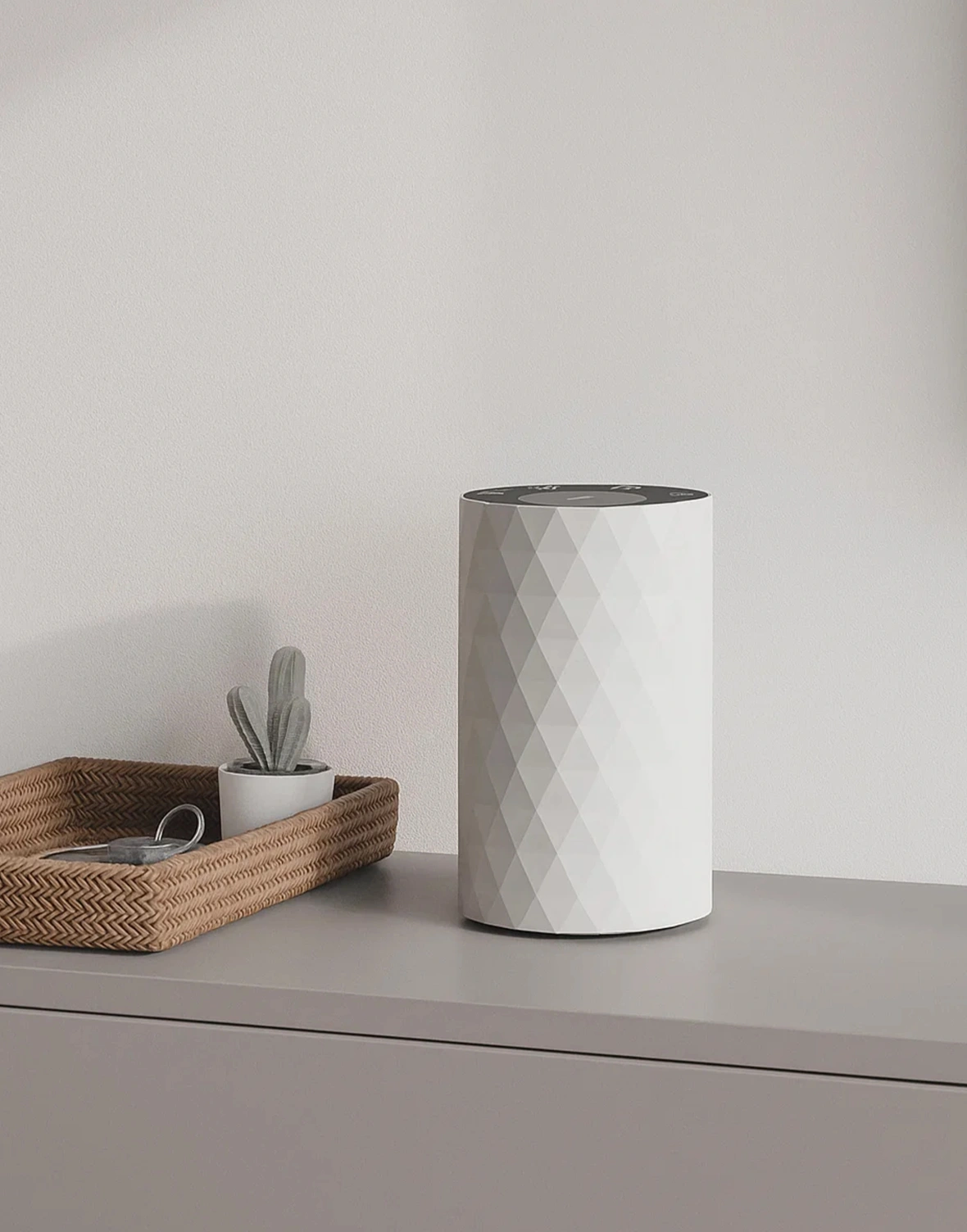
Equipment selection has as much impact on scent performance as the oil itself. The environment dictates the hardware, and Southeast Asia presents a mix of high-ceiling open lobbies, enclosed corridors, and outdoor-indoor transitions that challenge standard diffusion strategies. The following table compares the main diffuser types suitable for the region’s hotel settings.
| Diffuser Type | Coverage | Installation | Best Application |
|---|---|---|---|
| HVAC-integrated system | Up to 30,000 sq ft | Integrates with central air | Large lobbies, ballrooms |
| Standalone commercial tower | 10,000–11,000 sq ft | Freestanding, portable | Boutique lobbies, lounges |
| Track-mounted ceiling unit | 1,000–2,000 sq ft | Mounts to ceiling tracks | Corridors, intimate spaces |
| Wall-mount plug-in | 750–1,000 sq ft | Direct plug-in | Guest room floors, small retail |
For multi-story hotels, a combination approach works best. I often pair an HVAC scent system for the main lobby with dedicated ceiling units in corridor junctions and wall-mount devices near elevator banks. The guest room itself, if scented at all, benefits from passive solutions like reed diffusers or mini desktop units that give the occupant control. In practice, the most frequent mistake I see is oversizing: a diffuser rated for 3,000 square meters installed in a 500-square-meter space, which produces aggressive scent peaks and wastes oil. Starting with coverage mapping and dialing back output is always cheaper than over-specifying.
Common Questions About Commercial Fragrance in Southeast Asia
How Are Hotel Fragrances Adapted for Southeast Asian Climates?
The adaptation is primarily in the fragrance formulation and the diffusion programming. Oils designed for the region have adjusted evaporation curves to perform consistently in heat and humidity, with a higher proportion of fixatives and base notes. Diffusion equipment is then calibrated to output lower volumes during peak humidity hours, which prevents the scent from becoming overwhelming. I have seen the same fragrance oil behave entirely differently in a climate-controlled Singapore lobby versus an open-air Bali resort; the installation plan must account for both air movement and moisture.
Are There Cultural Preferences That Influence Fragrance Selection in Southeast Asia?
Yes, and they vary by sub-region. In Thailand and Vietnam, lighter citronella and herbal profiles are widely accepted because they align with local culinary and household scents. In Indonesia and Malaysia, richer oud, sandalwood, and spice accords resonate more, reflecting cultural associations with luxury and ritual. A hotel in a multi-ethnic hub like Kuala Lumpur might benefit from a neutral base with subtle tropical floral notes to avoid excluding any demographic. The key is not to assume uniformity; local testing with a representative sample of target guests has proven more reliable than following regional generalizations.
How Long Does It Take to Develop a Custom Hotel Signature Scent?
From brief to final approval, a typical custom fragrance development cycle runs six to ten weeks. This includes scent sample iteration, stability testing in target climate conditions, and equipment compatibility trials. Rush programs can compress this to four weeks, but I advise hotel clients to allow the full window so that multiple formulations can be evaluated in different areas of the property at different times of day. The fastest way to delay a project is to skip the in-situ testing phase and discover a mismatch between the lab sample and the actual lobby only after installation.
Can a Hotel Switch Fragrance Oils Without Changing Its Diffuser Equipment?
Usually, yes. Most commercial diffusers operate with interchangeable fragrance oil bottles or cartridges, so switching scents is a matter of replacing the consumable and possibly adjusting the output settings. The diffuser itself requires a clean cycle to purge the previous oil from the atomizer and internal lines. For hotels that rotate seasonal scents, we recommend scheduling the switch during low-occupancy hours and running the diffuser at a high setting briefly to flush residual oil. The exception is when switching between dramatically different oil viscosities; a formula change may then require a pump recalibration, which is a five-minute adjustment.
What Is the Most Overlooked Factor in a Hotel Scenting Program?
Maintenance cadence. Most hotels focus on the scent itself and neglect the diffuser’s atomizer wear, fan filter buildup, and oil line sedimentation. In humid environments, atomizer clogging accelerates, and a partially blocked nozzle changes the droplet size, which alters both scent intensity and dispersion pattern. I recommend quarterly preventive maintenance and a monthly visual check of the atomizer head and any visible tubing. Properties that follow a maintenance schedule consistently report more stable scent experiences and lower oil consumption over a 12-month period. For hotels establishing a new program, confirming that the supplier provides remote diagnostics or on-site service support for the equipment is a practical step that prevents extended downtime. Share your hotel’s floor plan and desired scent timeline at [email protected] or call +86 185 6557 5758, and we will confirm equipment compatibility and coverage requirements for your property.
If you’re interested, check out these related articles: