Most restaurant operators treat scent as an afterthought, but fragrance influences dining experience through the same sensory pathway that delivers taste. When a dining room smells right, food seems more intense, service feels calmer, and guests remember the meal longer. In ten years of formulating commercial fragrance systems, I have watched the same dishes land differently in scented and unscented spaces. The reason is not magic. Aroma sets an expectation before the first bite, then merges with flavor during chewing. If you control that layer, you control part of appetite, comfort, and repeat visit behavior.
How Does Fragrance Change Flavor Perception?
Flavor is not the same as taste. Taste buds register sweet, sour, salty, bitter, and umami, but most of what a guest calls “flavor” reaches the brain through the olfactory system. Two routes matter. Orthonasal olfaction sends aroma from the dining room into the nose before food arrives, creating an expectation. Retronasal olfaction pushes aroma from the mouth into the nasal cavity during chewing, where it fuses with taste and texture.
This is why a vanilla note can make a dessert seem sweeter without added sugar. A bright citrus note can make seafood feel cleaner and lighter. Warm spice can make a broth feel more substantial. The effect is strongest when the ambient aroma is congruent with the menu. A mismatch is not neutral; it actively works against the dish. In our scent library, we group restaurant fragrances by the flavor direction they reinforce rather than by perfume style. That distinction changes how a dining room is mapped.
| Aroma direction | Perceived food effect | Best dining use |
|---|---|---|
| Citrus and green notes | Brighter acidity, cleaner finish | Seafood and fast casual |
| Warm spice and vanilla | Sweeter, more indulgent impression | Bakery and dessert menus |
| Woody and amber | Deeper, slower, more premium pace | Steakhouse and lounge |
| Mint and herbaceous | Fresher, lighter mouthfeel | Café and wellness menus |
Why Should Restaurants Treat Scent as a Design Layer?
Fragrance influences dining experience below conscious awareness, which is why many operators underestimate it. Lighting sets mood. Music sets rhythm. Fragrance does both, but it works without the guest having to name it. Guests rarely say, “I stayed because of the smell.” They simply feel more comfortable, order more deliberately, and remember the room with greater clarity.
I treat scent as an operational layer, not a marketing garnish. When I audit a restaurant, I walk the space the way a guest does. I check where aroma builds up, where extraction pulls it away, and where competing food odors collect. A well mapped dining room holds a light scent signature across the seating area without following the guest from table to table. That consistency is what builds familiarity. In practice, operators often underuse this layer because they confuse fragrance with air freshener. A commercial scenting system is closer to lighting design: placed zones, calibrated output, and a programmed intensity that shifts by daypart.
How Do You Match a Fragrance to the Dining Format?
Dining formats demand different scent behaviors. A fast casual brand needs a light, fast dispersion pattern that reinforces speed. A fine dining room needs a slower, low intensity signature that never covers the food. A dessert café can run sweeter gourmand notes because the aroma aligns with the core product. A cocktail lounge can use wood, amber, or smoky notes because guests expect a longer dwell time.
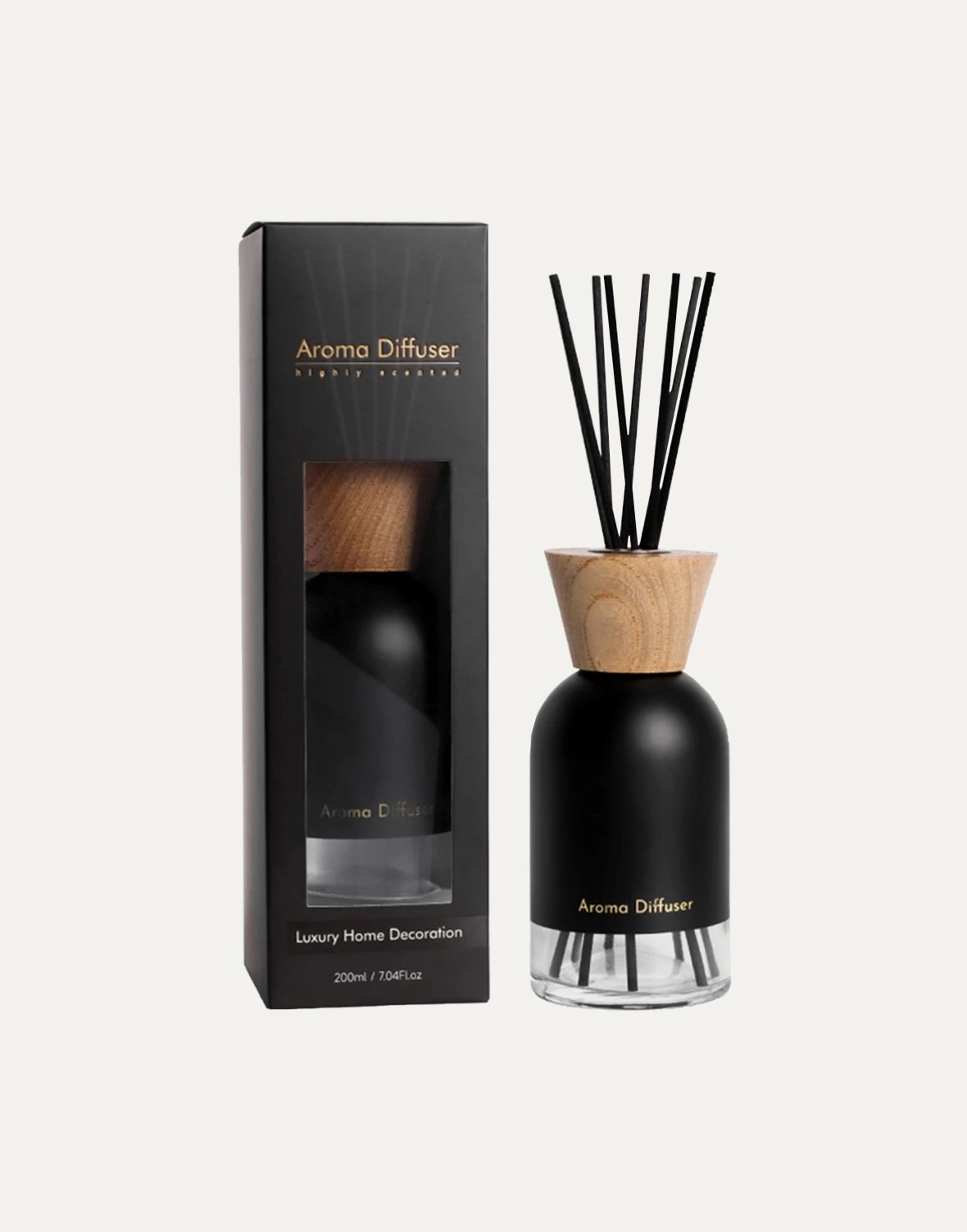
For compact private rooms and lounge niches, passive reed diffusers can add background character. For the main seating floor, active diffusion gives the repeatable intensity control that a service period needs.
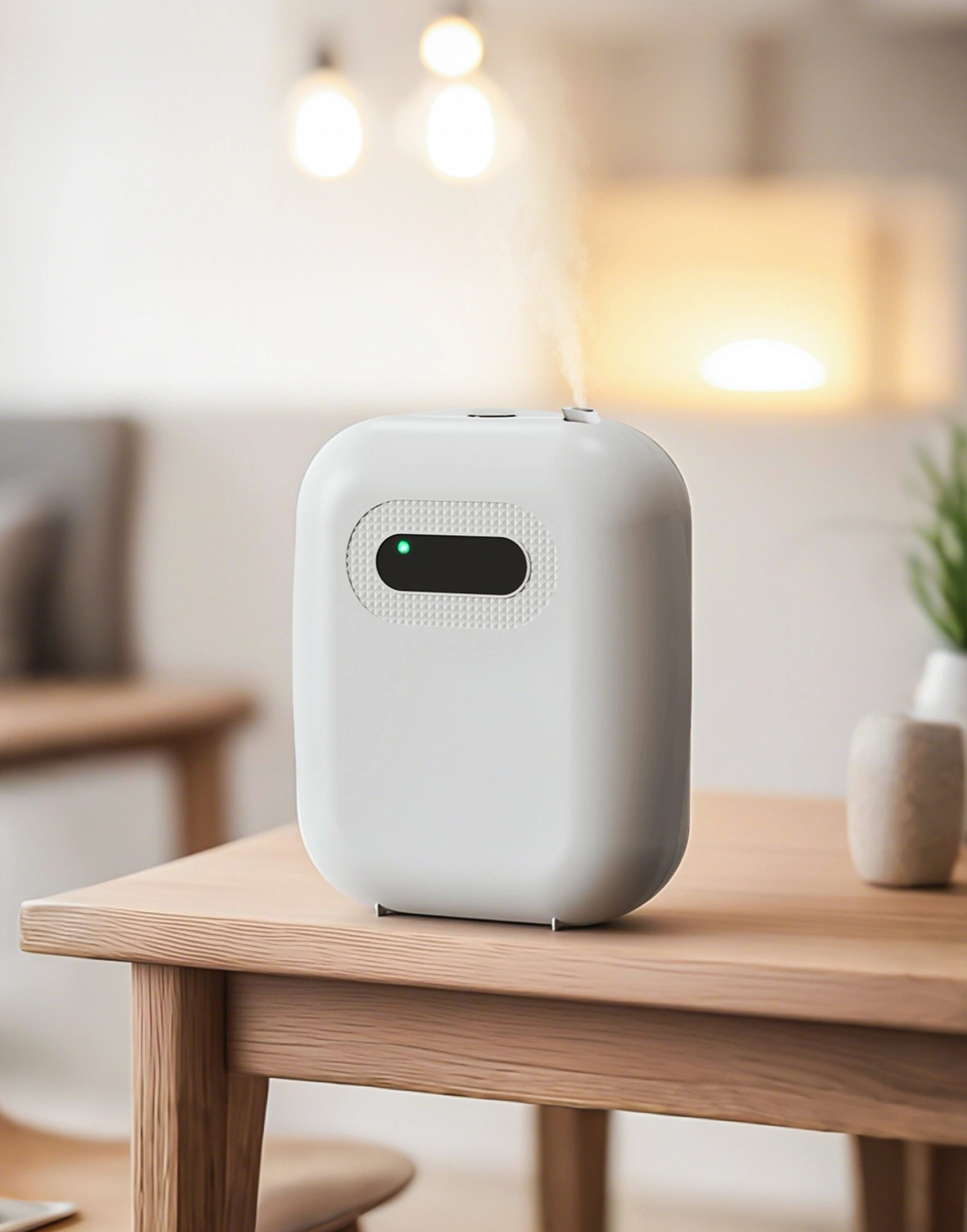
The table shows how we align equipment to dining zone rather than choosing a single machine for the whole venue.
| Dining zone | Typical area | Scent-Share unit type |
|---|---|---|
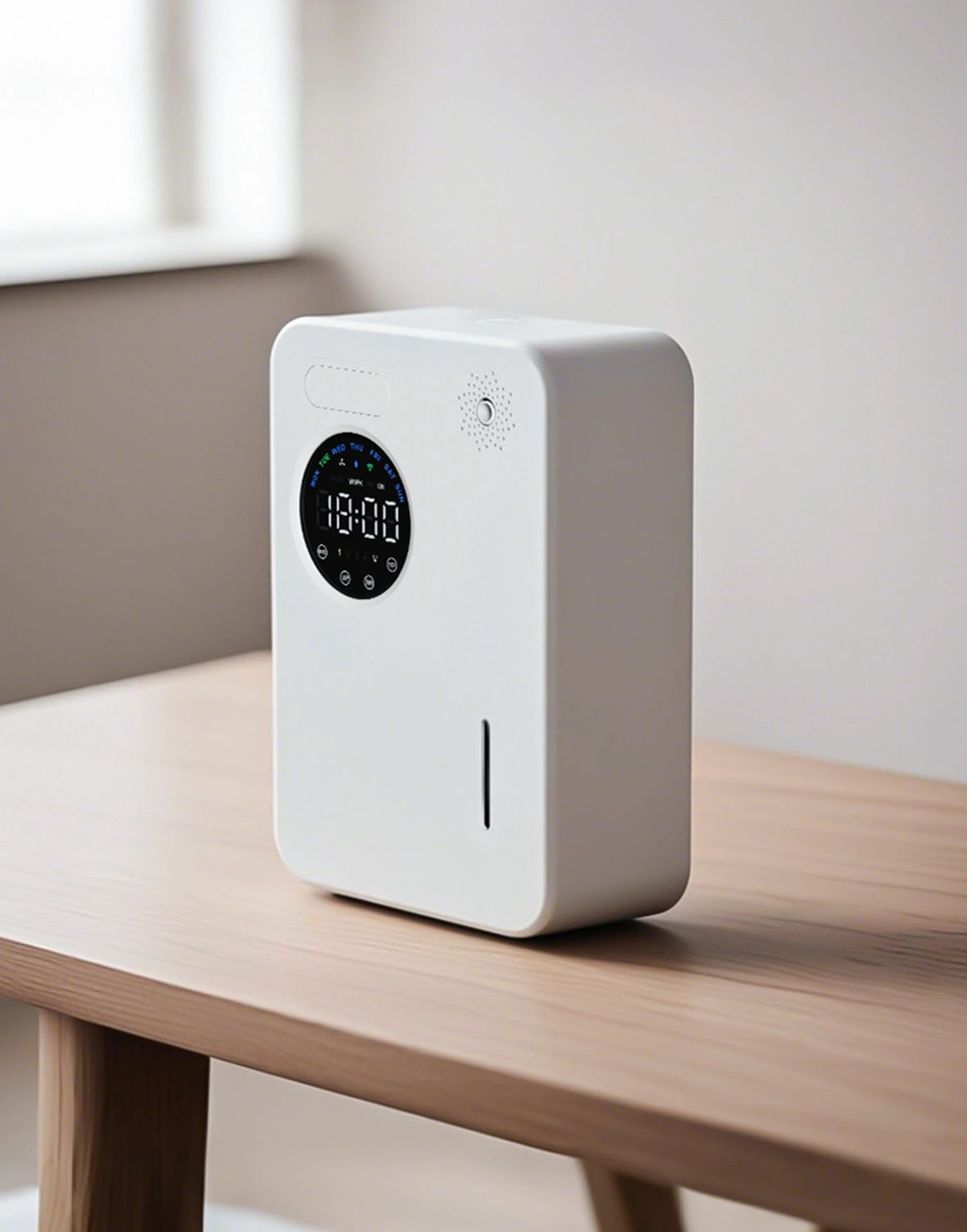
| Entrance and host stand | 200 to 500 sq ft | Battery Aroma Oil Dispenser Wall Mount Diffuser |
| Main dining room | 1,000 to 2,000 sq ft | Commercial Scent Oil Diffuser (Bluetooth APP) |
| Large venue or multi zone | 10,000 to 30,000 sq ft | Commercial HVAC Scent Diffuser |
A common mistake is selecting a diffuser only by square footage. Ceiling height, air change rate, soft furnishings, and the kitchen extraction path all shape how fragrance travels. That is why I prefer to see a floorplan before recommending a device. Where possible, we start with one zone and adjust intensity over a service period. This avoids the overscented room that turns guests off.
If your program involves open plan dining and an open kitchen, confirm your target aroma can hold up against extraction airflow before you finalize the scent plan. Send your floorplate and ventilation notes to [email protected] and we can check the likely intensity settings without guesswork.
What Happens When Fragrance and Food Conflict?
A congruent scent lifts the meal. A conflicting scent creates a barrier. I have audited dining rooms where a heavy vanilla scent ran across a seafood menu, and the tasting panel described the fish as off. The problem was not the fish. The room scent had set an expectation for sweetness and then the food delivered saline, mineral notes. The mismatch registered as off, not unique.
Three failure modes show up repeatedly. The most common is placement too close to guest tables, which makes the scent feel personal rather than atmospheric. Another is intensity set too high, saturating the olfactory system within minutes and leaving the room flat, not fragrant. A third is using the same broad scent from morning prep through dinner service, so the evening rush never gets its own accent. The fix is usually simpler than operators expect: lower the dose, move the device away from seated height, and let the food lead.
How Do You Start a Restaurant Scenting Program?
Dining scent design fails when it attempts too much at once. Start with one zone, one scent direction, and one service period. We ask clients to describe their menu, their guest dwell time, their ceiling type, and their existing ventilation before any equipment list is written. From there we map a scent plan using more than 300 fragrance formulations and the right diffuser for each zone.
Start small and let the room tell you what it needs. Email [email protected] with your restaurant floorplan and menu details. You can also call +86 185 6557 5758 or +86 134 2048 5758. We will return a one zone scent plan with device type, intensity settings, and oil selection. No full venue commitment, no vague next step.
What Should Restaurant Owners Ask About Dining Fragrance?
How strong should restaurant scent be?
The scent should be noticeable only when a guest pauses to think about it. If it registers immediately at the door, it is probably too strong. In most dining rooms, the best level is just above the threshold where the room stops smelling neutral and starts feeling intentional. We often begin around a low intensity setting and adjust after observing guest movement and dwell time. A guest should never identify a device or follow the scent to its source. That subtlety is what separates a designed dining scent from an air freshener.
Will a dining room fragrance conflict with food aromas?
Not if the scent direction is congruent with the menu. Conflict happens when the ambient note fights the dominant food note, such as sweet vanilla over seafood or strong florals over grilled meat. The safer route is to choose a scent family that reinforces the menu, then keep intensity below the food’s natural aroma at the table. If your kitchen has strong extraction or an open servery, share those details so the plan can account for where food aroma already dominates.
Does scent design actually change repeat visits?
As a standalone tactic, no. When it is combined with consistent service and a coherent menu, it strengthens the emotional trace of the meal. A familiar scent signature makes a room feel consistent across visits, which builds trust and recall. I have seen restaurants use the same dining scent for years with guests noticing only when it is absent. The important variable is consistency over intensity. A scent that changes too often prevents memory formation. Once a signature is set, keep the scent family stable while leaving room for slight seasonal adjustments.
How long does a commercial scenting setup take before guests notice?
The better question is not how quickly guests notice the scent, but how quickly they register the room as distinct. In a properly balanced installation, guests do not consciously notice the scent at all. They notice the room feels better, the meal feels longer, and the brand feels more distinct. That shift can happen within the first service period, but the full memory effect builds over repeated visits. If you are comparing a standalone diffuser with HVAC integration for your dining room, share your ceiling height and ventilation details and we will confirm which unit fits before you order.
If you’re interested, check out these related articles: