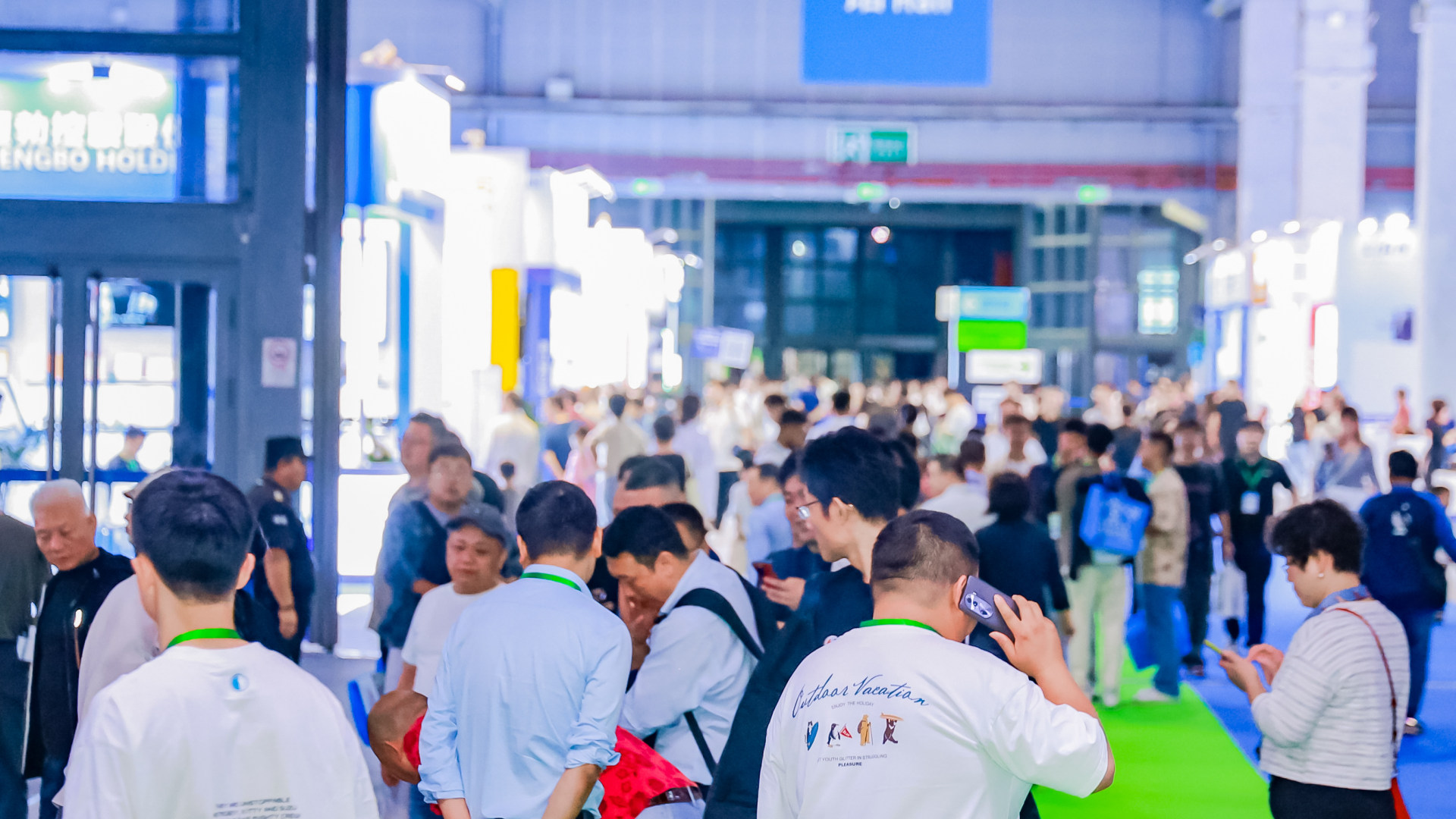

When sourcing automotive electronics for a new vehicle program, navigating China’s vast supplier base can stall your project before the first prototype. Wenzhou’s concentrated electronics manufacturing cluster solves this problem, and a dedicated trade show is the fastest way to tap it. The Wenzhou Automotive Electronics Supplier Trade Show 2026 brings dozens of specialized manufacturers together under one roof for side-by-side technical comparison and direct price negotiation — a level of efficiency that online platforms and general auto shows simply cannot replicate. Instead of traveling between scattered factories, you walk one floor, meet engineers from multiple shortlisted suppliers, compare components physically, and return with actionable quotes.
Why Wenzhou’s Electronics Cluster Delivers Sourcing Efficiency
Wenzhou built its reputation on precision manufacturing, and its automotive electronics segment now supplies control modules, sensors, wiring harnesses, and actuators to OEMs and tier‑1 suppliers worldwide. What sets this cluster apart is density — hundreds of specialized factories operate within a tight geographic radius, sharing supply chains and pushing each other on quality and lead time. When you visit a trade show that concentrates these manufacturers in one hall, you are not just browsing, you are auditing an entire supply chain in a single afternoon. I have seen procurement teams cut supplier identification phases by half simply because they could walk from one booth to the next, compare specifications in real time, and ask on‑the‑spot questions that would take weeks to resolve over email.
What a Focused Trade Show Delivers That Online Platforms Cannot
Online directories give you names and certificates, but they cannot replicate the speed and confidence of a live technical conversation. At the Wenzhou Automotive Electronics Supplier Trade Show 2026, you test switch‑feeling, measure tolerances, and watch a prototype actuate before you commit. You also bypass layers of trading companies — factory owners and chief engineers are typically present at their booths, ready to discuss OEM adaptations. I have observed that the most productive conversations happen when a buyer brings a drawing or a failed part and asks, “Can you improve this?” The dialogue moves from catalog matching to genuine co‑development almost immediately, something a video call cannot deliver.
If your project involves components that must pass a specific validation standard — such as IATF 16949 or a customer‑specific ESD requirement — it is worth confirming a supplier’s certification status and recent audit results before you arrive. Contact our team at [email protected] and we can help you pre‑screen exhibitors so you arrive with a shortlist, not a shopping list.
Automotive Electronics Categories You Can Source at the 2026 Show
The exhibition floor is organized by product system rather than geography, so you can cover an entire BOM segment in one walk. Below are the primary electronics categories represented, with typical sub‑segments you can expect to find:
| Category | Examples of Sourcing Opportunities |
|---|---|
| Engine management systems | ECU modules, ignition coils, throttle position sensors |
| Body electronics | Door control units, power window switches, mirror actuators |
| Safety and chassis electronics | ABS sensors, steering angle sensors, TPMS modules |
| EV and hybrid components | High‑voltage harnesses, onboard chargers, battery management sensors |
| Lighting and visibility | LED drivers, adaptive headlight modules, rain/light sensors |
| Comfort and infotainment | HVAC control heads, USB hubs, instrument cluster sub‑assemblies |
Product lines shown at the show span from mature aftermarket replacements to the latest EV‑specific architectures. I consistently see buyers move fastest when they specify their voltage architecture and target regulatory market upfront — it eliminates 80% of unsuitable suppliers immediately.
How to Prepare for a High‑Impact Sourcing Visit
Arriving with a clear plan turns two trade‑show days into a year’s worth of supply‑chain development. First, register as a professional visitor early; this ensures you receive the floor plan and exhibitor list in advance. Next, mark the booths of manufacturers who have already cleared your preliminary capability check — look for ISO 9001 or IATF 16949 certification noted in their company profiles. Bring the following: detailed part numbers with tolerances, a physical sample if available, your target annual volumes, and a brief outline of any customization needed. I have watched engineers arrive with nothing but a smartphone photo of a damaged connector and still walk away with a solution — but the more information you share, the more precise the quote. Finally, schedule your visit to allow at least one full day on the electronics‑dedicated floor, and block the following morning for follow‑up meetings if needed.
Turning Conversations into Purchase Orders
The real value of a cluster‑based show reveals itself when you compare suppliers not from memory, but side by side. After visiting several booths, you will notice patterns — some manufacturers invest heavily in automated testing while others focus on rapid prototyping, and those differences matter for your program. Ask every supplier how they handle traceability, what lead time they guarantee on the first production batch, and how they manage engineering change requests. In my experience organizing exhibitions, the suppliers who answer these questions with documented procedures rather than promises are the ones worth a second meeting. Exchange direct contact information with the engineer, not just a sales card; technical follow‑up bypassing gatekeepers cuts response times dramatically. After the show, send your short‑form RFQ within 48 hours while the conversation is fresh, and mention that you met at the show — suppliers prioritize trade‑show leads.
Start Your Sourcing Journey at APES Auto Parts Expo Shanghai
Supply chain decisions depend on more than price — they depend on trust, technical clarity, and the confidence that a manufacturer truly understands your requirements. A walk‑through of the Wenzhou electronics zone inside APES Auto Parts Expo Shanghai gives you that clarity before you place your first order. The 2026 edition connects global buyers with over 3,500 verified suppliers across the full automotive aftermarket and OE spectrum, supported by a structured matchmaking program that targets the exact product categories you need. Send your part number, target quantity, and compliance requirements to [email protected] to receive a tailored list of exhibitors and a visitor registration guide. Our team is available at +021‑60280788 to assist with visa invitations, accommodation, and bilingual coordination so your visit is productive from the moment you land.
What Buyers Ask About Sourcing at the Show
Is it safe to buy directly from a manufacturer I met at a trade show?
Yes, and the face‑to‑face meeting actually reduces risk. You can inspect the production sample in person, ask to see real‑time quality data, and evaluate the engineer’s competence directly. Still, follow up with a factory audit or request documentation like ISO 9001, IATF 16949, or customer‑specific PPAP files before finalizing a contract. The trade show provides the introduction and qualification, but the final verification remains your due diligence.
How does this show compare to larger general auto parts exhibitions?
General shows give you breadth — thousands of brands across all vehicle systems. A clustered show like the Wenzhou electronics zone within APES gives you depth in one product category. Instead of walking 12 halls to find five relevant electronics suppliers, you walk one floor and find 40. For buyers who know they need a specific component family, this depth saves time and improves comparison quality. If your program requires multiple systems, you can still access the full APES exhibition covering engine, chassis, body, and NEV parts in adjoining halls.
Can I negotiate factory‑direct pricing at the show?
Yes, and the on‑site dynamic often yields better terms. Exhibitors invest considerable resources to attend and are motivated to convert booth interactions into orders. When you discuss volumes, lead times, and tooling costs face to face, you can close on a price that reflects the absence of intermediary margins. I have observed buyers securing 5% to 15% better terms simply by establishing a personal connection and referencing a specific order window.
What if I need custom OEM electronics, not off‑the‑shelf products?
The Wenzhou cluster specializes in customization. Bring your specifications, a BOM, or even a competitor’s sample, and many exhibitors can propose a development timeline on the spot. Because you are talking directly to engineering staff, not a distributor, you can discuss material substitutions, connector pin‑out changes, and firmware adjustments in real time. The conversation shifts from “do you have this part” to “how can we build this part for you.”
Will I meet factory decision‑makers or only sales representatives?
At this show, you typically meet the owner or technical director, especially at medium‑sized manufacturers who are the backbone of the Wenzhou cluster. That means pricing decisions, MOQ adjustments, and engineering commitments happen in the booth, not after a chain of internal emails. If your program involves complex requirements, confirm with the booth staff that you want to speak with the technical lead directly. Start that conversation with a specific challenge, and you will quickly see who can solve it. Share your requirements with us at [email protected] and we will help you connect with the right exhibitors before you arrive.
If you’re interested, check out these related articles:
Tomorrow World: Innovation Achievement Exhibition and Industry Future Forum
APES 2026 to Redefine Global Sourcing Landscape as Automotive Industry Eyes Resilient Future