Supermarket scent marketing works only when the fragrance matches the aisle, the airflow, and the shopper’s intention in that moment. In ten years of developing commercial scent programs, I have watched operators copy a hotel lobby scent into a grocery aisle and end up with a background smell that does nothing for basket size. This article focuses on supermarket scent marketing strategies built around zone-specific fragrance selection, intensity control, and placement tied to purchase triggers, not simply making the store smell pleasant. The practical result is longer dwell time near high-margin sections and cleaner transitions between bakery, produce, butcher, and packaged goods.
What Makes Supermarket Scent Marketing Different From Other Retail?
A hotel can anchor a single signature scent across every floor because the space serves one emotional promise. A supermarket cannot. Fresh produce, raw protein, cleaning chemicals, and warm bakery air all compete in the same building, and a single ambient fragrance often lands as a confusing presence. In our scent programs across 68 countries, the first design step is not choosing a fragrance. It is deciding which zones should smell like what, and which zones should simply stop smelling.
Shoppers also move faster and make more repeated decisions than in a fashion store or hotel lobby. That changes the role of scent. Supermarket scent marketing is less about brand identity and more about shortening the decision loop near the shelf, reinforcing freshness cues, and keeping the store from smelling stale. A fragrance that slows someone for four seconds at the cheese counter works harder than a signature scent that is noticed once at the front door.
Which Supermarket Zones Should Carry Their Own Scent?
Some zones need fragrance, some need odor control, and a few need both.
How Do Entrance Scents Change Shopper Pace?
At the entrance, the goal is resetting the shopper from the outside world into the store environment. A citrus or fresh green scent with moderate intensity does this without fighting the first produce display. In my experience, an entrance diffuser placed too close to a wet wall can mix with refrigerated condensation and turn sharp. We position entrance scent before the first gondola end, not directly over the doors where air leakage pulls fragrance outside.
Why Do Bakery Notes Need Their Own Diffuser Circuit?
Bakery aromas are the strongest natural selling tool in a supermarket, so added fragrance should extend the warm bread and butter note instead of masking it. A separate diffuser circuit lets the bakery scent run on a higher duty cycle in the morning, then step down while the actual ovens are active. If the same HVAC loop serves produce, the warm gourmand note will blur the fresh green impression two aisles away.
Can One Fragrance Cover the Whole Supermarket?
Technically yes, practically no. One fragrance piped through every zone usually disappears where air changes are high and pools where airflow is weak. Shoppers then experience bursts and dead spots. A zone plan with two or three scent directions plus neutralizers gives each department a clean background without turning the store into a perfume floor.
How Do You Pair Fragrances With Fresh and Packaged Food Sections?
Food retail has a different scent rule from hospitality: fresh should smell fresh, cooked should smell appetizing, and raw should smell like nothing.
| Supermarket section | Scent direction | What it should do |
|---|---|---|
| Entrance | Citrus, green, light aquatic | Reset outside smells and signal a clean start |
| Produce | Green, cucumber, melon | Reinforce the fresh impression at the wet wall |
| Bakery | Warm bread, butter, light vanilla | Extend the appetite cue beyond the oven area |
| Butcher and seafood | Odor neutralizer, then light citrus | Remove protein odor before any fragrance is added |
| Packaged grocery | Neutral, faint cotton or musk | Keep the mid-store air from feeling flat |
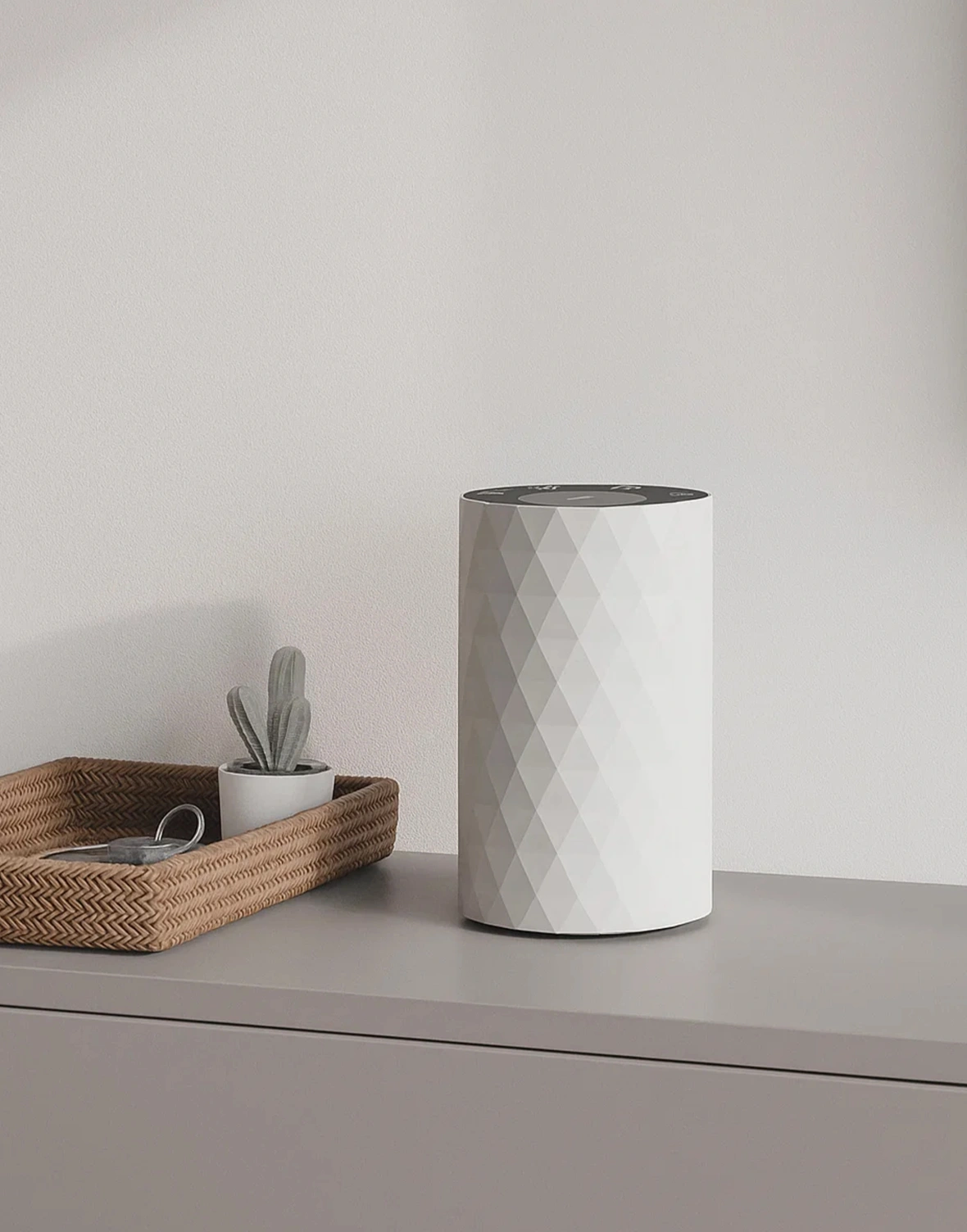
Pairing is not only about the name of the scent. The carrier system and duty cycle matter more. A dense bakery fragrance on a 24/7 schedule becomes cloying by mid-afternoon. We set high-impact scents to pulse around meal-preparation hours and keep a lower background at other times. For the produce zone, I lean on watery notes with low diffusion drift, because they stay near the display instead of climbing toward the ceiling return. For a small sampling station or café corner, a mini diffuser keeps the scent local without pulling focus from the department.
 If your store has open seafood, a hot deli, and packaged grocery sharing one air volume, the zone map needs a second look before you commit. Send your floor plan and HVAC zone map to [email protected], and we will confirm which sections need their own diffuser circuit.
How Should You Position Systems for Supermarket Scent Marketing?
Placement decides whether a good fragrance becomes a buying cue or an air freshener. Supermarkets work best with a mix of HVAC-integrated systems for wide coverage and smaller standalone diffusers for isolated departments.
| System | Coverage | Best supermarket placement |
|---|---|---|
| Commercial Scent Oil Diffuser (Bluetooth APP) | 300 m³ | Bakery corner, entrance, or checkout lane |
| Wall Mount Aroma Diffuser HVAC System | 3,000 m³ | Produce or packaged grocery circuit |
| Commercial HVAC Scent Diffuser Aroma Dispenser System | 8,000 m³ | Main sales floor through HVAC supply |
| Dual-System HVAC Scent Diffuser | 5,000 to 15,000 m³ | Large stores with two separate air loops |
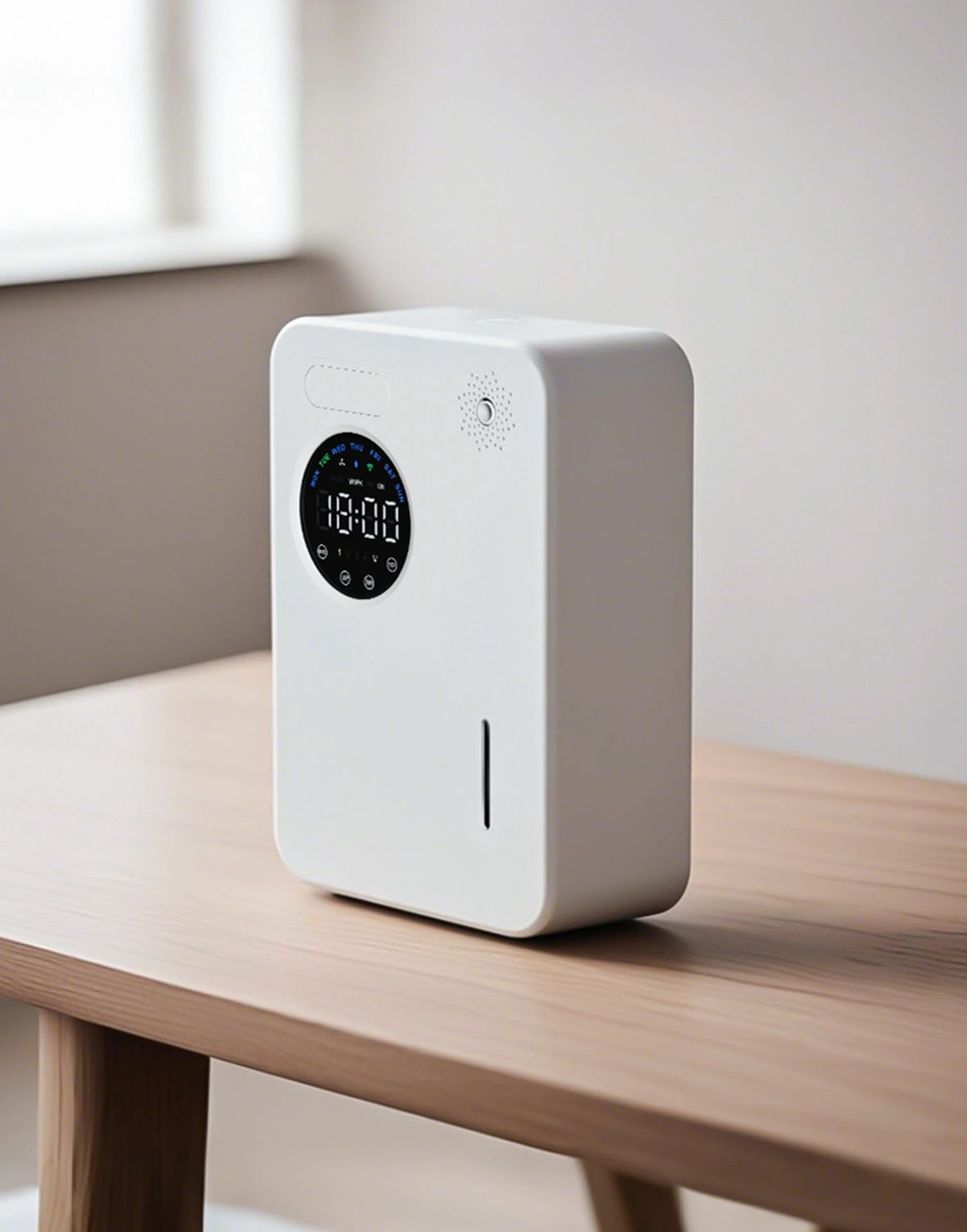 Mounting height and return-air location shape the result. In a typical 3,000 to 4,000 m³ supermarket, we place the main HVAC scent unit after the cooling coil so fragrance does not sit on the filter media. The atomizer line runs into the supply duct, and the Bluetooth app controls the duty cycle without staff having to touch the unit. For checkout lanes, a compact Bluetooth diffuser covers a tight lane cluster around the front end.
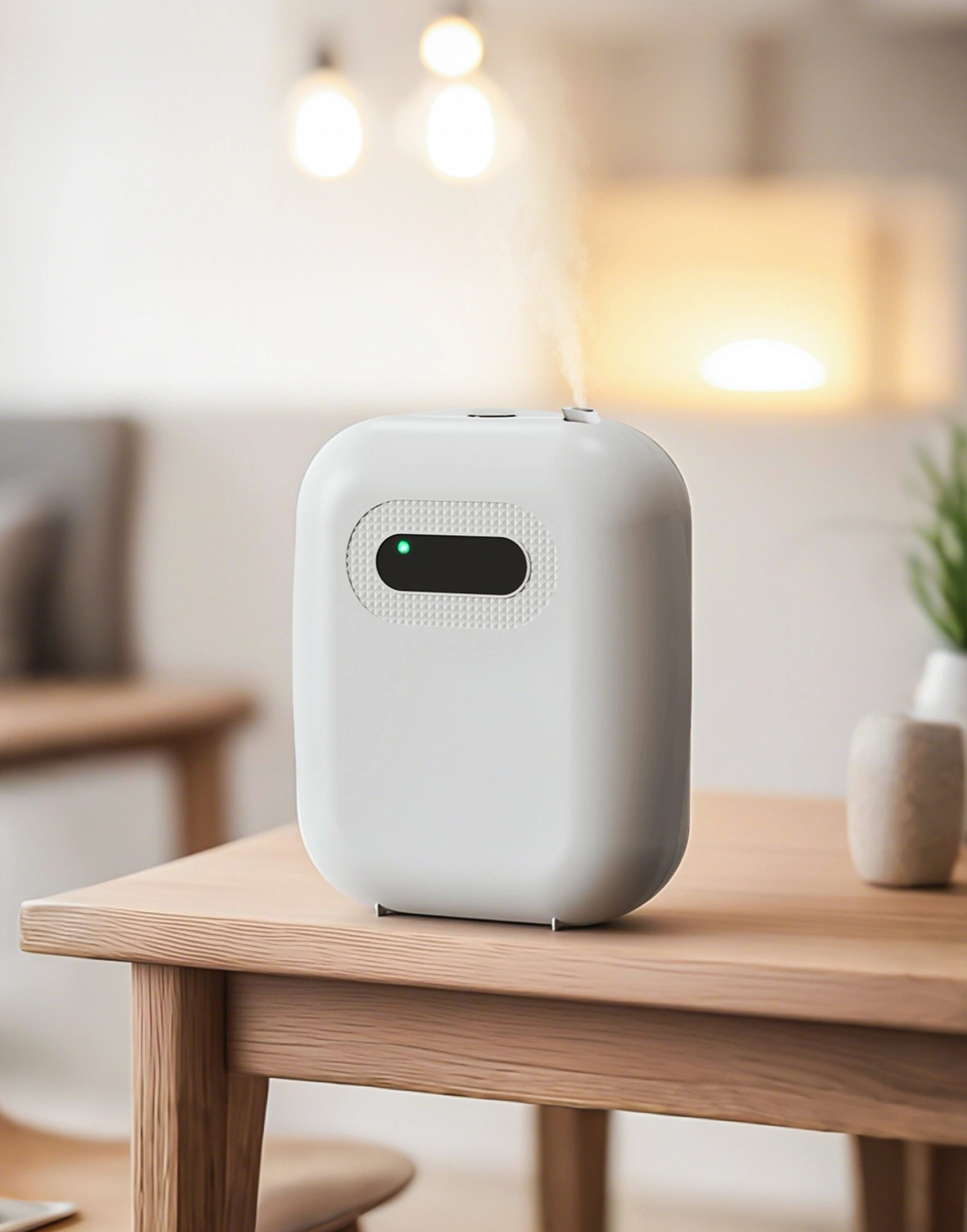
For larger stores, the dual-system HVAC diffuser is the practical choice because one air loop can carry a neutralizer for protein zones and the other can carry a light citrus for the front of store. This prevents fish and bakery notes from bleeding through the same circuit. I have learned to treat return-air grilles as scent destinations. If a return sits above the seafood counter, that section will pull odor through half the store before the neutralizer catches it. Where wiring is limited near a service counter, a battery wall-mount diffuser can serve a 200 m³ zone without opening a wall.
How Do You Start a Supermarket Scent Marketing Program?
Most operators begin with a sample pack and one favorite fragrance, then find the bakery note vanishes by the produce wall or the entrance scent becomes a permanent cloud. The problem is rarely the oil. It is the absence of a zone plan. A workable program starts with store dimensions, ceiling height, HVAC zones, and a list of cases that create odor. Fragrance selection comes after the mapping.
Send your store plan, ceiling height, and the sections you want to influence to [email protected]. If you would rather talk through the layout first, call +86 185 6557 5758 or +86 134 2048 5758 and ask for a supermarket scent plan. We will review the air distribution and recommend where to start with one or two zones, so the first installation shows a clear difference before you scale.
What Do Operators Ask About Supermarket Scent Marketing?
Does Supermarket Scent Marketing Interfere With Fresh Food Aromas?
No, not when it is zoned correctly. Fresh food aromas should remain the lead signal in produce, bakery, and butcher sections. We use added fragrance to fill gaps where air movement is weak or where a department has no natural scent of its own. If the same circuit pushes a strong vanilla into the wet wall, the produce impression suffers. The fix is separate diffuser circuits and a neutralizer for protein cases before any decorative scent is introduced.
How Often Should Fragrance Oil Be Refilled in a Supermarket?
Some operators expect a machine to run for months without attention. In a supermarket, refill timing depends on bottle size, duty cycle, and air changes, not on the product brochure. A 150 ml bottle on a light duty cycle may run for days. A 1 L HVAC system running during all open hours will move through oil much faster. We set a schedule by measuring oil consumption in the first two weeks, then adjust the app timer instead of guessing.
What Scent Intensity Is Right for Shoppers and Staff?
It depends on ceiling height, air changes, and the note itself. Staff threshold is the better guide. If employees notice the scent constantly after the first hour, shoppers are already overexposed. We start grocery programs below the level that is immediately noticeable at the entrance and increase in small steps over a week. Cold and neutral notes tolerate higher output than sweet gourmand notes, which become tiring with long exposure.
Can a Scent Program Be Installed Without Closing the Store?
In most supermarket programs we plan, installation is done during closed hours. The biggest open-work task is mounting an HVAC unit into the supply duct, and that can happen overnight because the diffuser ties into the air system without stopping trade. For standalone units, mounting and oil loading take less than an hour per zone. We always confirm the store plan first, so the installers arrive with the right brackets and tubing before the night shift begins. Send your floor plan and HVAC setup to [email protected], and we will confirm whether an overnight installation is practical for your site.
If you’re interested, check out these related articles: