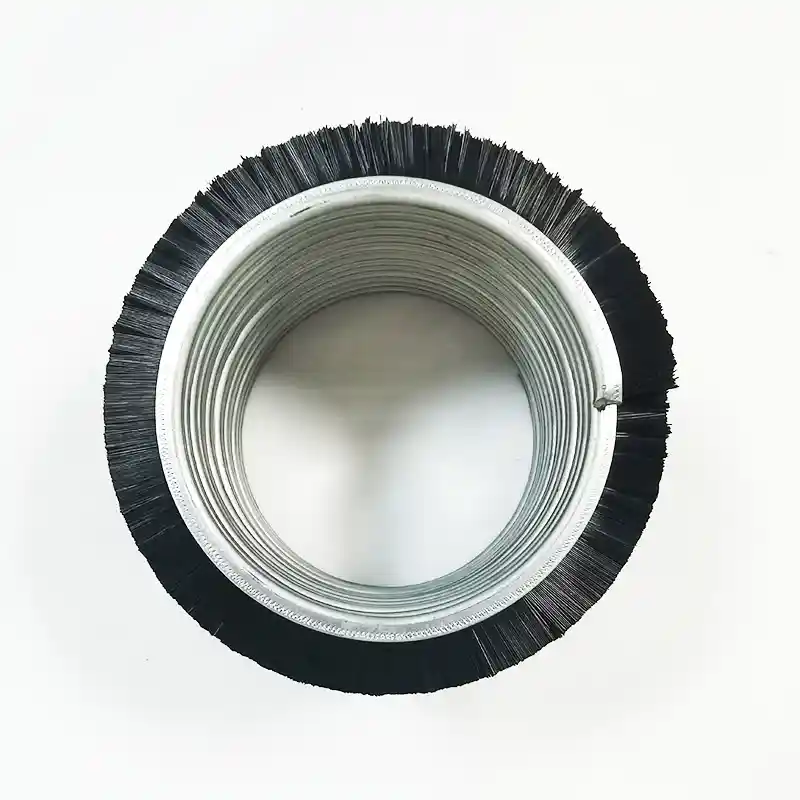

Keeping tubes and pipes clear isn’t glamorous work, but anyone who’s dealt with a clogged heat exchanger or a corroded boiler tube knows how quickly things go sideways when buildup takes hold. Spiral wire brushes mounted on drills have become my go-to for these jobs. The combination of rotational power and the right filament material cuts through rust, scale, and process residues faster than manual scrubbing ever could. More importantly, it reaches spots that other tools simply can’t access. The payoff shows up in longer equipment life and fewer emergency shutdowns.
How Spiral Wire Brushes Transform Industrial Pipe Maintenance
A spiral wire brush paired with a power drill turns routine cleaning into something far more effective. Manual methods leave too much behind, especially in longer runs or pipes with internal curves. The drill’s rotation drives the filaments against the pipe wall with consistent force, scraping away deposits that would otherwise accumulate over months or years.
What makes this approach practical is the time savings. A job that might take an hour by hand can often be finished in fifteen minutes with the right brush and drill combination. The cleaning is also more uniform. Human fatigue leads to inconsistent pressure and missed spots. A drill maintains steady contact throughout the stroke.
For facilities running continuous operations, this efficiency translates directly to reduced downtime. Equipment stays online longer, and maintenance windows shrink. The cost of the brushes themselves is minimal compared to the production losses from extended cleaning shutdowns.
What Goes Into a Quality Drill-Mounted Spiral Brush
The performance of any spiral wire brush comes down to two things: the stem construction and the filament material. The stem, typically made from twisted galvanized or stainless steel wire, needs to be rigid enough to transmit torque without flexing excessively, yet durable enough to survive repeated use.
Filament selection depends entirely on what you’re cleaning and what the pipe is made of. Stainless steel filaments work well for aggressive jobs like removing heavy rust or weld spatter from steel pipes. The hardness of the wire provides the cutting action needed for stubborn deposits. Carbon steel offers similar aggression at a lower cost, though it lacks the corrosion resistance of stainless.
For softer pipe materials, the calculus changes. Brass filaments clean copper and brass tubing without leaving scratches that could become corrosion initiation points. Nylon brushes handle plastic pipes and delicate surfaces where any metal contact would cause damage. Abrasive nylon sits in the middle ground, providing some cutting action for deburring and surface conditioning without the aggressiveness of metal wire.
| Brush Material | Typical Applications | Pipe Material Compatibility | Abrasiveness |
|---|---|---|---|
| Stainless Steel | Heavy rust, scale, carbon deposits, weld cleaning | Steel, cast iron, durable alloys | High |
| Carbon Steel | General cleaning, moderate rust, paint removal | Steel, iron | Medium-High |
| Nylon | Light deposits, polishing, delicate surfaces | PVC, copper, aluminum, plastics | Low |
| Brass | Soft deposits, polishing, non-sparking environments | Copper, brass, soft metals | Low-Medium |
| Abrasive Nylon | Deburring, surface conditioning, mild rust removal | Various metals, plastics | Medium |
Solving Real Cleaning Problems Across Industries
The versatility of spiral wire brushes shows up in the range of problems they solve. Boiler tubes accumulate scale that reduces heat transfer efficiency. A few passes with the right brush restores thermal performance without the need for chemical treatments. Heat exchangers face similar issues, with the added complexity of tighter tube spacing and longer runs.
Process piping in chemical plants develops internal coatings from product residues. These deposits can harbor bacteria in food processing applications or create flow restrictions in any system. Regular brushing prevents buildup from reaching the point where it affects operations.
Matching Brush Materials to Pipe Types
The relationship between brush and pipe material matters more than most people realize. Using a stainless steel brush on copper tubing leaves deep scratches that accelerate corrosion. The copper surface, once smooth and resistant to buildup, becomes rough and prone to deposit accumulation.
Carbon steel and cast iron pipes can handle aggressive wire materials. The hardness of the pipe exceeds that of most brush filaments, so scratching isn’t a concern. The goal here is removing deposits, not preserving a polished surface.
Plastic pipes present the opposite challenge. Any metal brush will gouge the relatively soft material, creating weak points and rough surfaces that collect debris. Nylon brushes provide the cleaning action needed without risking pipe damage.
Finding the Right Speed and Pressure
Drill speed affects both cleaning effectiveness and brush life. Too slow, and the filaments don’t generate enough scrubbing action. Too fast, and the brush wears out quickly while potentially overheating the pipe surface.
For most tube cleaning applications, speeds between 500 and 1500 RPM work well. Starting at the lower end and increasing gradually lets you find the sweet spot for each specific job. The brush should be moving fast enough to feel like it’s working, but not so fast that it chatters or bounces.
Pressure requires a similar balance. Pushing too hard deforms the filaments and reduces their effectiveness. It also increases the risk of the brush binding in the pipe, which can cause dangerous kickback. Light to moderate pressure, letting the brush do the work, produces better results with less effort.
For more insights into maintaining industrial equipment, read our article on 《descaling spiral brush an innovative tool and generalist in the field of industrial cleaning》. It provides valuable information on advanced cleaning techniques.
Getting the Specifications Right
Selecting a spiral wire brush starts with measuring the pipe. The brush diameter should match the internal diameter closely, with a slight oversize ensuring good contact with the pipe wall. A brush that’s too small won’t make consistent contact. One that’s too large won’t fit or will require excessive force to insert.
Length matters for reaching the full cleaning area. Short brushes work for accessible sections, but longer runs or pipes with bends need extended brush lengths. Flexible stems help navigate curves that would stop a rigid brush cold.
| Feature | Consideration | Impact on Performance |
|---|---|---|
| Diameter | Match pipe ID; slightly oversized for aggressive clean | Ensures optimal contact and scrubbing action |
| Length | Reach entire cleaning area; navigate bends | Allows full coverage and access to complex geometries |
| Filament Type | Material compatibility; deposit type | Determines cleaning aggression and surface safety |
| Stem Type | Flexibility for curves; rigidity for straight runs | Facilitates maneuverability and stable operation |
Staying Safe and Keeping Brushes Working
Power tool safety applies fully to drill-mounted brushes. Safety glasses are non-negotiable. Wire filaments break off during use, and they travel fast enough to cause serious eye injuries. Gloves protect hands from both the rotating brush and sharp debris. Face shields add another layer of protection for heavy-duty jobs.
Securing the workpiece prevents movement during cleaning. A pipe that shifts unexpectedly can bind the brush, causing the drill to twist in your hands. Clamping or otherwise stabilizing the work eliminates this risk.
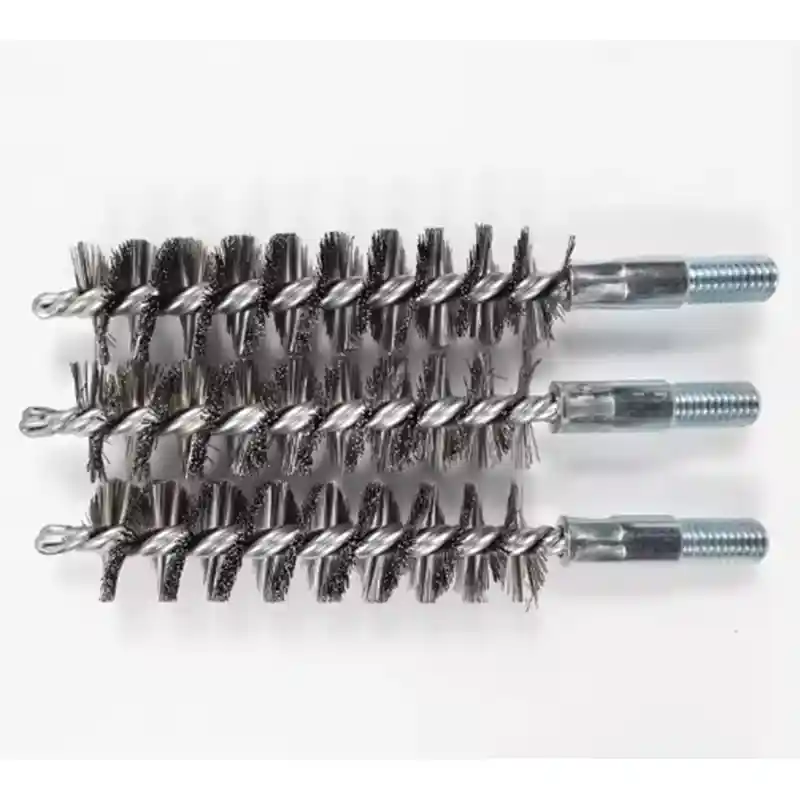
After each use, cleaning the brush removes debris that could accelerate wear or cause imbalance during the next use. Inspection catches damage before it becomes a safety issue. Bent or broken filaments reduce cleaning effectiveness and can indicate that the brush is nearing the end of its useful life.
Storage in a dry location prevents corrosion on both the stem and filaments. Rust weakens the wire and can transfer to the pipes being cleaned, creating new problems rather than solving existing ones.
Working With a Manufacturer Who Understands the Application
Huixi Brush brings 16 years of manufacturing experience to spiral wire brush production. Our facility in Anhui Province handles production, while our Shanghai trading company manages distribution to customers across Europe, North America, Australia, New Zealand, the Middle East, and Southeast Asia.
What sets us apart is the ability to customize. Standard brushes work for many applications, but unusual pipe sizes, specific material requirements, or challenging deposit types often call for something tailored. Our engineering team works with customers to develop brushes that match their exact needs.
ODM and OEM services extend this capability to customers who want to offer brushes under their own brand or integrate them into larger equipment packages. Competitive pricing reflects our manufacturing efficiency without compromising on quality.
Take the Next Step Toward Better Pipe Maintenance
Improving your tube and pipe cleaning starts with the right tools. Huixi Brush offers the spiral wire brush solutions that match your specific challenges, backed by technical support from people who understand industrial cleaning applications. Contact Shanghai Huixi Trading Co., Ltd. to discuss your requirements and discover how our customized approach can reduce your maintenance time while extending equipment life. Reach out at [email protected] or +86 1580 0932 713.
What safety precautions should I take when using a spiral wire brush with a power drill?
Personal protective equipment comes first. Safety glasses protect against flying wire fragments, and gloves shield your hands from both the rotating brush and debris. A face shield adds protection for aggressive cleaning jobs. Before starting, confirm the brush is securely attached and the pipe or tube is stable. Run the drill at recommended speeds and avoid forcing the brush, which can cause binding and kickback. Following manufacturer guidelines for both the drill and brush keeps the operation safe.
Can spiral wire brushes effectively remove stubborn deposits like rust and scale from pipes?
Spiral wire brushes handle rust, scale, carbon buildup, and similar deposits effectively when matched correctly to the job. The key is selecting the right filament material. Hardened steel wire provides the aggression needed for heavy rust on steel pipes. The rotational force from the drill amplifies the scrubbing action, reaching deposits that manual methods would leave behind. Proper brush selection ensures thorough cleaning without damaging the pipe surface, which extends the useful life of the piping system.
How do I ensure the longevity and performance of my industrial spiral wire brushes?
Brush life depends on proper use and maintenance. Clean the brush after each job to remove debris that could cause imbalance or accelerated wear. Inspect filaments regularly and replace brushes when significant wear appears. Dry storage prevents corrosion on both the stem and wire. Using the correct brush for each application avoids unnecessary stress on the filaments. Moderate pressure during use, letting the brush work rather than forcing it, preserves the brush shape and extends service life.