
When a solar panel cleaning brush is marketed as “soft,” many buyers assume the surface is safe. The reality is more complicated. The wrong filament material, excessive bristle stiffness, or sharp tip geometry can leave micro-scratches on photovoltaic glass even when the brush feels gentle to the touch. Those tiny marks accumulate dust and reduce light transmission over time, quietly cutting into the system’s energy output. Choosing a brush that truly won’t scratch means looking past the label and understanding the filament and design factors that determine long-term safety.
Why Micro-Scratches Cause Long-Term Efficiency Loss
Micro-scratches are not just cosmetic. The anti-reflective coating on photovoltaic panels is engineered to maximize light absorption. Even shallow abrasions disrupt that layer, creating light-scattering sites that lower power output. Dust and grime settle into scratches more stubbornly than on smooth glass, so each cleaning cycle after damage becomes less effective. Over a few years, the cumulative effect can produce a noticeable performance decline. In field observations, panels cleaned with abrasive tools show earlier degradation than those maintained with surface-safe brushes. Controlling what touches the glass every time is the only way to avoid this chain.
How Filament Material Prevents Scratches on Solar Panels
Filament material defines how a brush interacts with the panel surface. The three most common synthetic options for solar panel cleaning are nylon 6, nylon 6/12, and polypropylene. Each behaves differently under wet and dry conditions.
| Material | Hardness (Shore D) | Water Absorption | Tip Rounding Ability |
|---|---|---|---|
| Nylon 6 | 70-75 | High (2.5%) | Moderate |
| Nylon 6/12 | 65-70 | Low (0.5%) | Good |
| Polypropylene | 60-65 | Very low | Excellent |
Nylon 6 is durable but absorbs moisture, which makes bristles stiffer when wet. That stiffening increases scratch risk, especially during early-morning cleaning when dew is present. Nylon 6/12 absorbs far less water and retains its flexibility. Polypropylene is naturally softer and absorbs almost no water, making it a strong candidate for the gentlest cleaning.
Tip rounding matters as much as hardness. Raw-cut filament ends are sharp. Mechanical or heat-based tip rounding creates a smooth contact surface. In our 16 years producing brushes for surface-sensitive applications, we have seen that even a tiny variation in tip finish can be the difference between a maintenance asset and a long-term liability. When specifying a brush, always ask for rounded or flagged tips with a diameter of 0.10 mm to 0.15 mm for PV glass.
If your cleaning system involves an automated rotary brush, filament stiffness and pattern must be matched to rotation speed and pressure. Before selecting a brush, sharing your system parameters with an application engineer can prevent mismatches that lead to surface wear. Reach out at [email protected].
How Brush Design Controls Pressure and Coverage
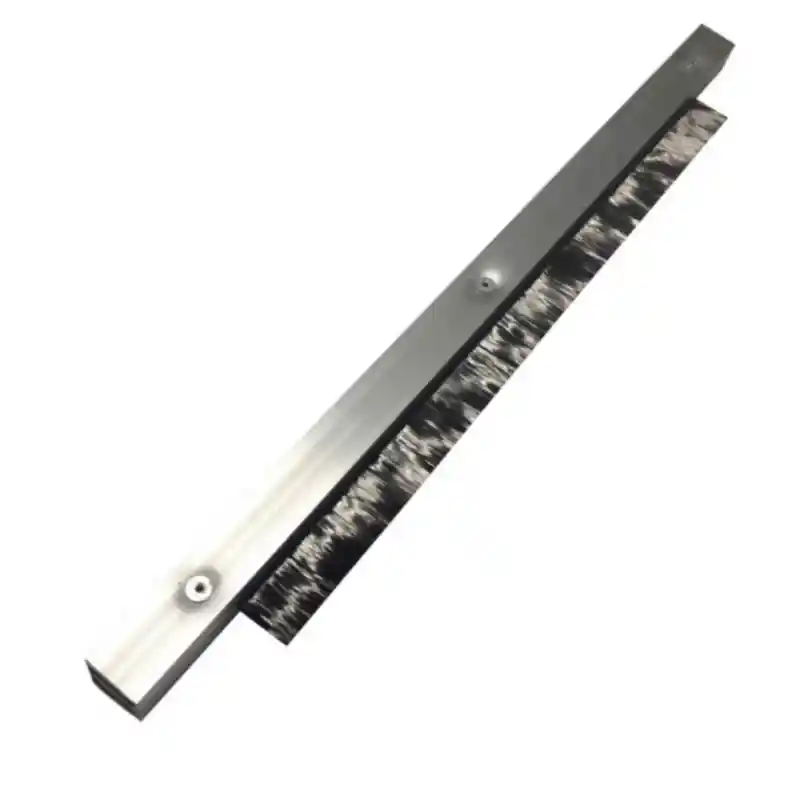
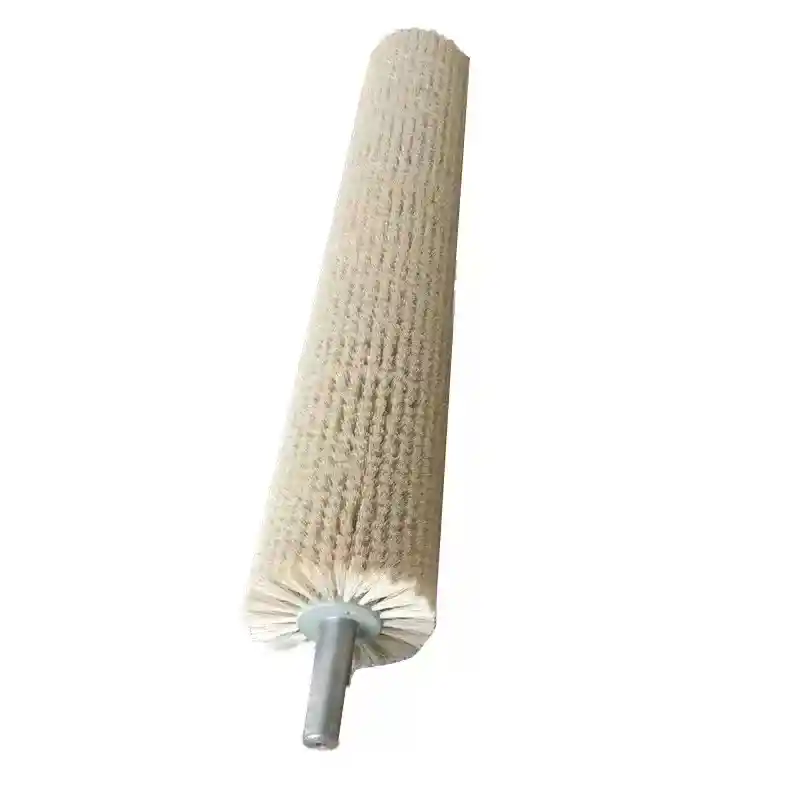
A brush can have soft filaments yet still scratch if the design concentrates pressure on too few bristle tips. High brush density, thin individual filaments, and a flagged tip profile spread the contact load across the surface. Instead of a few rigid points scraping the glass, thousands of flexible flags glide over it, lifting dust without mechanical abrasion.
Tufting pattern also influences performance. Staggered tuft rows cover surface area more evenly than linear rows, reducing the chance that a missed spot requires a second pass. On automated systems, spiral-wound strip brushes offer consistent contact pressure around the entire circumference, important for rotary cleaning heads. Choosing the right brush diameter and bristle length ensures the filaments contact the panel at the correct angle, typically near perpendicular, to minimize side-load scrubbing that creates fine scratches.
How to Specify a Solar Panel Cleaning Brush That Stays Gentle
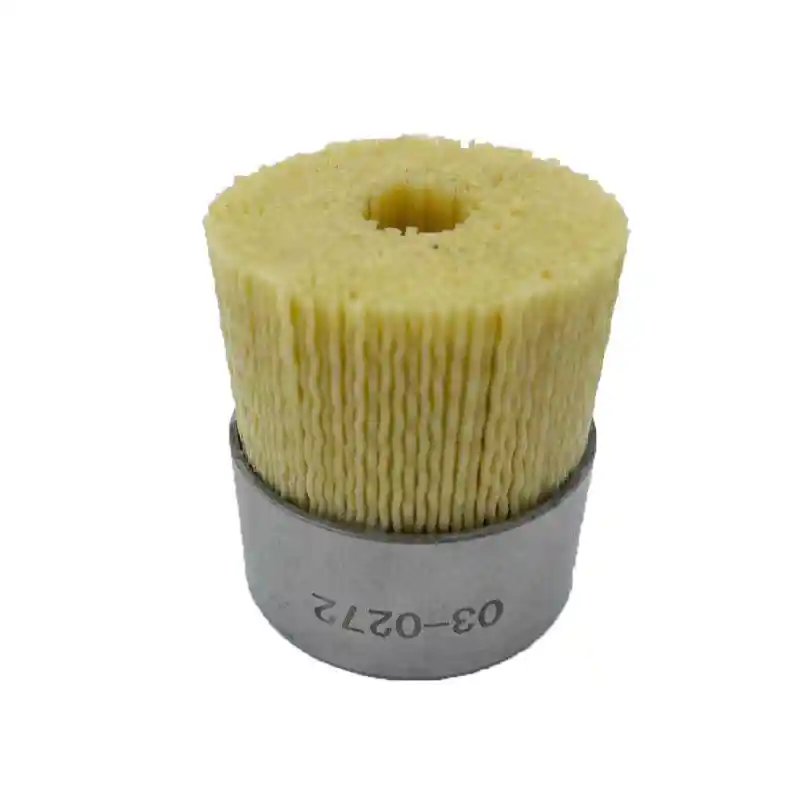
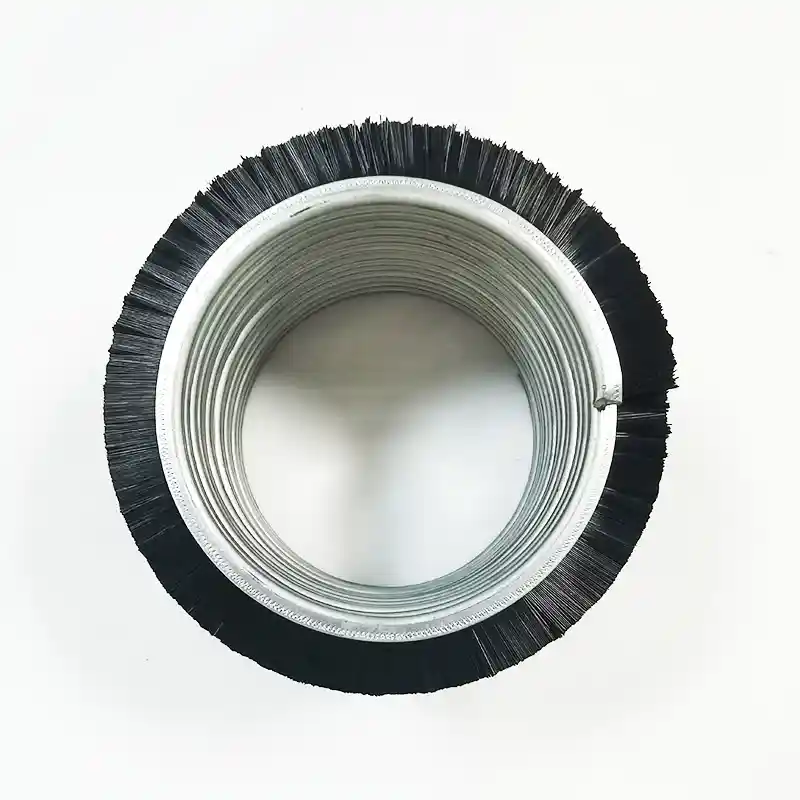
A specification sheet that only says “soft brush” leaves too much to chance. To get a brush that genuinely protects panel surfaces, you need to define filament type, filament diameter, overall brush diameter, bristle length, core material, and mounting style. If the brush will be used wet, moisture absorption data for the filament becomes a deciding factor.
A reliable manufacturer will provide material certifications and offer pre-production samples for testing. Before committing to a production run, inspect sample bristle tips under magnification. Look for uniform rounding, no sharp edges, and consistent filament density across the brush. Ask whether the manufacturer can supply flagged, tipped, and end-rounded filaments specifically for photovoltaic applications.
At Huixi Brush, we produce solar panel cleaning brushes with custom filament selection, controlled tip finishing, and full material traceability. We have supplied cleaning brushes for automated PV maintenance systems and can match your diameter, length, and mounting requirements. Send your brush specifications to [email protected] or call +86 1580 0932 713 to confirm a configuration that keeps your panels scratch-free over the long term.
Scratch-Free Solar Panel Cleaning Questions Answered
Can I use a regular nylon brush to clean solar panels?
Not without verifying filament diameter and tip finish. Many general-purpose nylon brushes are manufactured with raw-cut bristles that can leave fine scratches on the anti-reflective coating. A safe solar panel cleaning brush uses flagged, rounded tips and fine filament, typically 0.10 mm or less, to eliminate sharp contact points. If you already have a brush, inspect a few bristle tips under magnification. If they appear squared off rather than smoothly domed, the brush poses a risk.
How often should I clean solar panels without causing surface wear?
Cleaning frequency depends on local dust load, but gentle, monthly cleaning with the right brush typically adds negligible wear. The greater risk is leaving heavy dirt accumulation for months, then using an aggressive tool to remove it. A soft, high-density brush used regularly prevents baked-on grime that requires scrubbing. For arid regions with frequent dust storms, a cleaning interval of two weeks often pays off because fresh dust lifts off more easily than crusted deposits.
What is the best filament material for scratch-free cleaning?
Nylon 6/12 and polypropylene are both excellent. Nylon 6/12 offers a good balance of softness, low water absorption, and resilience. Polypropylene is even softer and absorbs virtually no moisture, though it may have a shorter service life under heavy use. For wet cleaning systems or high-humidity locations, nylon 6/12’s low water absorption keeps bristle stiffness stable. In very dry climates, polypropylene often performs just as well and costs less. Ask your brush manufacturer for comparative test data if you’re unsure.
Does a softer brush clean as effectively?
Yes, if filament density is high. A brush with many fine, soft filaments can make more contact points with the panel surface, removing fine dust without requiring heavy pressure. In automated systems, increasing bristle count rather than bristle stiffness maintains cleaning effectiveness while protecting the glass. The total cleaning force is distributed across thousands of contact points, so the pressure at any single point stays below the threshold that causes micro-scratching.
What should I look for in a solar panel cleaning brush supplier?
Look for a supplier that provides material certifications, offers sample testing, and can customize filament type, diameter, and tip finishing for your exact cleaning system. They should be able to explain the properties of their filament options and recommend a configuration based on your operating conditions. At Huixi Brush, we do all of that. Share your cleaning system requirements and we will confirm a filament configuration that balances gentle contact with effective dust removal.
If you’re interested, check out these related articles:
advantage of hx boiler tube brush
introduction of our concrete block machine brushes